

Business
GST Rejig Plan: Food Items, Medicines, Phones, Insurance—What Is Likely To Get Cheaper?

Last Updated:
The proposal also signals that some goods will become significantly costlier

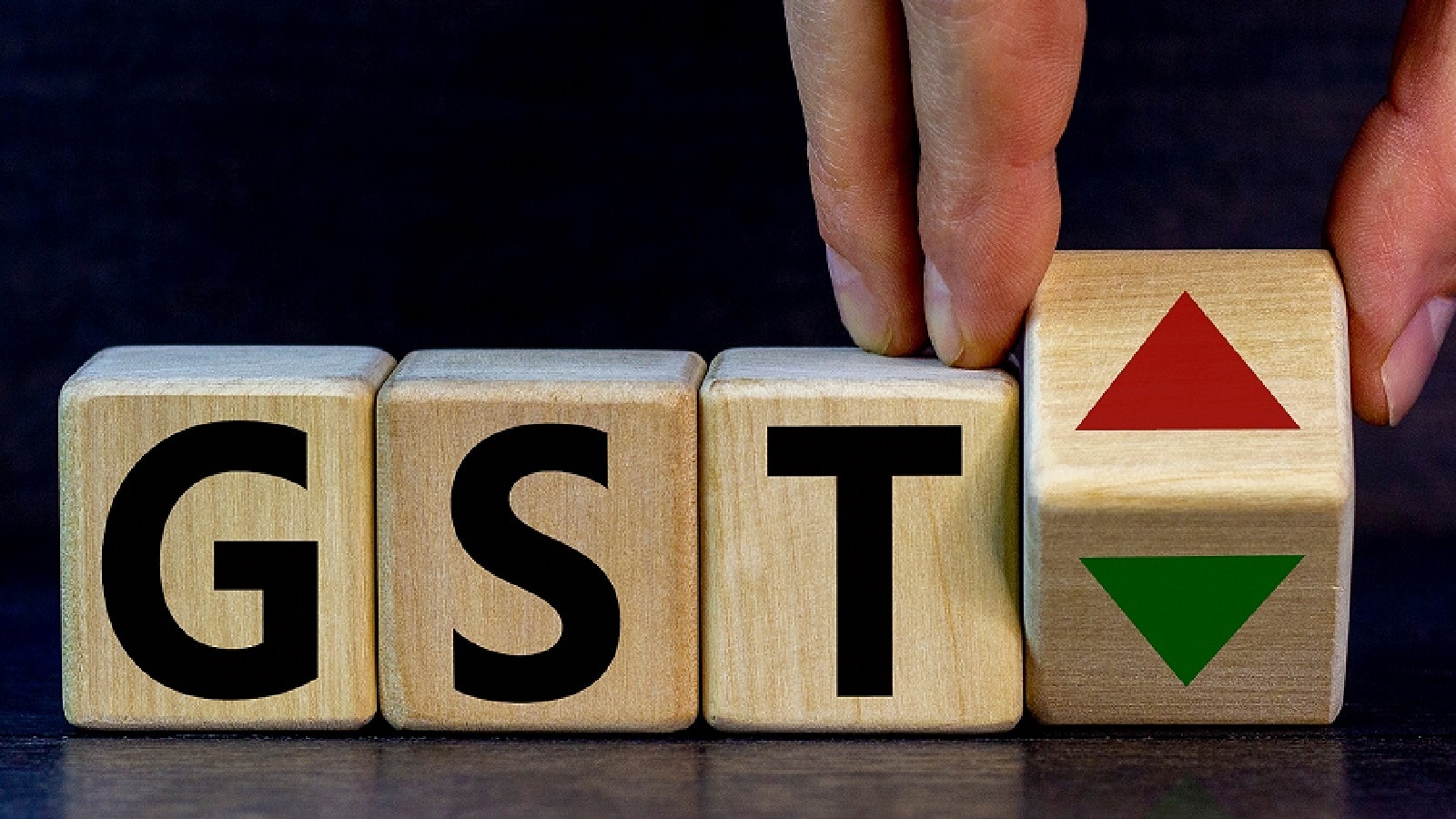
The finance ministry has reportedly put forward a proposal to the GST Council to move from the existing four-slab system to a two-slab model, with rates of 5% and 18%. Representational image
India is on the brink of a major GST overhaul that promises to simplify the tax structure and significantly alter the cost of goods and services for millions of consumers. The finance ministry has reportedly put forward a proposal to the GST Council to move from the existing four-slab system to a two-slab model, with rates of 5% and 18%.
This strategic shift is designed to make the tax system more straightforward and, as promised by the Prime Minister, to provide a “Diwali bonanza” to citizens.
Cheaper: Processed food, phones
Under the new proposal, a vast majority of items used by the common person are slated to become cheaper. The plan outlines that 99% of commodities currently taxed at 12% would be shifted to the lower 5% bracket. This change is expected to bring down the prices of a wide range of goods, including processed food items like butter, ghee, and packaged fruit juices.
Other products, such as mobile phones, which are essential for students and the aspirational middle class, are also likely to see a rate reduction from 12% to 5%. This move would not only make these items more accessible but also boost consumption, which the government believes will fuel higher GDP growth.
Boost for rural livelihood, essential services
For sectors that are crucial to rural livelihoods, such as handicrafts and certain agricultural equipment, the new structure could mean much-needed financial relief. Essential services like medicines, health, and insurance premiums, which are currently taxed at higher rates, are also expected to see a reduction, making them more affordable for a wider population.
The simplified tax structure is also intended to streamline business operations for traders and MSMEs, with promises of benefits like quick refunds and easier calculations.
‘Sin tax’ items, luxury goods to get costlier
While many items are poised to get cheaper, the proposal also signals that some goods will become significantly costlier. The new plan introduces a “special rate” of 40% for a select few “sin items” and luxury goods, as an additional punitive tax. These products, which are considered injurious to health or are non-essential, include tobacco, cigarettes, and pan masala.
By moving these items to a much higher tax slab, the government aims to curb their consumption and generate higher revenue from them, thereby offsetting any potential revenue loss from the rate rationalisation on other goods.

The News Desk is a team of passionate editors and writers who break and analyse the most important events unfolding in India and abroad. From live updates to exclusive reports to in-depth explainers, the Desk d…Read More
The News Desk is a team of passionate editors and writers who break and analyse the most important events unfolding in India and abroad. From live updates to exclusive reports to in-depth explainers, the Desk d… Read More
view comments
Read More


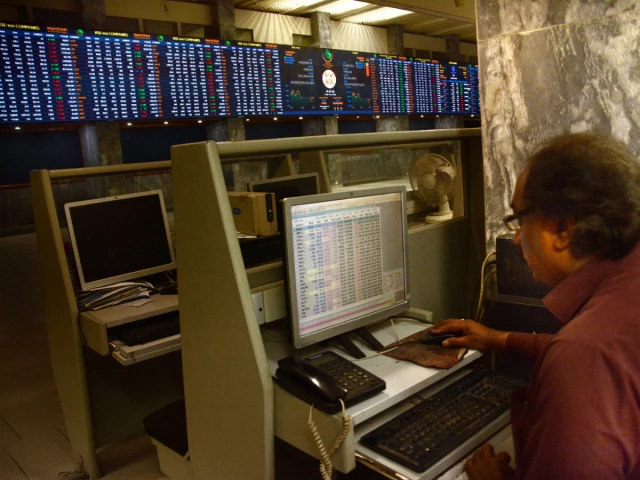



The offshore energy industry will hold an exercise to test its response to simulated threats involving suspicious vessels, drones and cyber attacks.
Ahead of a conference taking place in Aberdeen this week, “exercise Granite Resolve” will gauge how the industry, police and other agencies deal with a complex emergency situation.
While the desktop exercise does not specify the origin of the potential threat, it comes after the UK and allies tracked Russian submarines loitering near critical undersea infrastructure in the High North.
The Defence Secretary has said the activity was closely monitored and warned Russia that any attempt to damage infrastructure would have “serious consequences”.
Offshore Energy UK’s (OEUK) Security and Resilience conference will take place on Wednesday, bringing together industry figures, defence specialists and Police Scotland to discuss how to protect North Sea assets and its energy system.
Mark Wilson, OEUK’s energy operations director, said the offshore industry has long had “robust” arrangements to deal with dangers like fires and explosions at sea, but it does not want to be complacent about emerging threats.
He told the Press Association: “Responding to some of the evolving physical and cyber security threats, requires us to be on the front foot and be agile in our thought process.”
Around 70 personnel from the offshore energy industry will take part in the desktop exercise, as well as officials from Police Scotland, the Department for Energy Security and other agencies.
The scenario will involve both physical and cyber security threats, where signals initially come from other jurisdictions in the North Sea such as Norway and Denmark.
Those taking part will be asked to respond to vessel activity and drone activity “both subsea and airborne”.
Complicating the scenario further, a group of activists will be boarding unattended installations – generating a “cybersecurity threat”.
The exact motivations of these activists, including whether they are working for a “state actor”, will not be immediately apparent – introducing more uncertainty into the situation.
Mr Wilson said: “The idea being, we’re going to test this at multiple levels.
“We’ve got well-tested and well-proven structures to our response arrangements.
“We’ve got an offshore emergency response team, an onshore incident management team and an onshore crisis management team who look after strategic aspects.
“And we’re going to be testing the scenario through those three different teams using the individuals we’ve got.”
He said the reports of Russian submarine activity in the High North, where there are few offshore oil and gas assets, had not led to increased vigilance from the industry – but the areas around offshore installations are already closely monitored.
Mr Wilson said: “If we were to see something unusual, then we’ve got reporting mechanisms in place to go to the relevant government agencies.”
The conference is due to take place in Aberdeen on Wednesday.

Britain is to “flirt” with recession and unemployment will be sent soaring amid the fallout of the Iran war, according to economic forecasters.
The latest Item Club report predicts the economy will flatline in the second and third quarters, which will leave gross domestic product (GDP) rising by 0.7% over the year as a whole, down from 1.4% expansion in 2025.
While the economy will “flirt with recession” – defined as two quarters or more in a row of falling GDP – it will also see higher oil and energy prices weigh on activity and the jobs market suffer its “biggest hit since the pandemic”, the Item Club warned.
But it predicted that interest rates will remain on hold throughout 2026 despite soaring inflation caused by the war.
Matt Swannell, chief economic adviser to the Item Club, said: “Spiralling energy costs and disruption to supply chains will push the UK to the brink of a technical recession in the middle of this year.
“Consumers’ spending power will be squeezed, while more expensive financing arrangements and a less certain global economic backdrop will pour cold water on companies’ investment plans.”
The independent forecasting group said the UK’s jobless rate will peak at 5.8% by the middle of 2027, with almost 250,000 more people without a job.
It follows a gloomy economic outlook report from the International Monetary Fund (IMF) last week showing the UK facing the biggest downgrade to growth among the G7 group of countries, with 0.8% forecast for 2026, down sharply from the 1.3% predicted in January.
But recent figures showed the UK economy had stronger-than-first thought momentum before the Iran war impact, with data showing GDP grew by 0.5% month-on-month in February – the fastest expansion since January 2024.
The Item Club said inflation is set to soar to almost 4% in the second half of 2026 – nearly double the Bank’s 2% target – but that Monetary Policy Committee (MPC) policymakers will hold off from knee-jerk hikes to interest rates.
Mr Swannell said: “We don’t expect the Bank of England to repeat the 2022 playbook and hike interest rates as energy prices rise.
“This time policy is already restrictive, and a more fragile economy means that businesses will find it harder to pass on higher costs to the consumer.
“Instead, the MPC can stand pat as it waits for inflation to fall back before it cuts interest rates a couple more times in the middle of next year.”
Business
Pakistan says it will repay remaining $1.5 billion loan to UAE by April 23 amid IMF funding hopes – The Times of India

Pakistan has expressed hopes to repay the remaining $1.5 billion of the total $3.5 billion loan to UAE by April 23. This comes ahead of an expected $1.2 billion disbursement from the International Monetary Fund (IMF), following recent discussions in Washington.Spokesperson for the State Bank of Pakistan, country’s central bank told PTI, “Pakistan has repaid $2 billion of a $3.5 billion fund, which was placed by the United Arab Emirates with the State Administration of Foreign Exchange (SAFE) deposit with the central bank.”“The amount of $2 billion was transferred to the UAE following the maturity of deposits held by the State Bank. The remaining amount has to be paid by April 23,” he said.Earlier this week, the Saudi Fund for Development deposited $2 billion of its $3 billion support with the State Bank of Pakistan.The central bank spokesperson added that Pakistan’s foreign exchange reserves had remained steady due to ongoing inflows into the financial system.Meanwhile, in a separate update, Pakistan’s finance minister Muhammad Aurangzeb said in Washington that the country is anticipating a $1.2 billion release under the Staff Level Agreement (SLA) reached with the IMF after recent negotiations in the US capital. He said the IMF Executive Board is expected to meet in mid-May in Washington to review the agreement, which would clear the next tranche under the programme.The UAE had earlier extended $3.5 billion to support Pakistan’s balance of payments position, with the arrangement rolled over until recently. However, reports earlier this month suggested the UAE sought immediate repayment of funds following regional developments in the Middle East after the US-Israel launched joint strikes on Iran.In parallel, Saudi Arabia has also moved to support Pakistan’s external financing needs. The Saudi Fund for Development has signed an agreement with the SBP allowing an extension in the maturity of a $3 billion deposit. On Thursday, it deposited $2 billion of that total with the central bank, providing additional support to Pakistan’s reserves.“The agreement, signed between the SaudiA Fund for Development (SFD) and the State Bank of Pakistan (SBP), provides for the extension in the maturity of a $3 billion deposit placed by SFD with the State Bank of Pakistan,” said a post on X by the ministry of finance.Officials said Pakistan has been paying around 6 per cent interest on the UAE-linked funds. The deposit arrangements were previously rolled over on a yearly basis, but in December 2025, the term was first extended for one month and then for two months until April 17.Pakistan’s pending billsFor the current fiscal year, Pakistan requires approximately $12 billion in external deposit rollovers, including $5 billion from Saudi Arabia, $4 billion from China, and $3 billion from the UAE.According to official figures, Pakistan’s foreign exchange reserves stood at $16.4 billion as of March 27, a level authorities said was sufficient to cover nearly three months of imports. The latest repayment to the UAE comes as the country continues to manage pressure on its external financial position.


Sri Lanka’s manufacturing PMI surges: Textiles drive March gains

Daniel Radcliffe compares ‘Harry Potter’ movies: ‘Which one was better’?

Van Dijk hands Liverpool a UCL boost and reason to believe after more late drama

-

 Fashion4 days ago
France’s LVMH Q1 revenue falls 6%, shows resilience amid Iran war
-

 Sports7 days ago
The case for Man United’s Fernandes as Premier League’s best
-

 Entertainment7 days ago
Palace left in shock as Prince William cancels grand ceremony
-
 Business1 week ago
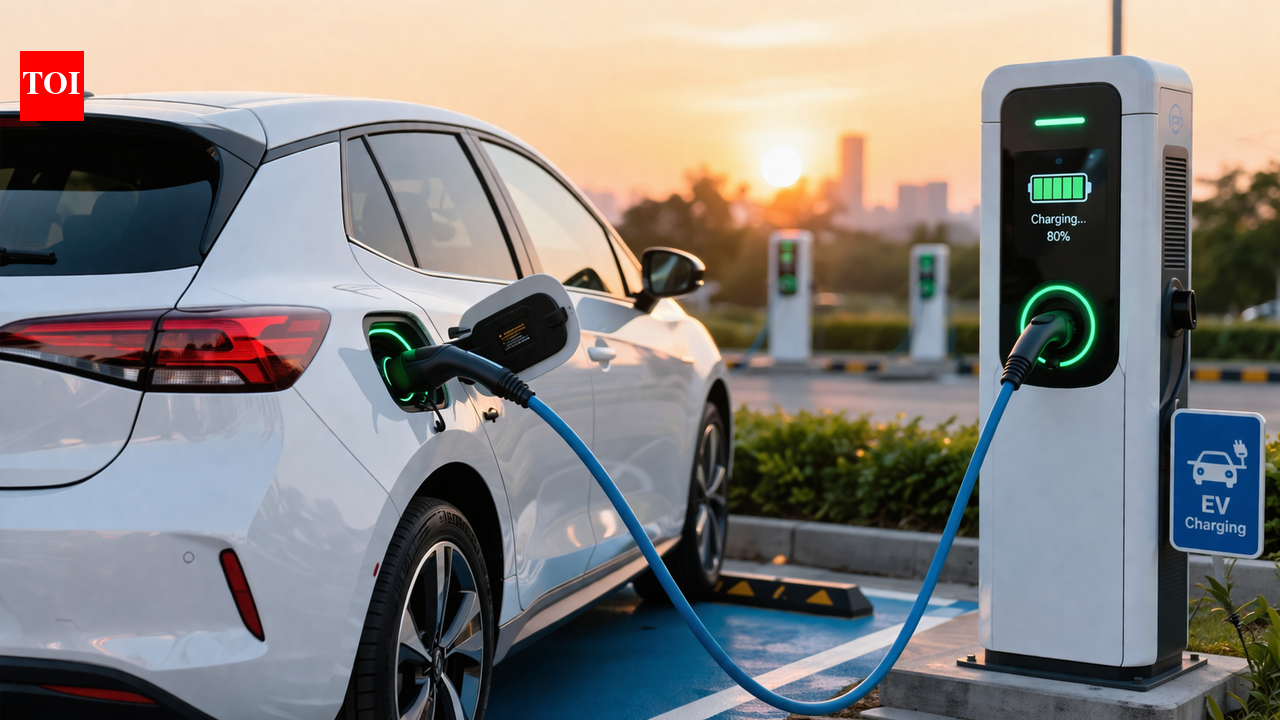
100% road tax waiver for electric cars, new rules for 2, 3 and 4 wheelers – what Delhi govt’s draft EV policy says – The Times of India
-
 Business7 days ago
UK could adopt EU single market rules under new legislation
-

 Entertainment1 week ago
Dua Lipa hits major career high ahead of wedding with Callum Turner
-

 Sports1 week ago
Lamar Jackson hits back at critics with faithful message on social media
-

 Entertainment5 days ago
Is Claude down? Here’s why users are seeing errors