

Politics
Trump says Israel ‘beyond very close’ on Gaza peace deal

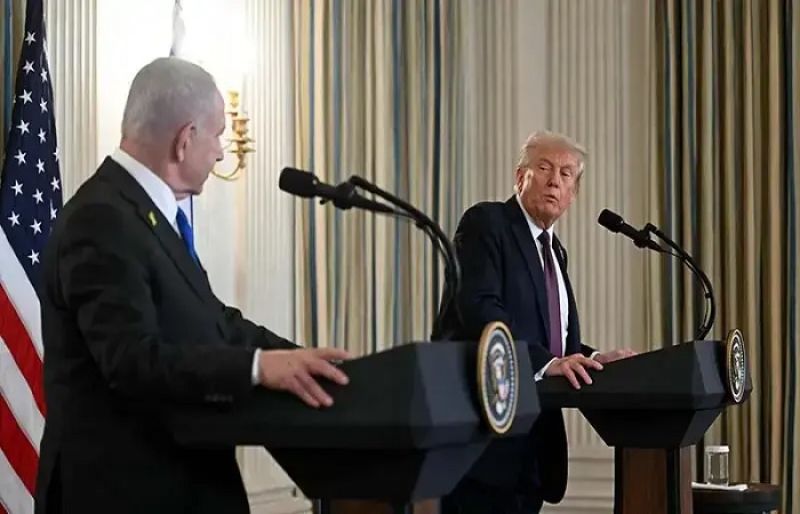

Addressing a press conference, Trump said this was a “big, big day”.
“Things that have been going on for hundreds of years, thousands of years … at minimum, we are very, very close and beyond very close,” Trump said, thanking Netanyahu for his role in the peace process. “We worked well together, and have with many other countries, which is how this situation gets solved.”
Trump said that he was aiming for peace in the Middle East at large, not just the Gaza Strip. He added that he and Netanyahu discussed issues like Iran, the Abraham Accords and ending the Gaza conflict.
“This is part of the bigger picture, which is peace in the Middle East … let’s call it ‘eternal’ peace in the Middle East,” he said.
“After extensive consultation with our friends and partners throughout the region, I am formally releasing our principles for peace,” Trump announced, adding that people “have really liked” them.
“These are done with total consideration and working with the nations we are talking about,” he added. “I want to thank the leaders of many Arab and Muslim nations for their tremendous support in developing the proposal, as well as our allies in Europe.
“The prime minister and the field marshal of Pakistan they were with us right from the beginning. In fact they just put out a statement that they fully believe in this pact,” Trump stated. “They back this 100 per cent.”
The US president also thanked Netanyahu for agreeing to the plan and for “trusting that if we work together, we can bring an end to the death and destruction” in the region.
“If accepted by Hamas, this proposal calls for the release of all remaining hostages immediately, but in no case, more than 72 hours,” Trump said. “The hostages are coming back.”
Trump said this means “an immediate end to the war itself”.
“Under the plan, Arab and Muslim countries have committed … to demilitarise Gaza quickly, decommission the military capabilities of Hamas and all other terror organisations and we are relying on the countries we named and others to deal with Hamas and I’m hearing Hamas wants to get this done too.”
Trump added that as part of the agreement, “terror infrastructure”, including tunnels and weapon production facilities, would be dismantled and local police forces would be trained in the Gaza Strip.
“Working with the new transitional authority in Gaza, all parties will agree on a timeline for Israeli forces to withdraw in phases … no more shooting hopefully,” Trump stated.
“Arab and Muslim nations need to be allowed a chance of fulfilling these commitments of dealing with Hamas. They are the one group I have not dealt with,” he added. “If Hamas rejects the deal, which is always possible … I have a feeling that we’re going to have a positive answer, but if not, as you know Bibi (Netanyahu) you have my full backing to do what you have to do.
The US president emphasised that ultimately, the goal is to eliminate any danger in the reason, which he attributed to Hamas.
“To ensure the success of this effort, my plan calls for the creation of a new international oversight body,” he said, calling it the ‘Board of Peace’ and stating that it would be led by Arab leaders, Israel and Trump himself.
“We’re going to do it right, we’re going to put leaders from other countries on and leaders who are very distinguished,” Trump said. “One of the people who wants to be on the Board is the UK former prime minister Tony Blair.”
Trump said there would be more leaders and that their names would be announced in the coming days.
He added that the World Bank would be charged with training and recruiting a new government made up of Palestinians and “highly qualified experts from around the world”.
“Hamas and other terror organisations will play no role in the governance of Gaza, at all,” he stated.
Earlier, Netanyahu expressed regret for an Israeli attack in Doha to Qatar’s leader in a three-way call with Trump, the White House said.
It added that Netanyahu also expressed regret for Israel violating Qatari sovereignty and “affirmed that Israel will not conduct such an attack again in the future“.
“The leaders discussed a proposal for ending the war in Gaza, prospects for a more secure Middle East, and the need for greater understanding between their countries,” the White House said before a news conference with Trump and the Israeli prime minister.
Ahead of formal consultations, Trump had told his guests: “We have to get the hostages back … This is the group that can do it, more than any other group in the world … so it’s an honour to be with you.”
Trump had also emphasised the urgency of ending the conflict: “We had 32 meetings here, this is the one that’s very important because we’re gonna end something that should’ve probably never started.”
According to reports from Israel’s Channel 12 and US-based Axios, President Trump’s plan envisions an immediate ceasefire and the release of hostages, both alive and deceased; phased Israeli withdrawal from Gaza Governance excluding Hamas but incorporating the Palestinian Authority; deployment of Arab and Muslim peacekeepers to secure Gaza and facilitate Israel’s withdrawal; and internationally supported reconstruction and transition programmes funded by regional contributors.
These details were reportedly shared with Israeli Prime Minister Benjamin Netanyahu, though Israel did not draft the plan.
Meanwhile, White House Press Secretary Karoline Leavitt said in a TV interview that Israel and the Palestinian group Hamas are “very close” to reaching an agreement on a framework deal to end Israel’s bombardment in Gaza and ensure lasting peace in the Middle East.
Leavitt, speaking on Fox News’ ‘Fox and Friends’ programme, said Trump would discuss a 21-point peace plan with Netanyahu at the White House later today.
“Trump will speak to leaders in Qatar, who have served as intermediaries with Hamas,” she said.
“To reach a reasonable deal for both sides, both sides have to give up a little bit and might leave the table a little bit unhappy, but that is ultimately how we are going to end this conflict,” Leavitt added.
PM Shehbaz welcomes Gaza plan
Prime Minister Shehbaz Sharif welcomed US President Donald Trump’s plan to bring the Israeli invasion of Gaza to an end.
His statement came in a post on X as the US president greeted Israeli Prime Minister Benjamin Netanyahu at the White House for talks on the US-led peace plan. Before the meeting, Trump had told reporters he was “very confident” that there would be peace in Gaza.
Asked if all parties were on board with his 21-point plan, he repeated, “very confident”.
Meanwhile, PM Shehbaz posted on X: “I welcome President Trump’s 20-point [sic] plan to ensure an end to the war in Gaza.
“I am also convinced that durable peace between the Palestinian people and Israel would be essential in bringing political stability and economic growth to the region,” the PM wrote.
He added, “It is also my firm belief that President Trump is fully prepared to assist in whatever way necessary to make this extremely important and urgent understanding to become a reality.”
PM Shehbaz also lauded “Trump’s leadership and [his] special envoy Steve Witkoff for their efforts in bringing an end to the nearly two-year-long conflict”.
“I also strongly believe that the implementation of the two-state proposal is essential to ensure lasting peace in the region,” he added.
Earlier in the day, he also spoke to Pakistani journalists in London, where he spoke about Trump’s meeting with Muslims leaders on Gaza in New York last week.
The meeting on the sidelines of the 80th United Nations General Assembly had brought together leaders from Pakistan, Saudi Arabia, Qatar, the United Arab Emirates, Egypt, Jordan, Turkiye, and Indonesia.
During his interaction with journalists in London today, PM Shehbaz “a very constructive discussion took place” at the meeting. He added, “As a result of that meeting, very soon, a positive result may come that in the Gaza war, there may be a ceasefire.”
In less than two years, Israel’s onslaught on Gaza has killed at least 65,549 people and wounded 167,518, besides displacing millions from their areas. Earlier this month, UN investigators said that Israel was committing genocide in Gaza in a bid to “destroy the Palestinians”, accusing Israel’s prime minister and other top officials of incitement.
Politics
Indian diplomat in Ottawa offered $50000 to hitman to kill Khalistan Referendum organiser: SFJ
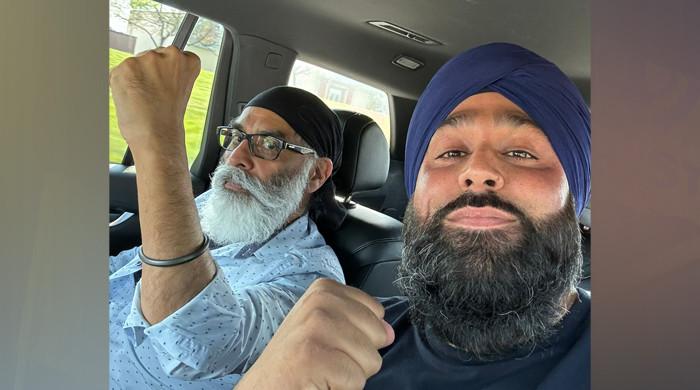
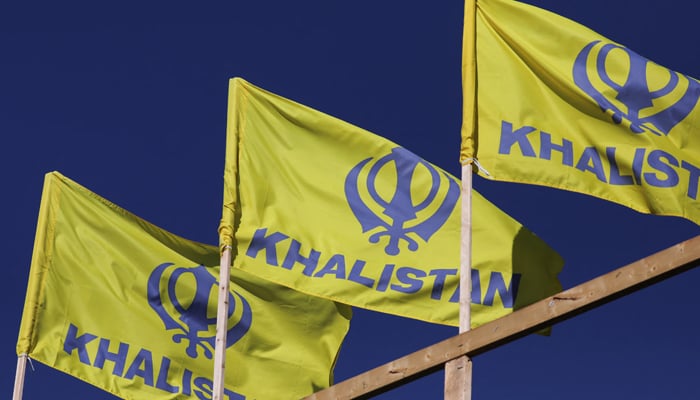
OTTAWA/WASHINGTON: Sikhs For Justice (SFJ), a US-based pro-Khalistan advocacy group, has alleged that a serving Indian diplomat in Ottawa attempted to arrange the killing of Inderjeet Singh Gosal, describing it as a “contract-to-kill” plot involving $50,000 in cash offered to a purported hitman.
SFJ said Canadian security and intelligence agencies were aware of the alleged plot and that the Royal Canadian Mounted Police (RCMP) had recently offered Gosal protective measures due to what the group described as an imminent threat.
Gosal has previously been identified in Canadian media as an organiser in the Sikh separatist campaign for an independence referendum for Punjab, and has said he received a police “duty-to-warn” notice related to threats he believes originated from India — an allegation India has repeatedly rejected in broader disputes.
SFJ General Counsel Gurpatwant Singh Pannun said the group was making the allegations public to prevent another killing of a Sikh activist in Canada, referencing the June 2023 assassination of Hardeep Singh Nijjar in Surrey, British Columbia — an event that triggered a major diplomatic rupture between Canada and India.
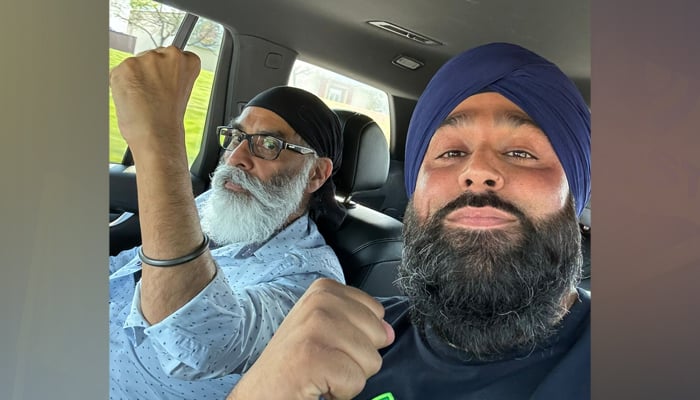
In its statement, SFJ also called for supporters to closely monitor the movements of India’s High Commissioner in Canada, Dinesh K Patnaik. Public safety experts generally discourage citizens from taking such actions and instead urge anyone with credible threat information to report it directly to police. Patnaik is listed by India as its High Commissioner to Canada.
The allegations surface amid a sensitive period in Canada-India relations. In October 2024, Canada expelled multiple Indian diplomats, linking them to an RCMP investigation into violent criminal activity connected to the Nijjar case — an accusation India called “preposterous.”
Recently, Gosal has been offered “Witness Protection” by the RCMP owing to an imminent threat to his life.
According to Pannun, multiple Canadian security channels — including the RCMP, which has recently offered witness protection to Gosal — have already received and assessed intelligence regarding the Contract-To-Kill plot against Gosal.
This information was communicated to the highest levels of the Canadian government, including: Prime Minister Mark Carney’s Office; Foreign Minister Anita Anand’s Office; and Minister of Public Safety’s Office.
Pannun stated: “Gosal’s Contract-To-Kill plot is the direct outcome of Prime Minister Carney opening trade talks with Modi without demanding accountability. Canadian sovereignty has collapsed to the point where Indian diplomats feel free to orchestrate killings.”
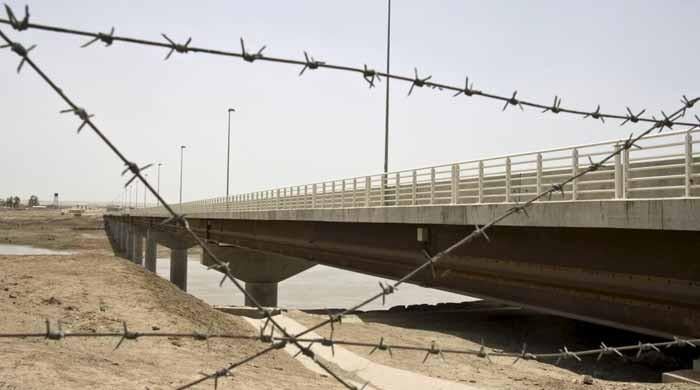
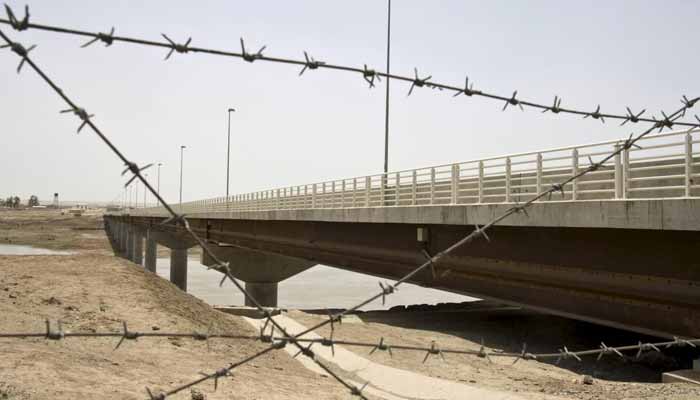
Afghanistan’s Taliban administration has said that it assured neighbouring Tajikistan it is ready to tighten border security and conduct joint investigations, after attacks, which Dushanbe said were launched from Afghan territory killed five Chinese nationals over the past week.
In a call with his Tajik counterpart on Tuesday, Afghan Foreign Minister Amir Khan Muttaqi expressed regret and said Kabul is prepared to boost coordination between border forces, adding that “joint measures against malicious elements are a pressing necessity”.
“The Islamic Emirate is fully prepared to strengthen border security, conduct joint investigations, and engage in any form of coordination,” Muttaqi said, according to a statement from the Afghan foreign ministry.
He added that “an atmosphere of trust” had recently developed between the two countries and should not be undermined.
Tajik authorities said on Monday the two attacks, including one involving drones dropping grenades, had also injured five Chinese workers. China’s embassy confirmed the casualties and urged Chinese citizens to leave the frontier area.
Tajik President Emomali Rahmon ordered tighter border controls following the incidents, which occurred along the remote mountainous frontier.
China is a major investor in Tajikistan, a Russia-aligned Central Asian state of around 11 million people.
- President Putin visiting India after four years.
- India-Russia to expand partnership in nuclear energy.
- Moscow likely to seek help to get spares for its oil assets.
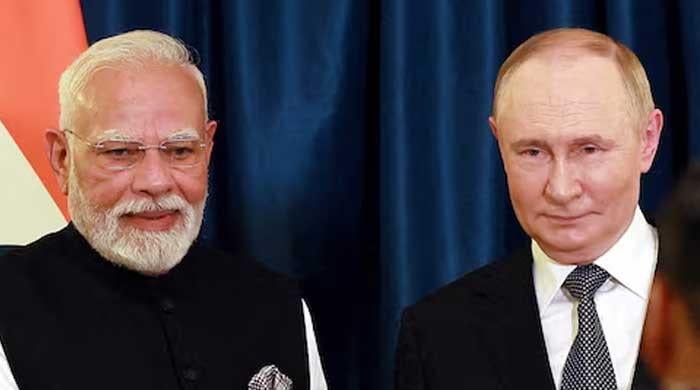
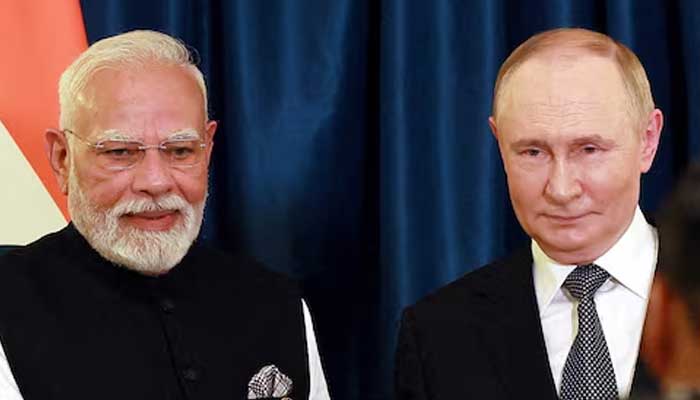
NEW DELHI: Russian President Vladimir Putin starts a two-day visit to India from Thursday, pitching for more sales of Russian oil, missile systems and fighter jets in a bid to restore energy and defence ties hit by US pressure on the South Asian nation.
Russia has supplied arms to India for decades, with New Delhi emerging as its top buyer of seaborne oil despite Western sanctions after Moscow launched its invasion of Ukraine in February 2022.
But India’s crude imports are set to hit a three-year low this month, after the tightening of sanctions on Russia that coincide with its growing purchases of US oil and gas.
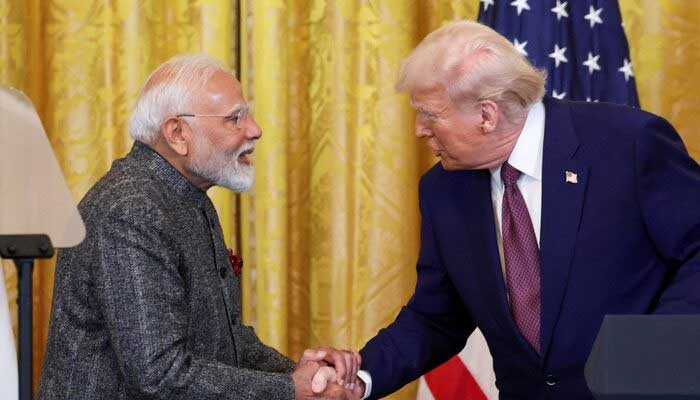
On his first visit in four years to the Indian capital for a summit with Prime Minister Narendra Modi, Putin will be accompanied by his defence minister, Andrei Belousov, and a wide-ranging delegation from business and industry.
“Putin’s visit offers an opportunity for Delhi to reassert the strength of its special relationship with Moscow, despite recent developments, and make headway in new arms deals,” said Michael Kugelman of the Atlantic Council think tank.
“India-Russia summits are never solely optics-driven affairs, given the substance of the relationship,” added Kugelman, a senior South Asia fellow at the Washington-based body.
New initiatives were likely to be announced, he added, even if they mostly related to low-hanging fruit in ties, he said.
Possible US reaction
But Indian officials worry that any fresh energy and defence deals with Russia could trigger a reaction from US President Donald Trump, who doubled tariffs to 50% in August on Indian goods, as punishment for New Delhi’s purchases of Russian crude.
Ahead of Putin’s visit, officials of both sides held talks in areas from defence to shipping and agriculture. In August, they agreed to launch talks for a free trade deal between India and the Russian-led Eurasian Economic Union.
They are also in talks to expand their partnership in civilian nuclear energy, Indian analysts have said.
Putin’s delegation includes the chief executives of dominant Russian lender Sberbank and state arms exporter Rosoboronexport, as well as the heads of sanctioned oil firms Rosneft and GazpromNeft an industry source with direct knowledge of the matter said.
In the talks, Moscow is likely to seek India’s help to get spares and technical equipment for its oil assets, as sanctions have choked access to key suppliers, said the industry source and a separate Indian government source.
The spoke on condition of anonymity as the matter is a sensitive one.
India is likely to pitch for the restoration of a stake of 20% for state gas explorer ONGC Videsh Ltd in the Sakhalin-1 project in Russia’s far east, the government source added.
India a US trade deal by year end, as most of its refiners have stopped buying Russian oil, though widening discounts are now drawing in some state refiners.
Indian Oil Corp has placed orders from non-sanctioned Russian entities for December and January loading while Bharat Petroleum Corp is in advanced stages of placing an order, sources at the two companies said.
The sources sought anonymity as they were not authorised to speak to media.
Reliance in defence sector
Unlike crude, India does not plan to freeze defence ties with Moscow anytime soon as it requires continued support for the many Russian systems it operates, Defence Secretary Rajesh Kumar Singh said last week.
Russian Sukhoi-30 jets make up the majority of India’s 29 fighter squadrons and Moscow has also offered its most advanced fighter, the Su-57, which is likely to figure in this week’s talks, said two Indian officials familiar with the matter.
India has not yet made a decision on buying the jet, said the officials, who spoke on condition of anonymity.
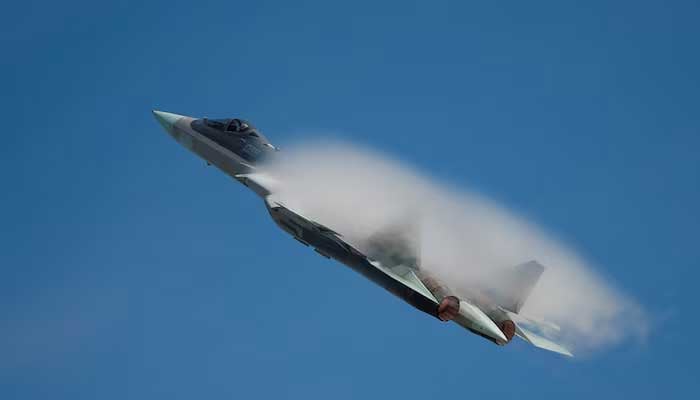
But India is likely to discuss buying more units of the S-400 air defence system, Singh said last week. It now has three units, with delivery of two more pending under a 2018 deal.
Recent US-Russia talks to ending the Ukraine war, could help make it easier for Indian officials to engage with Moscow, said Harsh Pant, head of foreign policy studies at India’s Observer Research Foundation think tank.
But ties continue to appear strained, he said.
“A large part of the trading relationship was based on energy, which is now losing traction under the threat of sanctions from the United States,” he added.
“And at the end of the day, only defence remains, which continues to bind the two together.”


Clase, Ortiz face May trial in pitch-rigging scandal

Last Chance to Save: These Cyber Week Deals Are Still Going Strong Right Now

Barcelona confirm Bonmatí out for five months after surgery

-

 Sports1 week ago
WATCH: Ronaldo scores spectacular bicycle kick
-

 Entertainment1 week ago
Welcome to Derry’ episode 5 delivers shocking twist
-
 Politics1 week ago
Washington and Kyiv Stress Any Peace Deal Must Fully Respect Ukraine’s Sovereignty
-
 Business1 week ago
Key economic data and trends that will shape Rachel Reeves’ Budget
-

 Tech2 days ago
Get Your Steps In From Your Home Office With This Walking Pad—On Sale This Week
-
 Politics1 week ago
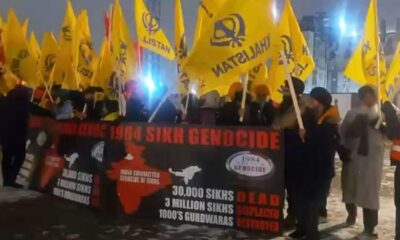
53,000 Sikhs vote in Ottawa Khalistan Referendum amid Carney-Modi trade talks scrutiny
-

 Tech1 week ago
Wake Up—the Best Black Friday Mattress Sales Are Here
-

 Entertainment2 days ago
Sadie Sink talks about the future of Max in ‘Stranger Things’