

Fashion
AAFA concerned over proposals to reconfigure 902-928 MHz band in US

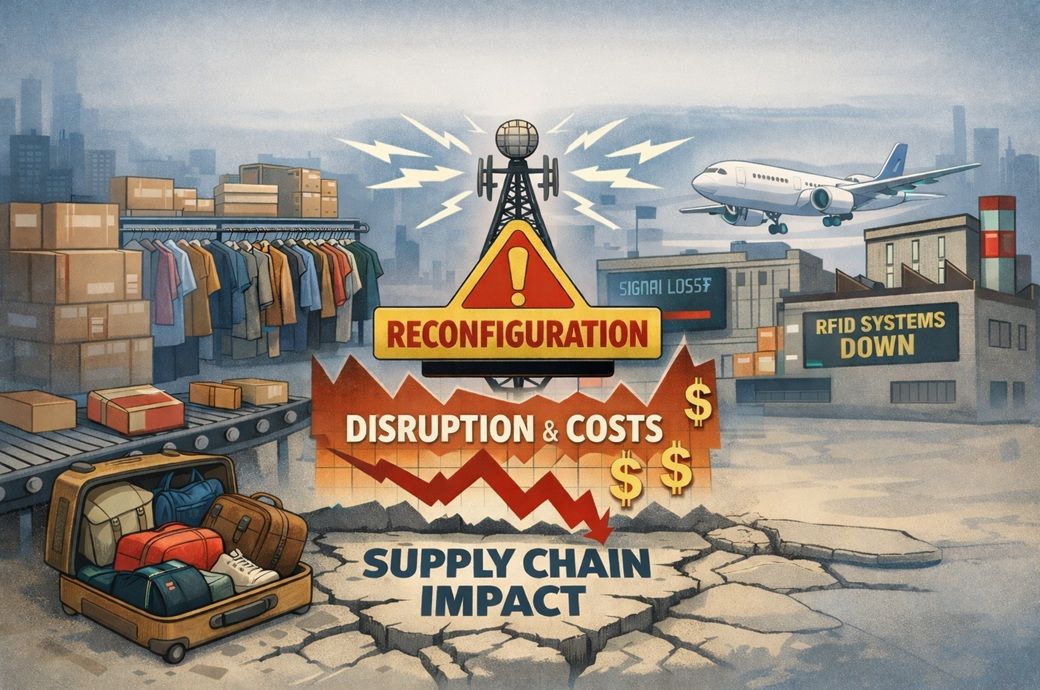
In a letter to Secretary of Commerce Howard W. Lutnick, AAFA president and chief executive officer Steve Lamar wrote that these industries depend on RFID technology in the lower 900 MHz band for inventory tracking, logistics coordination, theft prevention, checkout and emerging retail technologies.
US trade body AAFA is concerned over proposals to reconfigure the 902-928 MHz (lower 900 MHz) band as that would create significant operational disruption and costs for apparel, footwear and travel goods companies.
These industries depend on RFID technology in the lower 900 MHz band for inventory tracking, logistics coordination, theft prevention, checkout and emerging retail technologies.
Resulting interference could degrade performance, disrupt supply chain systems and require costly equipment upgrades or replacements. These disruptions would delay products reaching markets and reduce revenue, the letter noted.
The band’s availability under Federal Communications Commission (FCC) Part 15 has enabled innovation across industries, and reconfiguration would undermine this, Lamar said.
AAFA joined a broad coalition of industry stakeholders1 in response to NextNav’s petition to the FCC to reconfigure the lower 900 MHz, underscoring shared concerns that changes to this band would disrupt critical operations, increase costs and harm supply chains across multiple sectors.
For apparel, footwear, and travel goods companies already operating on tight margins, these added costs would directly affect their ability to offer affordable products, the letter said.
To maintain US leadership in innovation and ensure competitive, resilient supply chains, AAFA urged consideration of these impacts and recommended pursuing positioning, navigation and timing (PNT) objectives in alternative spectrum bands.
Fibre2Fashion News Desk (DS)












Fast fashion faces a dual squeeze from longer transit times and rising input costs, weakening both speed and affordability.
Supply chain bottlenecks are creating a mismatch: inventory is piling up at origin while destination markets remain understocked.
Shipping delays are eroding seasonal relevance, which may force retailers to discount higher-margin products that miss peak selling windows.
Source link
Woven garment exports witnessed limited decline compared to knitted garment exports. Knitwear exports (Chapter **) declined by *.** per cent to $**.*** billion, compared with $**.*** billion in the same period of fiscal ****–**. Woven apparel exports (Chapter **) eased *.** per cent to $**.*** billion, down from $**.*** billion during July-March ****, EPB data showed.
Home textile exports (Chapter **, excluding ******) showed a marginal decline, decreasing by *.** per cent to $***.** million from $***.** million in the same period of the previous fiscal. Taken together, exports of woven and knitted apparel, clothing accessories, and home textiles accounted for **.** per cent of Bangladesh’s total exports, which stood at $**.*** billion during this period.


Transfer rumors, news: Arsenal look to raise £100m from double exit

OpenAI halts UK data centre project over energy costs and red tape

Spring/Summer stockpile: Discounts loom amid war delays

-
 Business1 week ago
Jaguar Land Rover sees sales recover after cyber attack
-
Uncategorized1 week ago
[CinePlex360] Please moderate: “Trump signals p
-

 Entertainment7 days ago
Joe Jonas shares candid glimpse into parenthood with Sophie Turner
-

 Tech7 days ago
Our Favorite iPad Is $50 Off
-

 Sports6 days ago
UConn Final Four run could trigger a $50M furniture giveaway for Massachusetts-based Jordan’s Furniture
-

 Entertainment7 days ago
Blake Lively reacts to harassment claims dismissal against Justin Baldoni
-
 Business7 days ago
Video: Why Is the Labor Market Stuck?
-

 Politics7 days ago
Iran can sustain Strait of Hormuz closure for years, will cut US military logistics: Official