

Fashion
ADB approves $100 mn to boost Sri Lanka’s sustainable growth

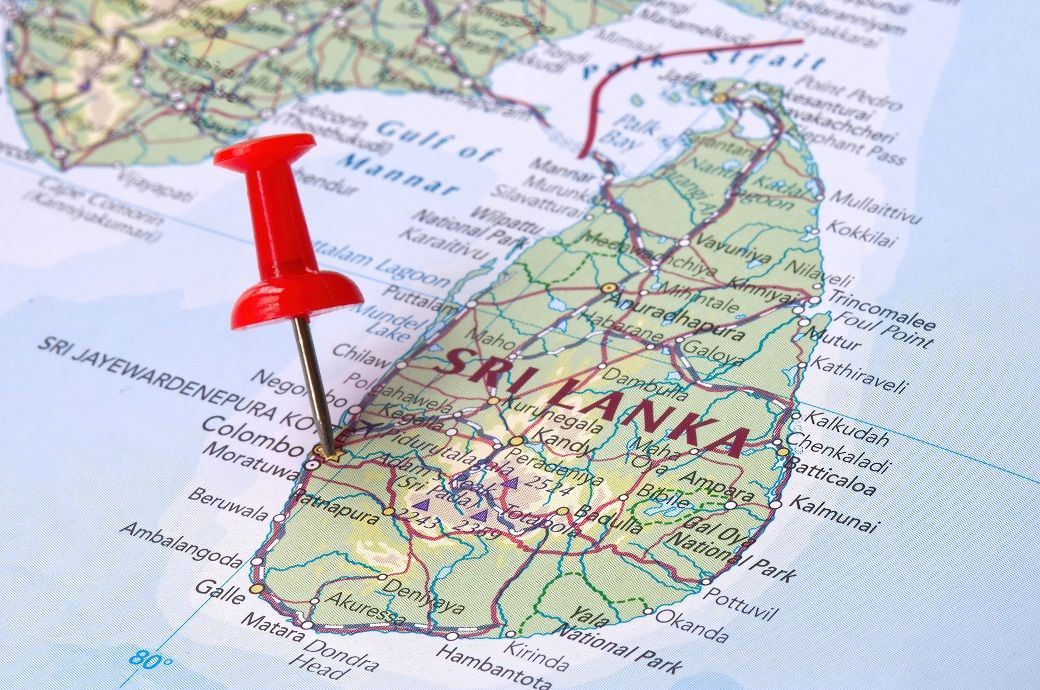
“Sri Lanka has made commendable progress in restoring fiscal and debt sustainability following an unprecedented economic crisis,” said ADB country director for Sri Lanka Takafumi Kadono. “We will work closely with the government to restore macroeconomic stability and promote inclusive, sustainable growth by strengthening Sri Lanka’s fiscal governance and build a more efficient, accountable, and resilient public sector. This programme also aims to improve the credibility and execution of public expenditure, enhance domestic revenue mobilisation, and foster a more predictable and transparent investment climate.”
Asian Development Bank approved a $100 million package to support Sri Lanka’s post-crisis recovery by strengthening fiscal governance, improving revenue mobilisation, and promoting private sector participation.
The programme will enhance public expenditure efficiency, develop a PPP framework, deepen tax compliance, and mobilise climate finance.
This programme will help improve efficiency and transparency in public expenditure management through a comprehensive approach that streamlines budgetary processes and optimises resource allocation to ensure the effective utilization of public funds, the ADB said in a press release.
In addition, it will enhance revenue mobilisation by strengthening revenue generation through stronger domestic and international tax compliance such as the development and implementation of a multiyear tax compliance improvement strategy and by further deepening international tax cooperation following Sri Lanka’s recent membership to the Global Forum on Transparency and Exchange of Information for Tax Purposes.
The programme will support the government’s efforts to improve the enabling environment for private sector participation, including developing a legal framework for public–private partnerships (PPP) that is aligned with international best practices and mobilising additional climate finance and private investment. It will also focus on strengthening the management, transparency, and accountability of state-owned enterprises (SOE).
Several first-time initiatives in Sri Lanka will be supported. In addition to the draft PPP law, this includes a comprehensive Fiscal Risk Statement and a climate finance strategy that aims to crowd in other sources of finance to support Sri Lanka’s climate ambition and resilience. It also addresses gender gaps through Sustainable Development Goals budget tagging, a new gender sensitive Nationally Determined Contribution, and public procurement reforms to enhance its development impact and inclusivity. These innovations, together with newly established institutional mechanisms—such as the SOE credit risk framework and specialised monitoring units—lay the foundation for sustained impact.
ADB is a leading multilateral development bank supporting inclusive, resilient, and sustainable growth across Asia and the Pacific. Working with its members and partners to solve complex challenges together, ADB harnesses innovative financial tools and strategic partnerships to transform lives, build quality infrastructure, and safeguard our planet. Founded in 1966, ADB is owned by 69 members—50 from the region.
Fibre2Fashion News Desk (RR)







Current account excluding gold and energy indicated net deficit of $3.9 billion, while goods saw a deficit of $9.5 billion.
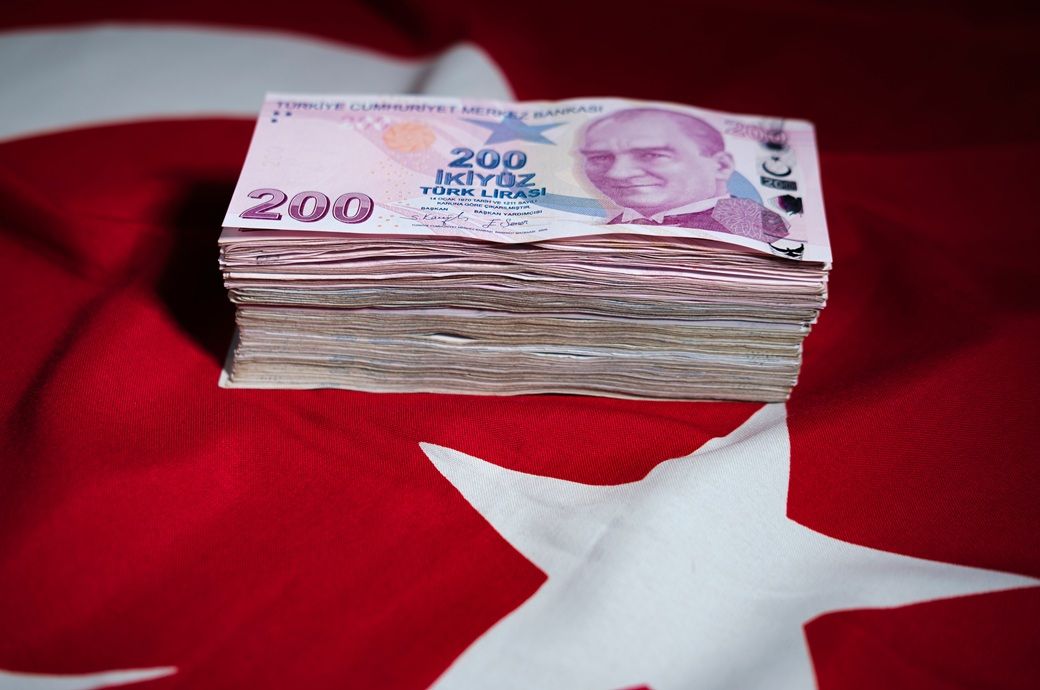
Turkiye recorded a current account deficit (CAD) of $9.6 billion in March, the country’s central bank said.
Treasury and Finance Minister Mehmet Simsek said the CAD is expected to widen this year, due to high energy and non-energy commodity prices.
Simsek said the deterioration is likely to remain temporary and manageable, thanks to stronger macroeconomic fundamentals and policy gains.
According to annualised data, current account deficit recorded as $39.7 billion (2.6 per cent of gross domestic product) in March, while the goods deficit recorded as $77.8 billion.
Simsek said the deterioration is likely to remain temporary and manageable thanks to stronger macroeconomic fundamentals and policy gains, domestic media outlets reported.
Turkiye is heavily reliant on imported energy, whose prices spiralled due to the Middle East conflict.
Simsek said elevated global commodity prices would put pressure on the external balance, but emphasised that the government’s economic programme had improved resilience against such shocks.
He said foreign direct investment (FDI) inflows totalled $1 billion in March, bringing annualised foreign direct investment to $12.6 billion.
The new investment incentive package under discussion in parliament now is expected to strengthen the country’s financing structure and support long-term capital inflows, he added.
Fibre2Fashion News Desk (DS)

During the first quarter of ****, the UK’s imports of textile fabrics eased down *.** to £*,*** million (~$*,*** million), against £*,*** million in January-March **** but slightly higher from £*,*** million in the fourth quarter of ****. Its imports of fibre were noted at £** million (~$***.** million) steady as £** million in Q*, **** but slightly lower than £** million in Q*, ****.
During the third month of this year, the country’s clothing imports declined *.** per cent to £*.*** billion (~$*.*** billion), compared with £*.*** billion in March ****. But the inbound shipment was slightly higher month on month compared with £*.*** billion in February ****.
Higher rents, utility bills and fuel prices are eating away at already thin profit margins, it found.
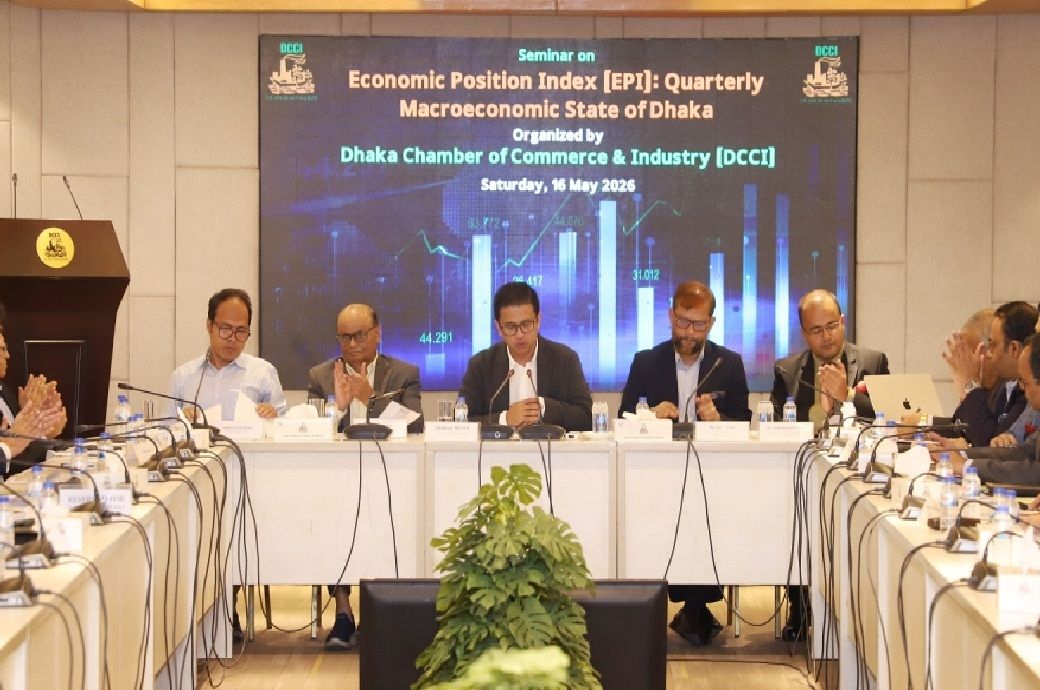
High inflation is cutting deep into Bangladesh consumer spending, with weak demand turning one of the biggest concerns for businesses, DCCI said.
Higher rents, utility bills and fuel prices are eating away at already thin profit margins.
DCCI’s economic position index revealed that consumers have sharply reduced spending as the cost of living continues to rise.
SMEs are feeling the pressure the most.
The chamber’s economic position index (EPI) revealed that consumers have sharply reduced spending as the cost of living continues to rise, putting pressure on retailers, transport operators and other service providers.
Small and medium enterprises (SMEs) are feeling the pressure the most as they struggle to manage higher operating costs without losing customers.
Businesses also cited difficulties in obtaining bank loans, while delays in licensing and other regulatory procedures are adding to costs.
The DCCI report identified a shortage of skilled workers, particularly in technical and customer service roles, as another challenge for the sector.
The country’s inflation rose to 9.04 per cent in April from 8.71 per cent in March, according to official statistics.
Fibre2Fashion News Desk (DS)


CDC says American tests positive for Ebola in Africa, risk in the U.S. remains low
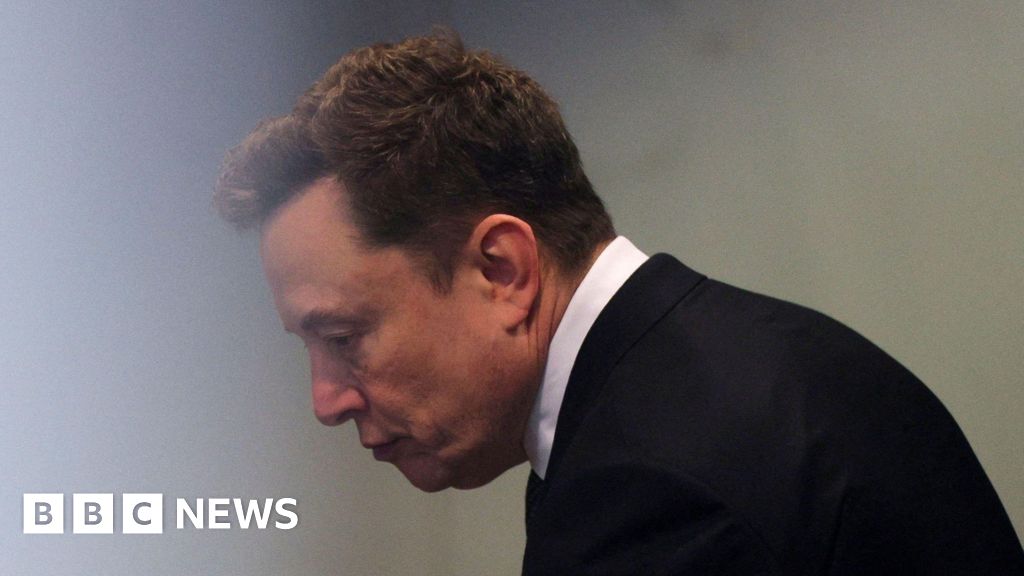
Elon Musk just lost another lawsuit. Will he keep fighting?

India will become history if it attempts any future misadventure, warns defence czar

-

 Entertainment6 days ago
Conan O’Brien hat tricks as Oscar host
-

 Tech1 week ago
Could Contact-Tracing Apps Help With the Hantavirus? Not Really
-

 Fashion5 days ago
Italy’s Zegna Group’s Q1 growth boosted by strong organic performance
-

 Entertainment1 week ago
Martin Short: Facing tragedy with joy
-

 Entertainment1 week ago
Tom Brady gets back at Kevin Hart during Netflix roast
-

 Sports1 week ago
Jacob Fatu unleashes vicious assault on Roman Reigns after World Heavyweight Championship loss at WWE Backlash
-

 Entertainment1 week ago
Martha Stewart: How to make an omelet
-

 Tech1 week ago
CUDA Proves Nvidia Is a Software Company