

Fashion
After France, Italy squares up to Shein


By
AFP
Published
November 7, 2025
After its troubles in France, Shein faces more opposition in Italy, where the e-commerce giant is wooing shoppers in fashion capital Milan- but where the government and industry are mobilising.
“The textile sector is under attack,” Luca Sburlati, head of Italian fashion trade body Confindustria Moda, told AFP. “Hundreds of thousands of packages arrive in our homes every day. We must react.”
Italy is known for its high-end fashion, the home of global brands including Gucci and Prada, and the industry makes up around five percent of gross domestic product (GDP).
But cheap and cheerful clothes are as popular in Italy as the rest of Europe, including bought through Shein’s ultra-competitive platform.
Founded in China and now based in Singapore, Shein last month staged its first Italian catwalk show in Milan. The same week, the government hosted urgent talks on the impact of “ultra-fast fashion”.
Adolfo Urso, the minister for the “Made in Italy” brand, warned of “an “invasion of low-cost foreign products that harm our producers and put consumers at risk.”
The clothes industry is expected to present a new strategic plan for Italian fashion next week.
At the European Union level, the industry wants an end to the exemption from customs duties for packages worth under 150 euros ($173), following a similar charge in the US.
Critics warn of the environmental impact of clothes so cheap they can be worn once and thrown away, while Shein has also come under scrutiny for conditions at its textile factories.
This week, Italy’s government brought into law a European Union directive that seeks to improve transparency in sales, particularly on the environmental impact of products. Shein has already been sanctioned in this area in Italy and France.
The French government has said it was suspending the platform after outrage over its sale of childlike sex dolls. At the same time, nearly 8,000 people queued for the opening of Shein’s first permanent store, located in Paris’s BHV department store.
In style-conscious Milan, the platform is also hugely popular. “In Milan, you can’t go out if you’re not stylish,” Mattia Trebino told AFP at Shein’s fashion show last month.
The 24-year-old, who wore a faux-crocodile skin jacket, said he receives about four Shein packages every month. “These clothes, you can only wear them once or twice at most. But they’re really cheap,” he said.
Shein’s autumn/winter collection was inspired in part by 1980s Milan, featuring three-piece-suits and faux fur coats.
“The idea was to show that everyone can find their style at Shein- and to respond to our critics,” Luca Raveillon, the show’s French artistic director, told AFP. Gesturing to the collections, he said: “Look, it’s beautiful. It’s good quality, it fits perfectly. “We look great in it, and we can express ourselves with what we wear”- while keeping costs low, as “life is getting expensive”.
Alessia Tresoldi, a 27-year-old Italian influencer sat in the front row, shared images of the show with her one million Instagram followers. Shein “looks at what’s happening on the street”, she told AFP, and described the show as “amazing”.
The website offers a 100% polyester ‘fur’ coat from the show in 15 different colours, starting at 28 euros with free shipping. Boosted by such low prices, European consumers buy 60% more clothing than they did in 2000, and keep it for half as long, according to an October report by consultants The European House-Ambrosetti.
The study’s author, Carlo Cici, said the European fashion industry must innovate more to stand out. “Consumers are very interested in sustainability but aren’t willing to pay for it,” he wrote.
Copyright © 2025 AFP. All rights reserved. All information displayed in this section (dispatches, photographs, logos) are protected by intellectual property rights owned by Agence France-Presse. As a consequence you may not copy, reproduce, modify, transmit, publish, display or in any way commercially exploit any of the contents of this section without the prior written consent of Agence France-Presses.








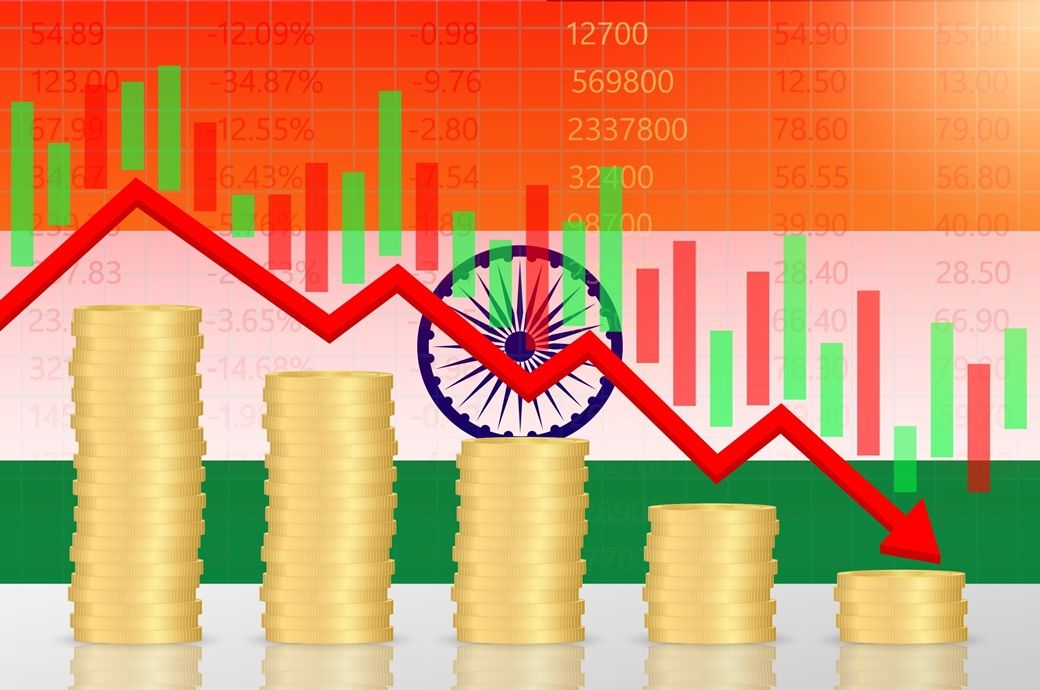
While trends in high frequency indicators for January-February 2026 appear favourable, the heightened uncertainty around the duration of the Middle East conflict casts a shadow on the near-term macroeconomic outlook for India amid high import dependency for items like crude oil, natural gas and fertilisers, it noted.
India’s FY27 GDP growth is likely to slow to 6.5 per cent from the projected 7.5 per cent in FY26 owing to the impact of higher energy prices and concerns around energy availability, ICRA Ratings said.
The heightened uncertainty around the duration of the Iran war casts a shadow on the near-term macroeconomic outlook for India.
If the conflict lasts longer, the adverse effects could widen across sectors.
If the conflict lasts for an extended period, the adverse implications of the same could widen across sectors, amid an uptick in input costs and the consequent impact on profitability of the India corporate sector.
Amid the projected uptrend in the consumer price index-based inflation in FY27 with risks tilted to the upside, ICRA Ratings expects an extended pause on the policy rates by the central bank’s monetary policy committee in the fiscal despite the anticipated softening in the GDP growth. However, it expects the Reserve Bank of India to continue to intervene on the liquidity front during FY27.
The available data for January–February FY2026 indicate a positive trend across most non-agricultural indicators, with the year-on-year performance of 12 out of 18 indicators improving compared to the third quarter of FY26, while the remaining six deteriorated.
Fibre2Fashion News Desk (DS)
Indonesia’s apparel exports rose modestly to $8.705 billion in 2025 from $8.316 billion in 2024, reflecting gradual recovery.
The US remained dominant, accounting for over 56 per cent of shipments, highlighting growing market dependence.
While Japan, South Korea and Europe offered stability, exports stayed concentrated in key products and segments.
Source link

Methanol prices in India have surged nearly 150 per cent from pre-Iran–US tension levels, tracking a sharp rise in crude oil and tightening global energy markets.
Hormuz disruption risks, limited rerouting capacity, rising freight and insurance costs, and constrained imports are fuelling volatility, with prices seen approaching ₹90 per kg.
Source link


Europe pushes back on some US military operations as concerns over Iran war mount

Severe storms, tornadoes to hit US as April begins

Crunch talks between resident doctors and ministers set to continue

-

 Politics1 week ago
Afghanistan announces release of detained US citizen
-

 Sports1 week ago
Broadcast industry CEO says consolidation is ‘essential’ to compete for NFL soaring media rights prices
-

 Tech1 week ago
Can a Home Appliance Fix the Problem of Soft-Plastic Waste?
-

 Entertainment1 week ago
UN warns migratory freshwater fish numbers are spiralling
-
 Business1 week ago
Property Play: Home flippers see smallest profits since the Great Recession, real estate data firm says
-
 Business1 week ago
Gold prices soar in Pakistan – SUCH TV
-

 Fashion1 week ago
ICE cotton slips on weaker crude, profit booking
-
 Business1 week ago
More women are entering wealth management, but few are in advisory roles, study finds