

Fashion
Amazon to pay $2.5 billion to settle legal case over misleading Prime subscriptions


Published
September 27, 2025
Amazon has agreed to make a one-off $2.5 billion payment to settle the U.S. court case in which the online retail giant was accused of deceiving tens of millions of consumers into subscribing to its Prime service.
Under the agreement reached between Amazon and the U.S. consumer protection authority (FTC), the Seattle-based company will pay $1.5 billion to compensate affected subscribers, while a further $1 billion will be paid to the US Treasury as a penalty.
“Today, the FTC (…) has won a monumental and unprecedented victory for the millions of Americans weary of deceptive subscriptions that seem impossible to cancel,” said FTC Commissioner Andrew N. Ferguson in a statement.
“Amazon and our executives have always respected the law, and this agreement allows us to move forward and focus on innovation to serve our customers,” the company said in a statement, which, through this agreement, avoids a conviction or any admission of the allegations.
In 2024, Amazon was the leading fashion retailer in the United States, capturing 16.2% of the U.S. apparel market. A category that, along with high-tech, is among the marketplace’s flagship offerings. In France, Amazon is the third-biggest clothing retailer by volume, across all channels, behind Vinted and Kiabi, according to the new consumer barometer from the Institut Français de la Mode.
“Dark patterns” to fool customers
This case is part of a series of recent lawsuits brought in the U.S. under both Democratic and Republican administrations to curb the unchecked dominance of several major technology companies, such as Google and Apple, after years of governmental leniency. With regard to Prime, the FTC brought this action in 2023, accusing Amazon of knowingly deploying manipulative interfaces, known as “dark patterns”, so that, at the point of purchase, consumers would also subscribe to the Prime service for $139 per year.
This paid subscription offers a number of additional services, including free, fast delivery, discounts in certain supermarkets and access to Amazon’s video platform. The company faced two main allegations: that it gained subscribers without their explicit consent, by making it very difficult to click the right buttons to refuse the subscription, and that it created a deliberately complex cancellation system, internally nicknamed “Iliad”, after Homer’s poem about the long and difficult Trojan War.
Amazon promises change
Amazon was also accused of charging its customers before disclosing the full terms and conditions of the subscription. The case began on Monday with a jury trial in federal court in Seattle, presided over by Judge John Chun. Judge Chun is also overseeing another case brought by the FTC against Amazon, this time alleging an illegal monopoly. This other case will go to trial in 2027.
Under the terms of the agreement reached on Thursday, Amazon has committed to obtaining explicit consent before any subscription or charge, and to simplifying cancellation procedures, under a protocol it must follow for ten years. Amazon has consistently disputed the allegations, saying it has improved its sign-up and cancellation processes. Last week, Judge Chun also found that Amazon had violated an online shopper protection law by collecting billing data from Prime subscribers before explaining the terms of use.
The FTC based its case in part on the ROSCA Act, which came into force in 2010 and prohibits charging for online services that are activated by default, without clearly stating the terms, without obtaining explicit customer consent, and without providing simple cancellation procedures.
(with AFP)
This article is an automatic translation.
Click here to read the original article.
Copyright © 2025 FashionNetwork.com All rights reserved.












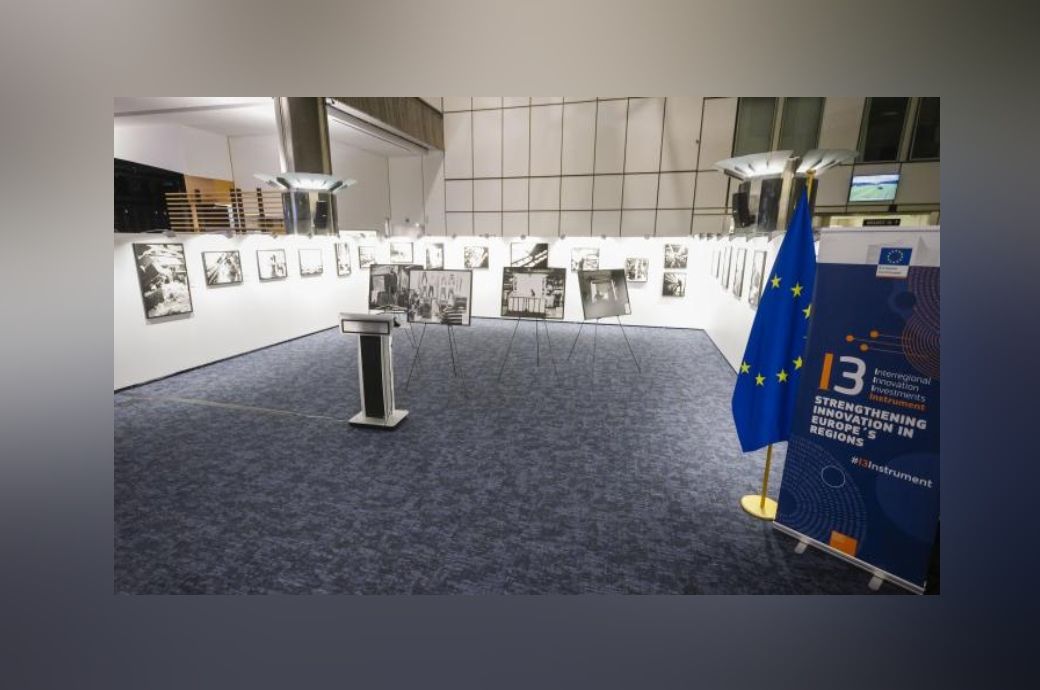
RegioGreenTex was one of the first projects funded under the Interregional Innovation Investments (I3) Instrument programme that focused on process, service and business model innovation, developing advanced textile recycling technologies, regional recycling hubs, and a digital ecosystem for matchmaking and capacity building.
Five regional hubs mapped SME needs and developed services and value chains as well as tools that keep helping SMEs, an official release said.
The RegioGreenTex Digital Tool keeps matchmaking, sharing trainings and hosting the participants’ knowledge base.
The Waste Wizard shows how artificial intelligence-enhanced matchmaking can link leftover textiles with the right reuse or recycling routes.
From recycled-content yarn processes (Tintex) to Recycrom low-impact dyeing (Officina39), ultrasonic quilting for full recyclability (Rovitex) and hybrid recycled-fibre yarns (Hilaturas Mar), the pilots showed concrete, repeatable ways to cut impact without losing performance.
The hubs are now open for collaboration, the digital tools are live and the pilot portfolio is primed for investors and adopters.
Fibre2Fashion News Desk (DS)
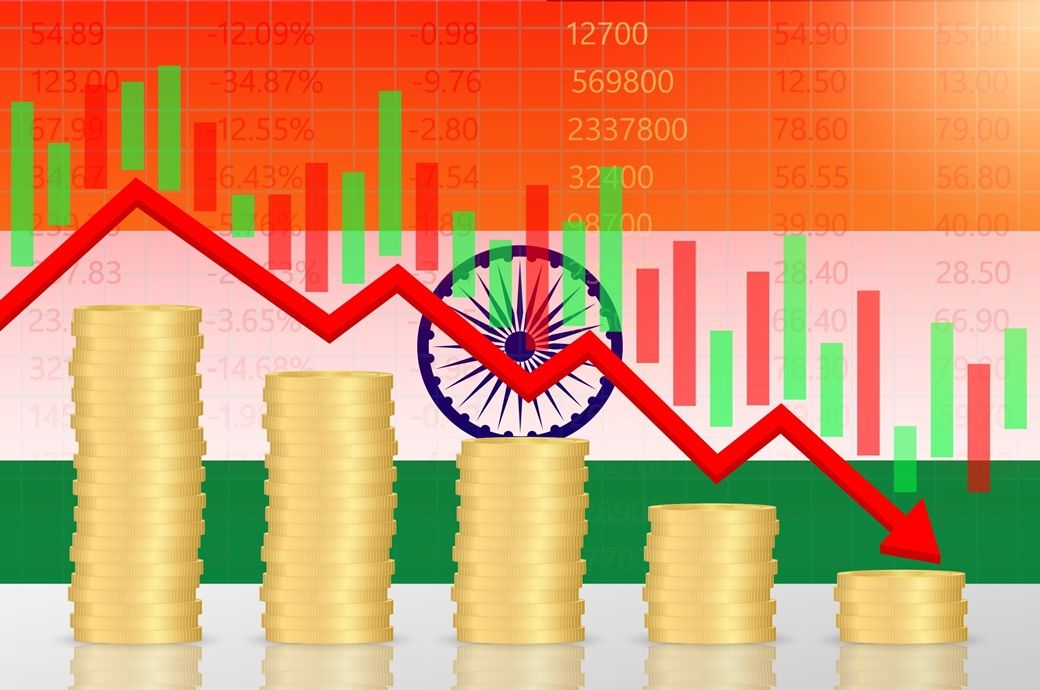
While trends in high frequency indicators for January-February 2026 appear favourable, the heightened uncertainty around the duration of the Middle East conflict casts a shadow on the near-term macroeconomic outlook for India amid high import dependency for items like crude oil, natural gas and fertilisers, it noted.
India’s FY27 GDP growth is likely to slow to 6.5 per cent from the projected 7.5 per cent in FY26 owing to the impact of higher energy prices and concerns around energy availability, ICRA Ratings said.
The heightened uncertainty around the duration of the Iran war casts a shadow on the near-term macroeconomic outlook for India.
If the conflict lasts longer, the adverse effects could widen across sectors.
If the conflict lasts for an extended period, the adverse implications of the same could widen across sectors, amid an uptick in input costs and the consequent impact on profitability of the India corporate sector.
Amid the projected uptrend in the consumer price index-based inflation in FY27 with risks tilted to the upside, ICRA Ratings expects an extended pause on the policy rates by the central bank’s monetary policy committee in the fiscal despite the anticipated softening in the GDP growth. However, it expects the Reserve Bank of India to continue to intervene on the liquidity front during FY27.
The available data for January–February FY2026 indicate a positive trend across most non-agricultural indicators, with the year-on-year performance of 12 out of 18 indicators improving compared to the third quarter of FY26, while the remaining six deteriorated.
Fibre2Fashion News Desk (DS)

Indonesia’s apparel exports rose modestly to $8.705 billion in 2025 from $8.316 billion in 2024, reflecting gradual recovery.
The US remained dominant, accounting for over 56 per cent of shipments, highlighting growing market dependence.
While Japan, South Korea and Europe offered stability, exports stayed concentrated in key products and segments.
Source link

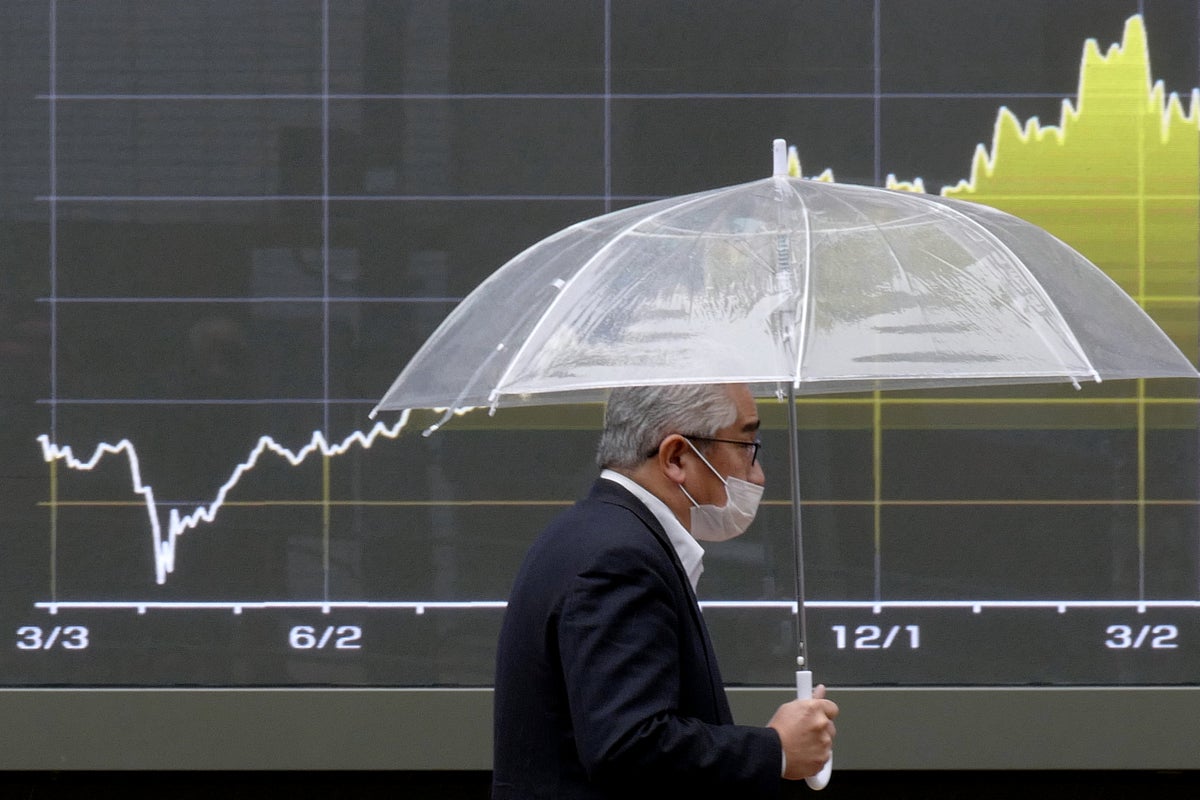
Iran war worries fail to dampen business sentiment in Japan

EU-funded RegioGreenTex pushes 25 SME pilots to commercialisation

Russian military transport plane crashes in Crimea, killing 29

-

 Politics1 week ago
Afghanistan announces release of detained US citizen
-

 Sports1 week ago
Broadcast industry CEO says consolidation is ‘essential’ to compete for NFL soaring media rights prices
-

 Tech1 week ago
Can a Home Appliance Fix the Problem of Soft-Plastic Waste?
-
 Business1 week ago
Property Play: Home flippers see smallest profits since the Great Recession, real estate data firm says
-

 Entertainment1 week ago
UN warns migratory freshwater fish numbers are spiralling
-
 Business1 week ago
Gold prices soar in Pakistan – SUCH TV
-

 Fashion1 week ago
ICE cotton slips on weaker crude, profit booking
-
 Business1 week ago
More women are entering wealth management, but few are in advisory roles, study finds