

Fashion
Antazero taps Kris Van Assche for debut collaboration


Published
September 23, 2025
Antazero, the sustainable sub-brand of Chinese sportswear giant Anta, has announced its first designer collaboration, joining forces with Belgian creative Kris Van Assche.
For the inaugural collaboration, Van Assche—known for his stints at Dior Homme, Berluti, and his eponymous label—applies his couture sensibility to a full wardrobe spanning outerwear, tailoring, knitwear, and footwear, designed to move fluidly “from the running track to the city street.”
Set to launch in November, the lineup highlights recycled nylon quilted puffers reimagined as belted coats and pea coats, double-faced jersey overcoats, and vegan leather parkas cut from mycelium-based alternatives. Knitwear and woven separates use recycled polyester, while Aerovent Zero, China’s first PFAS-free waterproof-breathable membrane, is employed in windbreakers and dresses. Coordinating hoodies and pants in EcoCosy fibers, along with lightweight skirts and boleros, expand the women’s offering—marking Van Assche’s return to womenswear.
Completing the collection are accessories including reinterpretations of Anta sneakers, alongside all-purpose backpacks and hats with alpine cord detailing. A controlled palette of black and limestone is offset with pops of orchid, teal, and frost tones, as well as a seasonal statement print.
“At this point in my career, I aim for projects with a clear positioning, where ambitions are aligned. I was intrigued by the challenge of working with Antazero,” said Van Assche.
“It meant learning new techniques, pushing quality within new constraints, and exploring sustainability at scale. The idea was always to merge my Parisian background with Anta’s sports DNA—to create something fresh, democratic, and beautiful.”
The collection launches with a campaign, shot by Julien Martinez Leclerc and styled by Mauricio Nardi, that contrasts Parisian refinement with Shanghai’s modern energy, Meanwhile, the lookbook by Alessio Bolzoni emphasizes the collection’s chromatic range through overhead shots.
Founded in 1991, Anta has grown into China’s leading sportswear company. Antazero, launched in 2024 as a sustainability platform, represents the brand’s most ambitious commitment yet to lowering its environmental impact.
“This is not merely a collection of products, but an answer to the question: Why does the world need Anta? We will fulfill our commitment to sustainable development through action and respond with greater confidence to the needs of the global market,” added Tsui Yeung, CEO of Anta Brand.
Copyright © 2025 FashionNetwork.com All rights reserved.








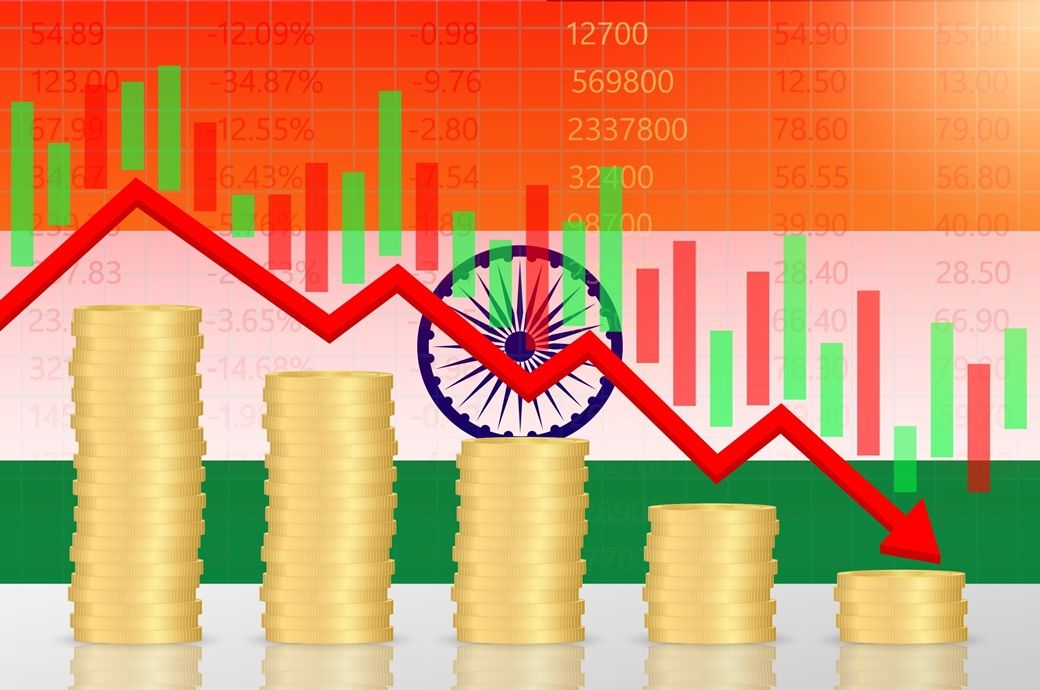
While trends in high frequency indicators for January-February 2026 appear favourable, the heightened uncertainty around the duration of the Middle East conflict casts a shadow on the near-term macroeconomic outlook for India amid high import dependency for items like crude oil, natural gas and fertilisers, it noted.
India’s FY27 GDP growth is likely to slow to 6.5 per cent from the projected 7.5 per cent in FY26 owing to the impact of higher energy prices and concerns around energy availability, ICRA Ratings said.
The heightened uncertainty around the duration of the Iran war casts a shadow on the near-term macroeconomic outlook for India.
If the conflict lasts longer, the adverse effects could widen across sectors.
If the conflict lasts for an extended period, the adverse implications of the same could widen across sectors, amid an uptick in input costs and the consequent impact on profitability of the India corporate sector.
Amid the projected uptrend in the consumer price index-based inflation in FY27 with risks tilted to the upside, ICRA Ratings expects an extended pause on the policy rates by the central bank’s monetary policy committee in the fiscal despite the anticipated softening in the GDP growth. However, it expects the Reserve Bank of India to continue to intervene on the liquidity front during FY27.
The available data for January–February FY2026 indicate a positive trend across most non-agricultural indicators, with the year-on-year performance of 12 out of 18 indicators improving compared to the third quarter of FY26, while the remaining six deteriorated.
Fibre2Fashion News Desk (DS)
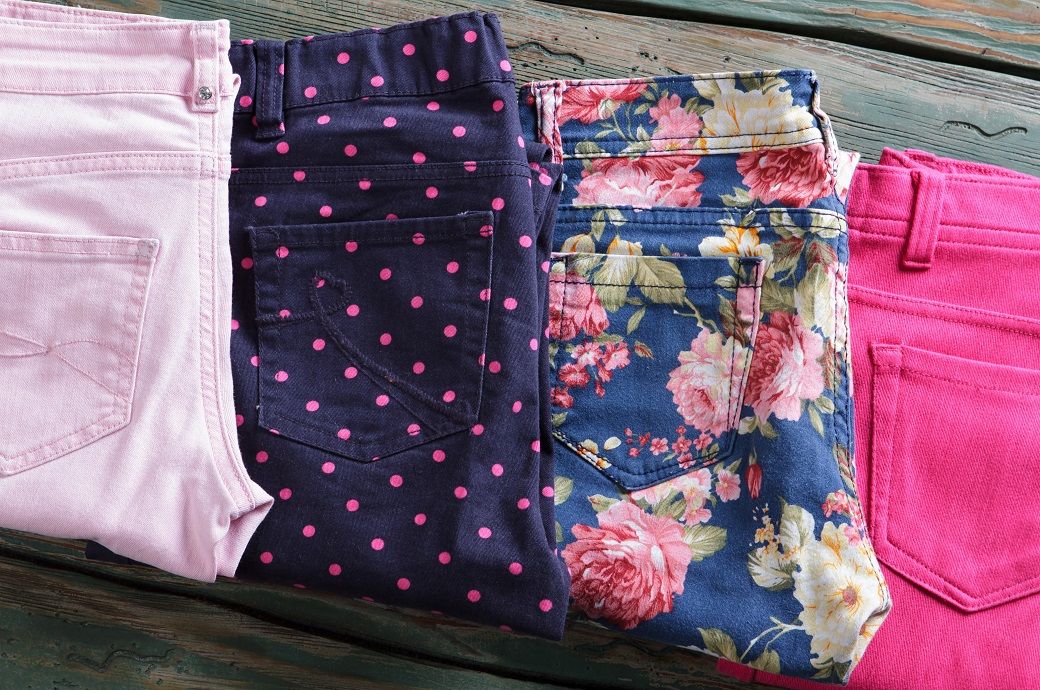
Indonesia’s apparel exports rose modestly to $8.705 billion in 2025 from $8.316 billion in 2024, reflecting gradual recovery.
The US remained dominant, accounting for over 56 per cent of shipments, highlighting growing market dependence.
While Japan, South Korea and Europe offered stability, exports stayed concentrated in key products and segments.
Source link

Methanol prices in India have surged nearly 150 per cent from pre-Iran–US tension levels, tracking a sharp rise in crude oil and tightening global energy markets.
Hormuz disruption risks, limited rerouting capacity, rising freight and insurance costs, and constrained imports are fuelling volatility, with prices seen approaching ₹90 per kg.
Source link


Italy veterans aware 2026 World Cup is their ‘last chance’

Iran air defenses shoot down MQ-9 drone in Isfahan, LUCAS drone over Qeshm Island

Iran oil returns: India set to receive first cargo in 5 years, tanker heads to Gujarat – The Times of India

-

 Politics1 week ago
Afghanistan announces release of detained US citizen
-

 Sports1 week ago
Broadcast industry CEO says consolidation is ‘essential’ to compete for NFL soaring media rights prices
-

 Entertainment1 week ago
UN warns migratory freshwater fish numbers are spiralling
-

 Tech1 week ago
Can a Home Appliance Fix the Problem of Soft-Plastic Waste?
-
 Business1 week ago
Property Play: Home flippers see smallest profits since the Great Recession, real estate data firm says
-
 Business1 week ago
Gold prices soar in Pakistan – SUCH TV
-

 Fashion1 week ago
ICE cotton slips on weaker crude, profit booking
-
 Business1 week ago
More women are entering wealth management, but few are in advisory roles, study finds