

Fashion
Apparel sales of Brazil’s Lojas Renner up by 4.7% in Q3

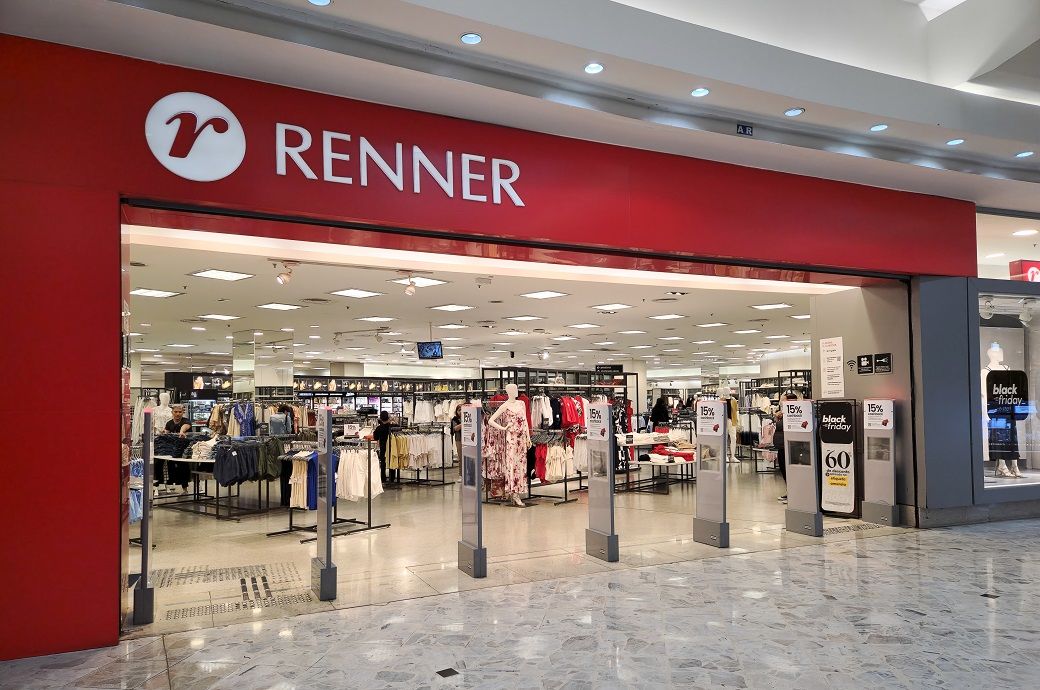
The company delivered another quarter of solid progress in profitability, and apparel gross margin improved for another consecutive quarter to reach 56.2 per cent, a 0.5 percentage point increase, and a 0.4 percentage point increase in retail. This reflects the relentless pursuit of faster and more flexible fashion execution, supported by a more precise and integrated supply model, resulting in a 1.9 percentage point decrease in the share of aged inventory in sales.
Lojas Renner’s Q3 FY25 retail sales rose 4.2 per cent (4.7 per cent in apparel), with apparel margins improving to 56.2 per cent.
Net income grew 9 per cent to R$279 million (~$53 million), and free cash flow reached R$473 million (~$89.9 million).
Despite weather-related sales impacts, profitability and efficiency improved. Digital sales accounted for 17 per cent.
“Our performance throughout the year demonstrates that the initiatives we’ve implemented to evolve our business model are contributing to our results. While third quarter results reflect the challenges of a distinct climate dynamic compared to 2024, this does not alter our trajectory,” said Fabio Faccio, CEO.
“Autumn temperatures boosted second quarter sales this year, however, this limited the availability of winter items in the third quarter. We thoroughly assessed the risk/return outlook for the upcoming months and opted not to place additional orders which, when combined with our considerable exposure to colder regions, had a temporary impact of approximately 2 to 3 percentage points on our sales. We established a process that incorporates more frequent monitoring and decision checkpoints, minimising the risk of future missed opportunities,” explained Faccio.
Lower sales volumes and the previously scheduled timing of certain operational initiatives resulted in a temporary increase in expenses above sales growth this quarter. However, this does not alter the structural trajectory of annual operational leverage the company initiated in 2024. With the intensive cycle of structural investments in CAPEX and OPEX complete, it is now positioned to drive sales growth with consistent expense dilution. This reinforces the expectation of consistent expense dilution, both due to previous investments—which support a higher level of sales growth—and through cost reduction opportunities, driven by a targeted effort it has already initiated.
Net income increased by 9 per cent to R$279 million (~$53 million), a 16 per cent increase. The trailing twelve-month ROIC reached 14.4 per cent, a 1.7 percentage point improvement, alongside free cash flow generation of R$473 million (~$89.9 million) – the highest in the fashion industry in Brazil.
The digital channel now represents 17 per cent of total sales, driven by the prior years’ investments which will enable continued growth within this channel without compromising the company’s profitability. The integration of online and bricks and mortar operations at Sao Paulo DC resulted in an 8 percentage point increase in share of new inventory within e-commerce sales year-to-date.
“We opened 18 stores year to date advancing toward our goal of 30–37 openings by year-end, with a focus on expanding into new markets. Our new store formats continue to deliver above average performance, positioning us well to scale sustainably across different market environments. We’ve completed 16 store renovations so far this year, with two more scheduled for completion. These renovations and new store openings, together with continued improvements in our digital and omni-channel journey and strengthened fashion execution, have enabled us to expand our active customer base and improve our NPS,” Faccio added.
Fibre2Fashion News Desk (RR)










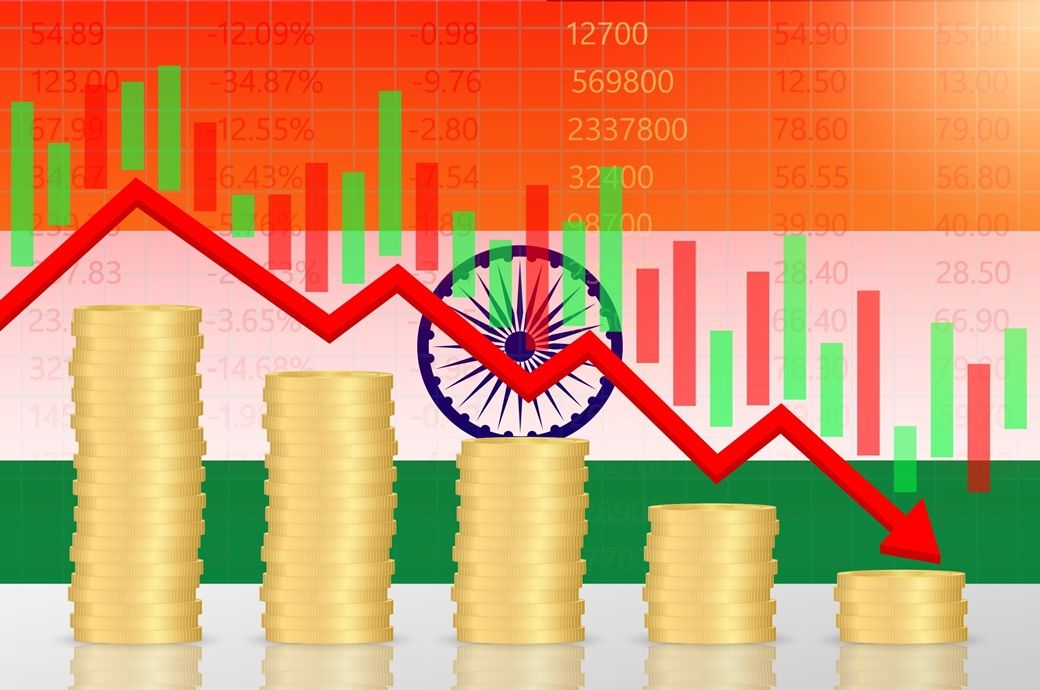
While trends in high frequency indicators for January-February 2026 appear favourable, the heightened uncertainty around the duration of the Middle East conflict casts a shadow on the near-term macroeconomic outlook for India amid high import dependency for items like crude oil, natural gas and fertilisers, it noted.
India’s FY27 GDP growth is likely to slow to 6.5 per cent from the projected 7.5 per cent in FY26 owing to the impact of higher energy prices and concerns around energy availability, ICRA Ratings said.
The heightened uncertainty around the duration of the Iran war casts a shadow on the near-term macroeconomic outlook for India.
If the conflict lasts longer, the adverse effects could widen across sectors.
If the conflict lasts for an extended period, the adverse implications of the same could widen across sectors, amid an uptick in input costs and the consequent impact on profitability of the India corporate sector.
Amid the projected uptrend in the consumer price index-based inflation in FY27 with risks tilted to the upside, ICRA Ratings expects an extended pause on the policy rates by the central bank’s monetary policy committee in the fiscal despite the anticipated softening in the GDP growth. However, it expects the Reserve Bank of India to continue to intervene on the liquidity front during FY27.
The available data for January–February FY2026 indicate a positive trend across most non-agricultural indicators, with the year-on-year performance of 12 out of 18 indicators improving compared to the third quarter of FY26, while the remaining six deteriorated.
Fibre2Fashion News Desk (DS)
Indonesia’s apparel exports rose modestly to $8.705 billion in 2025 from $8.316 billion in 2024, reflecting gradual recovery.
The US remained dominant, accounting for over 56 per cent of shipments, highlighting growing market dependence.
While Japan, South Korea and Europe offered stability, exports stayed concentrated in key products and segments.
Source link

Methanol prices in India have surged nearly 150 per cent from pre-Iran–US tension levels, tracking a sharp rise in crude oil and tightening global energy markets.
Hormuz disruption risks, limited rerouting capacity, rising freight and insurance costs, and constrained imports are fuelling volatility, with prices seen approaching ₹90 per kg.
Source link


Wrigley Field to host Big Ten/SEC volleyball doubleheader

Tech giant Oracle makes ‘significant’ job cuts

Romelu Lukaku facing disciplinary action after missing Napoli training

-

 Politics1 week ago
Afghanistan announces release of detained US citizen
-

 Sports1 week ago
Broadcast industry CEO says consolidation is ‘essential’ to compete for NFL soaring media rights prices
-

 Entertainment1 week ago
UN warns migratory freshwater fish numbers are spiralling
-

 Tech1 week ago
Can a Home Appliance Fix the Problem of Soft-Plastic Waste?
-
 Business1 week ago
Property Play: Home flippers see smallest profits since the Great Recession, real estate data firm says
-
 Business1 week ago
Gold prices soar in Pakistan – SUCH TV
-

 Fashion1 week ago
ICE cotton slips on weaker crude, profit booking
-
 Business1 week ago
More women are entering wealth management, but few are in advisory roles, study finds