

Politics
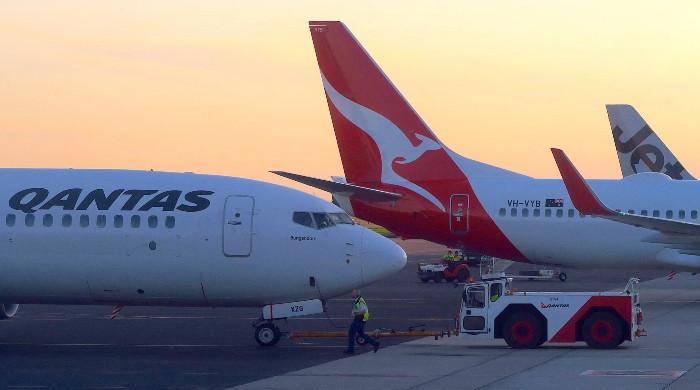
Australian airline Qantas says millions of customers’ data leaked online

- Major cyberattack hits global firms via Salesforce.
- Sensitive customer details exposed, no financial data.
- Global tech and airline giants targeted in breach.
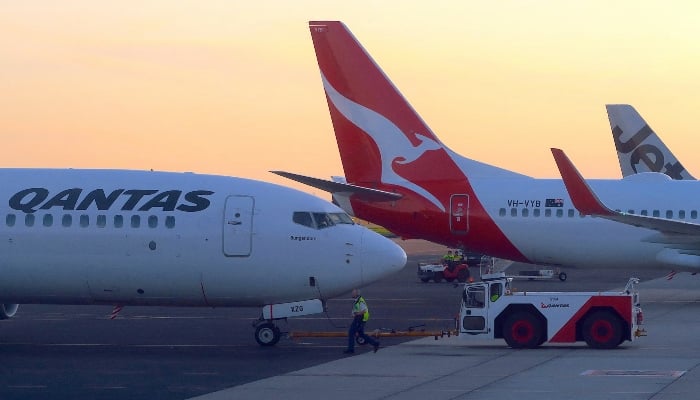
SYDNEY: Australian airline Qantas said Sunday that data from 5.7 million customers stolen in a major cyberattack this year had been shared online, part of a leak affecting dozens of firms.
Disney, Google, IKEA, Toyota, McDonald’s and fellow airlines Air France and KLM are also reported to have had data stolen in a cyberattack targeting software firm Salesforce, with the information now being held to ransom.
Salesforce said this month it was “aware of recent extortion attempts by threat actors”.
Qantas confirmed in July that hackers had targeted one of its customer contact centres, breaching a computer system used by a third party now known to have been Salesforce.
They secured access to sensitive information such as customer names, email addresses, phone numbers and birthdays, the blue-chip Australian company said.
No further breaches have taken place since and the company is cooperating with Australian security services.
“Qantas is one of a number of companies globally that has had data released by cyber criminals following the airline’s cyber incident in early July, where customer data was stolen via a third party platform,” the company said in a statement.
Most of the data leaked was names, email addresses and frequent flyer details, the firm said.
But some of the data included customers’ “business or home address, date of birth, phone number, gender and meal preferences”.
“No credit card details, personal financial information or passport details were impacted,” Qantas said.
It also said it had obtained a legal injunction with the Supreme Court of New South Wales, where the firm is headquartered, to prevent the stolen data being “accessed, viewed, released, used, transmitted or published”.
Cybersecurity expert Troy Hunt told AFP that it would do little to prevent the spread of the data.
“It’s frankly ridiculous,” he said.
“It obviously doesn’t stop criminals at all anywhere, and it also really doesn’t have any effect on people outside of Australia.”
In response to questions about the leak, tech giant Google pointed AFP to an August statement in which it said one of its corporate Salesforce servers had been targeted. It did not confirm if the data had been leaked.
“Google responded to the activity, performed an impact analysis and has completed email notifications to the potentially affected businesses,” Melanie Lombardi, head of Google Cloud Security Communications, said.
Cybersecurity analysts have linked the hack to individuals with ties to an alliance of cybercriminals called Scattered Lapsus$ Hunters.
Research group Unit 42 said in a note the group had “asserted responsibility for laying siege to customer Salesforce tenants as part of a coordinated effort to steal data and hold it for ransom”.
The hackers had reportedly set an October 10 deadline for ransom payment.
‘Oldest tricks in the book’
The hackers stole the sensitive data using a social engineering technique, referring to a tactic of manipulating victims by pretending to be a company representative or other trusted person, experts said.
The FBI last month issued a warning about such attacks targeting Salesforce.
The agency said hackers posing as IT workers had tricked customer support employees into granting them access to sensitive data.
“They have been very effective,” expert Hunt said.
“And it hasn’t been using any sophisticated technical exploits… they have exploited really the oldest tricks in the books.”
The hack of data from Australia’s biggest airline comes as a string of major cyberattacks in the country has raised concerns about the protection of personal data.
Qantas apologised last year after a glitch with its mobile app exposed some passengers’ names and travel details.
And major ports handling 40% of Australia’s freight trade ground to a halt in 2023 after hackers infiltrated computers belonging to operator DP World.
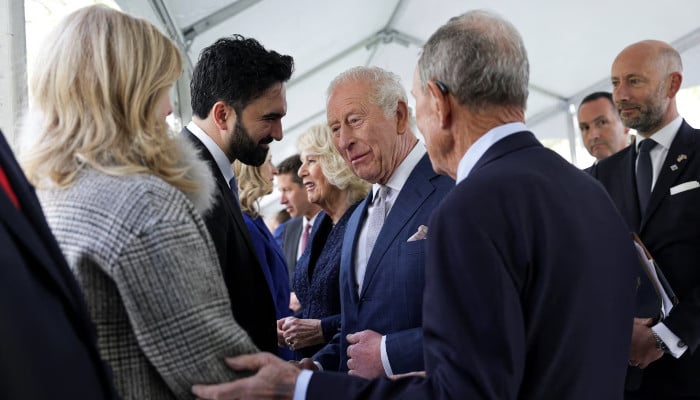
New York City Mayor Zohran Mamdani said on Wednesday he encourages Britain’s King Charles to return the Koh-e-Noor Diamond, with his comments coming during the British monarch’s ongoing US visit.
“If I were to speak to the king separately from that, I would probably encourage him to return the Koh-e-Noor Diamond,” Mamdani, who is Indian American, said when asked at a press conference hours before a ceremony that commemorated victims of the deadly September 11, 2001, attacks.
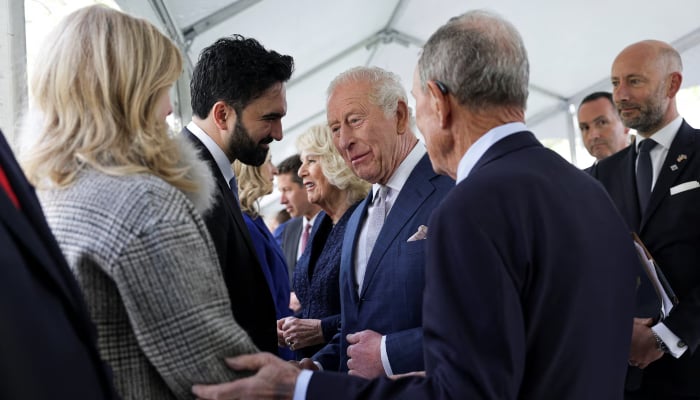
Later in the day, the king spoke with Mamdani at the ceremony. Buckingham Palace declined to comment. Mamdani’s office did not respond to a request to comment on whether Mamdani brought up the issue with the king.
India has previously repeatedly demanded that Britain return the 105-carat diamond.
Britain’s then colonial governor-general of India arranged for the huge diamond to be presented to Queen Victoria in 1850 after the East India Company had annexed the region of Punjab in 1849 and taken the diamond from a deposed Indian leader.
Charles on Wednesday commemorated victims of the September 11, 2001, attack on New York City, laying a floral bouquet at the memorial where the World Trade Centre’s twin towers once stood.
India received independence from British rule in 1947. The British colonisation of India and the widespread atrocities committed against people during that period remain sensitive issues in the country.
India has previously said the diamond was a “valued piece of art with strong roots in our nation’s history.” The diamond’s possession by the British is seen by many Indians as a symbol of colonial atrocities during British rule.
The diamond has been previously owned by India’s Mughal emperors, shahs of Iran, emirs of Afghanistan, and Sikh maharajas, according to the Historic Royal Palaces charity.
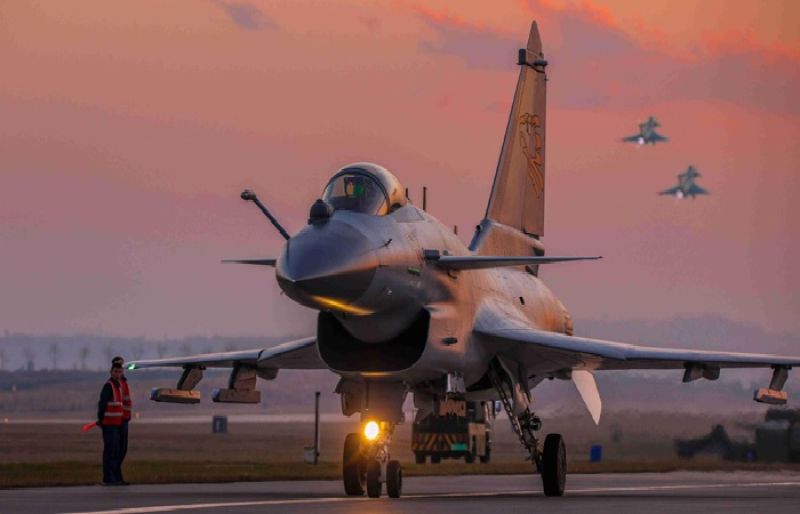
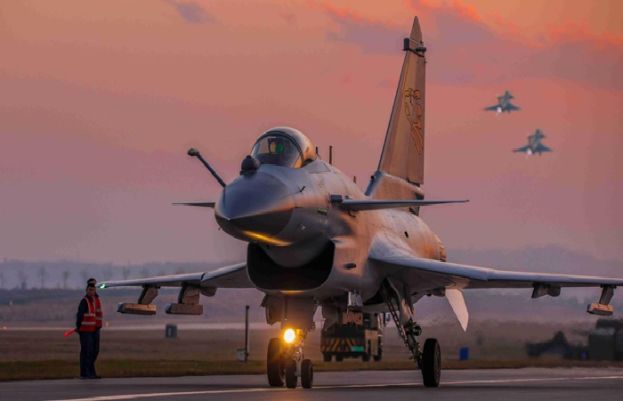
China’s AVIC Chengdu Aircraft Corporation, the maker of J-10C aircraft used by Pakistan to down India’s French-made planes in May last year, has reported a significant surge in profits, according a report by Bloomberg.
Revenue increased by 15.8% to 75.4 billion yuan ($11 billion) in 2025, with profit up 6.5% to 3.4 billion yuan in 2025, the publication cited the jetmaker as saying in a statement.
The numbers are the highest-ever for the company, Bloomberg reported, adding that Chengdu’s first-quarter sales rose almost 80% on year.
The Pakistan Air Force (PAF) inducted J-10C in March 2022, in a major boost to the country’s military capabilities to defend airspace.
At the time, the government said that the fighter jet could carry more advanced, fourth-generation air-to-air missiles, including the short-range PL-10 and the beyond-visual-range PL-15.
The fighter jet saw its first combat use in May 2025 when India launched an unprovoked attack on Pakistan on May 6, following an attack on tourists in the Indian Illegally Occupied Jammu and Kashmir.
Pakistan, during the 87-hour conflict, downed seven Indian fighter jets, including French-made Rafale, and dozens of drones.
The four-day war saw Pakistan successfully employing the Chinese-made HQ-9 air-defence system, PL-15 air-to-air missiles, and J-10C fighter aircraft, credited with downing multiple Indian aircraft.
The PAF also used its JF-17 Thunder jets to destroy India’s S-400 air defence system in Adampur by using hypersonic missiles.
The war between the two nuclear-armed nations ended on May 10 with a ceasefire agreement brokered by the US.
Months after the conflict, Inter-Services Public Relations (ISPR) Director-General (DG) Lieutenant General Ahmed Sharif Chaudhry praised the performance of Chinese-made weapons, saying they performed “exceptionally well. “Of course, lately, recent Chinese platforms, they’ve demonstrated exceptionally well,” Lt Gen Chaudhry said in an interview in October last year.
In November last year, a report presented to the United States Congress acknowledged Pakistan’s “military success over India” in the war.
The US-China Economic and Security Review Commission report — reviewing US-China security and foreign affairs — stated that Pakistan employed advanced Chinese weaponry to enhance its military edge over India.
- Revenue up by 15.8% to 75.4 billion yuan in 2025: report.
- Company’s profits up by 6.5% to 3.4 billion yuan in 2025.
- Chengdu sales in first-quarter rose almost 80% on year.
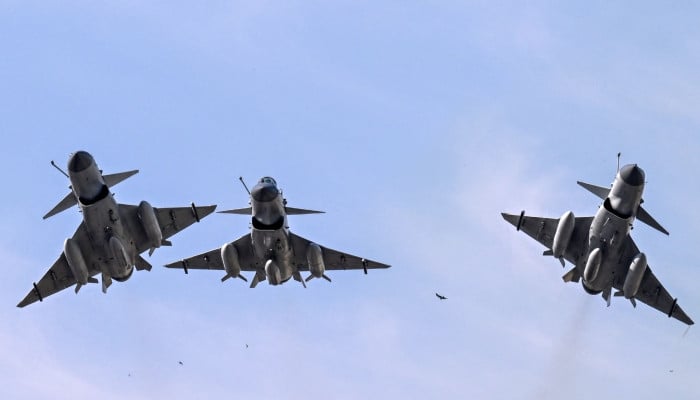
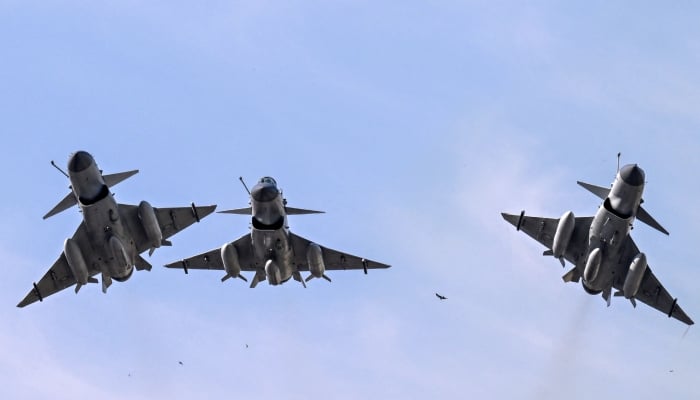
China’s AVIC Chengdu Aircraft Corporation, the maker of J-10C aircraft used by Pakistan to down India’s French-made planes in May last year, has reported a significant surge in profits, according a report by Bloomberg.
Revenue increased by 15.8% to 75.4 billion yuan ($11 billion) in 2025, with profit up 6.5% to 3.4 billion yuan in 2025, the publication cited the jetmaker as saying in a statement.
The numbers are the highest-ever for the company, Bloomberg reported, adding that Chengdu’s first-quarter sales rose almost 80% on year.
The Pakistan Air Force (PAF) inducted J-10C in March 2022, in a major boost to the country’s military capabilities to defend airspace.
At the time, the government said that the fighter jet could carry more advanced, fourth-generation air-to-air missiles, including the short-range PL-10 and the beyond-visual-range PL-15.
The fighter jet saw its first combat use in May 2025 when India launched an unprovoked attack on Pakistan on May 6, following an attack on tourists in the Indian Illegally Occupied Jammu and Kashmir.
Pakistan, during the 87-hour conflict, downed seven Indian fighter jets, including French-made Rafale, and dozens of drones.
The four-day war saw Pakistan successfully employing the Chinese-made HQ-9 air-defence system, PL-15 air-to-air missiles, and J-10C fighter aircraft, credited with downing multiple Indian aircraft.
The PAF also used its JF-17 Thunder jets to destroy India’s S-400 air defence system in Adampur by using hypersonic missiles.
The war between the two nuclear-armed nations ended on May 10 with a ceasefire agreement brokered by the US.
Months after the conflict, Inter-Services Public Relations (ISPR) Director-General (DG) Lieutenant General Ahmed Sharif Chaudhry praised the performance of Chinese-made weapons, saying they performed “exceptionally well,” The News reported, citing Bloomberg.
“Of course, lately, recent Chinese platforms, they’ve demonstrated exceptionally well,” Lt Gen Chaudhry said in an interview in October last year.
In November last year, a report presented to the United States Congress acknowledged Pakistan’s “military success over India” in the war.
The US-China Economic and Security Review Commission report — reviewing US-China security and foreign affairs — stated that Pakistan employed advanced Chinese weaponry to enhance its military edge over India.

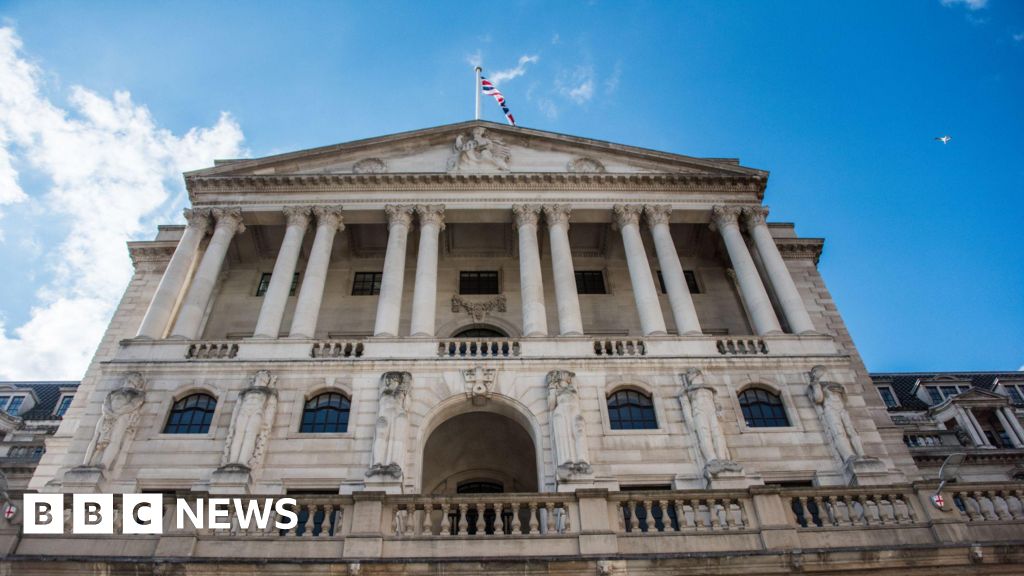
Bank of England hints at higher rates as Iran war fuels inflation

Sandra Bullock reportedly shares ‘natural chemistry’ with THIS star
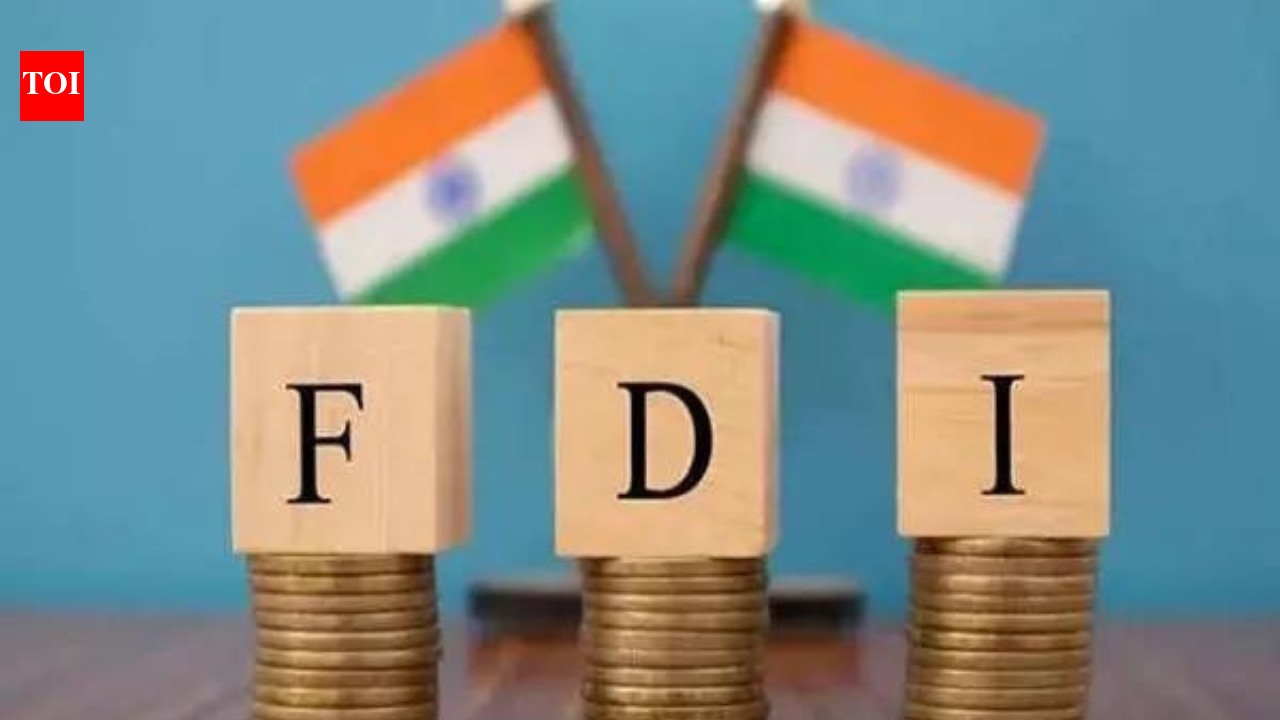
India’s FDI inflow may cross $90 billion in FY26, says DPIIT secretary – The Times of India

Us-India Trade Talks: US–India trade deal: Where do talks stand & what to expect – explained – The Times of India

PSL 11: Hyderabad Kingsmen opt to field after winning toss against Multan Sultans

Trump administration in advanced talks for a rescue package for Spirit Airlines, source says

-
Business1 week ago
Us-India Trade Talks: US–India trade deal: Where do talks stand & what to expect – explained – The Times of India
-
 Business1 week ago
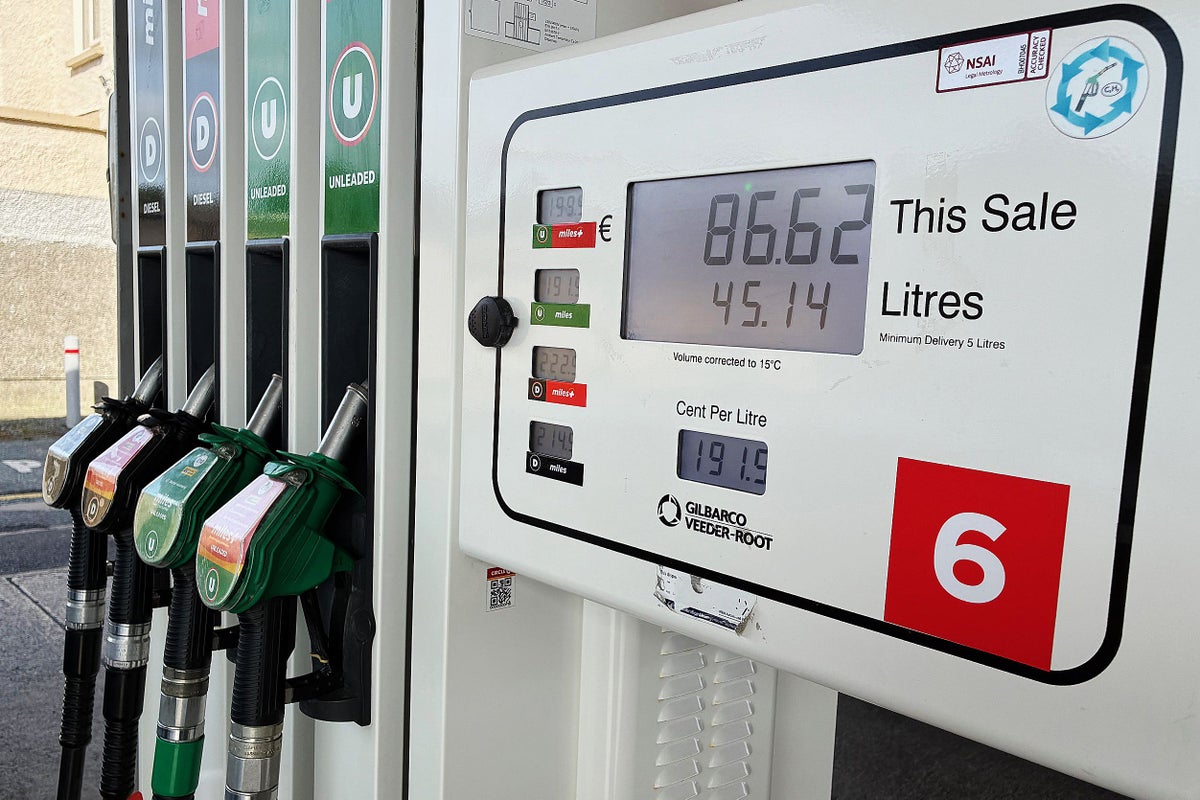
UK inflation accelerates after Iran war drives sharp rise in fuel prices
-
 Sports1 week ago
PSL 11: Hyderabad Kingsmen opt to field after winning toss against Multan Sultans
-
Business1 week ago
Trump administration in advanced talks for a rescue package for Spirit Airlines, source says
-

 Tech1 week ago
Nation states responsible for ‘nationally significant’ cyber attacks against UK, says NCSC chief | Computer Weekly
-
 Tech1 week ago
Microsoft faces court battle in £2bn Windows Server class action | Computer Weekly
-

 Tech1 week ago
Blackbox replaces two racks of HPE storage with 8U of Everpure | Computer Weekly
-

 Fashion1 week ago
Bangladesh RMG units call for allowing local FOC raw material sourcing