

Politics
Australian mushroom meal survivor says ‘half alive’ after wife’s killing

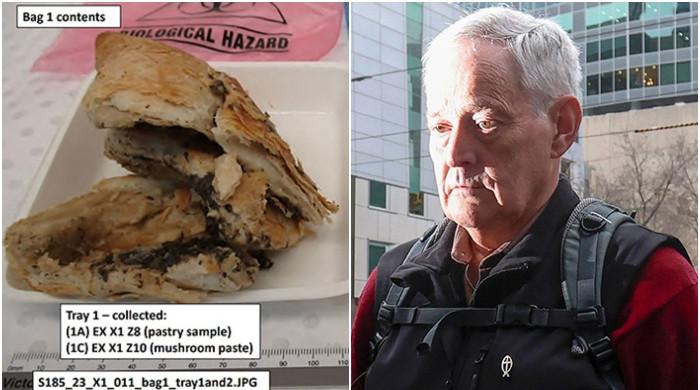

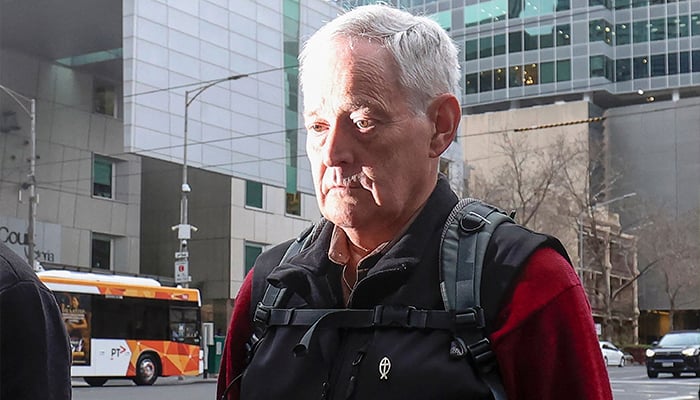
The only guest to survive a toxic mushroom lunch with Australian murderer Erin Patterson said Monday he feels “half alive” without his wife — one of the killer’s three poisoning victims.
Pastor Ian Wilkinson wept in court as he spoke of the loss of his wife Heather after she ate a beef Wellington dish laced with death cap mushrooms — the world’s deadliest fungi.
Patterson, 50, was convicted in July of triple murder for serving the poisonous fare to her estranged husband’s parents, aunt and uncle during a sumptuous lunch at her home in rural Leongatha in the state of Victoria in 2023.
Within days of the meal, the parents and aunt were dead.
But the uncle, a local Baptist pastor, survived after weeks in hospital and gave testimony at his host’s murder trial, which became a global media sensation.
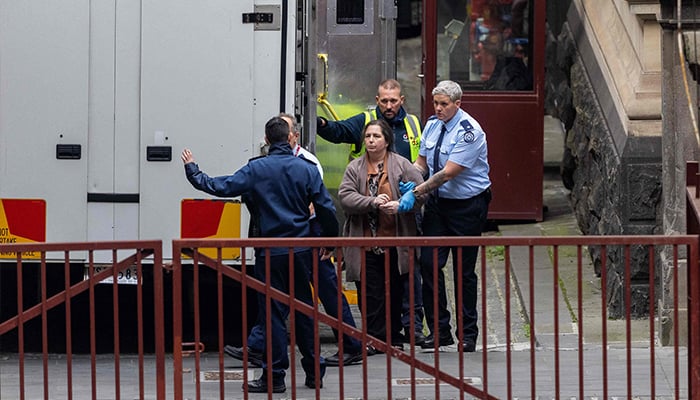
Patterson, wearing a paisley shirt, black trousers and sandals, attended the Supreme Court of Victoria in Melbourne for a two-day pre-sentencing hearing, facing a maximum punishment of life imprisonment.
“The silence in our home is a daily reminder. I continue to carry a heavy burden of grief over her untimely death,” the pastor said of his murdered wife, Heather.
“It is a truly horrible thought to live with, that somebody could decide to take her life. I only feel half alive without her,” he said.
‘Offer of forgiveness’
Wilkinson said his own health had never fully recovered from the meal, leaving him with reduced liver function, ongoing respiratory issues and less energy.
“I very, very nearly died,” he told the court.
With regards to the harm done to him, Wilkinson said: “I make an offer of forgiveness to Erin.”
But for her three murder victims, he added: “I am compelled to seek justice.”
The home cook’s husband Simon Patterson, who had declined an invitation to the deadly lunch, told the court of his grief over the loss of his relatives.

“I miss my parents and aunt more than words can express. I will be aware for the next 30 years that they could still be alive had Erin chosen not to murder them,” he said.
“My children, two children, are left without grandparents as a result of these murders. They have also been robbed of hope for the kind of relationship with their mother that every child naturally yearns for,” he added.
The killer’s husband said their children were strong and would overcome the hurdles to thrive.
But he criticised “callous” media and strangers for following his family and forcing them to dodge reporters or leave cafes to avoid the cameras.
Mystery motive
During the hearing, defence and prosecution lawyers agreed that Patterson should face life imprisonment for the murders.
The defence argued that she should be eligible to apply for parole after 30 years, citing the security restrictions placed on her movements in jail because of her “notoriety”.
The prosecutor, however, said the crime was “so cruel and so horrific” that she did not deserve such mercy.
The judge said he would hand down her sentence on September 8 at the court in Melbourne.
At the trial last month in the rural Victorian town of Morwell, a 12-person jury found Patterson guilty of murdering her husband’s parents, Don and Gail Patterson, as well as his aunt Heather, by cooking and serving the meal in July 2023.
Jurors also pronounced her guilty of the attempted murder of Wilkinson.
At the time of the deadly meal, Patterson’s relationship with her husband had turned sour as the pair — long apart but still legally married — fought over his child support contributions.
The motive of the murders, however, remains a mystery.
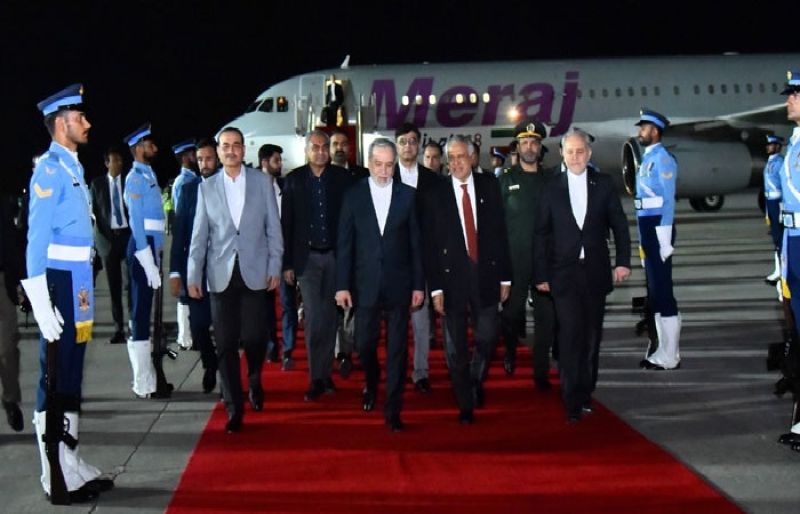
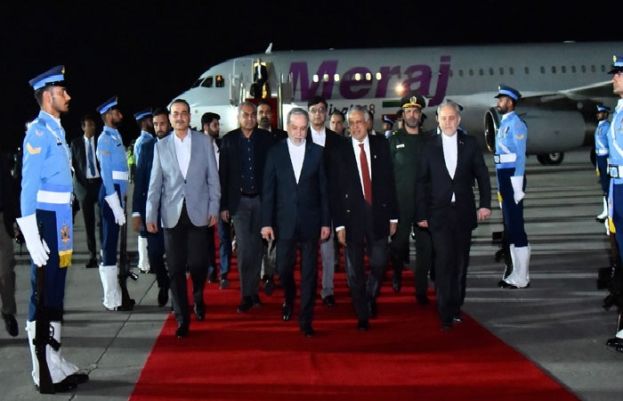
Iranian Foreign Minister Abbas Araghchi touched down in Islamabad on Friday night amid expectations of renewed engagement between Iran and the United States to end the Middle East conflict.
FM Araghchi will hold meetings with Prime Minister Shehbaz Sharif and Deputy Prime Minister and Foreign Minister Senator Ishaq Dar during the visit.
The Iranian delegation was received by Deputy Prime Minister and Foreign Minister Senator Mohammad Ishaq Dar, Chief of Defence Forces (CDF) and Chief of Army Staff (COAS) Field Marshal Asim Munir, along with other senior officials upon arrival in Islamabad, the Ministry of Foreign Affairs said in a statement.
During the visit, the Iranian FM will hold meetings with Pakistan’s senior leadership to discuss the latest regional developments as well as ongoing efforts for regional peace and stability, it added.
Earlier today, Iranian state media reported that Araghchi will depart on Friday (today) for a tri-nation tour that includes visits to Islamabad, Muscat and Moscow.
“The purpose of this visit is to hold bilateral consultations and discuss current developments in the region, as well as the latest situation in the war imposed by the United States and the Israeli regime against Iran,” the state news agency IRNA said.
Meanwhile, US envoys Steve Witkoff and Jared Kushner will head to Pakistan on Saturday for a new round of talks with Iran on ending the war, the White House said.
“I can confirm Special Envoy Witkoff and Jared Kushner will be off to Pakistan again tomorrow morning to engage in talks,” White House Press Secretary Karoline Leavitt told Fox News on Friday.
Leavitt said that Vance remained ready to fly to Pakistan but will not for now. “Everyone will be on standby to fly to Pakistan if necessary,” she said.
A US logistics and security team is already present in the federal capital ahead of the potential second round of peace talks, sources said.
They said that the development was the result of pivotal conversations conducted by Pakistan’s mediation team.
The talks would come more than two weeks after Vice President JD Vance held the first round of talks with Iranian representatives in Pakistan.
The development emerged shortly after Deputy Prime Minister and Foreign Minister Ishaq Dar urged continued dialogue and engagement to resolve disputes between the US and Iran, saying the diplomatic process was essential for advancing regional peace and stability.
DPM Dar made the remarks during a phone call with Araghchi, in which they also discussed the ongoing US-Iran ceasefire, according to a statement issued by the Foreign Office.
DPM Dar and Araghchi also exchanged views on the ongoing diplomatic efforts being pursued by Islamabad in the context of US-Iran engagement.
The Iranian FM lauded Pakistan’s consistent and constructive role in facilitating peace talks between the US and Iran.
A second round of talks between Tehran and Washington faced ambiguity after both sides failed to agree on their respective measures in and around the Strait of Hormuz.
Tehran blocked the waterway after the US and Israel launched attacks across Iran on February 28. Apart from closing Hormuz, Tehran also launched strikes against Israel and US bases across the Middle East.
Prime Minister Shehbaz Sharif mediated a two-week ceasefire between the two sides on April 8 and then facilitated the first round of talks in Islamabad on April 11.
However, the talks concluded without a deal on a permanent end to the conflict.
Following an inconclusive first round of talks, US President Donald Trump announced a US naval blockade of Iranian ports.
Iran declared Hormuz open on April 17, citing a ceasefire agreement between Lebanon and Israel. However, it closed the strait the following day due to the US blockade of Iranian maritime trade, a measure Tehran considers an act of war.
Despite the hostilities on both sides, Islamabad continued its diplomatic outreach to bring Tehran and Washington back to the table and extend the two-week ceasefire.
Hours before the expiry of the ceasefire on April 22, US President Donald Trump announced extending the truce until an Iranian proposal was submitted and discussions were concluded.
In a post on Truth Social, the US president said he was acting at the request of Pakistan to hold off attacks until Iranian leaders and representatives could come up with what he called a unified proposal.
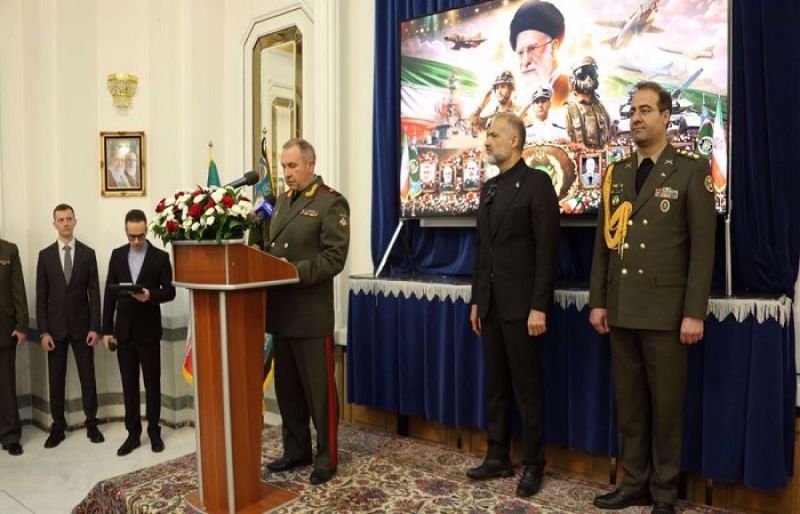
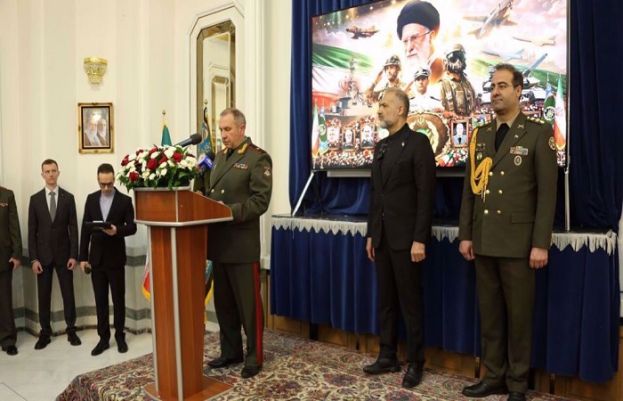
The first deputy head of the Main Directorate of International Military Cooperation of the Russian Defense Ministry says Iran demonstrated a “shining example” of defense during the recent illegal US-Israeli war of aggression.
“Iranian Armed Forces showed to the world a shining example of their firm resolve to defend their country’s interests,” Major-General Yevgeny Ilyin said during a ceremony in Moscow on Thursday, marking Iran’s National Army Day.
Iranian forces, he added, stand ready to deliver a proper and proportionate response to emerging challenges and threats.
The Russian military official said the Islamic Republic of Iran Army, with its steadfastness and courage, has protected the country’s defense and security and turned into a reliable guarantor for the nation’s independence and stability.
The unprovoked US-Israeli aggression on Iran began on February 28 with airstrikes that assassinated senior Iranian officials and commanders.
Iranian armed forces unleashed 100 waves of successful retaliatory strikes against sensitive and strategic American and Israeli targets throughout the region.
On April 8, forty days into the war, a Pakistan-brokered two-week ceasefire went into effect but the first round of Tehran-Washington negotiations failed to reach an agreement.
Referring to the strategic partnership pact signed between Iran and Russia, Ilyin said that both states have maintained their cooperation in many fields.
Iran-Russia defense relations are multifaceted, encompassing areas from the deep sea to space, he added.
The military official also reiterated Russia’s resolve to implement previous agreements with Iran and continue working on plans for bilateral military cooperation.
During the ceremony, Iran’s military attaché to Russia Sadeq Rezaei Moqaddam said Iranian Armed Forces have always been committed to moral principles and differentiated between military and civilian targets.
On the contrary, he said, the US and the Israeli regime perpetrated horrible war crimes by killing 170 students and teachers at an elementary school in the city of Minab, and targeting the Iranian Dena destroyer which was returning home from a naval drill in India.
The attacks on civilian infrastructure and educational centers represent the enemies’ strategic failure to deal a blow to the will of the Iranian nation, Rezaei Moqaddam asserted.
The perfect coordination of the Army units and other forces caused the aggressors to step back and thwarted their calculations, he said.
He further stressed that enhanced technical and military cooperation between the Iranian and Russian armed forces not only guarantees the national security of both nations, but is also the main pillar to safeguarding stability in Eurasia and countering unilateralism and organized international crimes.
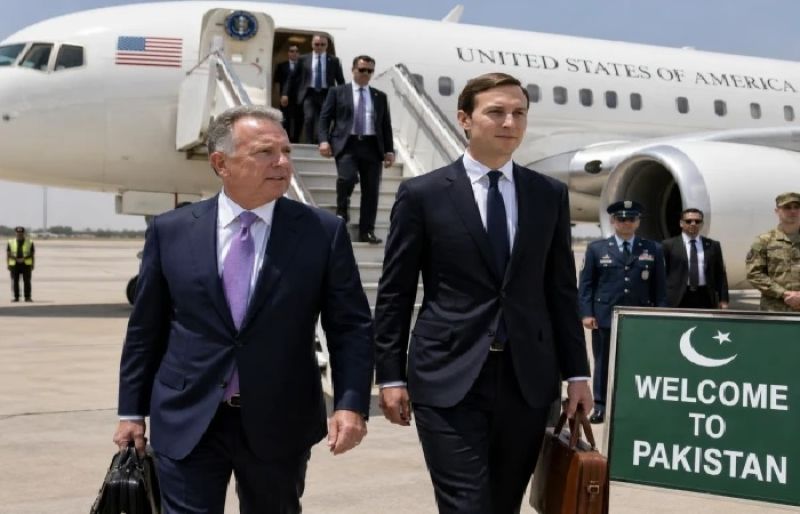
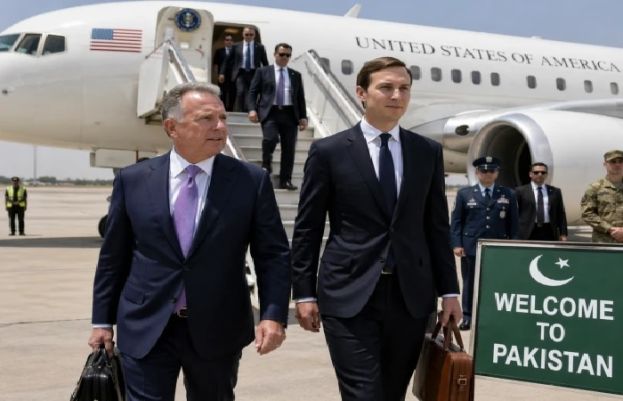
US President Donald Trump’s special envoy Steve Witkoff and son-in-law Jared Kushner will travel to Islamabad on Saturday morning for talks with Iran mediated by Pakistan, White House press secretary Karoline Leavitt said in an interview with Fox News.
“Everyone will be on standby to fly to Pakistan if necessary, but first, Steve and Jared will be going over there to report back to the president, the vice president and the rest of the team,” Leavitt said on the Fox News show “America Reports.”
Iran’s Foreign Minister Abbas Araqchi was expected in the Pakistani capital Islamabad on Friday to discuss proposals for restarting peace talks with the United States.


Eminem’s daughter Hailie Jade shares ‘the craziest thing’ of her life

Clock ticks on Spirit Airlines as bondholders weigh Trump bailout. Here’s what could happen next

NASCAR makes major change in front office, including new CEO in unprecedented move: report

-

 Fashion1 week ago
France’s LVMH Q1 revenue falls 6%, shows resilience amid Iran war
-

 Tech1 week ago
CYBERUK ’26: UK lagging on legal protections for cyber pros | Computer Weekly
-

 Sports5 days ago
WWE WrestleMania 42 Night 2: Live match results and analysis
-

 Sports1 week ago
Faheem Ashraf backs Islamabad United’s push, calls league a ‘career-changing platform’
-

 Sports5 days ago
NCAA men’s gymnastics championship: All-time winners list
-
 Business1 week ago
PepsiCo earnings beat estimates as North American food business improves
-

 Tech1 week ago
Anthropic Plots Major London Expansion
-
 Business1 week ago
Oil prices fall again amid Middle East ceasefire hopes