

Fashion
Australia’s apparel imports slip 3.7% to $6 bn, textiles rise


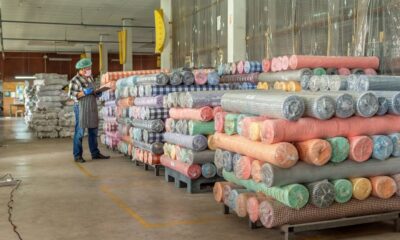
Australia’s textile and apparel imports showed a mixed trend in FY26 (July–January), with apparel down 3.77 per cent and textiles up 3.44 per cent.
Fibre imports and exports recorded modest growth, while monthly trends remained soft.
The broader trade reflects recovery in FY25 after a weak FY24 marked by lower prices, inventory correction, and logistics disruption.
Source link











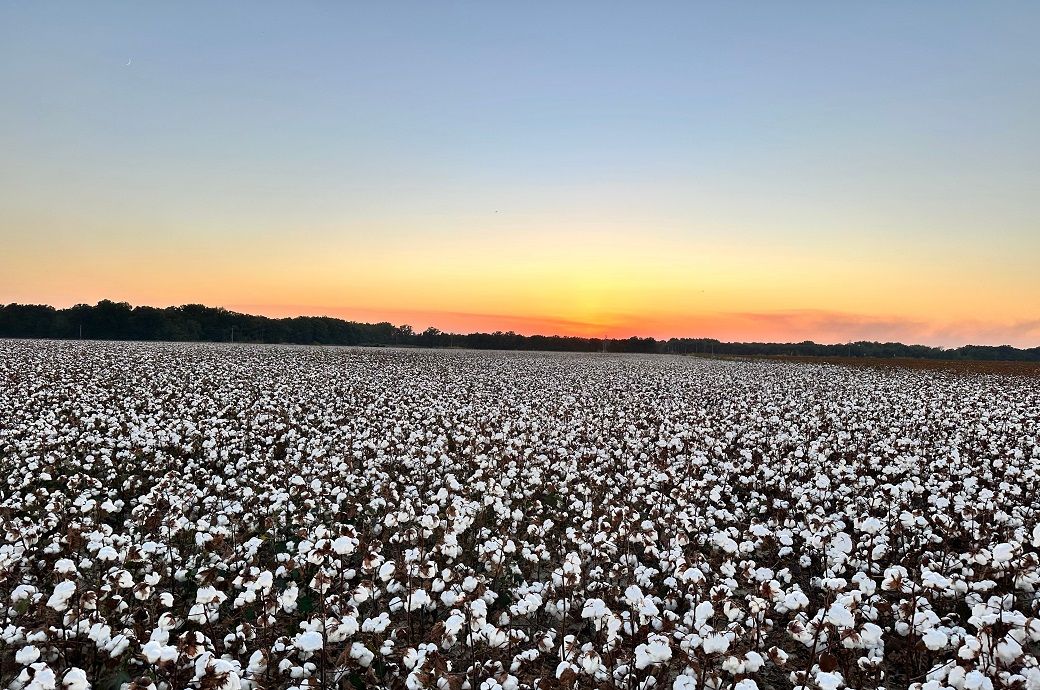
The most traded May 2026 contract settled at 71.31 cents per pound, down 0.36 cent or 0.50 per cent. The contract had touched an intraday high of 72.15 cents per pound. It also touched a low level of 70.90 cents per pound. During the session, the contract touched its highest level since May 6, 2025. This showed strong bullish momentum in early trade but also highlighted resistance near the 72-cent zone.
ICE cotton futures declined after profit booking at higher levels, with the May 2026 contract settling at 71.31 cents per pound.
Early gains, driven by rising crude oil and weather concerns, were capped by higher certified stocks and resistance near 72 cents.
Despite short-term pressure, the market remains fundamentally supported by supply risks and input cost concerns.
The early upside in the market was mainly supported by rising crude oil prices (WTI up around 0.5 per cent), which increased polyester production costs, making cotton relatively cheaper and more attractive, thereby improving cotton’s demand outlook through substitution effect.
Continued dry weather conditions across the US western and southwestern Great Plains are becoming a major concern for the upcoming crop, as soil moisture remains low and weather risk premium is gradually being built into prices.
According to market analysts, high input costs including fuel, fertilisers, and labour, are influencing farmers’ planting decisions, which could potentially limit acreage expansion or affect crop investment levels, thereby supporting prices in the medium term.
As per USDA Crop Progress Report (week ending April 5), cotton planting reached 5 per cent compared to 4 per cent last year and equal to the 5-year average, indicating a normal start to the season, although future progress will heavily depend on weather conditions.
Brazil’s export data (Secex) showed that March cotton exports reached 347,822.83 tons compared to around 239,000 tons last year, registering a sharp 45 per cent year-on-year increase, reflecting strong export momentum and ample global supply availability.
ICE certified cotton stocks increased significantly to 128,213 bales from 113,241 bales in the previous session (an increase of 14,972 bales), which added short-term pressure on prices as higher deliverable stocks signal improved immediate supply.
In the broader commodity complex, CBOT May soybeans declined by 0.73 per cent and soybean oil fell by 0.33 per cent, with soybean oil earlier touching a contract high of 70.49 cents/lb before correcting, indicating weakness in the vegetable oil segment.
US equity markets closed mixed as investors remained cautious amid ongoing geopolitical developments and uncertainty surrounding global trade and energy routes.
The cotton market remains fundamentally bullish with strong support from weather concerns and energy linkage, but short-term consolidation is likely as higher stocks and resistance near 72 cents continue to cap upside momentum.
This morning (Indian Standard Time), ICE cotton for May 2026 traded at 71.00 cents per pound (down 0.31 cent), cash cotton at 69.31 cents (down 0.36 cents), the July 2026 contract at 73.20 cents (down 0.34 cent), the October 2026 contract at 75.07 cents (down 0.55 cent), the December 2026 at 75.05 cents (down 0.42 cent) and the March 2027 contract at 75.94 cents (down 0.39 cent)). A few contracts remained at their previous closing levels, with no trading recorded so far today.
Fibre2Fashion News Desk (KUL)

It attributed the decline to a combination of external financial factors. In March, the US dollar index strengthened, while prices of major global financial assets fell, reflecting shifts in the global macroeconomic environment, monetary policy adjustments by major economies, and evolving market expectations.
China’s forex reserves fell by $85.7 billion to $3.3421 trillion in March 2026, impacted by a stronger US dollar and declining global asset prices.
The State Administration of Foreign Exchange cited exchange rate and valuation effects, while noting that steady economic performance continues to support overall reserve stability.
The reserves remain among the world’s largest.
It also noted that exchange rate conversion effects and changes in asset prices together led to the reduction in reserves during the month.
Despite the decline, China’s economy maintained steady and improving performance, supported by emerging higher-quality development drivers. This stability has provided a solid foundation for keeping the country’s foreign exchange reserves broadly stable, said Chinese media reports.
Fibre2Fashion News Desk (JP)
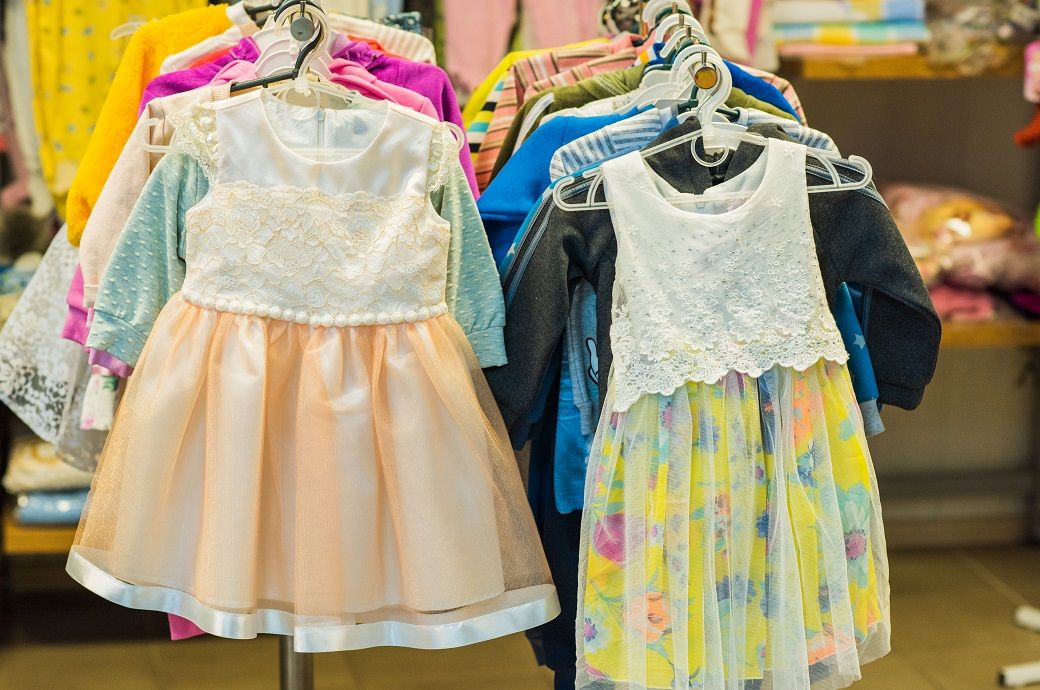
During the first two months of ****, textile exports increased by *.* per cent to $**.* million. Over the same period, exports of other manufactured textile articles increased by *.* per cent to $**.* million, as per the Central Bank’s publication ‘External Sector Performance – February ****’.
Combined exports of textiles, garments, and other manufactured textile articles accounted for **.** per cent of all industrial exports from Sri Lanka during the first two months of this year. Total textile product exports amounted to $***.* million between January-February ****, while the country’s overall industrial exports were valued at $*,***.* million over the same period. This underscores the continued dominance of the apparel sector in Sri Lanka’s industrial export base, despite ongoing global demand volatility.


Dickie V’s Dazzling Dozen: Players, performances, coaches that defined the season

Kanye West’s upcoming gig at Italy festival sparks debate after U.K. revoked rapper’s entry over antisemitic remarks

2026 Masters: Experts’ picks and betting tips

-
Uncategorized6 days ago
[CinePlex360] Please moderate: “Trump signals p
-

 Entertainment5 days ago
Joe Jonas shares candid glimpse into parenthood with Sophie Turner
-

 Tech5 days ago
Our Favorite iPad Is $50 Off
-

 Fashion1 week ago
China’s Anta Sports posts record $11.62 bn revenue in 2025
-
 Business6 days ago
Jaguar Land Rover sees sales recover after cyber attack
-

 Politics5 days ago
Iran can sustain Strait of Hormuz closure for years, will cut US military logistics: Official
-

 Sports5 days ago
UConn Final Four run could trigger a $50M furniture giveaway for Massachusetts-based Jordan’s Furniture
-

 Politics1 week ago
Trump considers asking Arab allies to help to pay for Iran war