

Fashion
Australia’s GDP projected to grow 2.1% in 2026: IMF

GDP growth picked up in the third quarter (Q3) of 2025 after a weak 2024, as private demand gradually recovered.
Australia’s real GDP expanded by an estimated 1.9 per cent in 2025 and is projected to grow by 2.1 per cent in 2026 as the lagged impact of monetary easing and improving consumer sentiment support private demand and investment, the IMF said.
The recovery is expected to continue in the near term.
Labour market conditions are easing gradually after a tight period.
Wage growth is likely to moderate further.
Labour market conditions are easing gradually after a period of tightness, although the unemployment rate, at 4.3 per cent, remains low by historical standards, an IMF release said.
The economic recovery is expected to continue in the near term.
Elevated global uncertainty will continue to weigh on external demand and the current account is expected to remain in deficit into the medium term.
Inflation is projected to converge to the midpoint of the central bank’s 2-3-per cent target range by the latter half of 2027 as pressures on service prices ease and import costs remain stable.
Wage growth is anticipated to moderate further, partially attributable to weak productivity growth, the IMF said.
Risks to the country’s economic outlook are skewed toward slower growth and higher inflation. External threats such as global trade tensions, financial instability and volatile commodity prices can potentially dampen demand and employment, while new trade agreements and greater regional integration could support resilience.
Domestically, persistent inflationary pressures may arise from strong labour markets and constrained supply capacity, the IMF added.
Fibre2Fashion News Desk (DS)









Turkiye’s apparel exports fell 2.88 per cent YoY to $2.599 billion in January-February 2026, pressured by weak EU demand, which accounts for nearly 70 per cent of shipments.
Knitted exports dipped 1.6 per cent, while woven declined 4.6 per cent.
Rising costs and currency volatility continue to erode competitiveness, extending a three-year export decline trend.
Source link
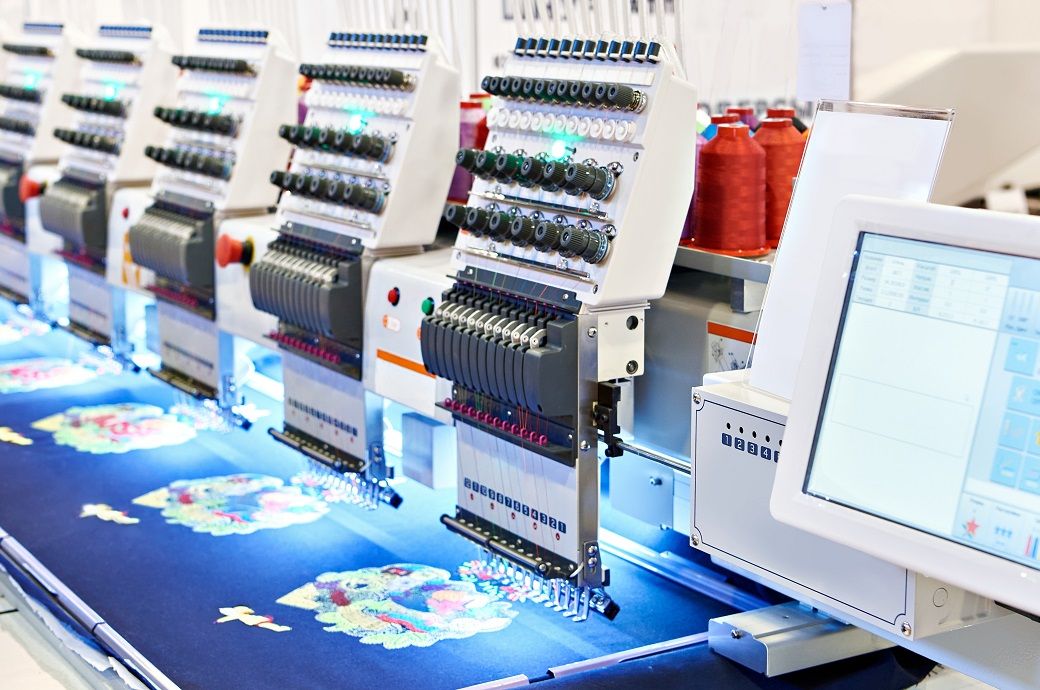
During a session conducted jointly by the Tiruppur Exporters’ Association (TEA) and Adani Total Gas, K. M. Subramanian, President, TEA, highlighted that gas connectivity will become an essential requirement for industries in the coming years, adding that Adani Total Gas is prepared to accelerate PNG rollout in Tiruppur.
Tiruppur’s textile industry is accelerating its shift towards PNG as LPG shortages and rising energy costs disrupt operations.
With production costs up nearly 15 per cent and ESG compliance tightening, PNG is emerging as a reliable and cleaner alternative, helping exporters ensure supply stability, meet global standards, and sustain competitiveness.
He also pointed to upcoming Digital Product Passport (DPP) regulations which will mandate stricter digital monitoring and sustainability compliance across production processes under European ESG norms.
Kumar Duraiswami, Joint Secretary, TEA underscored PNG as a strategic necessity rather than a temporary alternative. He stated that the adoption of PNG is not merely a response to any temporary geopolitical situation, but an essential step as the global industry moves towards sustainable production.
He further noted that exporters to Europe will be required to comply with ESG norms within the next two years, necessitating a gradual shift away from fuels such as LPG and coal.
According to a TEA press release, industry concerns over rising costs were also flagged, with Subramanian noting that energy shortages have already pushed production costs up by nearly 15 per cent, creating operational challenges. He stressed the need for a stable and reliable gas supply to sustain Tiruppur’s large manufacturing ecosystem and urged faster implementation of PNG infrastructure.
Providing operational insights, K. R. Venkatesan, Cluster Head at Adani Total Gas, outlined PNG connectivity availability, registration procedures, and industrial pricing, while Karthik B, Joint Marketing Manager, elaborated on practical applications and addressed industry queries during the session.
Tiruppur’s move towards PNG reflects a broader transition in India’s textile sector, where cleaner energy adoption is becoming central to ensuring supply security, cost stability, and compliance with evolving global sustainability standards.
Fibre2Fashion News Desk (KUL)
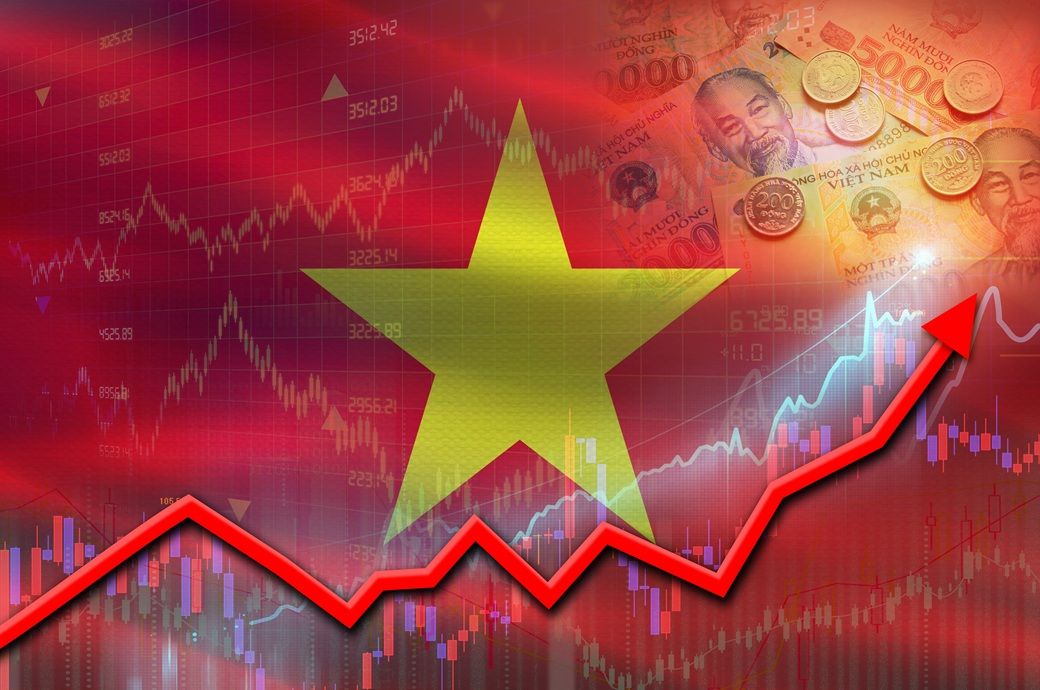
NSO director Nguyen Thi Huong told a press conference that the solid start offers a foundation to achieve full-year growth target even as global uncertainties loom.
Vietnam’s economy expanded by 7.83 per cent in Q1 2026 compared to 7.07 per cent in Q1 2025, as strong consumer demand and resilient manufacturing underpinned growth despite mounting global uncertainties.
Growth was broad-based across all major sectors.
Foreign trade activity picked up sharply.
Growth pressures could intensify in Q2 as the Middle East conflict drives up oil prices and input costs.
Growth was broad-based across all major sectors. The industry and construction sector grew by 8.92 per cent year on year (YoY), contributing 44.08 per cent to overall expansion, with processing and manufacturing continuing to act as the main engine after posting 9.73 per cent growth.
Foreign trade activity picked up sharply, with exports of goods and services rising by 19.85 per cent YoY and imports rising by 24.27 per cent YoY, reflecting stronger demand for raw materials, a domestic media outlet reported.
NSO, however, cautioned that growth pressures could intensify in the second quarter as the Middle East conflict drives up oil prices and input costs, increasing risks to supply chains and production.
Fibre2Fashion News Desk (DS)


Turkiye’s apparel exports ease 2.8% in Jan-Feb 2026

The importance of being Pakistan

India’s Tiruppur shifts to PNG amid LPG shortage in textile units

-
Uncategorized4 days ago
[CinePlex360] Please moderate: “Trump signals p
-
Uncategorized1 week ago
[CinePlex360] Please moderate: “Further tariff
-

 Tech3 days ago
Our Favorite iPad Is $50 Off
-

 Entertainment3 days ago
Joe Jonas shares candid glimpse into parenthood with Sophie Turner
-
 Fashion6 days ago
China’s Anta Sports posts record $11.62 bn revenue in 2025
-

 Politics1 week ago
Trump considers asking Arab allies to help to pay for Iran war
-

 Sports1 week ago
How Arizona beat Purdue and Illinois defeated Iowa in Saturday’s Elite Eight
-

 Sports1 week ago
Fakhar Zaman denies ball-tampering charge in PSL match | The Express Tribune