

Business
Balochistan turns to tech for water security | The Express Tribune


Province rolls out satellite-backed monitoring system, new dams and irrigation upgrades backed by ADB
KARACHI:
Balochistan, Pakistan’s largest and driest province, is racing to modernise its water management systems amid groundwater depletion, erratic rainfall and rising climate stress. With 75% of its population living in rural areas and dependent on agriculture, chronic water scarcity now threatens livelihoods and long-term socioeconomic stability.
Arid conditions dominate the province, where only 7.2% of land is cultivated and most districts rely almost entirely on groundwater. Years of over-extraction, deterioration of traditional karez systems and limited surface water storage have worsened the crisis. Climate variability, prolonged droughts, flash floods and unpredictable rainfall have further strained an already fragile system.
To address these challenges, the provincial government, with financing from the Asian Development Bank (ADB), the Japan Fund for Poverty Reduction and the High-Level Technology Fund, has launched the Balochistan Water Resources Development Project. The initiative blends new infrastructure with digital technologies to support climate-smart, data-driven water governance.
Central to the reforms is the Balochistan Water Resources Information System (BWRIS), a satellite-supported platform in Quetta. The system integrates hydrological, meteorological and remote-sensing data into a secure GIS platform that provides real-time information on groundwater, surface water and climate conditions. Officials say the platform is designed to support evidence-based decision-making, improve irrigation scheduling, and strengthen drought risk assessments across the province.
Speaking to The Express Tribune, Dr Muhammad Arshad, Deputy Country Representative of IWMI in Quetta, said groundwater depletion remains the most urgent challenge. Except for Nasirabad and Jafarabad, the rest of the province depends entirely on groundwater, making recharge essential. The rapid spread of subsidised solar panels has unintentionally intensified extraction. “People now pump water for 12 hours a day. Previously, load shedding limited extraction to three or four hours. With no regulation and no implementation, the problem is worsening,” he said. He said 10 of 18 river basins face severe decline, driven by severe water-intensive practices such as flood irrigation. He recommended precise water-flow measurement, soil moisture sensors at farm level and a strong digital regulatory framework to monitor depletion and forecast needs.
A crucial step toward improved governance is the Balochistan Integrated Water Resource Management Policy 2024, which aims to shift the province toward a low-water economy. The forthcoming Balochistan Water Act, developed with the FAO and World Bank, has been approved by the provincial cabinet and is expected to introduce a regulatory framework for equitable allocation and responsible use of water.
Experts say improved groundwater recharge is critical. Managed Aquifer Recharge (MAR) techniques could help harvest floodwater through infiltration wells, riverbed interception structures, and recharge ditches. Although more than 300 Delay Action Dams constructed in past decades suffered from sedimentation issues, specialists argue that modified designs combined with catchment-specific watershed management can revive their utility. Research has identified high MAR potential in basins such as Poralai and Hingol.
Balochistan’s harsh climate complicates recovery. With annual rainfall around 250mm and evaporation above 1,500mm, losses far exceed replenishment. Dr Arshad said small underground structures often outperform large surface dams, which quickly fill with sediment. Meanwhile, rapid depletion has created space for a thriving tanker water market, especially in Quetta, where prices range from Rs1,500 to Rs3,000 per tanker and rise to Rs5,000 in summer. The lack of rainfall since 2023 has worsened shortages and accelerated migration to urban areas, further straining civic systems.
Under the ADB-supported project, Automatic Weather Stations (AWS) have strengthened BWRIS, feeding real-time data on temperature, humidity, rainfall and wind. This information helps farmers plan planting and supports government decisions.





Business
The NBA doesn’t just want to build a European basketball league — it wants to revolutionize the international pro game

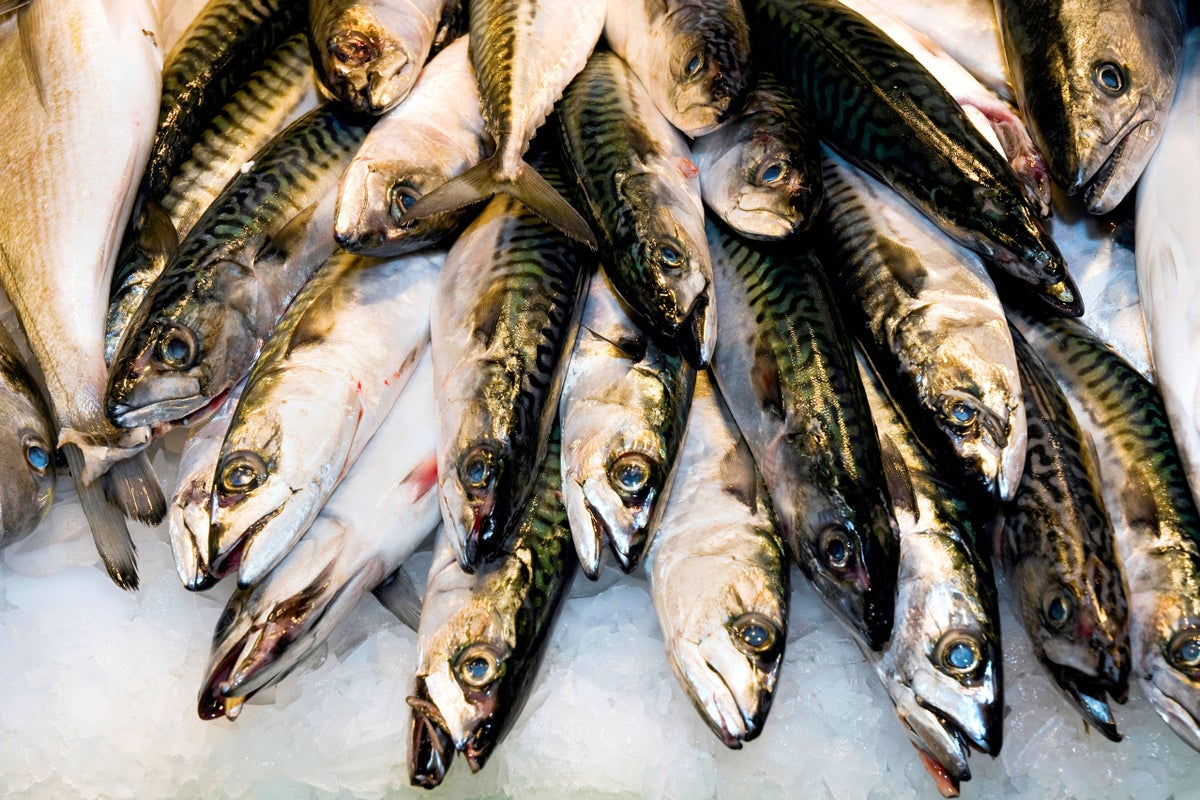
Waitrose is set to remove mackerel from its shelves amid escalating concerns over unsustainable fishing practices.
The retailer said that it is the first major UK supermarket to suspend sourcing of the popular fish.
It said that fresh, chilled, and frozen mackerel, primarily sourced from Scottish waters, will be unavailable to shoppers by 29 April. Tinned varieties will follow once the current stock is depleted.
Conservationists are welcoming the move and urging other supermarkets to follow suit.
The measure comes as governments have repeatedly failed to implement catch limits recommended by scientists, jeopardising the long-term viability of mackerel stocks.
The International Council for Exploration of the Sea (ICES) has issued stark warnings, advising a 70 per cent reduction in catches for 2026 across all regional mackerel stocks compared to 2025’s recommended levels.
With the stock consistently fished above sustainable thresholds, this translates to a 77 per cent cut on the 755,143 tonnes scientists estimated would be caught in 2025.
Overfishing has resulted in depleting mackerel stocks in the north-east Atlantic, with Ices saying the species, and the wider fishing industry, could face long-term risks unless countries stick to recommended catch limits.
Waitrose said the decision in December by four of the coastal states which fish mackerel to cut catches by 48 per cent was a step forward, but did not meet Ices advice.
North-east Atlantic mackerel will no longer meet the supermarket’s responsible sourcing requirements in line with the Sustainable Seafood Coalition codes of conduct, the retailer said.
Jake Pickering, head of agriculture, aquaculture and fisheries at Waitrose, said: “By suspending sourcing of mackerel at Waitrose we are reinforcing our ethical and sustainable business commitments, acting to tackle overfishing and protect the long-term health of our oceans and this crucial fish.
“Our customers trust us to source responsibly, and we are closely monitoring the fishery.
“We look forward to bringing mackerel back to our shelves once it meets our high sourcing standards.”
As alternatives, Waitrose is launching a new range of fish products including hot smoked herring, hot smoked peppered herring and hot smoked sweetcure seabass, all of which are Marine Stewardship Council (MSC) certified.
The retailer said it would also introduce MSC-certified frozen sardines from May as a sustainable replacement for frozen mackerel, and plans to become the first retailer to sell 100 per cent MSC tinned sardines.
Waitrose said it would maintain its relationship with its mackerel suppliers and its new supply of herring, seabass, sardines and trout will be sourced through current supplier partnerships.
But there is currently no predetermined time-frame as to when Waitrose will start sourcing mackerel again.
Marija Rompani, director of ethics and sustainability at the John Lewis Partnership, said: “We believe sustainable food production must balance climate action, nature protection and responsible fish sourcing is fundamental to protecting our oceans.
“We will continue to work closely with suppliers and industry partners to support the recovery and responsible management of fish stocks.”
Charles Clover, co-founder of conservation charity Blue Marine Foundation, said mackerel – one of the largest remaining commercial fish stocks in the north-east Atlantic – had declined 75 per cent in the last 10 years because fishing nations, including the UK, had overfished it.
“They have put too little effort into the task of reaching agreement on a sharing arrangement – and some countries have been awarding themselves more quota than is justified by science,” he said.
“This crisis has been ignored for too long.
“We hope that this action by Waitrose sends it to the top of the political agenda. We call on other retailers to follow Waitrose’s example.”

The arrival of a salary credit message at the beginning of the month often brings a sense of relief and optimism, with many planning to save money or make long-delayed purchases. However, for a large number of salaried individuals, that confidence fades quickly as expenses begin to pile up. Rent, electricity bills, EMIs, online purchases, dining out and everyday spending gradually reduce bank balances, leaving many struggling by the third week of the month. (News18 Hindi)

Financial experts say that recurring cash shortages are often not caused by insufficient income but by poor money habits. Small and unnoticed mistakes in managing personal finances can gradually weaken long-term financial stability. The good news, experts note, is that these habits can be corrected with simple changes and better planning. (News18 Hindi)

1. One of the most common mistakes is the absence of a proper budget. Many people begin spending as soon as their salary is credited without deciding in advance how the money will be used. Without a clear spending plan, expenses tend to rise uncontrollably. Experts recommend allocating money for essential needs such as rent, groceries, utility bills and savings immediately after receiving a salary. Preparing a simple budget by listing fixed monthly expenses in a notebook or mobile app can help maintain financial discipline. (News18 Hindi)

2. Frequent small online purchases also contribute significantly to unnecessary spending. With doorstep deliveries and frequent discounts, cashback offers and flash sales, consumers often buy items that are not essential. While individual purchases may seem minor, repeated spending of a few hundred or thousand rupees can add up to a substantial amount by the end of the month. Financial planners advise clearly distinguishing between needs and wants before making purchases. (News18 Hindi)

3. Another major mistake is the absence of an emergency fund. Unexpected expenses such as medical bills, urgent travel or home repairs can disrupt monthly budgets. Without savings set aside for emergencies, many individuals rely on credit cards or loans, which can lead to debt and reduce the following month’s disposable income. Experts suggest building an emergency fund gradually, ideally covering at least three months of essential expenses. (News18 Hindi)

4. Saving only what remains at the end of the month is another common but ineffective approach. In most cases, little or no money is left after regular spending. Financial advisers recommend setting aside savings as soon as the salary is credited, a strategy often referred to as the “pay yourself first” principle. This method helps create a consistent saving habit. (News18 Hindi)

5. Spending to maintain a certain lifestyle is also a growing concern, particularly in the age of social media. The desire to match others’ lifestyles often leads to purchases such as expensive gadgets, branded clothing or frequent dining out, even when these expenses exceed one’s income. Experts warn that such spending patterns can increase financial stress and recommend aligning lifestyle choices with income and financial priorities. (News18 Hindi)

To improve financial discipline, experts advise reviewing expenses from the previous three months to understand spending patterns. Based on this assessment, individuals can create a simple plan that divides income into spending, saving and investing. Automated savings options such as Systematic Investment Plans (SIPs) or recurring deposits can help ensure consistent saving. Even small financial changes, experts say, can lead to significant long-term benefits. (News18 Hindi)


Policy easing drives Argentina’s garment import surge in 2025

“Heated Rivalry” Season 2 is coming “as soon as humanly possible,” says creator Jacob Tierney

Vinícius Jr. seals Real Madrid progress amid Benfica boos

-

 Tech7 days ago
A $10K Bounty Awaits Anyone Who Can Hack Ring Cameras to Stop Sharing Data With Amazon
-

 Fashion6 days ago
ICE cotton ticks higher on crude oil rally
-
 Business6 days ago
US Top Court Blocks Trump’s Tariff Orders: Does It Mean Zero Duties For Indian Goods?
-
 Business5 days ago
Eye-popping rise in one year: Betting on just gold and silver for long-term wealth creation? Think again! – The Times of India
-

 Entertainment5 days ago
Viral monkey Punch makes IKEA toy global sensation: Here’s what it costs
-

 Sports6 days ago
Brett Favre blasts NFL for no longer appealing to ‘true’ fans: ‘There’s been a slight shift’
-

 Entertainment6 days ago
The White Lotus” creator Mike White reflects on his time on “Survivor
-

 Sports5 days ago
Kansas’ Darryn Peterson misses most of 2nd half with cramping