

Business
Bank Holiday Alert: Banks To Remain Shut On THESE Dates, Sept 8–14

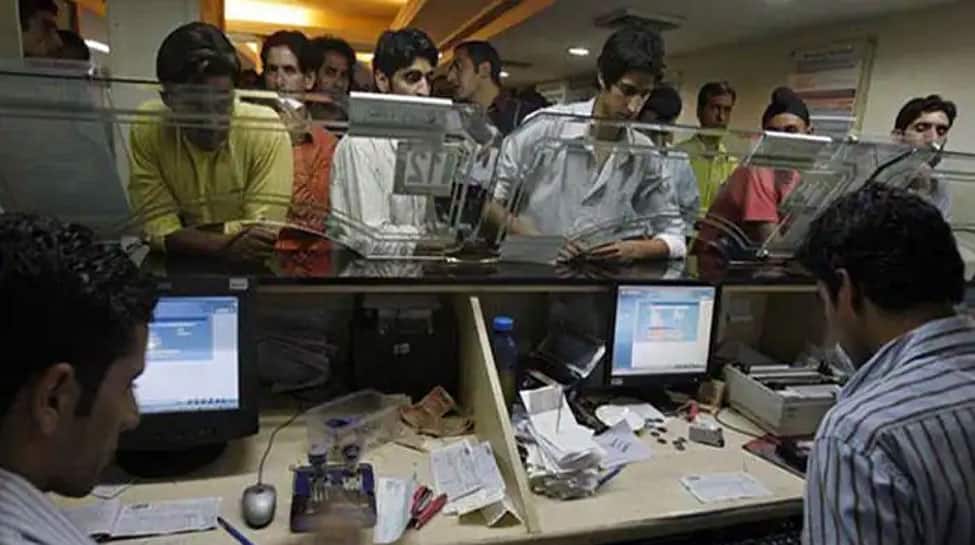
New Delhi: Planning a bank visit this week? You might want to double-check first. Between September 8 and 14, 2025, many bank branches across India will remain shut on different days due to a mix of national and regional holidays, including Eid-e-Milad, the Friday following Eid, and the usual weekend closures.
Bank Closures Under RBI Holiday List
The Reserve Bank of India (RBI) has listed these holidays under the Negotiable Instruments Act, which covers transactions like cheques and promissory notes. While ATMs and online banking will continue to work, customers won’t be able to access in-person services at branches in the affected regions.
Why Did Mumbai Shift the Eid-e-Milad Holiday to September 8?
In Mumbai, Eid-e-Milad was initially slated for September 5, but the Maharashtra government shifted the holiday to Monday, September 8. The decision came after a request from the Muslim community to ensure harmony with Ganpati Visarjan celebrations on Anant Chaturdashi, which falls on September 6. Because of this change, all public and private banks in Mumbai will stay closed on September 8. (Also Read: CBIC Denies Viral Claims On GST Transition Benefits From Sep 22, Calls Message Misleading)
Full Bank Holiday List (Sep 8–14, 2025)
September 8 (Monday) – Banks closed in Mumbai for Eid-e-Milad
September 12 (Friday) – Banks closed in Jammu and Srinagar for Friday following Eid-i-Milad-ul-Nabi
September 13 (Saturday) – Second Saturday – Nationwide bank holiday
September 14 (Sunday) – Sunday Holiday – All-India (as per RBI rules)
What Can You Do When Banks Are Closed?
Even when branches are shut for holidays, most services remain within your reach. Customers can continue using online and mobile banking, as well as UPI and bank apps, for payments and transfers. ATMs also function normally, ensuring cash withdrawals are available during emergencies. (Also Read: GST Rate Cuts Big Relief For FMCG, Apparel, Footwear, Restaurants: Report)
However, transactions involving cheques and promissory notes are affected. That’s because the RBI issues the annual holiday list under the Negotiable Instruments Act, which governs such instruments. On these declared holidays, processing of cheques and similar paper-based transactions won’t take place.


Business
Petrol and diesel prices may rise if Middle East crisis persists, says RBI Governor Sanjay Malhotra – The Times of India
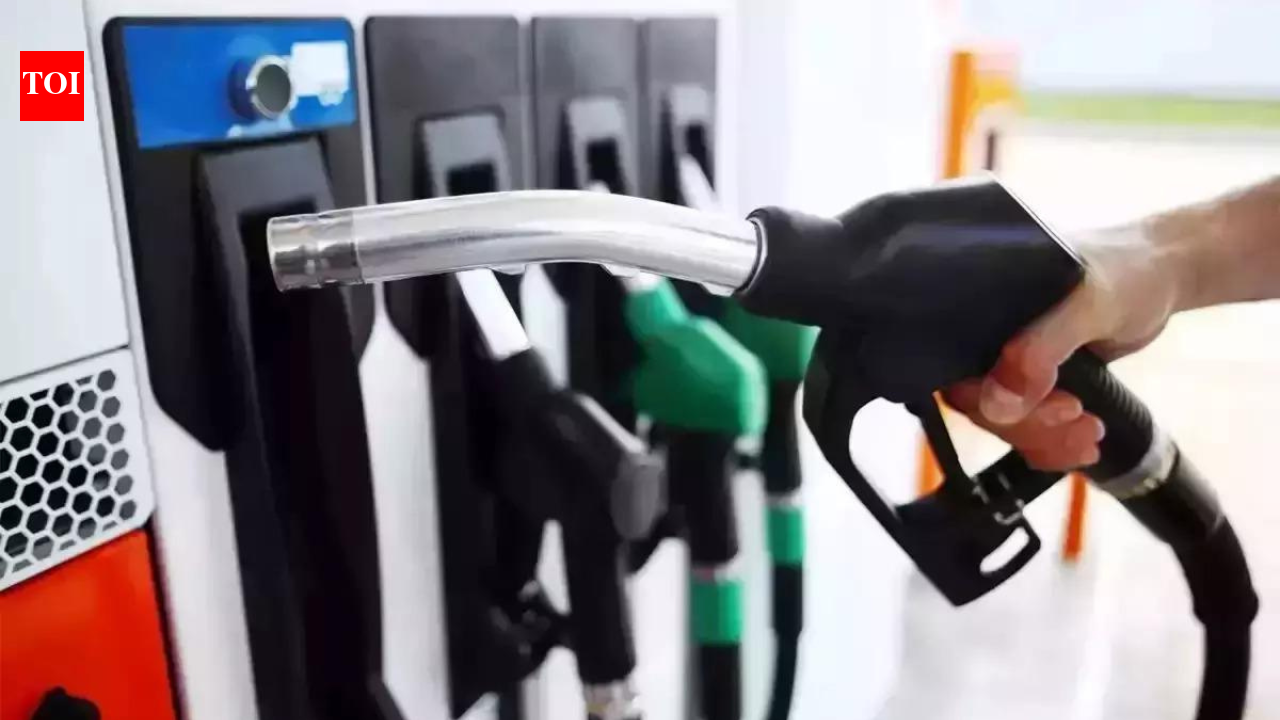
Reserve Bank Governor Sanjay Malhotra has said the government may eventually have to raise petrol and diesel prices if the ongoing Middle East crisis continues for a prolonged period, PTI reported on Wednesday.Speaking at a conference in Switzerland on Tuesday, Malhotra said the disruption in oil and gas supplies due to the conflict and blockade of the Strait of Hormuz has begun impacting India, which remains heavily dependent on energy and fertiliser imports.Referring to the crisis, the RBI governor said if it continues for a longer duration, it is a “matter of time that the government will actually pass on some of these price increases”.The government has so far not increased retail petrol and diesel prices despite the conflict in West Asia that began on February 28.Malhotra also said the government has remained fiscally prudent and continues on the path of fiscal consolidation.The comments come amid rising pressure on India’s external sector due to elevated crude oil prices and a weakening rupee, which has slipped below the 95 mark against the US dollar.Prime Minister Narendra Modi had earlier called for measures such as reducing fuel consumption and lowering edible oil usage to help conserve foreign exchange reserves.As global crude oil prices surge amid the prolonged Middle East conflict and disruptions around the Strait of Hormuz, India has so far avoided major increases in petrol and diesel prices, choosing instead to absorb the pressure through state-run oil marketing companies (OMCs), tax adjustments and supply management measures.The Centre has repeatedly asserted that there is no fuel shortage in the country and no plan to introduce rationing of petrol, diesel or LPG despite disruptions in global energy shipments linked to the Iran conflict and the Strait of Hormuz crisis.“There is no need to panic. There are sufficient supplies. There is no rationing in place. It’s not going to happen,” Oil Secretary Neeraj Mittal said recently at the CII Annual Business Summit.Officials said India currently maintains around 60 days of fuel stocks and nearly 45 days of LPG inventories despite continuing volatility in global energy markets.
OMC losses mount as crude prices surge
The government’s decision to hold retail fuel prices steady despite rising international crude rates has increased pressure on state-run oil companies.According to official discussions reviewed during recent government briefings, OMCs are estimated to be losing between Rs 1,000 crore and Rs 1,200 crore every day because of elevated crude prices and unchanged pump rates.Under-recoveries are estimated to have approached nearly Rs 2 lakh crore during the first quarter of 2026.The current crisis intensified after shipping movement through the Strait of Hormuz — a key global oil transit route handling nearly one-fifth of global crude flows — came under severe disruption during the Iran conflict.Brent crude prices surged above $110 per barrel during the latest phase of the crisis, sharply increasing import costs for major oil-consuming countries like India. India imports nearly 90 per cent of its crude oil requirements, making the economy highly vulnerable to global energy price shocks.
Govt focuses on supply stability, inflation control
The Centre has simultaneously attempted to prevent inflationary shocks and avoid panic in domestic fuel markets.Officials said India has increased procurement from alternate suppliers and secured additional energy cargoes to maintain uninterrupted supplies.“We have procured from other sources. We have procured from other countries. We have increased procurement from existing countries and that has kept us going in terms of supply management in the short run,” Mittal said.The government has also absorbed part of the global price shock through excise duty adjustments on petrol and diesel. Officials estimate the revenue impact of fuel-related tax reductions at nearly Rs 1.6 lakh crore.Prime Minister Narendra Modi on Sunday (May 10) urged citizens to conserve fuel, reduce unnecessary imports and avoid wasteful consumption as rising oil prices increase pressure on India’s import bill and foreign exchange reserves. The Prime Minister also encouraged greater use of public transport, carpooling, electric vehicles and work-from-home arrangements wherever possible. The government has described these as precautionary steps rather than emergency restrictions.
Pressure likely to continue
Fuel prices remain among the most politically sensitive economic issues in India because increases in petrol and diesel rates directly affect transport costs, food prices and household budgets.While the Centre has so far avoided large retail fuel price increases, analysts say prolonged suppression of prices could further strain OMC finances if crude prices remain elevated for a longer period.

Containers at the Port of Oakland in Oakland, California, US, on Thursday, March 26, 2026.
David Paul Morris | Bloomberg | Getty Images
Months after the Supreme Court ruled some tariffs were unconstitutional, the first round of tariff refunds has begun flowing in.
Oshkosh Corporation CFO Matt Field confirmed to CNBC that the company has started receiving tariff refunds as of Tuesday.
“Following acceptance of our initial filing, we have begun receiving payments on our tariff refund claims, representing an initial portion of our total claims submitted,” Field said.
The company has not yet verified its total refund amount, Field added.
Basic Fun, the company behind Care Bears and Tonka trucks, also told CNBC it began receiving tariff refunds on Tuesday.
CEO Jay Foreman said the refunds so far have only represented 5% of the company’s total claim on its early invoices.
“We will utilize the refund dollars to help support our 2026 cash flow and invest in our team. This is the toughest time of the year for toy companies,” Foreman said in a statement. “We’ll also be announcing to our staff that we will be increasing salaries to help offset cost of living increase, announcing promotions and larger merit increases. We are reinvesting the funds in our business and people.”
Logistics companies UPS, FedEx and DHL have previously said that they will file for tariff refunds on behalf of their customers, requiring no further action from them. The first phase of tariff refunds only covers requests for entries that CBP finalized within the past 80 days, though that process could take months to reach customers.
The U.S. Customs and Border Protection said in a court filing that it anticipated paying refunds of $35.46 billion on 8.3 million shipments, as of Monday morning.
In February, the Supreme Court invalidated President Donald Trump‘s tariffs imposed under the International Emergency Economic Powers Act of 1977. In the months that followed, companies began filing for tariff refunds in a portal, called the Consolidated Administration and Processing of Entries.
In a radio interview with WABC on Tuesday morning, Trump called the tariff refund situation “crazy.”
“In theory, you have to pay the tariffs back. We’ll fight that,” Trump said. “We were taking in fortunes from people that hate us, countries and companies that hate us.”
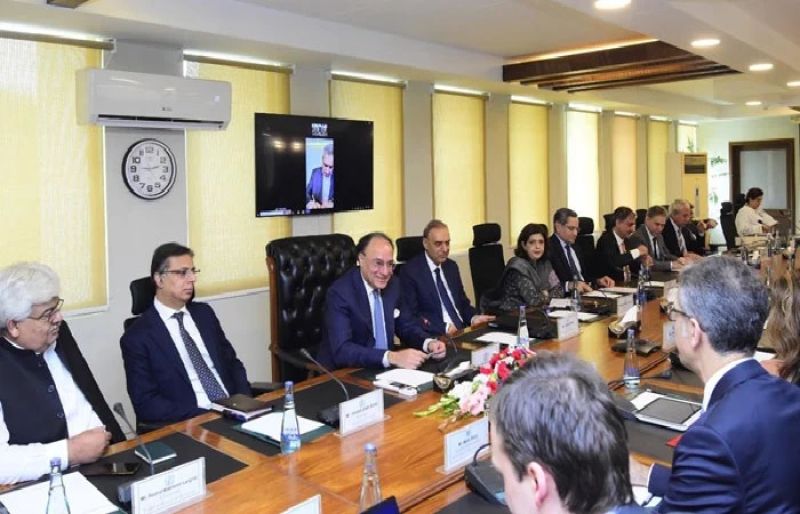
Finance Minister Muhammad Aurangzeb on Wednesday briefed the visiting International Monetary Fund (IMF) mission on the country’s macroeconomic outlook, fiscal strategy, reform priorities, and the government’s ongoing efforts to ensure sustainable economic stability and long-term growth.
The meeting with the visiting IMF mission, led by Mission Chief Iva Petrova, focused on Pakistan’s macroeconomic stabilisation efforts, preparations for the upcoming federal budget, and the broader reform agenda aimed at strengthening fiscal and external sustainability while fostering sustainable economic growth.
During the meeting, both sides exchanged views on maintaining reform momentum, preserving macroeconomic stability, and advancing structural reforms to promote investment, productivity, and export-led growth within a balanced and forward-looking policy framework.
The finance minister appreciated the IMF’s continued engagement and constructive dialogue with the government of Pakistan.
He particularly acknowledged the productive discussions initiated during the Spring Meetings held in Washington earlier this year.
Senator Aurangzeb shared encouraging developments regarding Pakistan’s external sector, highlighting positive trends in remittances and export performance.
He noted that recent data indicated improvement in exports on both a month-on-month and year-on-year basis, reflecting growing resilience in the economy and a gradual strengthening of macroeconomic fundamentals.
The minister emphasised that while economic stabilisation efforts had produced encouraging results, the government remained fully mindful of the structural challenges confronting the economy, particularly external liabilities and the need to accelerate sustainable, export-led growth.
He reiterated the government’s commitment to deepening reforms aimed at strengthening macroeconomic stability without compromising long-term growth prospects.
In this regard, he underscored the importance of moving Pakistan away from recurring boom-and-bust cycles through structural reforms, productivity enhancement, deregulation, and improved export competitiveness.
The minister further stated that the government’s reform agenda had been carefully calibrated in consultation with international experts and economists.
He emphasised that the ongoing policy measures were not driven by short-term considerations, but formed part of a broader and technically grounded economic transformation strategy endorsed at the highest level.
The IMF mission acknowledged the positive progress made by Pakistan in maintaining macroeconomic stability despite a challenging global and regional environment.
The Mission appreciated the government’s continued commitment to prudent economic management and reform implementation.
It emphasised the importance of sustaining reform momentum, maintaining fiscal discipline, and advancing structural reforms to support durable and inclusive economic growth.
Discussions during the meeting also focused on the broader macroeconomic framework, the government’s reform agenda, and priorities for the upcoming budget.
The mission reaffirmed its commitment to continued engagement and constructive cooperation with Pakistan in support of the country’s economic reform programme and long-term economic resilience.


Overworked AI Agents Turn Marxist, Researchers Find
Petrol and diesel prices may rise if Middle East crisis persists, says RBI Governor Sanjay Malhotra – The Times of India

OpenAI Brings Its Ass to Court

-

 Tech5 days ago
A new frontier: Identity stack evolves for agentic systems | Computer Weekly
-

 Tech5 days ago
‘Orbs,’ ‘Saucers,’ and ‘Flashes’ on the Moon: Pentagon Drops New UFO Files
-

 Tech5 days ago
Nick Bostrom Has a Plan for Humanity’s ‘Big Retirement’
-

 Sports5 days ago
Shaheen Afridi achieves landmark feat during opening Test against Bangladesh
-
 Business1 week ago
India among most resilient large EMs, better placed for future global shocks; policy reforms & strong buffers help: Moody’s – The Times of India
-

 Tech6 days ago
What Microsoft Executives Really Thought About OpenAI in 2018
-

 Fashion5 days ago
New orders in German manufacturing up 5% MoM in Mar 2026: Destatis
-

 Tech6 days ago
The Canvas Hack Is a New Kind of Ransomware Debacle