

Fashion
Banking woes threaten Bangladesh’s RMG export momentum

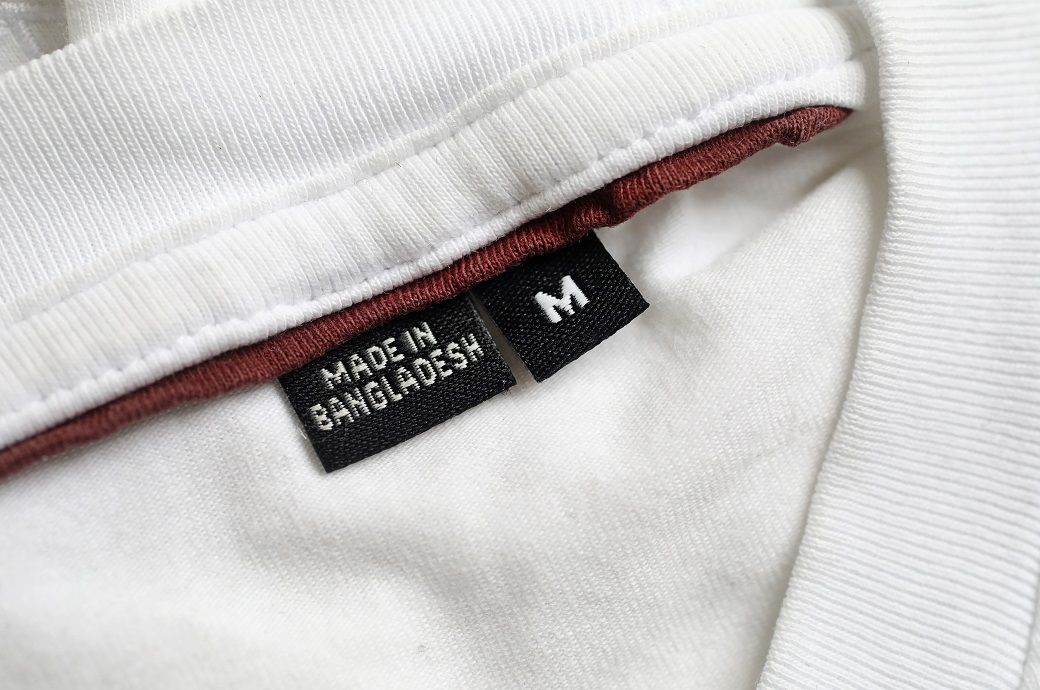
On the other hand, the very backbone of the country’s apparel export ecosystem—its banking system—has been exhibiting severe structural failures, paralysing operations, and threatening future growth prospects.
Bangladesh apparel industry is reportedly facing a liquidity crunch due to banking failures at a time when shifting orders are expected to benefit the country.
The sector’s heavy reliance on back-to-back LCs has turned risky, as local banks struggled to honour or issue new LCs.
Exporters warned delayed payments and financing risks might hit Bangladesh’s image while also eroding its competitive gains.
With Western retailers increasingly seeking alternatives to Chinese suppliers amid geopolitical and cost considerations, Bangladesh has emerged as a key beneficiary. Reports of order diversions from China and even India were already fuelling optimism across the textile-exporting community.
However, just as factories began preparing to absorb the expected surge in orders, the sector was blindsided by a systemic banking failure—one that has reportedly affected production in around 400 garment manufacturing units recently.
The crisis is rooted in the sector’s heavy reliance on Letters of Credit (LCs) for procurement and production continuity.
Typically, in export-based business models, foreign buyers open LCs through internationally recognised banks, ensuring payment to the supplier upon shipment. Bangladeshi exporters, however, operate within a more constrained framework. They commonly utilise back-to-back LCs provided by local banks to finance the procurement of raw materials. These back-to-back LCs are settled once export proceeds are realised.
The model worked efficiently—until liquidity dried up.
Reports indicate banking problems escalated sharply during the COVID-19 pandemic period. Since then, a cascading series of alleged financial missteps, rising non-performing loans (NPLs), and widespread governance issues have only deepened the cracks, as per reports.
Exporters have complained that even when export dollars are repatriated into the country, banks have been delaying or withholding the disbursement of funds. This has not only hindered the settlement of back-to-back LCs but has also jeopardised the ability of factories to pay worker wages—a particularly sensitive issue in Bangladesh, where the RMG sector directly employs over four million people and indirectly supports the livelihoods of many more.
According to data from the central bank—Bangladesh Bank—non-performing loans in the country’s banking sector reportedly jumped by Taka 74,570 crore in the January–March 2025 quarter, pushing the cumulative figure beyond Taka 4.20 lakh crore.
Several financial institutions are reportedly teetering under the weight of these bad loans, many of which are the result of alleged politically backed fraudulent lending practices and regulatory inertia.
Among the most vulnerable are five Islamic banks, facing critical liquidity shortages.
Recognising the systemic risk, the Bangladesh Bank has now proposed a merger of these five crisis-hit Islamic banks into a single entity—‘United Islami Bank.’ With the approval of the interim government, the central bank has reportedly pledged a capital infusion of Taka 20,200 crore to stabilise the merged institution.
This restructuring, though vital, may take time to translate into functional liquidity relief for the export sector, especially given the urgent cash flow needs of factories already struggling to stay operational.
In the meantime, industry representatives have been lobbying hard for immediate intervention. A BGMEA delegation, led by its president, met with the governor of the Bangladesh Bank to raise urgent concerns about the banking bottleneck. During the meeting, the BGMEA highlighted the inability of multiple banks to release repatriated export proceeds or issue new LCs—both of which are essential for maintaining production cycles and meeting international shipment deadlines.
According to reports, the BGMEA president made it clear that these delays are not just hurting domestic business continuity but are also inflicting reputational damage on Bangladesh’s credibility in the global arena.
In an industry where timeliness and trust are paramount, any perception of systemic risk—particularly around payment and financing—can result in order migration to more stable sourcing destinations.
That a sector contributing about 85 per cent of the country’s export revenues and powering nearly four million direct jobs finds itself at the mercy of banking dysfunction signals a deep policy failure, feels many.
The government, aware of the criticality of the situation, started taking steps to provide liquidity support, if reports are to be believed.
On September 4, the BGMEA issued a statement confirming that Bangladesh Bank had released Taka 886 crore in export proceeds via two distressed banks—Exim Bank and Social Islami Bank Ltd (SIBL). The disbursement has reportedly enabled nearly 250 garment factories to pay workers’ wages and allowances for August and September.
While such temporary injections could provide some breathing space, such measures are far from being a sustainable solution.
Compounding the challenge is the psychological effect the crisis is having on foreign buyers and financial markets. Order volumes and investment flows, after all, are heavily influenced by perceptions of political and financial stability.
So, even if the US imposed a somewhat favourable 20 per cent tariff on Bangladeshi goods, effective from August 7, the banking turmoil could end up eroding those competitive gains. If international buyers begin to question the reliability quotient, especially due to financial transaction risks, the consequences could be long-lasting.
The scenario unfolding at a time when many global brands are actively diversifying their sourcing bases, Bangladesh has an open runway to seize a larger share of the global apparel export pie, but for the liquidity crisis, which many fear, could become a roadblock to capitalising on the opportunities on offer.
Fibre2Fashion News Desk (DR)









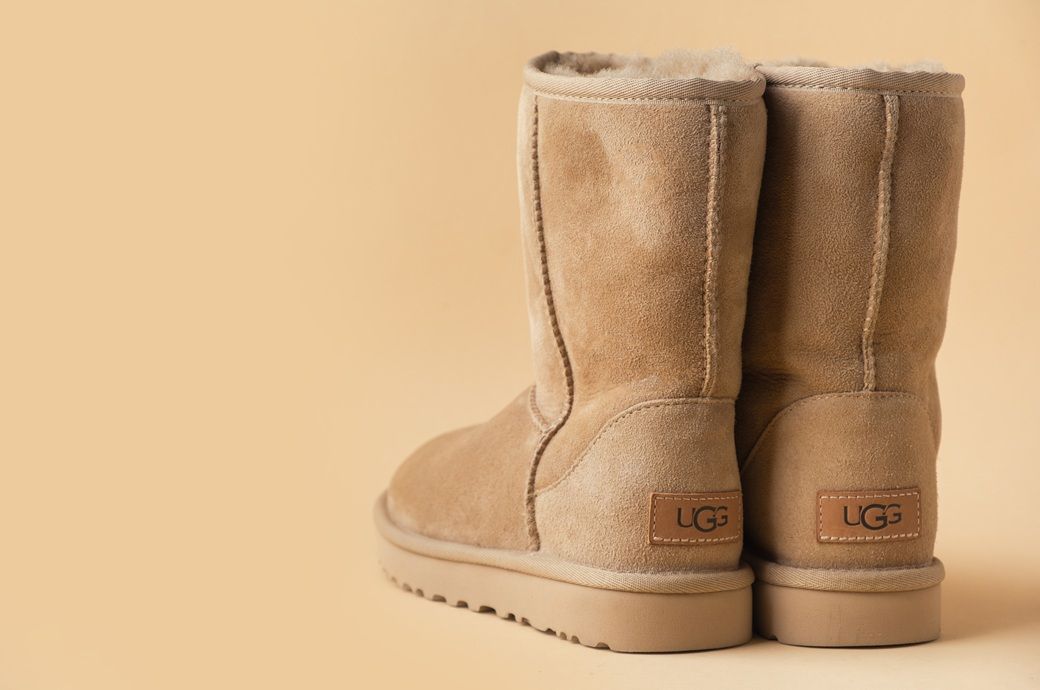
Kenneth Straka, Senior Product Development Manager at Deckers Outdoor Corporation, said that Deckers places strong emphasis on sustainability, noting that founder John Luke often reminded the team that the French word for sustainability is durability. This idea aligned with discussions at the Global Fashion Summit, where the theme centred on “Building Resilient Futures” in the sustainable and circular economy.
Durability has helped UGG become one of the most sought-after boot brands and a key sales driver for Deckers, alongside its sportswear brand Hoka. “One of the things we think about in terms of circularity is making products that last a long time and remain with consumers throughout their lives. We want products that consumers can wear for ** or ** years,” Straka said in an interview with Fibre*Fashion on the sidelines of the Global Fashion Summit in Copenhagen.
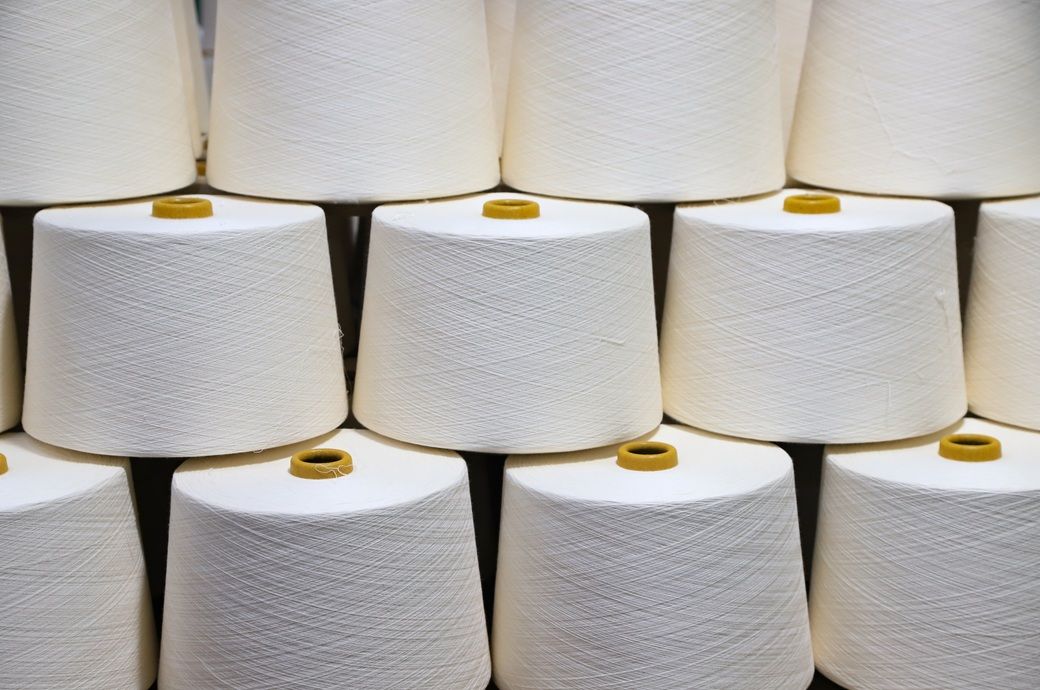
In the Tiruppur market, cotton yarn prices increased by ****;*–* per kg in this week despite sluggish local demand. Prices were quoted higher because of limited supply from spinning mills. A trader from the Tiruppur market told Fibre*Fashion, “Domestic demand remained limited, but spinning mills are not relying solely on the domestic market for cotton yarn sales. They are focusing more on exports, where demand and prices remain attractive. Mills have raised yarn prices following higher ICE cotton prices and the CCI’s increase in auction base prices, although ICE cotton has witnessed a sharp decline over the past two days.”
In Tiruppur, knitting cotton yarn prices were noted as: ** count combed cotton yarn at ****;***–*** (~$*.**–*.**) per kg (excluding GST), ** count combed cotton yarn at ****;***–*** (~$*.**–*.**) per kg, ** count combed cotton yarn at ****;***–*** (~$*.**–*.**) per kg, ** count carded cotton yarn at ****;***–*** (~$*.**–*.**) per kg, ** count carded cotton yarn at ****;***–*** (~$*.**–*.**) per kg, and ** count carded cotton yarn at ****;***–*** (~$*.**–*.**) per kg.
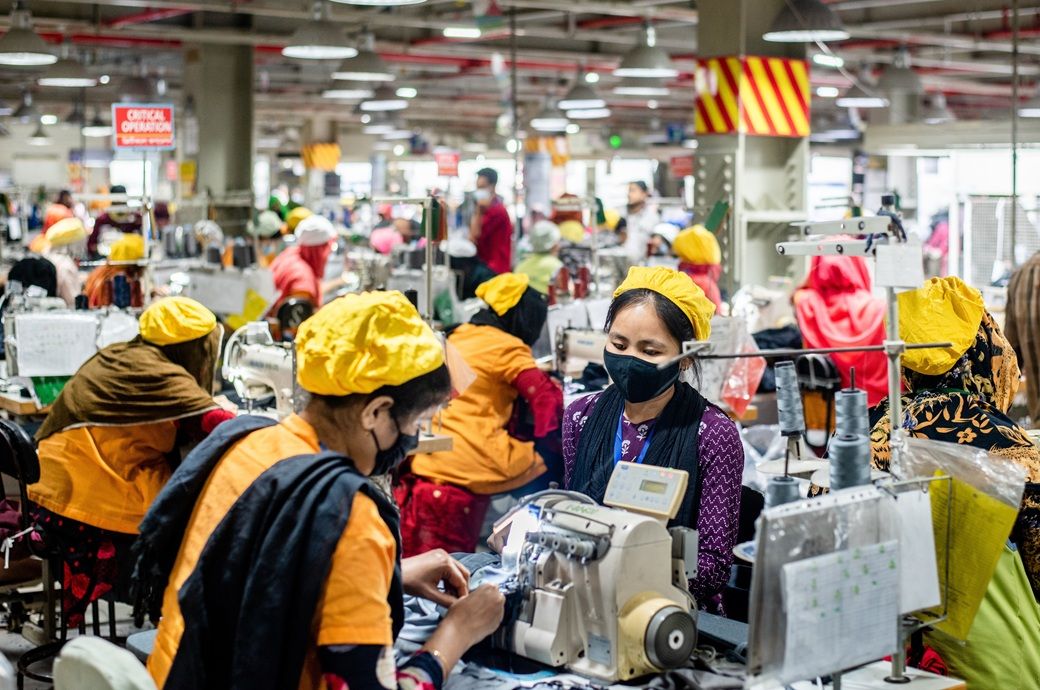
BGMEA president Mahmud Hasan Khan said they discussed export diversification within the garment sector, reopening of closed factories and many factories’ struggle for survival.
Representatives of two top Bangladesh garment trade bodies recently met PM Tarique Rahman and urged him to ensure uninterrupted power and energy supply, quick release of export receipts from banks, reopening of closed factories and easing of customs regulations.
BKMEA raised concerns about misuse of the bond facility and urged action against violators of bond licences.
104 factories have informed the BGMEA about their closure till now, Khan said. BGMEA will scrutinise these cases to identify the genuine reasons for the closures.
Following the scrutiny, the association will send recommendations for reopening these factories, as the government is working to open a Tk 200-billion fund to assist their revival.
BKMEA president Mohammad Hatem said some 400 factories closed in the last three years—nearly 300 of them due to non-cooperation from banks. He said banks release export receipts to exporters’ lien accounts, but delays in payment often force loans into default, leaving exporters unable to pay suppliers on time.
He also demanded uninterrupted supply of power and gas to industrial units as recent shortages of fuel oil have severely affected productivity, according to domestic media ooutlets.
Hatem raised concerns about misuse of the bond facility and urged action against violators of bond licences.
He also called for easing the rules of the National Board of Revenue, particularly customs procedures, to smoothen export and import processes and reduce lead times.
Fibre2Fashion News Desk (DS)


Pete Davidson’s friends support comic against ex Elsie Hewitt allegations

Indy 500: Counting Down The 10 Best Finishes In Race History
Why does Amazon have no Western rivals?

-

 Entertainment5 days ago
Conan O’Brien hat tricks as Oscar host
-

 Tech1 week ago
Could Contact-Tracing Apps Help With the Hantavirus? Not Really
-

 Tech1 week ago
I Tried the Best Captioning Smart Glasses, and Only One Leads the Pack
-

 Fashion5 days ago
Italy’s Zegna Group’s Q1 growth boosted by strong organic performance
-

 Sports1 week ago
Bobby Cox, legendary Atlanta Braves manager who led 1995 World Series champions, dead at 84
-

 Entertainment1 week ago
Martin Short: Facing tragedy with joy
-

 Entertainment1 week ago
Tom Brady gets back at Kevin Hart during Netflix roast
-

 Entertainment1 week ago
Martha Stewart: How to make an omelet