

Business
Brexit partly to blame for high inflation, says Rachel Reeves

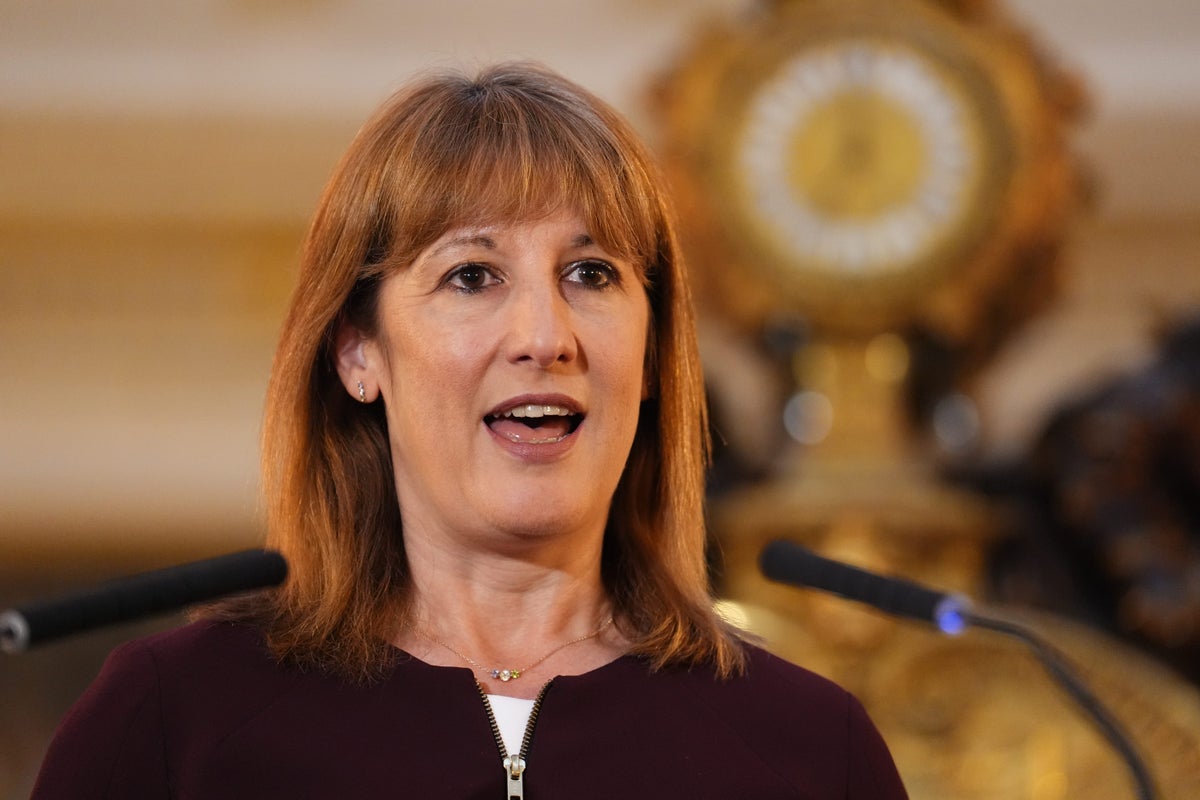
Brexit is partly to blame for high inflation in the UK, Rachel Reeves has said as she made the case for rebuilding ties with the EU.
The Chancellor said the cost of trading with Brussels was among the reasons for rising prices in Britain.
During an appearance at Riyadh’s Future Investment Initiative summit on her visit to Saudi Arabia, Ms Reeves attributed the UK’s vote to cut ties with the EU to “a rejection of open borders”.
But she said there was “public support” for the Labour Government’s move to reset relations with the bloc, including an agreement secured earlier this year aimed at cutting red tape for travellers and businesses.
“I think Brexit was a rejection of open borders, but if you look at the UK today, when we did that deal back in May with the European Union, to take down some of those barriers and indeed to introduce an ambitious youth mobility scheme, there was public support for that,” Ms Reeves said.
“And actually the sort of worry, perhaps, that we had as the Government, that reopening that can of worms of our relationship with the European Union might be quite dangerous – actually, the response has been very good.
“Businesses, especially small businesses, who face increasing red tape since we left the European Union, for workers, who are now locked out of the jobs market in Europe, there are obviously huge benefits from rebuilding some of those relations.”
Ms Reeves is preparing to deliver a challenging Budget next month in which she is widely expected to increase taxes again to plug a hole in the public finances.
Economists at the Institute for Fiscal Studies (IFS) have said she would need to raise £22 billion to restore the £10 billion of headroom she previously left herself.
The pressure has been eased slightly by better-than-expected inflation, with the Consumer Prices Index (CPI) rate remaining steady last month at 3.8%, but the Chancellor said on Tuesday that it was still too high.
“Inflation is too high in countries around the world including in the UK, and one of the reasons for that is that there’s too much cost associated with trade with our nearest neighbours and trading partners,” she told the audience.
Ms Reeves is leading a UK delegation in Saudi Arabia as the Government seeks to deepen ties with the region in a search for economic growth.
On Tuesday, she welcomed a package of two-way trade and investment deals with the country which the Treasury says is worth £6.4 billion.
The agreements include up to £5 billion in financing support from UK Export Finance for projects in Saudi Arabia, which the Government hopes will unlock contracts for British suppliers, and a new Barclays headquarters in Riyadh.
“The £6.3 billion package of new trade, procurement and investment commitments unveiled today will turbocharge business opportunity and create thousands of jobs at home – key ingredients for kickstarting economic growth and building an economy that works for, and rewards, working people,” Ms Reeves said.
Downing Street has defended the visit amid questions about Saudi Arabia’s human rights record, insisting that “economic partnership can co-exist with frank dialogue on areas of disagreement”.
“The Chancellor will be honest with Gulf counterparts over areas of divergence and cultural differences,” the Prime Minister’s official spokesman said on Monday.
Heineken has announced a substantial investment exceeding £44 million into hundreds of its pubs across the UK, a move expected to create approximately 850 jobs.
The Dutch brewing giant’s Star Pubs operation, which manages 2,350 sites nationwide, is undertaking this significant financial commitment despite a challenging period for the pub sector.
The industry has faced considerable pressure over the past year, grappling with escalating labour costs and increases in national insurance contributions.
Concurrently, consumer spending has been constrained by concerns over inflation and rising unemployment, further impacting pub revenues. However, pubs did receive additional business rates support from the government last month, aimed at alleviating some of these financial burdens.
Lawson Mountstevens, managing director of Star Pubs, indicated that the investment strategy is partly designed to bolster revenues and help the group navigate the recent “sustained increases in running costs”.
This year, £44.5 million will be allocated to upgrades for 647 pubs. A notable 108 of these venues are earmarked for particularly significant cash injections, with each transformation costing at least £145,000.
Heineken clarified that while the majority of its pubs are group-owned, they are independently operated by local licensees. A key focus for this investment, particularly in the lead-up to the 2026 football World Cup, will be on sports-focused venues.
The pub firm and brewer has a history of significant investment in British pubs, having pumped £328 million into the sector since 2018. Work has already commenced at 52 locations, including eight projects dedicated to reopening boarded-up pubs that have endured lengthy closures.
Mr Mountstevens also urged the government to reduce the tax burden on pubs, arguing it would ease cost pressures and foster further job creation within the industry.
He stated: “We can only do so much; the root-and-branch reform of business rates that the industry has been calling for over many years is urgently required, as well as a lowering of the burden of taxation on pubs, including VAT and beer duty.”
He concluded with a direct appeal: “We are calling on the Government to support us in bringing out the best in the Great British pub.”

GameStop’s boss Ryan Cohen says he sees potential to make eBay a much bigger rival to Amazon.
Source link
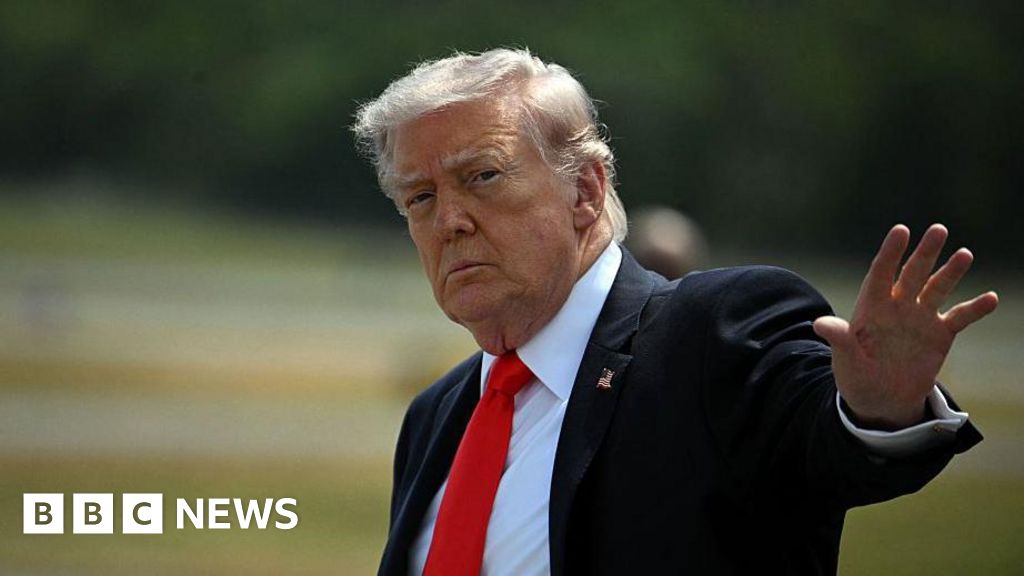
It comes as the US said on Monday it will begin to help “guide” vessels out of the Strait of Hormuz.
Source link


Iran says it forced US warship back from Strait of Hormuz

It took 40 years for technology to catch up to this zipper design

Britney Spears case ends with guilty plea in reckless driving matter

-

 Tech1 week ago
A Brain Implant for Depression Is About to Be Tested in Humans
-

 Tech1 week ago
Almost 90% of women leave tech industry within 10 years | Computer Weekly
-
 Business7 days ago
‘I had £20,000 stolen and had to fight a 13-month fraud reporting rule to get it back’
-
 Business1 week ago
Pakistan’s oil market is fuelling the crisis | The Express Tribune
-

 Sports6 days ago
Pro wrestling star Steph De Lander reveals how colleague’s advice helped lead her to title triumph at ACW
-

 Entertainment1 week ago
Melania Trump says ABC should ‘take a stand’ on late-night host Kimmel
-

 Tech6 days ago
This Ambitious Laptop Doesn’t Leave Much Room for Your Hands
-

 Entertainment7 days ago
Norway joins Type 26 Frigate Programme to boost NATO naval power