

Politics
Britain’s former premier central to Trump’s Gaza plan


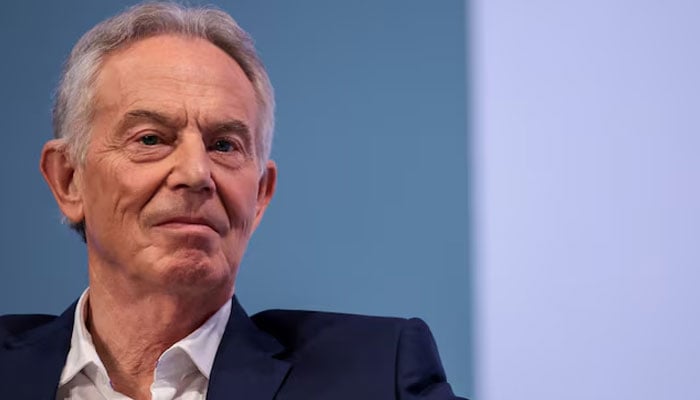
Tony Blair, Britain’s former prime minister whose legacy was heavily tarnished by the 2003 war in Iraq, has long been a contentious figure in the Middle East and beyond.
His potentially leading role in Donald Trump’s peace plan for Gaza will likely do little to change that.
Blair, 72, who is set to sit on the board of an international transitional authority in the Palestinian territory, is credited with crafting the US leader’s plan alongside Trump’s son-in-law and advisor Jared Kushner.
“I wouldn’t say that Trump anointed him, it’s that he managed to convince President Trump of the merits of this plan,” Sanam Vakil, Middle East programme director at the Chatham House think tank, told AFP.
Blair brings a wealth of regional contacts and experience after spending eight years as the envoy for the Middle East Quartet of the European Union, United Nations, United States and Russia.
A savvy and confident global operator, he will be seen as bringing heft to any leadership role in Gaza.
Critics argue he achieved little as envoy and that he is ill-suited to play peacemaker, as he is reviled by many Arabs and discredited in Britain for joining the US-led invasion of Iraq.
“His reputation, of course, is mired by his involvement in the Iraq war,” Vakil said.
“But at the same time, he is trusted by leaders in the Gulf … (who) see him as a potential bridge-builder candidate,” she added, stressing that this did not correspond to Palestinian support.
‘Horrible idea’
Blair, a skilled communicator famed for his strong self-belief, has maintained an informal regional role through his institute and consultancy roles.
He contributed to the 2020 historic Abraham Accords brokered during the first Trump presidency, which normalised relations between Israel and the United Arab Emirates, Bahrain and Morocco, according to his office.
Israel appears to welcome his possible new role, with Blair said to enjoy a good rapport with Prime Minister Benjamin Netanyahu.
“He has always had a corner of his heart devoted to the unfinished project of calming down this conflict,” Ehud Barak, who served as Israel´s premier in the early 2000, told the Washington Post.
The Palestinians seem less enthusiastic about his participation.
“That is the most horrible idea,” Mustafa Barghuti, head of the Palestinian National Initiative, told CNN.
“To bring a foreign person to run the Palestinian affairs in Gaza is absolutely unacceptable, especially with the reputation that Mr. Blair has.”
Francesca Albanese, the UN special rapporteur on rights in the Palestinian territories, was equally blunt.
“Tony Blair? Hell no,” she posted on X. “Shall we meet in The Hague perhaps?” she added, referring to the International Criminal Court amid calls for him to face war crimes charges over Iraq.
Blair has remained unapologetic about joining the 2003 invasion, which triggered accusations that the UK government was “a poodle” of then-US president George W Bush.
But he has expressed regret about intelligence failures and the lack of post-war planning.
“At least you could say we were removing a despot and trying to introduce democracy,” he told AFP in a 2023 interview.
‘Cool Britannia’
A youthful Blair first became a lawmaker for centre-left Labour in 1983. Within 11 years, he was spearheading reform as a leader.
He became prime minister in 1997— the first of three general election wins, an unprecedented feat for Labour — and, at 43, Britain’s youngest premier since 1812.
Riding a wave of “Cool Britannia” optimism in his 10-year tenure, Blair oversaw a period of prosperity, enacted key constitutional changes and expanded gay rights.
He also secured a historic peace accord in Northern Ireland.
But his political fortunes shifted in the aftermath of the 9/11 attacks.
One million people protested on London’s streets against invading Iraq, and his domestic reputation eroded further after the evidence for the war proved flawed.
A power struggle with finance minister Gordon Brown led to Blair being ousted in 2007.
But Blair, a committed Christian, remained a globe-trotting statesman. He set up a foundation to support interfaith dialogue and counter extremism.
He has also worked with governments in developing nations in Africa, although his lucrative consultancy work has drawn criticism.
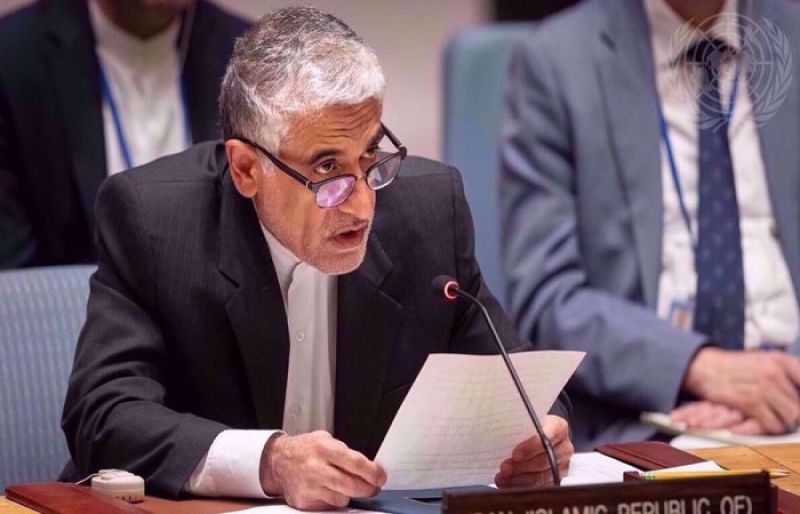

Iran’s permanent ambassador to the United Nations has vehemently denounced the fresh and unprovoked Israeli-American war on the Islamic Republic, asserting that the country will continue to act in self-defense until the end of the unlawful aggression.
Amir-Saeid Iravani made the remarks at a UN Security Council meeting on Sunday regarding the joint strikes that were launched against the country earlier on Saturday.
The nation, he stated, was facing armed aggression and a war against international law, which could not be justified by any excuse.
Referring to Iran’s decisive and ongoing retaliatory strikes, under the codename Operation True Promise 4, the envoy said it serves as a legitimate act of self-defense.
The Islamic Republic would continue to exercise its legitimate right to self-defense until the aggression ends, Iravani told the world body.
The Islamic Revolution Guards Corps (IRGC) has so far launched at least five waves of counterstrikes against numerous Israeli and American targets in response to the aggression.
IRGC has pledged to sustain the counterstrikes until the enemies’ “complete defeat,” while noting that the reprisal exceeds by far the proportions of its previous round of retaliations against Tel Aviv’s and Washington’s imposed war on the nation last June.
Addressing the same meeting, Russia’s UN envoy said Iran had been once again “stabbed in the back,” referring to the country’s coming under fresh aggression, while engaging in indirect talks with the United States aimed at resolving standing issues.
Vasily Nebenzya condemned an attack on a school in Iran that took place as part of the renewed aggression, claiming the lives of more than 100 people, calling it a sign of “unjustified aggression” by the Israeli regime and the United States against a UN member state.
He described the atrocities as “unjustifiable” and a “betrayal of diplomacy.”

- PM Modi describes accident as “deeply distressing”.
- Maharashtra CM terms it “extremely unfortunate.”
- Industrial accidents are common in India.
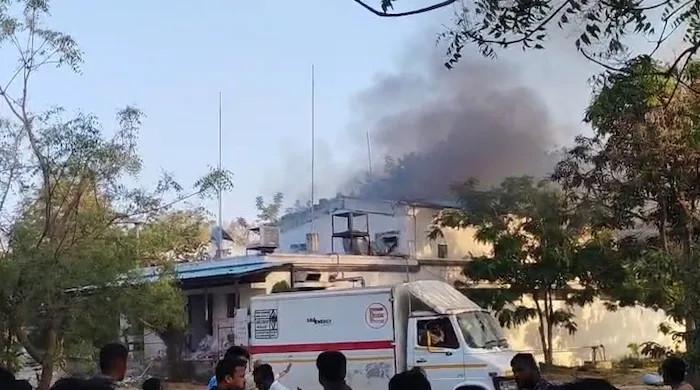
A blast at an explosives factory killed at least 17 people and injured 18 others on Sunday, officials in the western Indian state of Maharashtra said.
Prime Minister Narendra Modi said the accident was “deeply distressing” and wished a speedy recovery to the survivors.
Maharashtra state chief minister Devendra Fadnavis called the incident “extremely unfortunate and tragic” in a post on X.
The accident happened in Nagpur, about 800 kilometres (500 miles) from state capital Mumbai.
“Rescue operations have been accelerated, and so far, 17 people have lost their lives,” Fadnavis said, adding 18 others were injured.
An investigation has been ordered into the incident.
On Saturday, 21 people were killed in an explosion at a firecracker factory in the southeastern Indian state of Andhra Pradesh.
Industrial accidents are common in India, often due to disregard for safety requirements and lax enforcement.
Last year, a firework factory explosion in western India killed 21 people.
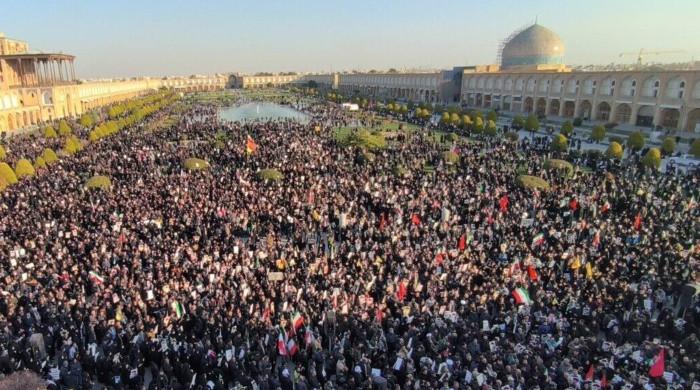
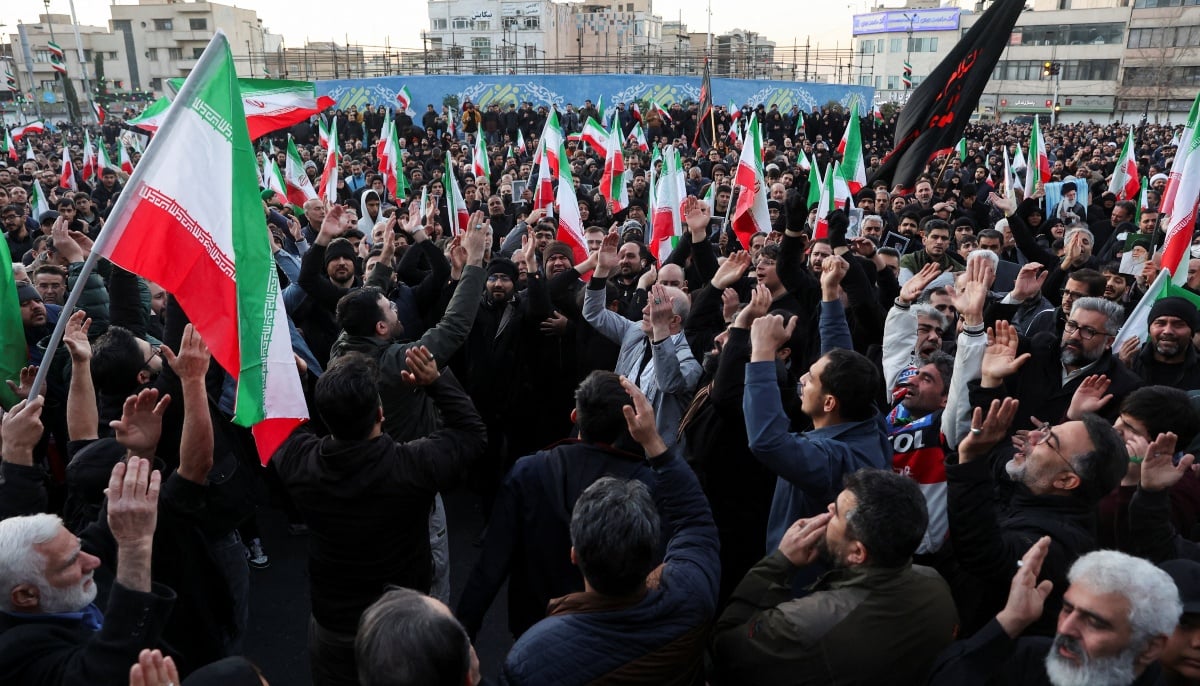
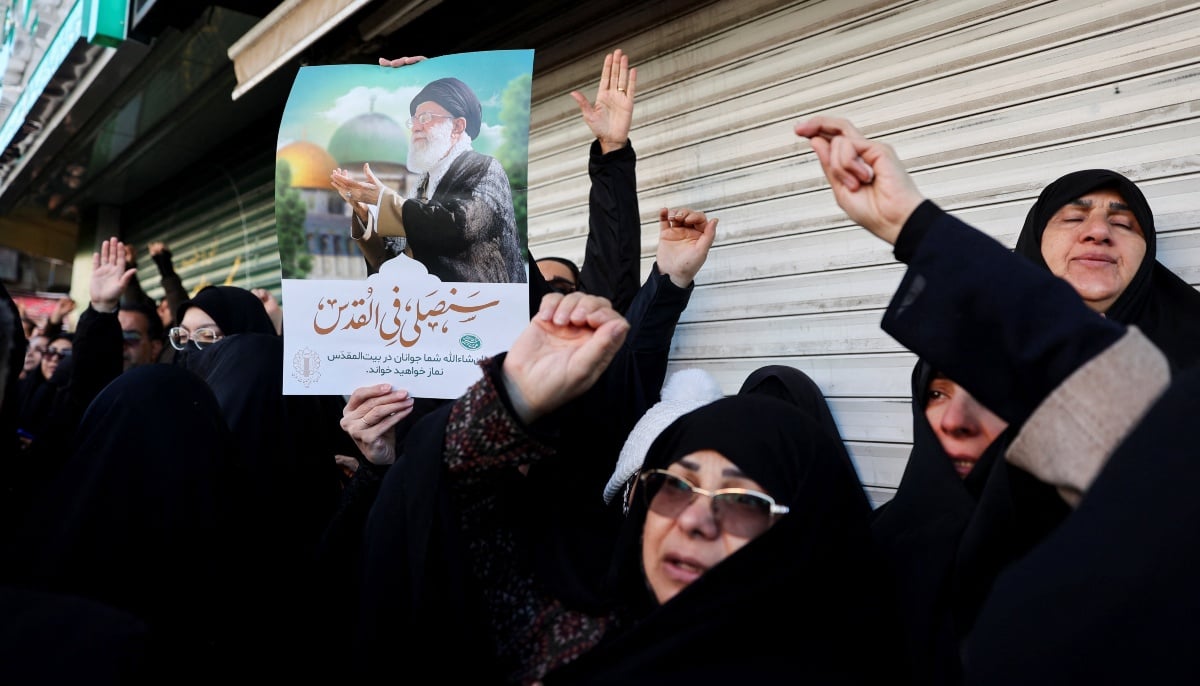
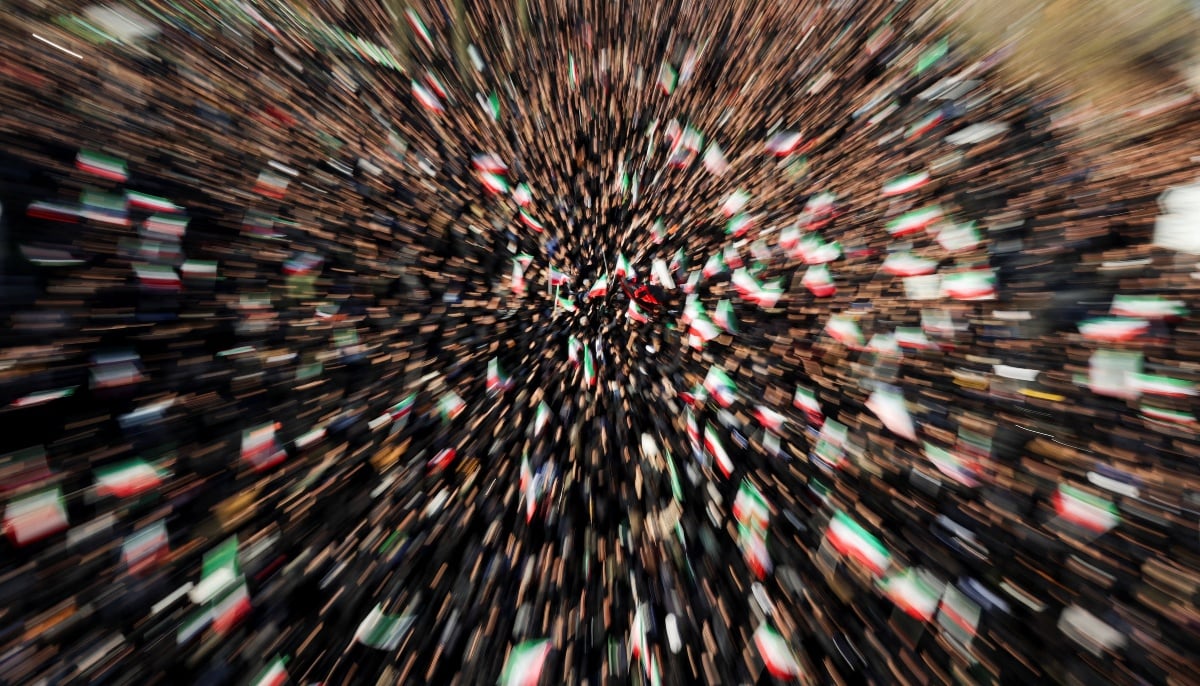
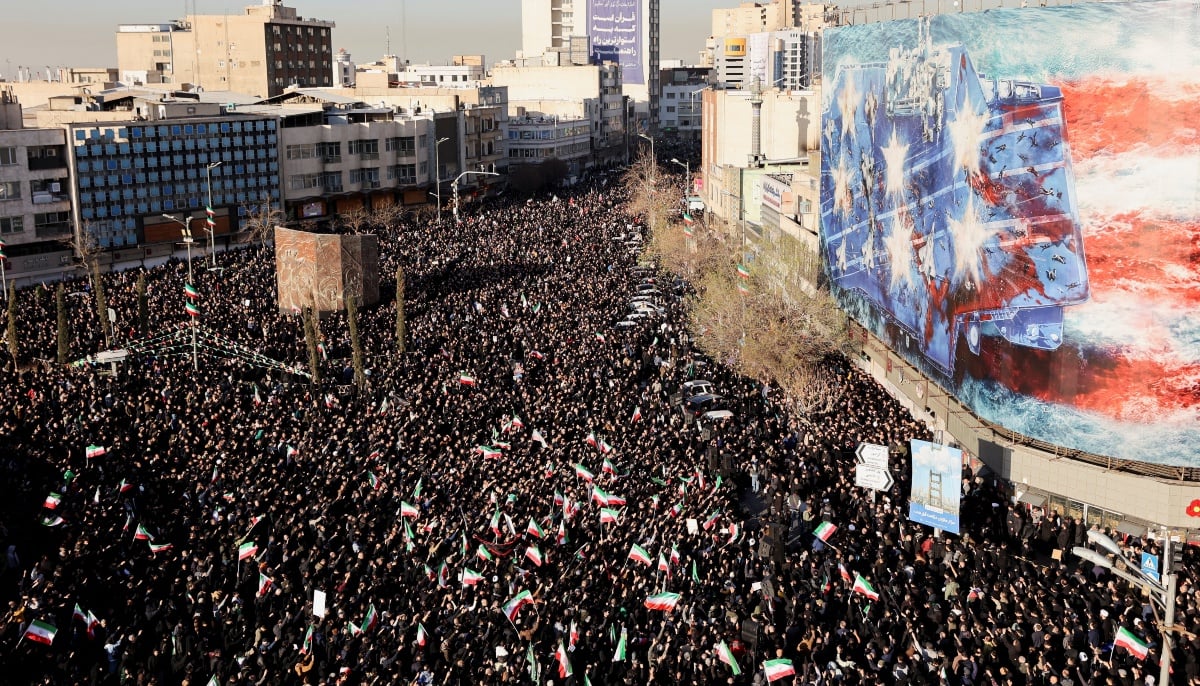
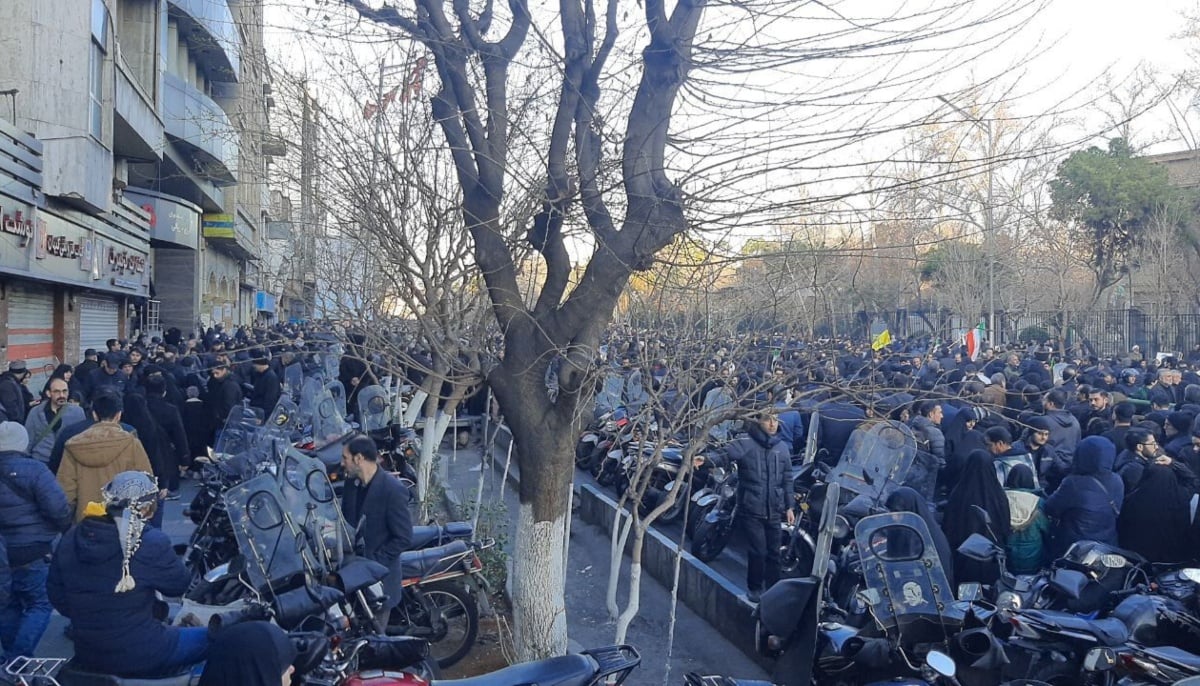
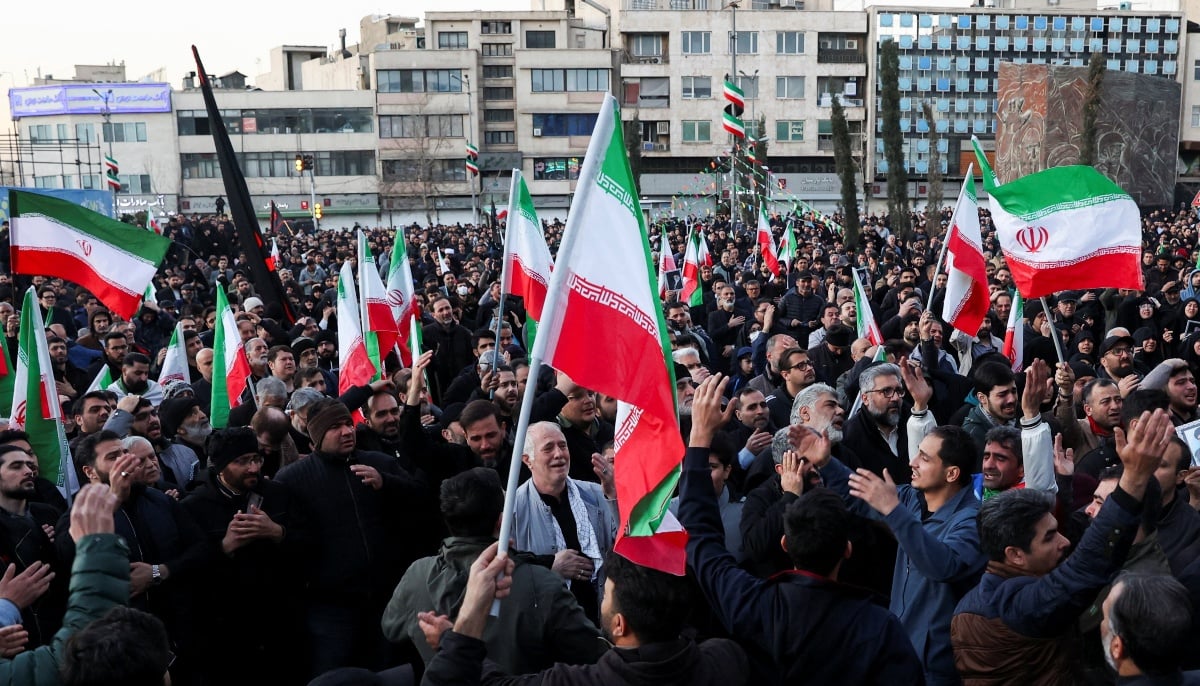
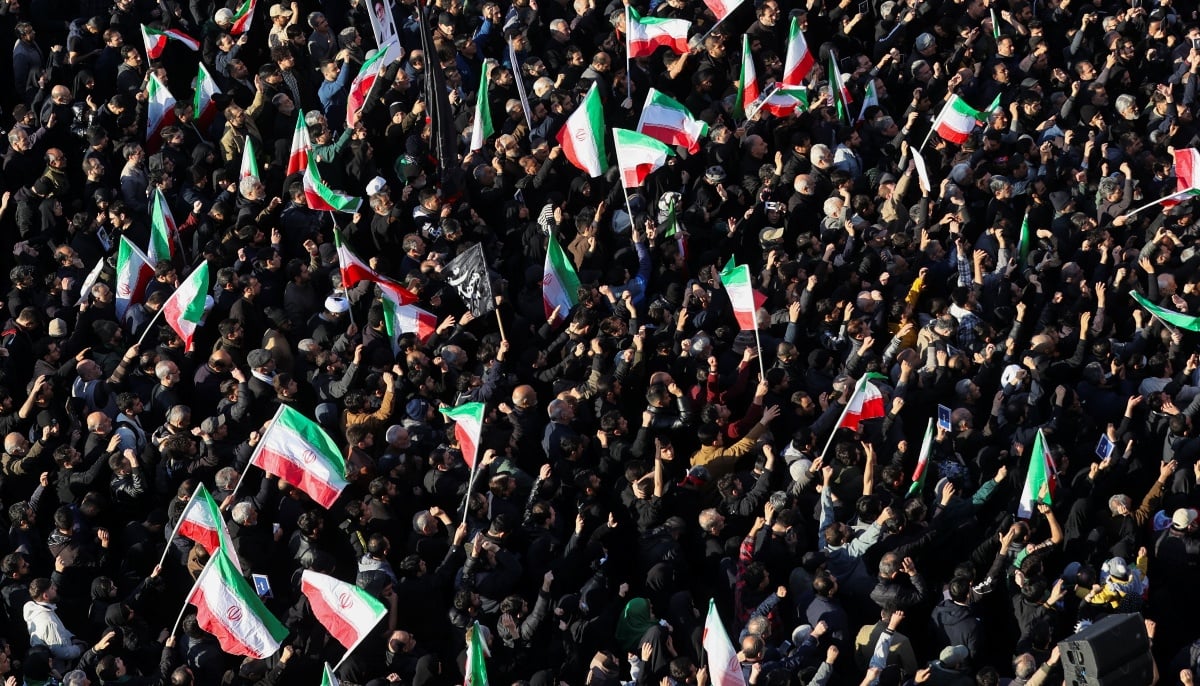
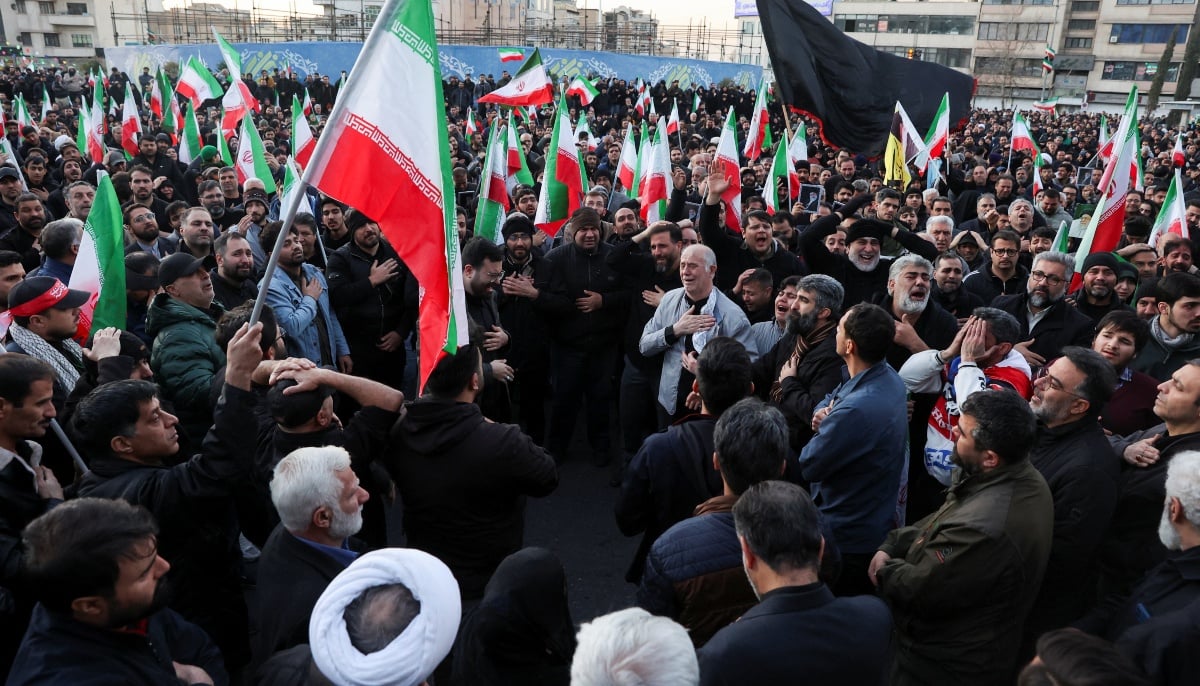
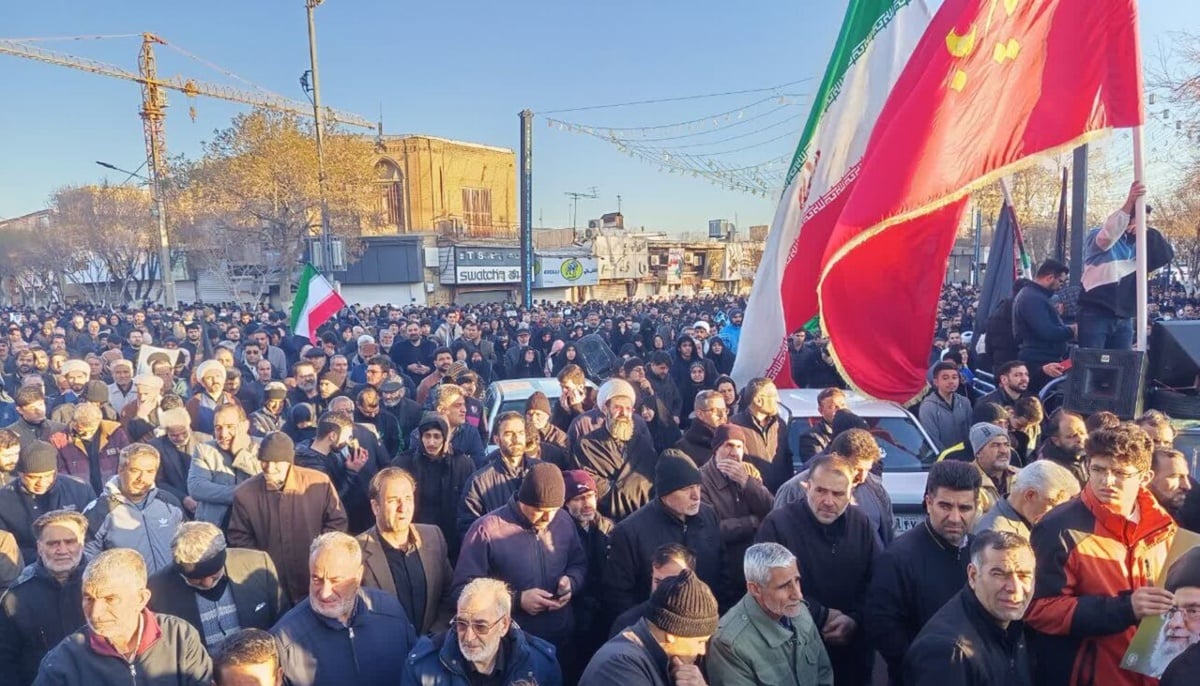
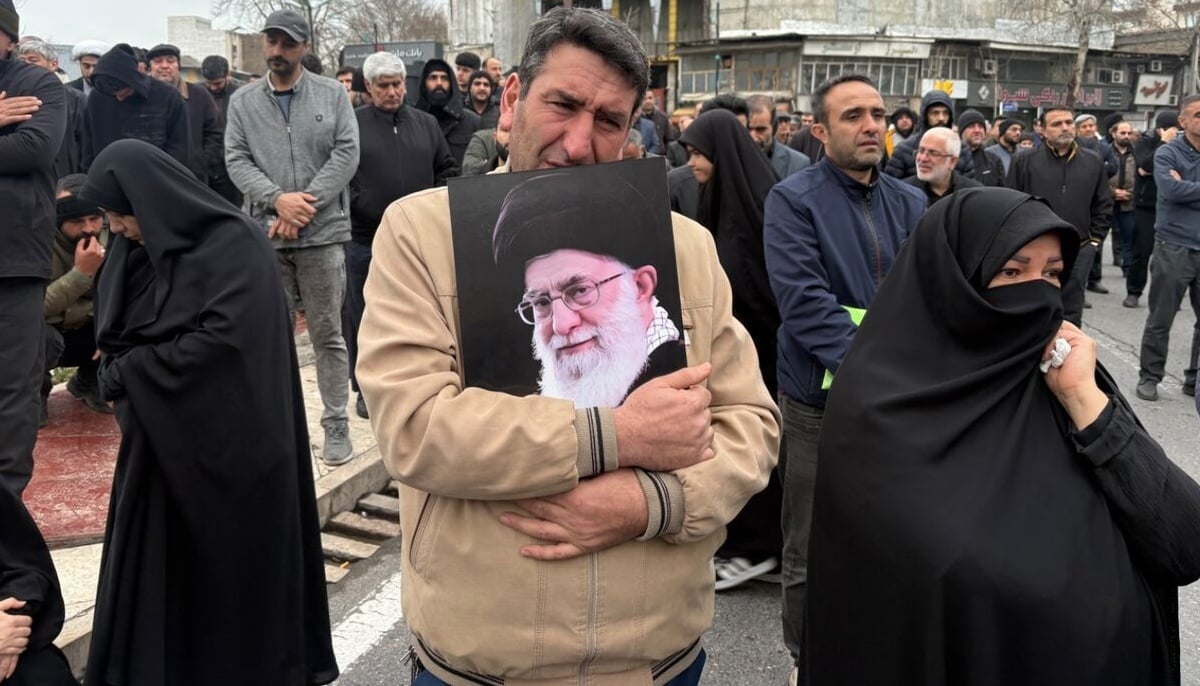
Protests erupted in Iran on Sunday after Iranian state media announced that Supreme Leader Ayatollah Ali Khamenei had been martyred, aged 86, in air strikes by Israel and the United States that Iranian media said pulverised his central Tehran compound.
Khamenei’s 36-year rule built Iran into a powerful anti-US force and extended its military sway across the Middle East, as decades of efforts to resolve the dispute over Iran’s nuclear programme through diplomacy ultimately failed.
Iranian state media confirmed Khamenei had been martyred in Israeli and US strikes. The Fars agency reported that the Iranian government declared 40 days of public mourning and announced seven days of public holidays.


Make the Most of Chrome’s Toolbar by Customizing It to Your Liking

Holly Willoughby could be next big digital star after Gordon Ramsay

The Piracy Problem Streaming Platforms Can’t Solve

-
 Business1 week ago
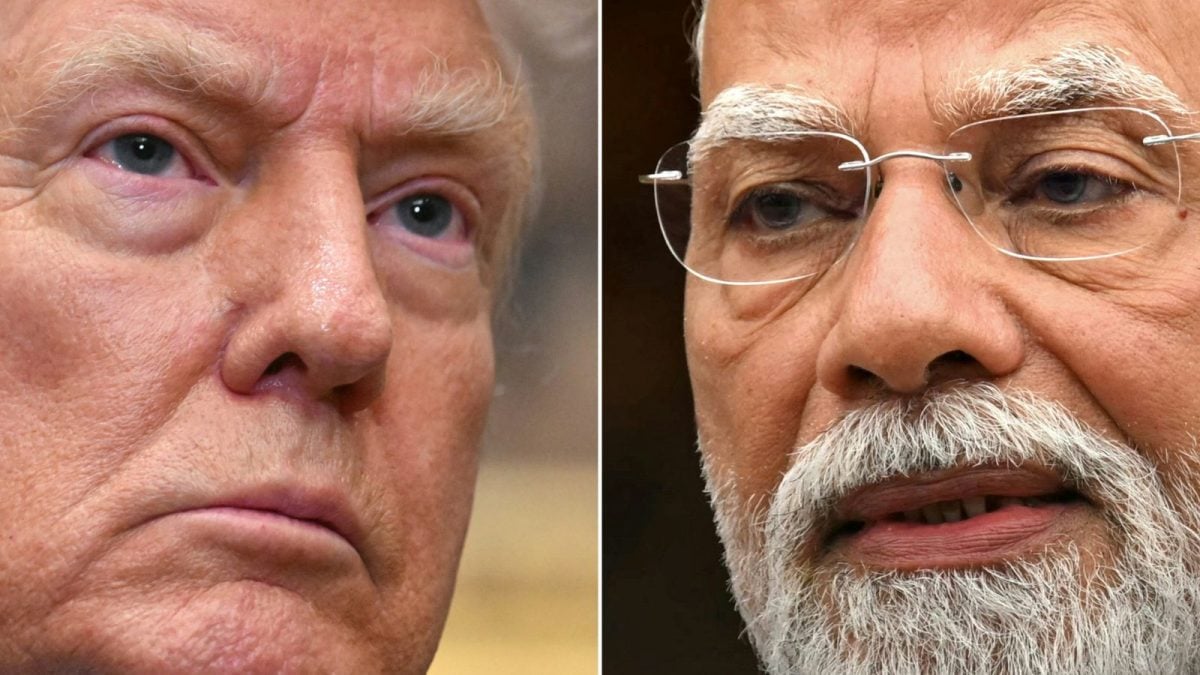
US Top Court Blocks Trump’s Tariff Orders: Does It Mean Zero Duties For Indian Goods?
-

 Fashion1 week ago
ICE cotton ticks higher on crude oil rally
-

 Entertainment1 week ago
The White Lotus” creator Mike White reflects on his time on “Survivor
-
 Business1 week ago
Eye-popping rise in one year: Betting on just gold and silver for long-term wealth creation? Think again! – The Times of India
-

 Politics1 week ago
Pakistan carries out precision strikes on seven militant hideouts in Afghanistan
-
 Sports1 week ago
Brett Favre blasts NFL for no longer appealing to ‘true’ fans: ‘There’s been a slight shift’
-

 Entertainment1 week ago
Viral monkey Punch makes IKEA toy global sensation: Here’s what it costs
-

 Sports1 week ago
Kansas’ Darryn Peterson misses most of 2nd half with cramping