

Business
British holidaymakers abroad splurge double what foreign tourists spend in the UK

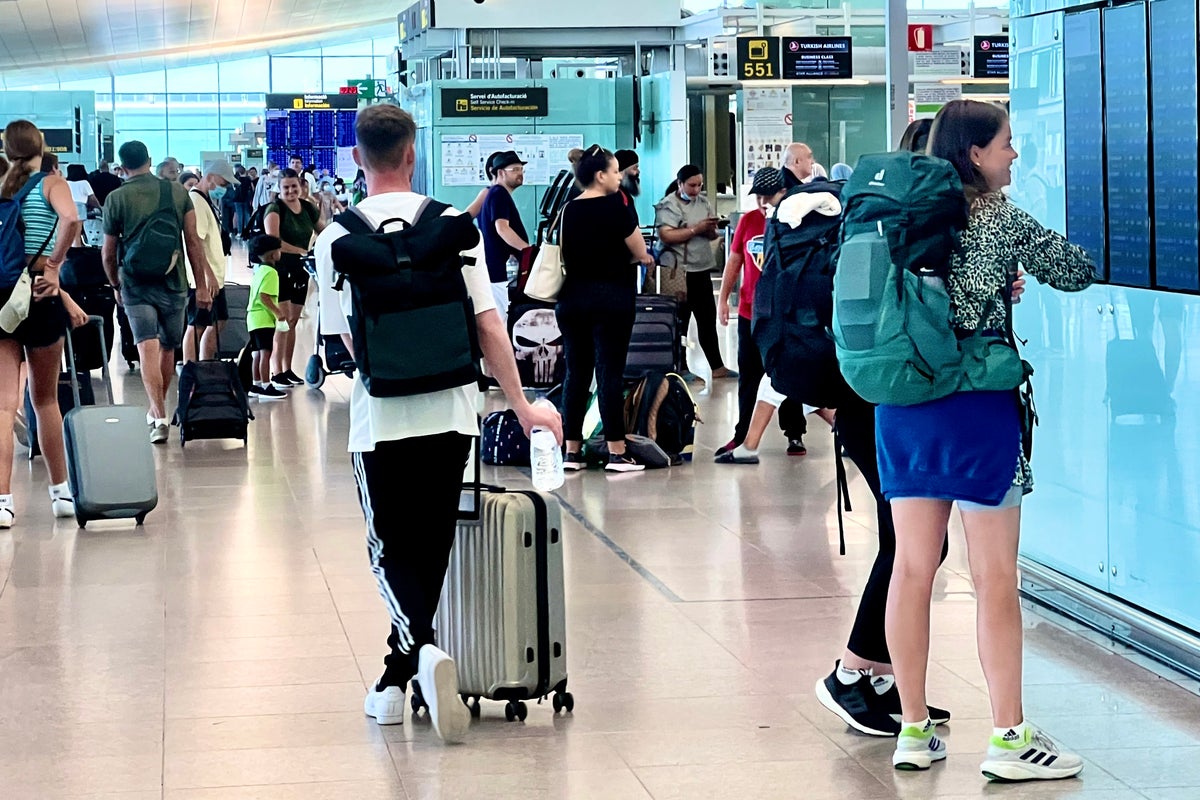
British holidaymakers spent £830 per person on the average trip abroad last year, with total spending up 10 per cent on 2023. As a result, the chancellor is facing a wider “balance of tourism” deficit than ever.
UK residents made a record 94.6 million trips abroad in 2024, according to data from the Office for National Statistics (ONS). The figure is 10 per cent higher than the previous year – and 1.6 per cent up on the pre-Covid peak, reached in 2019.
Collectively they spent £78.6bn, which works out at £215m per day – around a quarter more than in 2019.
Each of the top three destinations for British visitors – Spain, France and Italy – saw a small drop in numbers in 2024 compared with the previous year as UK travellers’ horizons expanded. But they remain well ahead of the competition:
Ashley Quint, director of Hertfordshire agency Travel Time World, attributed the slight shift away from the top three to “a general thirst for somewhere a bit different – and price may play a part”. He cited growing interest in Croatia, Montenegro, Morocco and Cape Verde.
“There’s also the question of pricing and heat in the Med during the summer,” Mr Quint said. “Especially in the premium tiers where you can often find better value long-haul.
“Also the growth in cruising, and how that may take tourists away from specific destinations. Norway and Iceland has been popular this summer.”
The 10 per cent rise in spending by British visitors abroad far outpaced the increase in spending by overseas tourists coming to the UK, which rose by just 4 per cent.
As a result the tourism deficit – the excess of spending on outbound trips over inbound visits – has surged to a record £46.1bn. It means British travellers splurge nearly two-and-a-half times more on holiday abroad than foreign tourists spend in the UK
This growing imbalance, which represents an invisible import, will cause concern at the Treasury.
Inbound tourism from the European Union has been inhibited by the UK’s decision to ban holidaymakers from the EU from travelling with their identity cards – excluding a potential 300 million European citizens who do not possess passports.
Americans comprised the biggest source of visitors to the UK. The top three positions are:
The average spend by each visitor to the UK last year was £763, eight per cent less than British tourists typically spend abroad.
Read more: Simon Calder’s six ways to fix Britain’s broken rail fare system

President Donald Trump said he’s considering sending the National Guard to U.S. airports, two days after the administration deployed Immigration and Customs Enforcement agents to several major U.S. airports following hourslong waits for travelers because of the partial government shutdown.
In a Truth Social post Wednesday, Trump blamed Democrats for the shutdown, which began Feb. 14.
“Thank you to our great ICE Patriots for helping. It makes a big difference,” he wrote in his post. “I may call up the National Guard for more help.”
Travelers wait in line at a Transportation Security Administration (TSA) checkpoint at Hartsfield-Jackson Atlanta International Airport (ATL) in Atlanta, Georgia, US, on Monday, March 23, 2026.
Elijah Nouvelage | Bloomberg | Getty Images
More than 11% of TSA officers called out on Wednesday and over 450 have quit since the shutdown started, the Department of Homeland Security said.
Elevated absences of Transportation Security Administration officers, who are required to work though they’re not getting paid during the shutdown, have contributed to long lines at major U.S. airports, including in Atlanta, Houston and New York.
The DHS, which oversees both ICE and and the TSA, said the ICE agents will “support airports facing the greatest strain” but the department didn’t respond to requests for comment on what the ICE agents’ duties are. ICE agents are getting paid in the shutdown.
Airlines have been warning customers about potentially long security lines, while executives grow increasingly frustrated with lawmakers about the impasse. On Tuesday, Delta Air Lines said it suspended its airport escorts and other special services for members of Congress and their staff because of the ongoing partial shutdown of the DHS.
The shutdown comes as Democrats in Congress have demanded changes to how federal immigration enforcement operates in exchange for releasing DHS funding after two U.S. citizens were shot and killed by ICE officers in Minneapolis.

Low-income families are being offered help with the cost of food during the Easter holidays.
Source link

new video loaded: What Soaring Fuel Costs Mean for Your Air Travel
By Niraj Chokshi, Léo Hamelin, Stephanie Swart, Rebecca Suner and Lauren Pruitt
March 25, 2026


There’s Something Very Dark About a Lot of Those Viral AI Fruit Videos

Messi to Dowman: Who’s the world’s best player at every age?
Trump says he could send National Guard to airports ‘for more help’

-

 Fashion1 week ago
Sales at US apparel, clothing accessories stores up 4% YoY in Jan 2026
-
 Tech1 week ago
Justice Department Says Anthropic Can’t Be Trusted With Warfighting Systems
-

 Entertainment7 days ago
Val Kilmer revived 1 year after death through AI
-
 Business1 week ago
Stocks and pound rise as US rate call approaches
-

 Sports1 week ago
March Madness 2026 – How to watch in SA, start time, schedule, TV channel for NCAA championship basketball tournament
-
 Business1 week ago
Brits cashing in jewellery as gold price hits record high
-

 Politics1 week ago
Iran strikes Tel Aviv with cluster-warhead missiles in retaliation of Larijani’s martyrdom
-

 Sports1 week ago
WBC championship: USA-Venezuela preview, live updates, analysis