

Business
Bulls dominate as KSE-100 breaks past 186,000 mark – SUCH TV


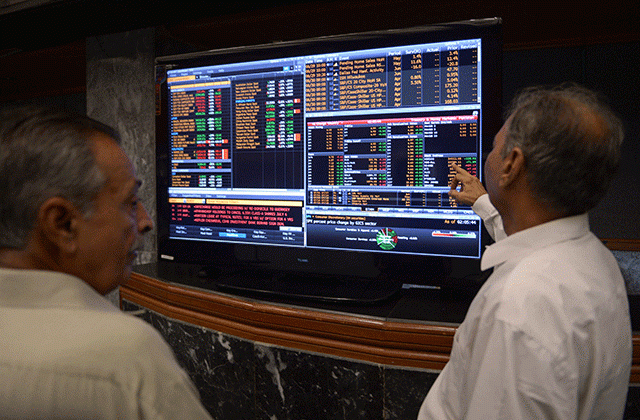
The Pakistan Stock Exchange (PSX) reached a record high on Wednesday as the benchmark index climbed more than 1,000 points, crossing the 186,000 mark amid improved investor sentiment over renewed equity buying.
The KSE-100 Index settled at 186,518.71 points, up 1,456.61 points, or 0.79%, at the closing, from the previous day’s closing of 185,062.1.
The positive momentum reflected sustained investor confidence, driven largely by aggressive buying from local funds, an analyst at Topline Securities said.
“The shift in asset allocation — from fixed-income instruments to equities amid declining returns on traditional avenues — has continued to fuel liquidity and support elevated valuations,” the analyst added.
During today’s session, the benchmark index surged to an intraday high of 187,015.11, while profit-taking remained modest.
Market activity remained vibrant, with total traded volumes clocking in at 1.3 billion shares, while market turnover rose to Rs86.1 billion.
Market analyst had attributed the rally to renewed investor confidence, with equities increasingly seen as a more attractive investment option.
“The market is being led by overall fresh equity positions at the start of the year, with investors chasing the stock market as a better asset play than keeping money in banks or cash funds,” said AAH Soomro, an independent investment and economic analyst.
He added that optimism surrounding the broader economy was drawing new participants into the market. “The economic outlook is promising, hence new investors are jumping in,” Soomro said.
On Tuesday, the benchmark KSE-100 Index settled at 185,062.10 points, up 2,653.87 points, or 1.45%, from 182,408.23.
In single-stock milestones, United Bank Limited (UBL) is now the largest listed company by market capitalisation at PKR 1.27 trillion, edging Oil and Gas Development Company (OGDC) at PKR 1.26 trillion after a strong run in banks.
On the public-finance front, Pakistan’s central government debt fell Rs345 billion (-0.44%) in July–November FY26 to Rs77.543 trillion from Rs77.888 trillion at the end of June, State Bank of Pakistan (SBP) data showed.
Domestic debt stood at Rs54.619 trillion (up 0.26% compared to June, up 1.21% MoM and up 12% YoY), while external debt was Rs22.925 trillion (down Rs492 billion, or 2.1%, in July–November, down 0.34% MoM and up 5.25% YoY).
Authorities cited continued efforts to narrow the fiscal gap and the Rs2.42 trillion SBP profit transfer in FY25 as supportive factors.




Business
‘Civilisational shift’: TCS CEO K Krithivasan encourages AI adoption even if it ‘cannibalises revenue’ – The Times of India
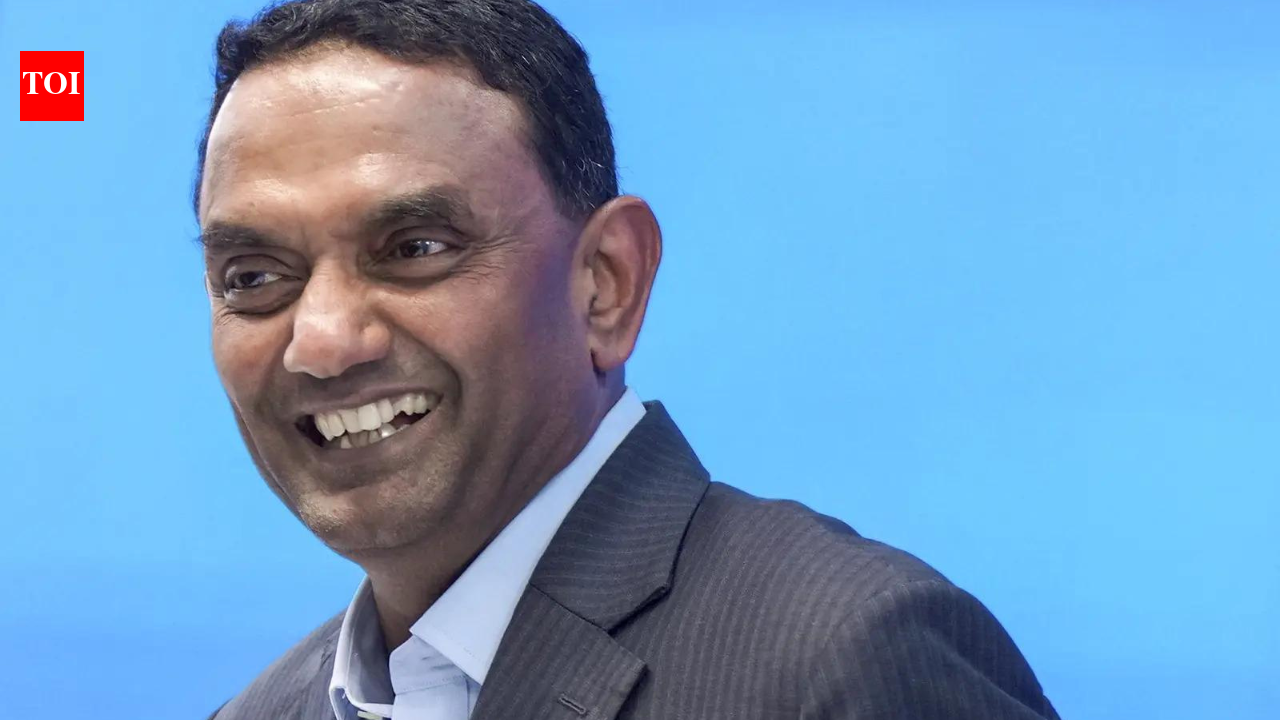
IT giant TCS encourages the use of artificial intelligence by its employees even if it affects their revenue streams, said its CEO, explaining the advantages of the firm’s approach. He described the adoption of AI as a ‘civilisational shift’.Speaking at the annual NTLF event in Mumbai, Managing Director and Chief Executive K Krithivasan said, “”We encourage our associates to go out (to the customers and use AI), even if it means cannibalising our revenues,” adding that the younger staff are faster to use than their senior employees.TCS is ensuring that each of its more than six lakh employees becomes “AI fluent,” Chief Executive Officer K Krithivasan said, emphasising that the company is not “afraid” of artificial intelligence impacting jobs.As part of this push, the company has encouraged associates to actively explore the use of AI in client projects, he said. Krithivasan added that employees are showing strong interest in acquiring AI skills, noting that there has been no need to introduce special incentives to drive adoption.Senior employees often consume large amounts of information but may not always translate that knowledge into practical outcomes, K Krithivasan added, highlighting the need for a more hands-on approach to artificial intelligence.He stressed that AI adoption goes beyond merely issuing prompts on generative AI platforms such as OpenAI’s ChatGPT, noting that employees must actively build solutions using AI tools. “It is not about just giving a few prompts,” he said, adding that staffers need to “get their hands dirty.”Krithivasan described AI as a “civilizational shift,” calling it a form of democratised knowledge capable of addressing problems that have remained unsolved for decades.He observed that AI has increasingly become a board-level priority, with chief information officers being tasked to identify and deploy relevant solutions. While AI is expected to drive productivity gains, he said TCS remains equally focused on delivering tangible benefits to customers through the technology.Addressing concerns around AI governance, Krithivasan said the company is also exploring frameworks where AI systems can help regulate and monitor other AI applications through the use of multiple agents.
Business
Day 3: Clean Max Enviro Energy IPO Vs Shree Ram Twistex IPO; Know GMP, Subscription And Reviews

Last Updated:
Clean Max Enviro Energy and Shree Ram Twistex IPOs are open for public subscription till 5 pm today; here’s which one looks better.




Clean Max Enviro Energy IPO Vs Shree Ram Twistex IPO.
Two mainboard IPOs — Clean Max Enviro Energy Solutions and Shree Ram Twistex — have been closed today, February 25. The IPOs offer investors a choice between a renewable energy infrastructure play and a textile manufacturing bet. Here’s a comparison based on subscription data, grey market premium (GMP), valuations and broker views.
Subscription Status (Day 3)
On Day 3, Clean Max Enviro Energy IPO was subscribed 0.99 times. QIB demand stood at 2.99x, NII at 0.57x and retail at 0.07x, indicating subdued interest from investors.
Shree Ram Twistex IPO saw overall subscription of 43.66 times. Retail demand was at 76.63x, while QIB participation was 3.94x and NII stood at 220.30x.
Price Band And Issue Size
Clean Max Enviro Energy IPO is a Rs 3,100-crore issue comprising Rs 1,200 crore fresh issue and Rs 1,900 crore offer for sale. The price band is Rs 1,000-Rs 1,053 per share and minimum retail investment is Rs 14,742 for one lot of 14 shares.
Shree Ram Twistex IPO is a much smaller Rs 110.24-crore fresh issue priced at Rs 95-Rs 104 per share. Retail investors need Rs 14,976 to apply for one lot of 144 shares.
Grey Market Premium (GMP)
Clean Max Enviro’s GMP stood at (-)Rs 3, implying an estimated listing price of Rs 1,050, suggesting negative listing.
Shree Ram Twistex GMP was Rs 16.5, indicating an estimated listing price of Rs 120.5, or about 15.87% potential upside.
Both companies will be listed on BSE and NSE on March 2.
Business Positioning
Clean Max is India’s largest commercial and industrial (C&I) renewable energy service provider with roughly 8% market share. Analysts note the segment has a potential market size of about Rs 3 lakh crore as corporates — which consume nearly half of India’s electricity — increasingly shift toward green energy.
Shree Ram Twistex operates in the textile sector as a cotton yarn manufacturer serving B2B markets. Industry estimates suggest India’s textile sector could grow from about $174 billion to $350 billion by 2030, driven by exports, sustainability trends and policy support.
Analysts’ Views
SBI Securities highlighted Clean Max’s capital-efficient model and relatively low leverage, but noted the IPO is valued at EV/EBITDA of about 21.7x (FY25) and 16.3x (annualised 1HFY26).
Aditya Birla Capital said, “At the upper price-band, the issue is valued at 16x EV/Ebitda, which according to us, is expensive,” though it assigned a ‘Subscribe for long-term’ rating citing industry growth visibility.
For Shree Ram Twistex, Swastika Investmart said valuation at around 29-30x P/E already factors in most future growth and advised investors seeking listing gains to avoid the issue. Master Capital Services noted investors may consider it as a long-term opportunity given sector growth prospects.
Use Of Proceeds
Clean Max will use Rs 1,125 crore from fresh proceeds to repay debt, with the remainder for general corporate purposes.
Shree Ram Twistex will deploy proceeds for business expansion and operational requirements as it is entirely a fresh issue.
Which IPO Looks Better?
For listing gains, Shree Ram Twistex currently shows stronger grey market sentiment and investor traction. Clean Max, on the other hand, has stronger QIB participation but muted GMP, suggesting institutional conviction but limited short-term listing pop expectations.
For long-term investors, both issues are being viewed positively but with valuation caution. Clean Max offers exposure to the fast-growing renewable C&I power segment, while Shree Ram Twistex provides a play on India’s expanding textile exports and domestic demand.
Disclaimer:Disclaimer: The views and investment tips shared in this article are for general information purposes only. Readers are advised to consult a certified financial advisor before making any investment decisions.
 Click here to add News18 as your preferred news source on Google.
Follow News18 on Google. Join the fun, play games on News18. Stay updated with all the latest business news, including market trends, stock updates, tax, IPO, banking finance, real estate, savings and investments. To Get in-depth analysis, expert opinions, and real-time updates. Also Download the News18 App to stay updated.
February 25, 2026, 11:52 IST
Read More
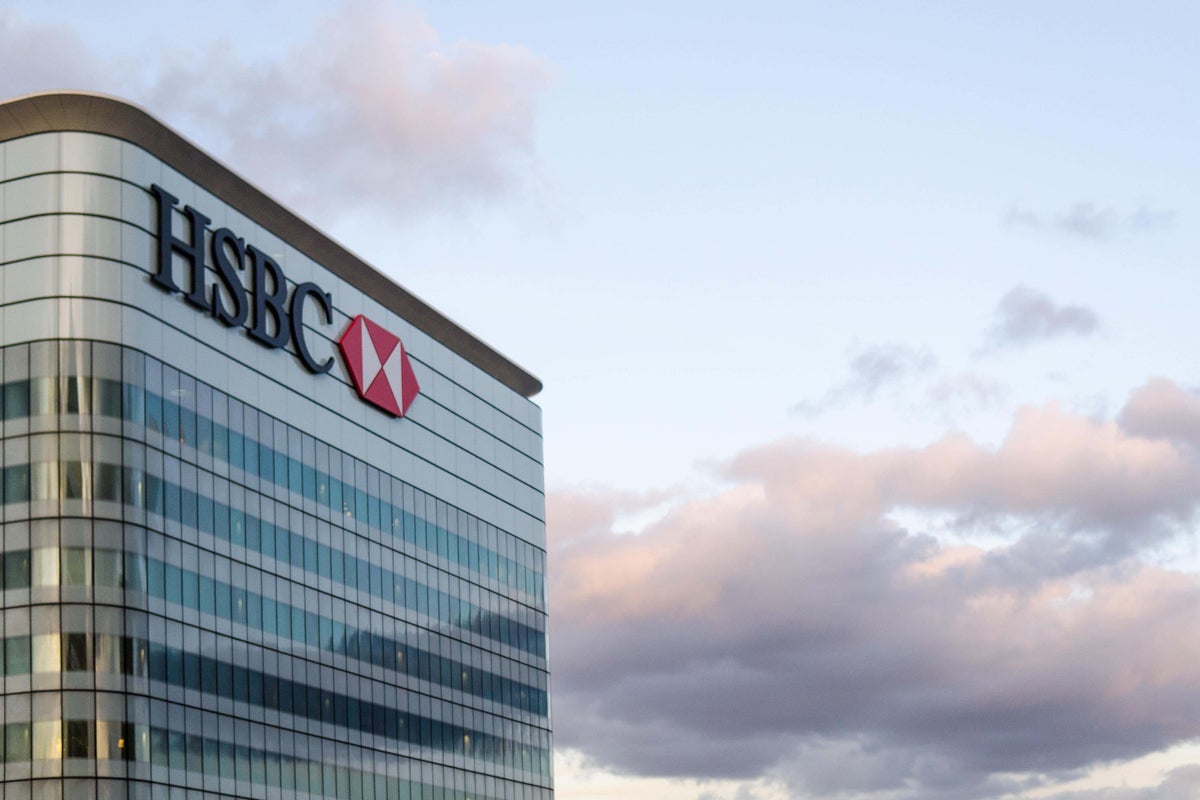
HSBC has revealed it stripped out 1.2 billion dollars (£890 million) worth of costs last year after cutting back its senior management team, as it hiked bonuses for staff by 10%.
The global banking giant has been embarking on a sprawling simplification programme that has involved big changes to its structure, in a bid to become more “agile”.
It previously set a target to make 1.5 billion dollars (£1.1 billion) in annual cost reductions by the end of 2026, under the leadership of chief executive Georges Elhedery.
But on Wednesday, the bank revealed that it is expecting to achieve this by the end of June – six months ahead of schedule.
It follows some 1.2 billion dollars (£890 million) worth of cost savings being found during 2025 alone.
Mr Elhedery, who stepped into the top job in 2024, said that a large amount of the savings had come from the “deduplication” of jobs within the group, particularly among more senior positions.
He said this resulted in a net 15% reduction of managing director positions, which has not had any impact on the group’s revenues.
Meanwhile, HSBC revealed that it handed out bonuses worth 3.9 billion dollars (£2.9 billion) to its eligible staff during the year – a 10% increase compared with 2024.
The bank said it ensured its “highest performers had the strongest variable pay outcomes compared to the prior year”.
Mr Elhedery took home a pay packet of £6.6 million in 2025, made up of his salary and benefits, plus an annual bonus and long-term incentive award of about £4.8 million.
HSBC’s pay committee said it intends to grant the chief executive the maximum long-term incentive award worth 600% of his salary, which amounts to £9 million, for 2026-28.
The value will be subject to the bank’s performance over the next three years, and delivered in instalments.
HSBC said it was striving to create a “high-performance culture” where staff are better rewarded for work that boosts the performance of the bank.
Nevertheless, it reported lower earnings for 2025, with its pre-tax profit down about 7% year-on-year to 29.9 billion dollars (£22.1 billion).
This took into account the impact of losses related to its stake in the Chinese Bank of Communications, and restructuring costs from its simplification programme.
Shares in HSBC were up by about 6% in early trading on Wednesday.

[CinePlex360] Some plugins have failed to updat

BFC shortlists six designers for BFC/Vogue Designer Fashion Fund
[CinePlex360] Please moderate: “Iran threatens

-

 Entertainment1 week ago
Queen Camilla reveals her sister’s connection to Princess Diana
-

 Tech1 week ago
Rakuten Mobile proposal selected for Jaxa space strategy | Computer Weekly
-

 Politics1 week ago
Ramadan moon sighted in Saudi Arabia, other Gulf countries
-

 Entertainment1 week ago
Robert Duvall, known for his roles in "The Godfather" and "Apocalypse Now," dies at 95
-
 Business1 week ago
Tax Saving FD: This Simple Investment Can Help You Earn And Save More
-
 Politics1 week ago
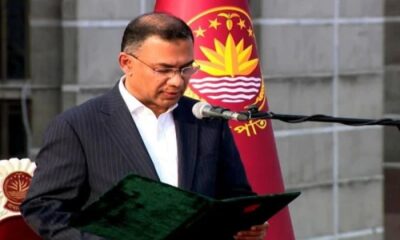
Tarique Rahman Takes Oath as Bangladesh’s Prime Minister Following Decisive BNP Triumph
-

 Tech1 week ago
Businesses may be caught by government proposals to restrict VPN use | Computer Weekly
-
 Fashion1 week ago
Australia’s GDP projected to grow 2.1% in 2026: IMF