

Business
‘Can a dead economy grow at 8.2%?’: FM Sitharaman rebuts Trump remark in Lok Sabha; cites IMF ratings upgrade – The Times of India

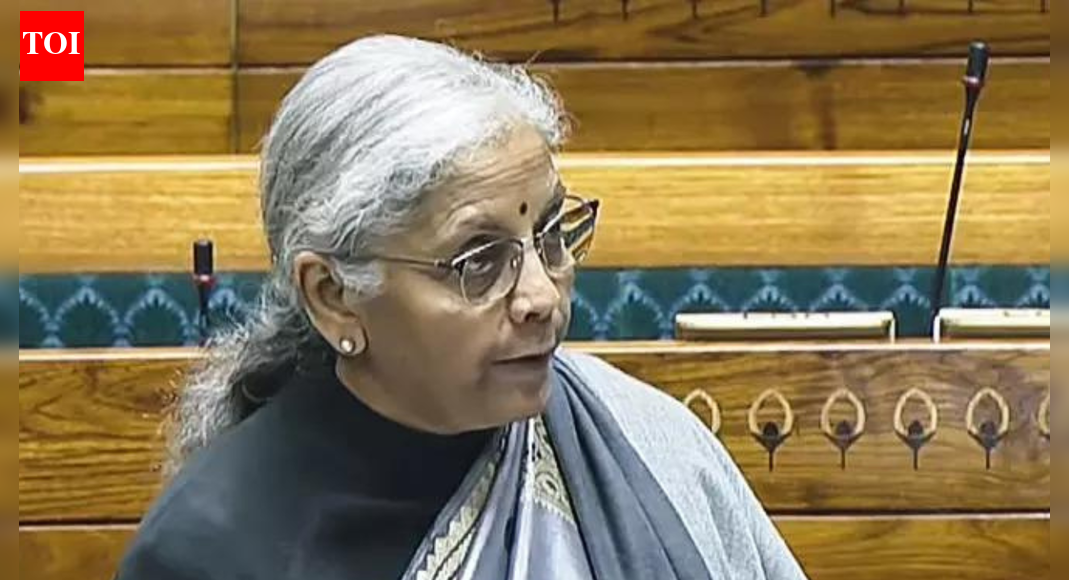
Finance Minister Nirmala Sitharaman on Monday cited India’s strong growth and sovereign rating upgrades to counter claims that the country was a “dead economy”, telling the Lok Sabha that such upgrades would not have been possible if the economy were weak, PTI reported.Responding to Opposition members who sought the government’s reaction to US President Donald Trump’s description of India as a “dead economy”, Sitharaman said India remains the fastest-growing major economy, recording 8.2% growth in the September quarter.“The economy in the last 10 years has transitioned from external vulnerability to external resilience,” the minister said while replying to the Supplementary Demands for Grants for 2025-26 in the House.“Every institution is raising our growth outlook for this year and the forthcoming year. There are clear expressions (from the IMF) recognising India’s growth and no dead economy gets a credit rating upgrade by DBRS, S&P and R&I,” Sitharaman said.Trump had made the “dead economy” remark in July while expressing disappointment with India’s decision to continue buying oil from Russia. Sitharaman said data and assessments by global institutions contradicted that characterisation.“The economy today has moved from fragility to fortitude,” she said.“So somebody said something somewhere, however important that somebody is, we should not depend on that but rely on data available within the country and also data coming from elsewhere. Rely on data,” she told Opposition members.“Can a dead economy grow at 8.2%? Can a dead economy get credit rating upgrades?” Sitharaman asked.The Reserve Bank of India last week raised its GDP growth projection for FY26 to 7.3% from 6.8% earlier. India grew 8.2% in the September quarter and 7.8% in the June quarter.On concerns raised over the International Monetary Fund’s assessment of India’s national accounts — including Gross Domestic Product (GDP) and Gross Value Added (GVA) — Sitharaman said India’s overall grading remains unchanged at the median rating of ‘B’.She said the IMF had flagged the outdated base year for national accounts and suggested rebasing. “So to say that there has been a downgrade by IMF is misleading the House. For this year, IMF gave B for overall statistics,” she said, adding that India has remained the fastest-growing major economy for the fourth consecutive year despite the pandemic.Sitharaman also addressed concerns over public debt, saying India’s debt-to-GDP ratio rose to 61.4% after Covid but was brought down to 57.1% by 2023-24 due to policy measures taken by the central government.“By this year-end, I expect it to come down to 56.1%,” the finance minister said.




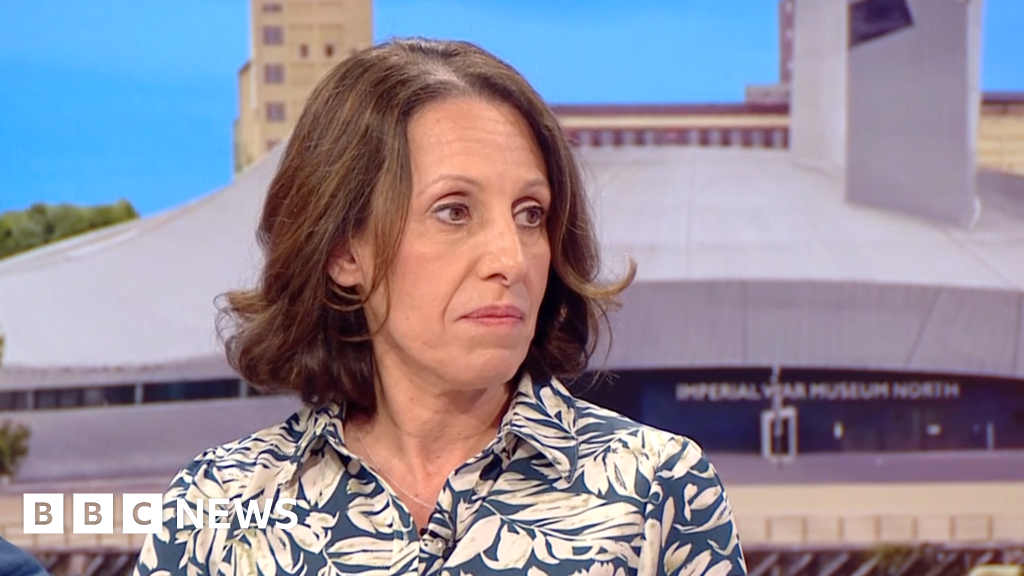
Co-op chair Debbie White said: “We thank Shirine for her leadership and for the significant contribution she has made to our Co-op, to our communities and to the co-operative movement during her tenure. The Board is grateful for her commitment and leadership, particularly during a challenging few years, and we wish her every success in the future.”
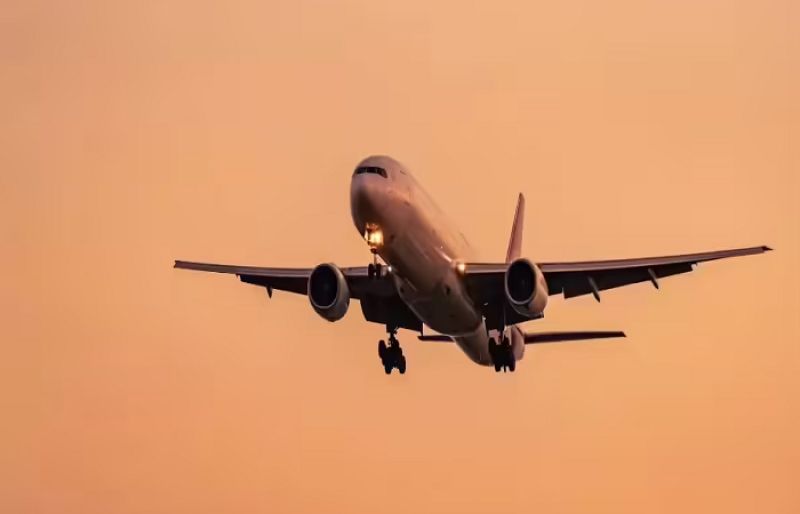
Air travel is all set to become highly expensive as the airlines are indicating at doubling the air ticket prices following a whopping increase in jet fuel rate.
The jet fuel price has rocketed to Rs417 from Rs388 per litre in Pakistan and the airlines have started to increase the airfares through enhancing fuel surcharge rates.
The airlines maintained the basic fare but added the fuel price surge into the fuel surcharge.
The one-way fare from Karachi to Islamabad and Lahore has shot up to Rs40,000 while air travel on chance seats for Islamabad and Lahore has soared by 150 percent.
Accordingly, the Pakistan International Airlines (PIA) has boosted the airfares by 10 to 100 dollars.
Domestic flights will now carry additional $10 fuel surcharge which on Canada routes extra $100 will be received as fuel charge.
Passengers on UK-bound flights to pay 75 dollars additional surcharge while 50 dollars will be received on Middle East routes.
Private airlines have gone a step ahead as they enforced charging additional 15 dollars to 150 dollars on different routes.
The airlines were under pressure after closure of many air routes with the airlines administrations are saying that extraordinary rise in airfares has become inevitable.
Earlier on Wednesday, Pakistan fuel NOTAM forced foreign airlines to tanker Jet A-1 fuel from abroad and limit uplift at Karachi and Lahore airports.
The Pakistan Airports Authority issued the order to protect local supplies amid supply disruptions.
Foreign carriers now arrive with enough fuel for their return flights while Pakistani airlines receive full requirements.
This change hit operations on March 25 when one Karachi-to-Doha flight diverted to Muscat.
The Pakistan fuel NOTAM A0147/26 took effect on March 13 and runs through March 31 2026. It targets Jinnah International Airport in Karachi and Allama Iqbal International Airport in Lahore.
Airlines follow the rule and carry maximum fuel on inbound legs. Officials confirm foreign airlines get only the minimum quantity inside Pakistan.
Pakistan fuel NOTAM creates immediate changes on the ground. Foreign airlines offload passenger baggage and cargo to stay within weight limits.
The extra fuel adds weight that reduces payload capacity on every affected flight.
According to a Notice to Airmen (NOTAM) issued by the PAA, the supply of aviation fuel at domestic airports has been significantly curtailed due to regional supply chain disruptions, advising international carriers to maximize their fuel “uplift” at foreign stations and minimize refuelling within Pakistan.
The directive has already begun to impact international flight schedules.

The government-backed bank has been accused of a series of errors, including not paying bereaved families money that was rightfully theirs.
Source link


Ukrainian apparel imports rise 6.39% amid sharp structural shift

2026 NFL draft team needs: Depth chart holes, prospect fits

China’s coal-to-chemicals: Winning the Iran war energy crisis

-

 Fashion1 week ago
Sales at US apparel, clothing accessories stores up 4% YoY in Jan 2026
-
 Tech1 week ago
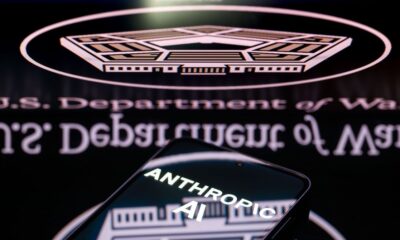
Justice Department Says Anthropic Can’t Be Trusted With Warfighting Systems
-

 Sports1 week ago
March Madness 2026 – How to watch in SA, start time, schedule, TV channel for NCAA championship basketball tournament
-

 Entertainment1 week ago
Val Kilmer revived 1 year after death through AI
-
 Business1 week ago
Stocks and pound rise as US rate call approaches
-
 Business1 week ago
Brits cashing in jewellery as gold price hits record high
-

 Politics1 week ago
Iran strikes Tel Aviv with cluster-warhead missiles in retaliation of Larijani’s martyrdom
-

 Fashion1 week ago
Spain’s Inditex FY25 sales rise 3.2% to $46.28 bn amid strong demand