

Fashion
Casablanca opens its first store in the United States, in Los Angeles

Published
November 6, 2025
Five months after opening its first boutique on Rue du Faubourg Saint-Honoré in Paris, the Casablanca brand and its founder and artistic director Charaf Tajer announced on Thursday the opening of their first boutique in the United States, at 469 North Rodeo Drive in Beverly Hills.
Located at the corner of Santa Monica Boulevard and Rodeo Drive, the boutique pays tribute to Los Angeles, a city that has been a source of inspiration for Tajer.
“When I was younger, I’d go to LA and be quite obsessed by its many cultures: from skateboarding, cinema, music, the Chicano culture, the architecture and design movements”, said Tajer. “The city is a living paradox. It’s a sunny place by the sea, but it can also be tough and extreme. This utopia of America offset by its grittiness, the fast-paced business and the celebrity. This has many messages, but this raw mix of industry and subculture creates a unique harmony that makes the city. It’s the same philosophy we explore at Casablanca. We love juxtapositions that create something new, that’s our design ethos.”
The new flagship store occupies a former bank located in a 20th-century building with soaring ceilings over 10 meters high. The impressive façade features a series of large arches.

Tajer and Steve Grimes, the brand’s artistic director, discovered the location about two years ago and transformed the building into a store that reflects Casablanca’s philosophy, preserving its monumental Greek-inspired architecture and reinterpreting it through a contemporary lens.
“LA is a cultural institution”, adds Grimes. “There is an alluring energy within the city, and having a store in such a prestigious location feels like we are now part of that cultural heritage. Since my first visit, driving down the freeway from LAX and experiencing the views firsthand had an almost nostalgic feel to it – the world has such exposure to the city through cinema, music and entertainment that we have a sense of emotional connection to it.”
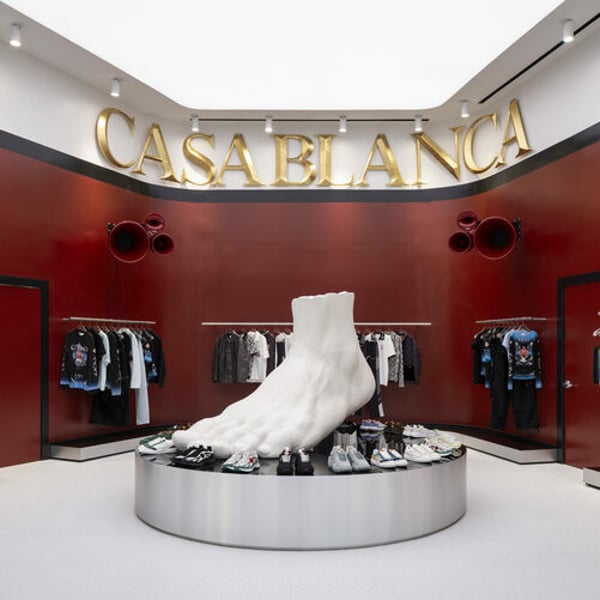
Inside the store, a custom-designed audio system by Void makes music a central part of the Casablanca brand identity. In the center, a huge sculpted foot echoes movement and sport. A carmine red wall and antique and modern brushed metal furniture enrich the decor. Airy spaces alternate with more intimate areas punctuated by a few Greek columns.

“Each store we open is about creating something timeless yet modern, with its own personality, but in our Casablanca design language and our handwriting”, continues Tajer. “LA is a home for Casablanca: it’s a place for our community to enjoy our world. We wanted a place where DJs can come play and people can hang out and talk about art and design. Opening our second store here is a tribute to a place that has really shaped us.”
Long known in the Parisian nightlife scene – he was notably artistic director of the Pompon parties – the Moroccan-born Frenchman was also co-founder of the Pigalle label alongside designer Stéphane Ashpool. Twenty years of experience, parties, travel and networking led him to launch his own brand in 2018.
A gradual but serious success, which led the brand to show at Paris Fashion Week a year later. Its second show, which transformed the gardens of the Musée de Montmartre into the “Café de Casablanca”, attracted a huge turnout of celebrities and guests from New York and California.
In recent years, the brand has also forged numerous collaborations. In 2022, Tajer added his tropical graphic signature to a collection of Bulgari bags. In 2023, he teamed up with Caviar Kaspia for a capsule ready-to-wear collection and a limited-edition caviar tin. The brand has also collaborated with S.T. Dupont and Nordstrom, organized memorable parties during Art Basel Miami, and opened its Casablanca Tennis Club in Abu Dhabi last February.
Copyright © 2025 FashionNetwork.com All rights reserved.







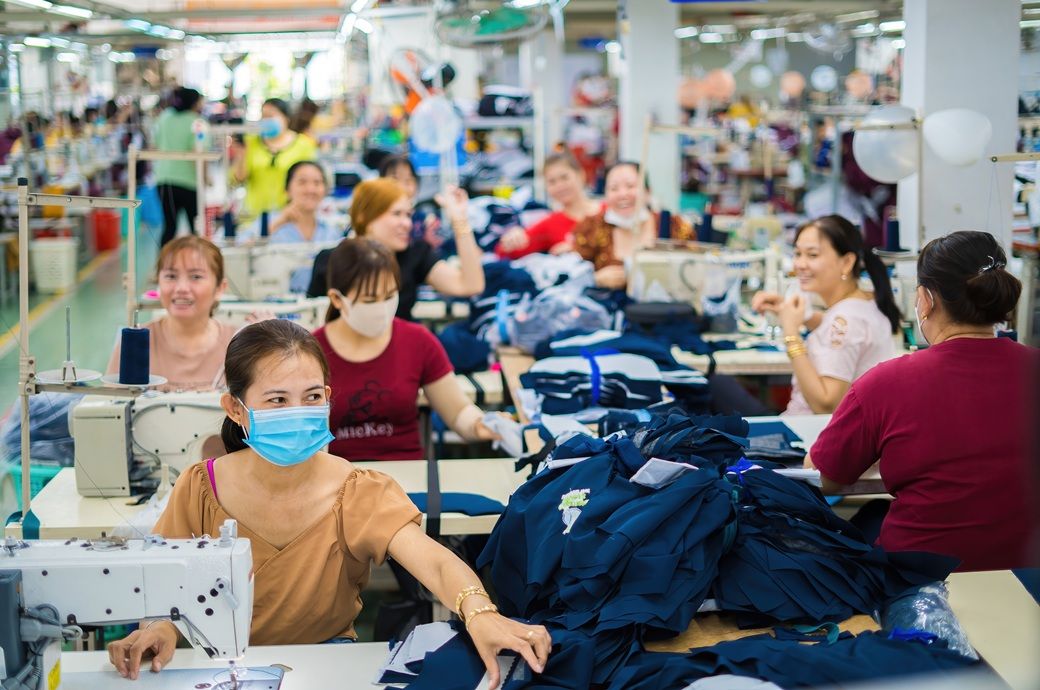

The increase was driven primarily by higher reinvested earnings and intra-company loans, indicating continued engagement by existing investors with Bangladesh.
Reinvested earnings rose by 318.25 per cent, from $103.79 million in 2024 to $434.10 million in 2025, while intra-company loans increased by 25.68 per cent, from $621.96 million to $781.68 million.
Bangladesh’s net FDI inflows increased by 39.36 per cent last year to $1,770.42 million compared with $1,270.39 million in 2024, the Bangladesh Bank said.
The increase was driven primarily by higher reinvested earnings and intra-company loans.
Reinvested earnings rose by 318.25 per cent, from $103.79 million in 2024 to $434.10 million in 2025, while intra-company loans rose by 25.68 per cent.
Equity capital remained broadly stable, rising by 1.84 per cent, from $544.64 million to $554.64 million in 2025, a release from Bangladesh Investment Development Authority said.
Greenfield project announcements declined by 16 per cent in 2025.
Fibre2Fashion News Desk (DS)
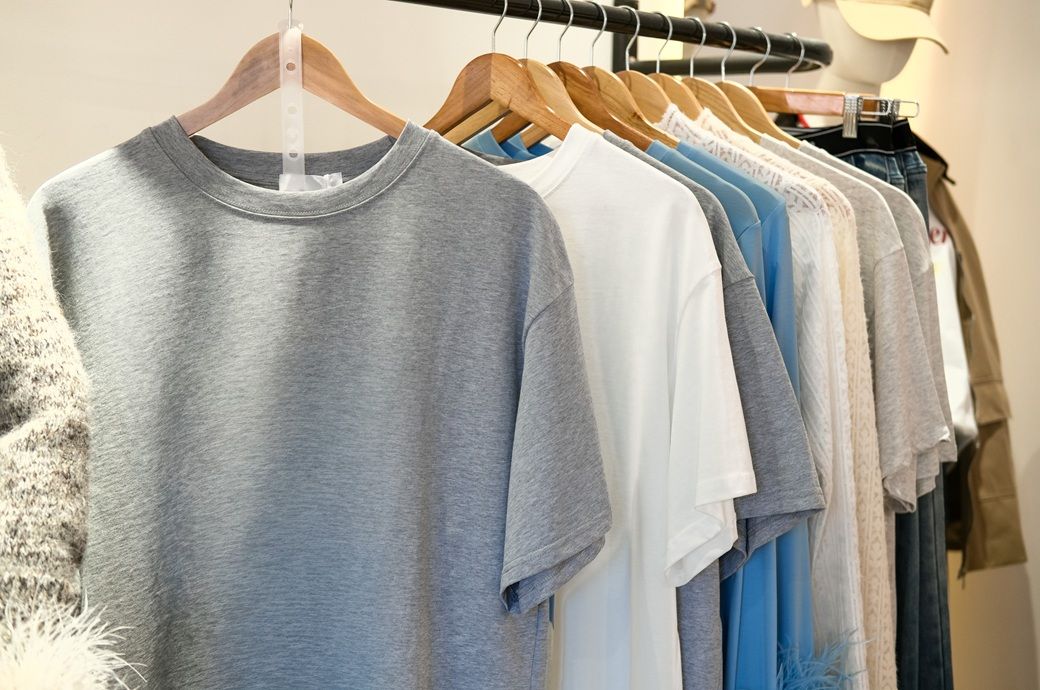
The company’s adjusted EBITDA, excluding Employee Stock Option Plan (ESOP) expenses, rose around 14 per cent YoY to ₹468 crore, while EBITDA margin improved by 20 basis points to around 9.3 per cent. Excluding the reciprocal tariff impact of around ₹36 crore and incremental losses of around ₹13 crore in Bihar and Guatemala, adjusted EBITDA margin stood at around 10.3 per cent.
Pallab Banerjee, managing director, Pearl Global Industries, said: “FY26 marked the company’s second consecutive year of double-digit growth and improved profitability. This performance further solidifies the position of Pearl Global’s diversified operating model and disciplined execution across geographies.”
Pearl Global Industries has reported its highest-ever FY26 revenue of ₹5,025 crore (~$523.93 million), up 11.5 per cent YoY, driven by volume growth and value-added products.
PAT rose 17 per cent to ₹270 crore (~$28.15 million), while Q4 revenue hit ₹1,314 crore (~$137 million).
The company shipped 78.1 million pieces.
Its net worth stands at ₹1,438 crore (~$149.93 million).
He said that geopolitical shifts and Gulf conflicts could lead to energy cost escalation, affecting raw material and logistics costs. However, the company remains prepared to manage these headwinds, supported by its diversified manufacturing base, strong order book, and broad market presence.
The profit after tax (PAT) increased 17 per cent YoY to ₹270 crore (~$28.15 million), the company said in a press release.
On a standalone basis, FY26 revenue stood at ₹1,081 crore, while adjusted EBITDA was ₹67 crore, with EBITDA margin improving by 60 basis points to 6.2 per cent, mainly due to cost restructuring. Standalone PAT rose to ₹69 crore from ₹55 crore in the previous year.
The company’s net worth stood at ₹1,438 crore (~$149.93 million) as of March 31, 2026, compared with ₹1,146 crore a year earlier.
“In FY26, Group delivered another year of resilient performance against a complex geopolitical backdrop. Group achieved, among others, two major milestones this year: revenue crossed INR 5,000 crore mark and installed capacity surpassed 100 million pieces per annum,” said Pulkit Seth, vice-chairman and non-executive director, PGIL.
Seth added that the global apparel industry faced tariff-related disruptions during FY26, with the company’s India operations impacted by tariffs and penal duties imposed by the US. However, he added that Pearl Global leveraged its diversified, multi-country manufacturing presence to mitigate these challenges and deliver double-digit growth.
For the fourth quarter (Q4) of FY26, PGIL posted its highest-ever quarterly revenue of ₹1,314 crore (~$137 million), up 6.9 per cent YoY. Adjusted EBITDA rose 13.7 per cent to ₹135 crore, with margin at 10.3 per cent, the highest EBITDA margin recorded by the company in any quarter. PAT for the quarter stood at ₹81 crore, up 24.6 per cent YoY, PGIL said in a press release.
Standalone revenue during the quarter stood at ₹304 crore, adjusted EBITDA at ₹24 crore, and PAT at ₹14 crore.
PGIL shipped its highest-ever volumes in Q4 FY26 and FY26, at 22 million pieces and 78.1 million pieces respectively. Its annual installed capacity crossed 100 million pieces, reaching around 101 million pieces.
The ongoing capex in Bangladesh is expected to be completed by the first half of FY27 and will add around 6-7 million pieces of capacity during the year.
Fibre2Fashion News Desk (SG)


After provinces, Centre lifts austerity-driven business-hour curbs until May 31

Vietnam’s flat apparel exports hide the real trade signal

A Danish Couple’s Maverick African Research Finds Its Moment in RFK Jr.’s Vaccine Policy

-

 Entertainment5 days ago
Conan O’Brien hat tricks as Oscar host
-

 Tech1 week ago
Could Contact-Tracing Apps Help With the Hantavirus? Not Really
-

 Tech1 week ago
I Tried the Best Captioning Smart Glasses, and Only One Leads the Pack
-

 Fashion5 days ago
Italy’s Zegna Group’s Q1 growth boosted by strong organic performance
-

 Sports1 week ago
Bobby Cox, legendary Atlanta Braves manager who led 1995 World Series champions, dead at 84
-

 Entertainment1 week ago
Martin Short: Facing tragedy with joy
-

 Entertainment1 week ago
Tom Brady gets back at Kevin Hart during Netflix roast
-

 Entertainment1 week ago
Martha Stewart: How to make an omelet