

Fashion
China’s PPI decline narrows to 2.9% as CPI falls 0.4% in August


PPI marked the first narrowing since March, signalling a modest recovery in industrial demand amid government measures to steady growth. On a month-to-month basis, the PPI halted its decline, remaining unchanged after a 0.2 per cent fall in July. For the January–August period, producer prices were 2.9 per cent lower than a year earlier.
China’s producer price index fell 2.9 per cent YoY in August, easing from July’s 3.6 per cent drop, while remaining flat month-on-month.
Its consumer price index declined 0.4 per cent, though core CPI rose 0.9 per cent for the fourth straight month.
NBS cited proactive policies and gains in sectors like integrated circuits and shipbuilding, suggesting stabilisation in factory-gate costs.
Meanwhile, core CPI, excluding food and energy, climbed 0.9 per cent, continuing its four-month streak of gains.
NBS statistician Dong Lijuan attributed the fall in PPI to a high base in 2024 and a smaller-than-usual seasonal rise in food costs. The proactive macroeconomic policies and shifts in key industries underpinned the narrower PPI decline. Notable gains included a 1.1 per cent rise in integrated circuit packaging and testing, and a 0.9 per cent increase in shipbuilding equipment.
Rising demand for high-end consumer products also helped lift prices in selected sectors, said Chinese media outlets quoting Dong.
The data suggested that while consumer prices remain subdued, stabilisation in factory-gate costs could be an early sign of improving momentum in China’s industrial economy.
Fibre2Fashion News Desk (SG)









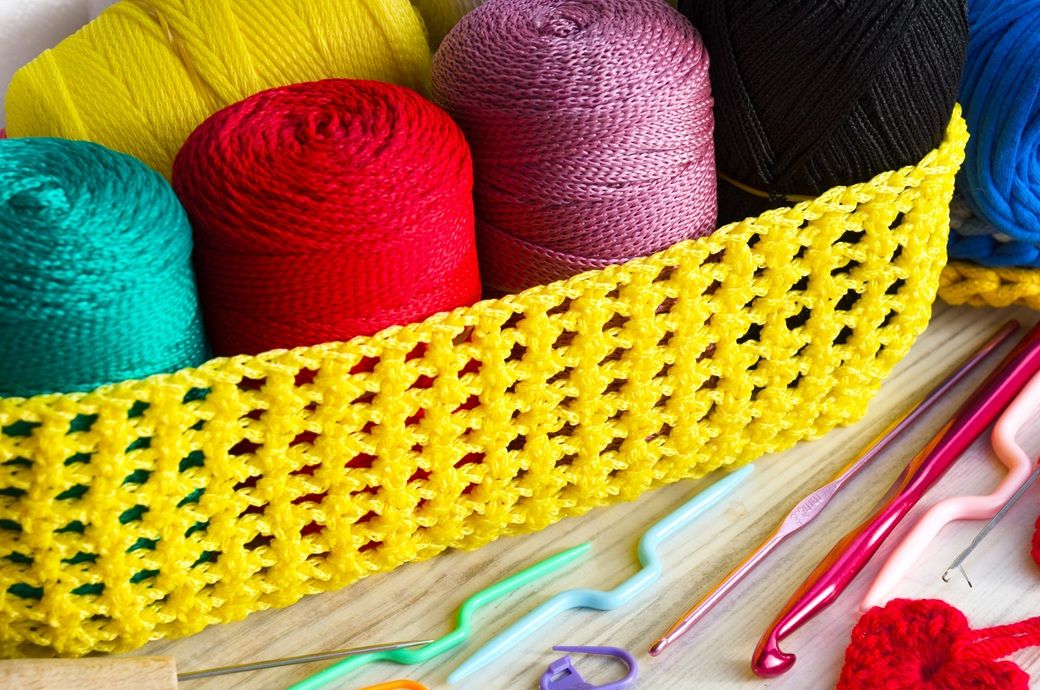
PTA prices recorded notable declines across key Asian benchmarks, tracking crude oil weakness rooted in evolving geopolitical signals. The correction was broad-based, spanning China, Southeast Asia, and South Korea, while India**;s CIF price held steady reflecting the lag in import contract structures and limited spot availability in the domestic market on the day.
The *** per cent Polyester Yarn market witnessed a slightly negative trend during the assessed period, with mild price corrections observed across both yarn grades in the Asia Free on Board (FOB) China market. Prices for **s (*** per cent polyester yarn) declined from around $*.***/kg to nearly $*.***/kg, registering a decrease of approximately *.** per cent.
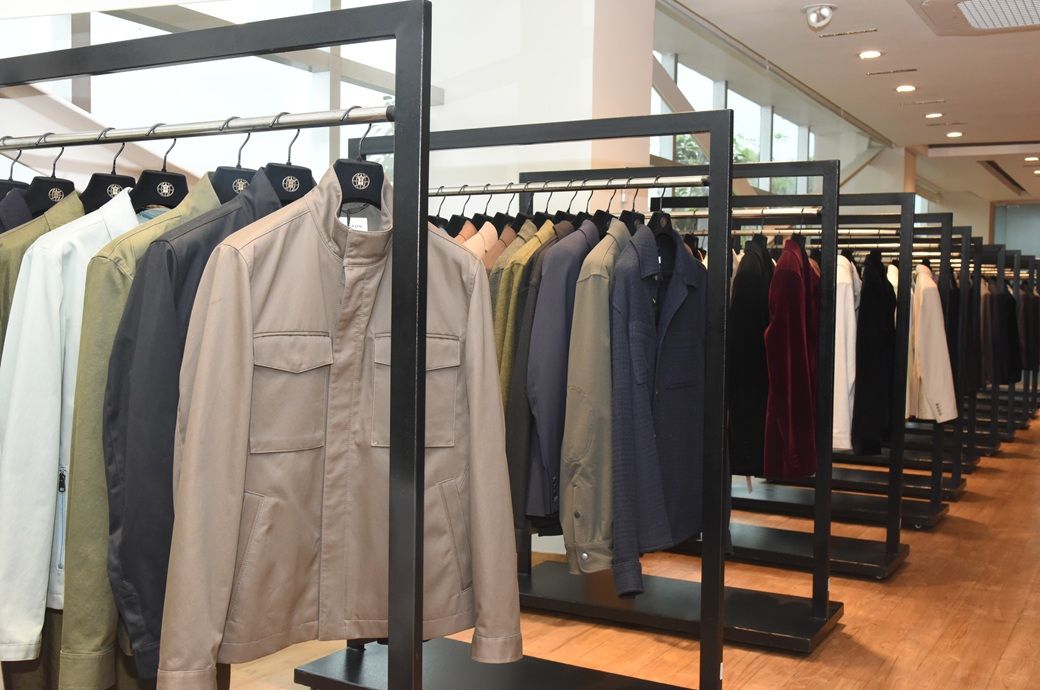
The pivot is urgent because the old model is under pressure. April **** looked strong: Ready-Made Garment (RMG) exports rose **.** per cent year on year to $*.** billion. But the ten-month picture is weaker. From July-April FY****–**, apparel exports stood at $**.** billion, down *.** per cent. Knitwear fell *.** per cent to $**.** billion; woven fell *.** per cent to $**.** billion. The rebound is real, but so is the drag underneath.
AWARE is the sharpest EU-facing signal: blockchain-backed product data for Digital Product Passport (DPP) readiness. Open Supply Hub adds the factory-identity layer, pushing production information into an open platform. GIZ brings the longer reform spine, from May **** to February ****, covering energy efficiency, circularity, chemical management, renewable-energy skills and textile-waste transparency.
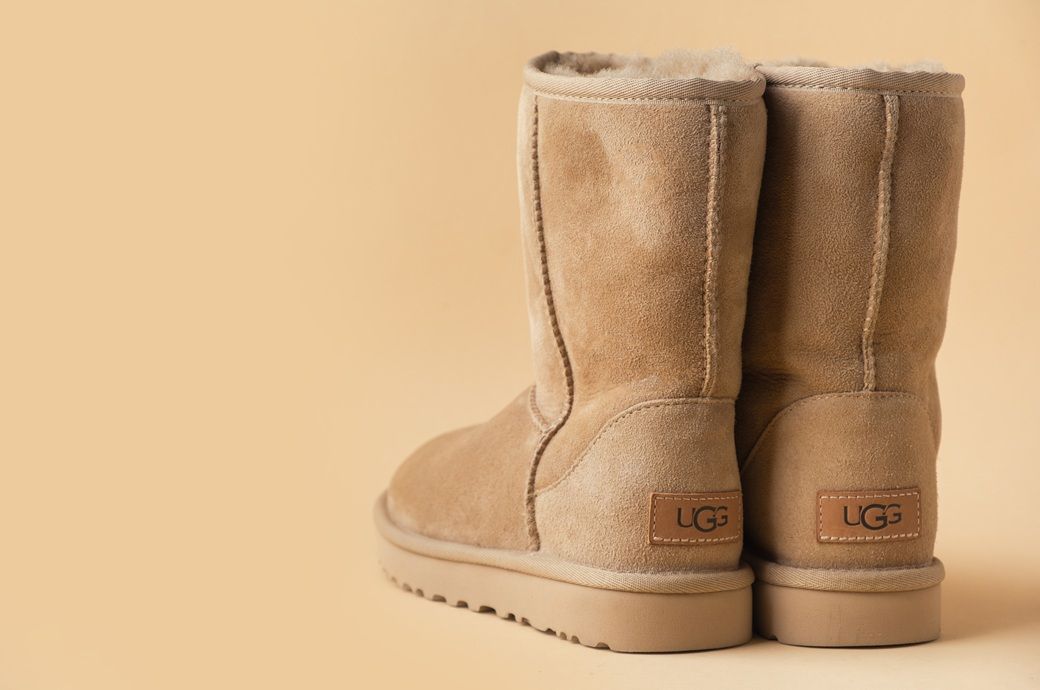
Kenneth Straka, Senior Product Development Manager at Deckers Outdoor Corporation, said that Deckers places strong emphasis on sustainability, noting that founder John Luke often reminded the team that the French word for sustainability is durability. This idea aligned with discussions at the Global Fashion Summit, where the theme centred on “Building Resilient Futures” in the sustainable and circular economy.
Durability has helped UGG become one of the most sought-after boot brands and a key sales driver for Deckers, alongside its sportswear brand Hoka. “One of the things we think about in terms of circularity is making products that last a long time and remain with consumers throughout their lives. We want products that consumers can wear for ** or ** years,” Straka said in an interview with Fibre*Fashion on the sidelines of the Global Fashion Summit in Copenhagen.


AI could make humans less intelligent, warns Royal Observatory

Polyester yarn prices ease as PTA weakens on limited demand

The border as lifeline

-

 Entertainment5 days ago
Conan O’Brien hat tricks as Oscar host
-

 Tech1 week ago
Could Contact-Tracing Apps Help With the Hantavirus? Not Really
-

 Tech1 week ago
I Tried the Best Captioning Smart Glasses, and Only One Leads the Pack
-

 Fashion5 days ago
Italy’s Zegna Group’s Q1 growth boosted by strong organic performance
-

 Sports1 week ago
Bobby Cox, legendary Atlanta Braves manager who led 1995 World Series champions, dead at 84
-

 Entertainment1 week ago
Martin Short: Facing tragedy with joy
-

 Entertainment1 week ago
Tom Brady gets back at Kevin Hart during Netflix roast
-

 Entertainment1 week ago
Martha Stewart: How to make an omelet