

Business
Currency watch: Rupee falls 13 paise to all-time low of 88.81 against US dollar; FII outflows, dollar strength weigh – The Times of India

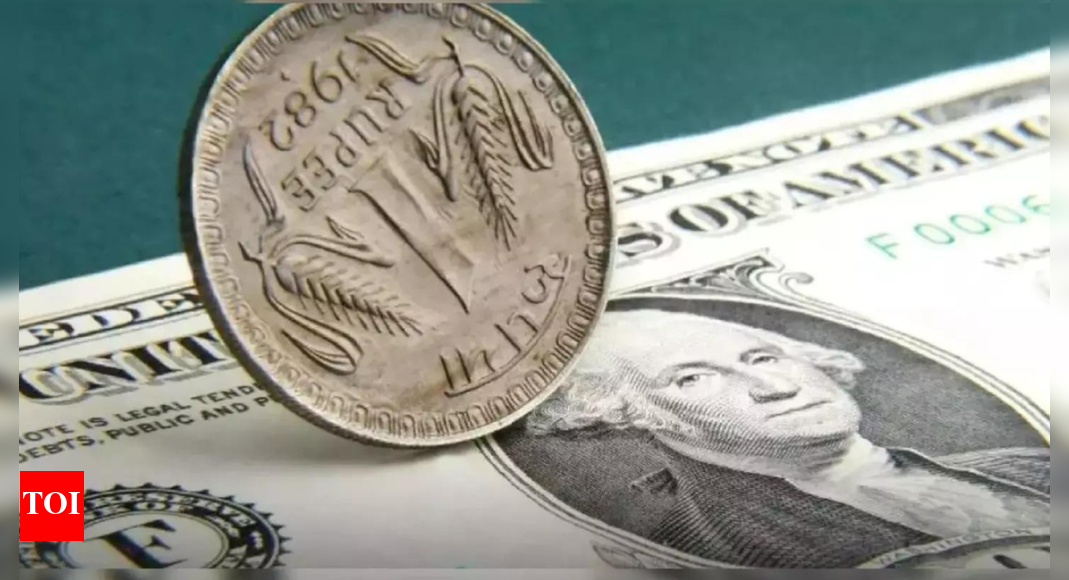
The Indian rupee fell 13 paise to close at an all-time low of 88.81 against the US dollar on Tuesday, pressured by weak domestic equities and a firm dollar amid global risk-off sentiment, according to market sources.Forex traders said foreign fund outflows amid risk-averse global conditions further dented investor sentiment. However, a drop in crude oil prices and reports of Reserve Bank of India (RBI) intervention supported the local unit and curtailed sharper losses, PTI reported.At the interbank foreign exchange, the rupee opened at 88.73 against the greenback, touched an intraday low of 88.82, and a high of 88.73 before settling at 88.81, down from the previous close of 88.68. On September 30, the rupee had touched 88.80, its previous all-time low.“The rupee… [was] pressured by broad-based dollar strength and weaker regional currencies. Sentiment remains fragile amid US-China trade uncertainty and risk-averse moods. However, the rupee has demonstrated resilience, consolidating in a narrow range over the past two weeks due to central bank intervention and foreign fund inflows. Near-term, spot USD/INR finds support at 88.50 and faces resistance at 89.10,” said Dilip Parmar, Senior Research Analyst, HDFC Securities.The dollar index, which tracks the greenback against a basket of six currencies, was trading 0.10 per cent higher at 99.36. Brent crude futures fell 2.15 per cent to USD 61.99 per barrel.Experts noted that US-India trade tariffs remain a concern for investor sentiment. A senior official said a team of Indian officials will visit the US this week for trade talks, with the first tranche of a proposed Bilateral Trade Agreement (BTA) aimed for conclusion between October and November 2025. Five rounds of negotiations have been completed so far.“A weak tone in global crude oil prices and FII inflows may favour the rupee. The US government shutdown and rising odds of a rate cut by the US Federal Reserve may further weigh on the US Dollar. USD/INR spot price is expected to trade in a range of 88.50 to 89,” said Anuj Choudhary, Research Analyst, Currency and Commodities, Mirae Asset ShareKhan, PTI quoted.On the domestic data front, India’s Consumer Price Index (CPI) inflation eased to an eight-year low of 1.54 per cent in September from 2.07 per cent in August, falling below the RBI’s 2 per cent target. Wholesale Price Index (WPI) inflation also cooled to 0.13 per cent in September from 0.52 per cent in August.Domestic equities also fell, with the Sensex dropping 297.07 points to 82,029.98 and the Nifty declining 81.85 points to 25,145.50. Foreign Institutional Investors sold equities worth Rs 1,508.53 crore on Tuesday, exchange data showed.

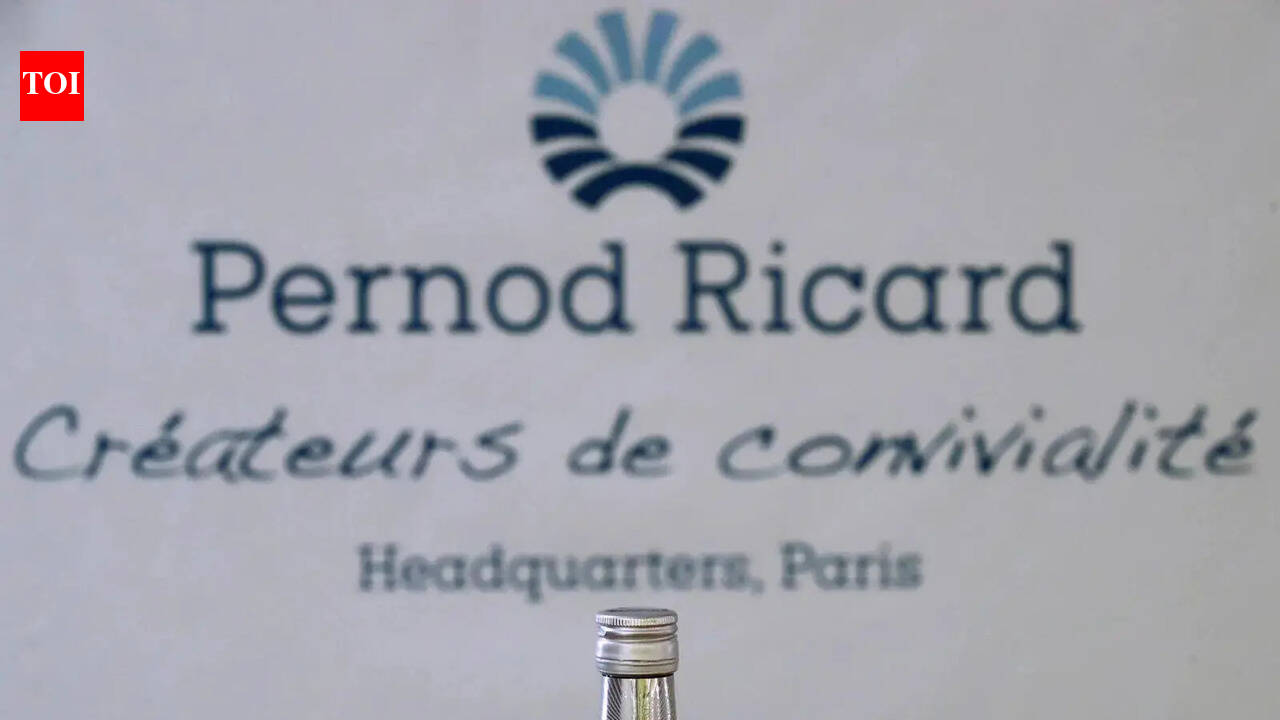
NEW DELHI: The Competition Commission has ordered a detailed probe against French spirits major Pernod Ricard and seven other entities for alleged cartelisation in the Indian-made foreign liquor market.The seven entities that have come under the watchdog’s lens are Indo Spirits, Pathway HR Solutions, Universal Distributors, Khao Gali, Bubbly Beverages, Shiv Associates and Organomix Ecosystems.Ordering the investigation, the regulator said it is of prima-facie view that Pernord Ricard’s restrictive conduct with its retailers/wholesalers, purportedly, to induce brand pushing and achieve higher market share in IMFL market in Delhi, falls within the purview of ‘exclusive dealing agreement’ under the Competition Act. Such conduct violates the Act, according to a 26-page order, dated May 5, by the Competition Commission of India (CCI). The complaint was filed before the CCI in 2024.CCI’s Director General (DG) will carry out the investigation that will also look into the role of the persons/officers who were responsible for the conduct of the activities of such entities as well as individuals whose consent or connivance was involved during the time of the contraventions.

More than half of tradespeople have seen an increase of late payments compared to a year ago, a survey finds.
Source link
Business
Pakistan takes major step with floating solar power project at Keenjhar Lake, Sindh – SUCH TV
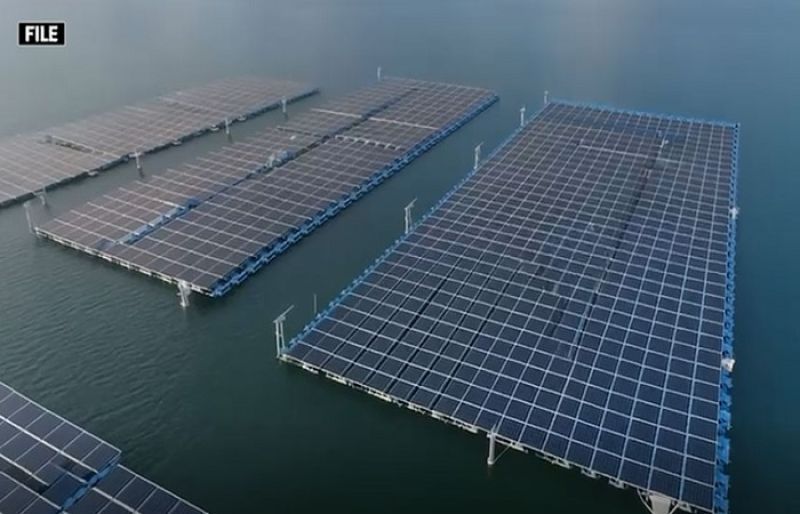
Pakistan is taking a significant step towards promoting renewable energy and energy self-sufficiency with 243 million dollars floating solar power project on Keenjhar Lake in Sindh.
The 500 megawatt project has already been finalized and aims to promote renewable energy and reduce dependence on imported fossil fuels.
The floating solar system on Keenjhar Lake will provide an innovative solution for generating energy without using land and will help in efficient power transmission and meeting energy needs of industrial and urban areas.
This development is a significant step towards Pakistan’s 2030 environmental goals and self-sufficiency in the energy sector.

Cost of living crisis sees tradespeople having to chase debt
CCI to probe Pernod Ricard, seven others – The Times of India

Justin Timberlake pays Mother’s Day tribute to “greatest women” in life

-

 Politics1 week ago
Iran weighs US reply delivered via Pakistan as Trump signals opposition to deal terms
-

 Fashion1 week ago
US’ J.Jill, Inc. appoints Kimberly Wallengren as CMO
-

 Fashion1 week ago
AAFA pushes for swift US House passage of key anti-counterfeiting law
-

 Fashion1 week ago
US cotton export sales show strong recovery, Upland rise 36%
-

 Sports1 week ago
Sajid Ali Sadpara summits world’s fifth-highest peak
-

 Tech6 days ago
DHS Demanded Google Surrender Data on Canadian’s Activity, Location Over Anti-ICE Posts
-

 Fashion1 week ago
ICE cotton witnesses sharp rise on weaker dollar, strong exports
-
 Business7 days ago
Heineken to invest £44.5m in hundreds of pubs creating 850 jobs