

Politics
Death toll from heavy Japan snow hits 30

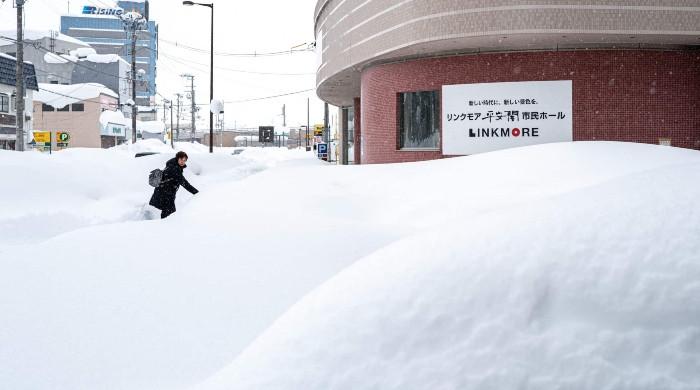
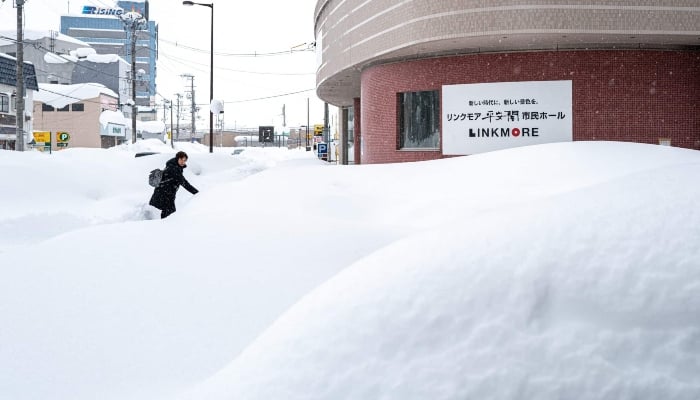
TOKYO: Unusually heavy snow in Japan has been blamed for 30 deaths in the past two weeks, officials said Tuesday, including a 91-year-old woman found under a three-metre pile outside her home.
The central government has deployed troops to help residents in Aomori, the heaviest-hit region where as much as 4.5 metres (15 feet) of snow remains on the ground in remote areas.
Prime Minister Sanae Takaichi held a special cabinet-level meeting on Tuesday morning to instruct ministers to do all they can to prevent deaths and accidents.
A powerful cold air mass has resulted in heavy snow along the Sea of Japan coast in recent weeks, with some areas seeing more than double the usual volumes.
Since January 20 through Tuesday, 30 people have died as a result of the heavy snow, according to the Fire and Disaster Management Agency.
Among them was Kina Jin, 91, whose body was found under a pile of snow at her home in Ajigasawa, Aomori, a local police official told AFP on condition of anonymity.
Police believe snow from her rooftop fell on her. The cause of her death was suffocation, the official said. An aluminium shovel was found next to her body.
“As it gets warmer, the accumulated snow melts and falls. It depends on the volume (of snow) and the temperature. Under the rooftop is a dangerous place,” the official told AFP.
Aomori governor Soichiro Miyashita said on Monday he had asked Japan’s military to offer disaster relief.
He said he asked troops to help the region’s elderly who live alone and need help clearing snow.
Walls of snow as high as 1.8 metres are on the ground of the regional capital of Aomori city, the governor said, adding that local workers clearing snow from roads and houses were overwhelmed.
“The danger of life-threatening incidents, such as fatal accidents due to falling snow from the roofs or collapsing buildings, is imminent,” he said in the press conference.


Dubai: Dubai has introduced a thoughtful gesture to express care and appreciation for travellers, offering departing passengers souvenir gifts and thank-you messages as regional tensions continue.
Dubai authorities said the initiative reflects gratitude for visitors’ patience and cooperation during a period of heightened security concerns, while reaffirming the emirate’s commitment to safety and well-being.
At Dubai Airports, passengers leaving the city are being handed small tokens of appreciation along with printed cards thanking them for their understanding and wishing them a safe journey home, while expressing hope to welcome them back soon.
Although no formal statement has been issued, the move appears aimed at maintaining traveller confidence and reinforcing Dubai’s image as a reliable global hub.
Airport operations have continued with some disruption despite the regional situation, supported by contingency planning and enhanced safety measures for residents and international travellers alike.

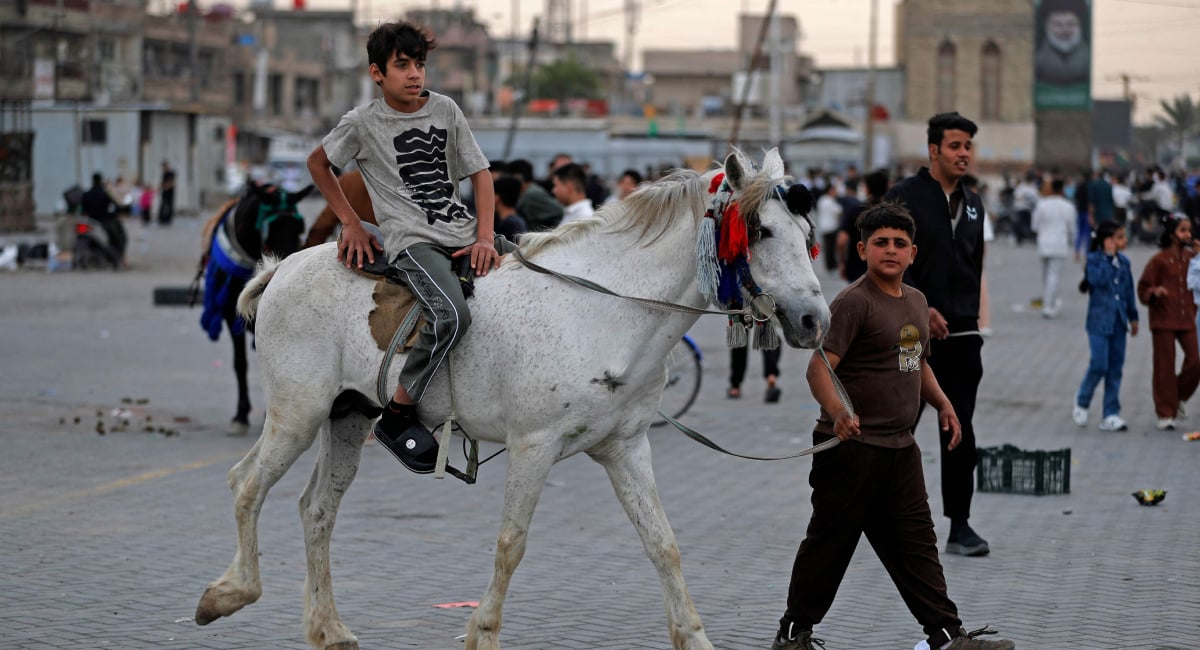
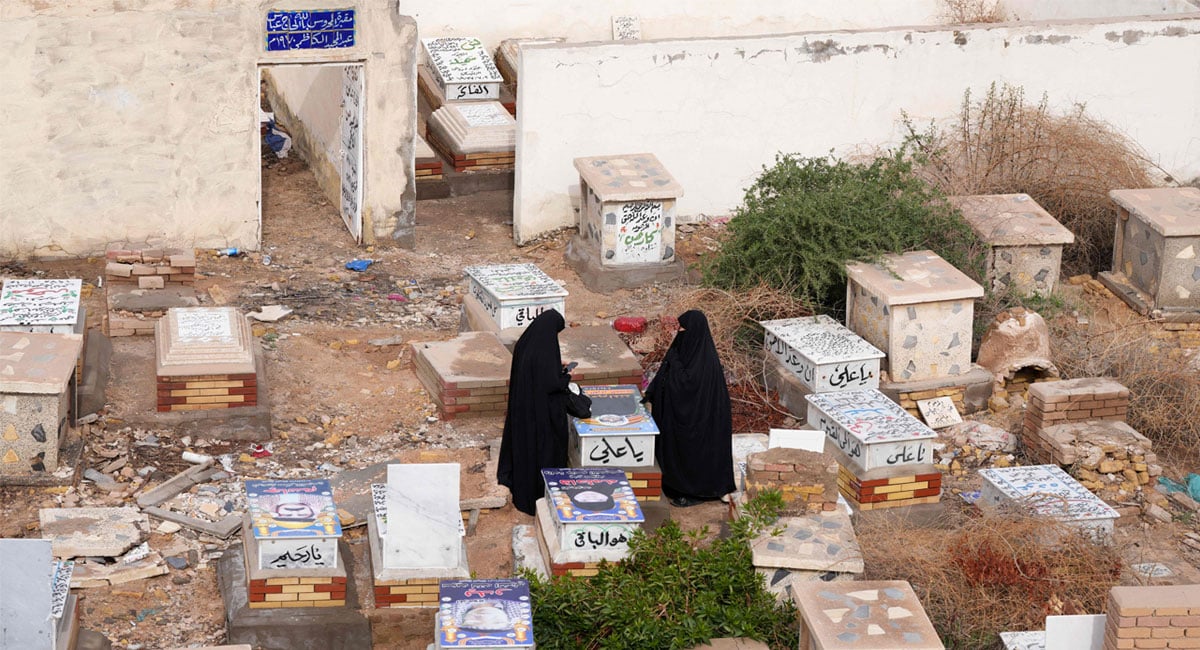
Muslims across the world are celebrating Eid ul Fitr with traditional zeal and fervour, marking the end of the holy month of Ramadan.
Families and communities are coming together for prayers, feasts, and charitable giving, reflecting on a month of fasting, spiritual reflection, and devotion. The celebrations are filled with joy, greetings of “Eid Mubarak,” and acts of kindness that highlight the essence of the festival.













Rescuers were searching for the crew and passengers of a Qatari military helicopter that crashed in the Gulf state´s waters after a “technical malfunction”, the government said early Sunday.
“A Qatari helicopter had a technical malfunction during a routine duty, which led to its crash in the regional waters of the State,” Qatar’s defence ministry said in a statement posted to X. “Searching operation for its crew members and passengers is in progress.”
The interior ministry said that several specialised teams have been deployed.
Qatar has not specified where the helicopter was flying or the number of people on board.
While Qatar has been targeted by several strikes since the start of the Middle East war, no connection has been made between this chopper and the conflict triggered by US-Israeli attacks on Iran.


Notre Dame men join women in winning inaugural three-weapon title

Men’s March Madness live tracker: Updates from all of Sunday’s games

Carrie Anne Fleming’s death confirmed by ‘Supernatural’ costar at 51

Tips and Advice for Buying Used or Refurbished Electronics

UAE savings strategies 2026 explained: Best apps, tools, budget rules and smart money hacks to beat rising cost of living in emirates – The Times of India

US court to review de minimis ban on imports from China & Hong Kong

-
 Tech1 week ago
Tips and Advice for Buying Used or Refurbished Electronics
-
Business1 week ago
UAE savings strategies 2026 explained: Best apps, tools, budget rules and smart money hacks to beat rising cost of living in emirates – The Times of India
-

 Politics1 week ago
Iran threatens US-linked oil facilities after Kharg Island bombed
-
 Fashion1 week ago
US court to review de minimis ban on imports from China & Hong Kong
-

 Entertainment1 week ago
Strategic oil stocks to be released ‘immediately’ in Asia and Oceania: IEA
-
 Entertainment1 week ago
Iran at war
-

 Sports1 week ago
Japan suffers shocking collapse to Venezuela in World Baseball Classic
-

 Entertainment1 week ago
Meet one of the last true paparazzi