Connect with us

Business

Dubai is emerging as a new launchpad for graduate talent – here’s why

Published

on

Dubai is emerging as a new launchpad for graduate talent – here’s why


For years, British graduates followed a familiar path: complete a degree, apply for schemes in London, Manchester or Birmingham, and hope to carve out a foothold in a crowded market. But that path is narrowing. Last year alone, 1.2 million applications were submitted for just 17,000 UK graduate roles. Even for high achievers, progress can feel like standing in a queue that isn’t moving.

It’s hardly surprising, then, that a new trend has emerged: graduates looking overseas, not simply for roles, but for genuine early-career acceleration. Increasingly, that search is leading them to Dubai and the wider UAE, where the country’s labour force has grown by nearly 9% over the past year and hiring sentiment ranks among the highest globally. The UAE’s Q4 +45% Net Employment Outlook is one of the highest globally, with more than half of employers planning to increase hiring.

Graduates look abroad

But statistics only tell part of the story. What young professionals say they want – international exposure, meaningful responsibility and the chance to shape their own trajectory – is precisely what Dubai has become known for.

“Dubai has become a global launchpad for ambitious talent,” says Rami Tawfiq, Director of Dubai Business Associates (DBA), one of the city’s most prestigious graduate programmes. “Organisations here seek globally minded talent with commercial acumen and cultural fluency; skills that DBA cultivates throughout the programme.”

Those skills are increasingly prized across sectors. According to Gavin Aspden, Partner at PwC Middle East, the city’s rapid economic growth has reshaped employer expectations. “Employers today expect graduates to think critically, adapt quickly, and communicate effectively. DBA’s blended model – technical consulting skills paired with soft skills and cultural awareness – creates graduates who can thrive in complex environments.”

Inside the DBA programme

Young talent working in a dynamic, multicultural environment — the kind of setting drawing more graduates to Dubai each year (DBA)

This blended model is exactly what sets the DBA programme apart. Run under the patronage of the ruler of Dubai, Sheikh Mohammed bin Rashid Al Maktoum,, the nine-month, fully funded programme offers outstanding graduates the chance to study, train and work within Dubai-based companies. It functions as both a transition from higher education into employment and a bridge between cultures, immersing participants in an international environment from day one.

While highly selective, the DBA programme offers something different: a clear, structured route into meaningful early-career experience. The most recent cohort was selected from more than 6,600 applicants across 146 countries. In total, 313 alumni from 53 nations have completed consulting projects for over 30 public and private organisations, saving an estimated $23 million in consulting fees.

The programme’s structure explains its appeal. Associates rotate through a combination of academic modules, skills development workshops, cultural immersion activities, and two major placements: a 12-week role embedded within a Dubai organisation, and a 12-week consulting project delivered as part of a team. Along the way, they receive career coaching, life coaching, masterclasses from business leaders, and hands-on mentoring.

For many alumni, this exposure becomes catalytic. “My DBA experience in Dubai absolutely fast-tracked my career,” says Cambridge graduate Leya Ali, now working in Business Development and Mergers & Acquisitions. “Working on real strategic projects with international teams gave me the analytical edge and cultural fluency top-tier firms value. Dubai offers early access to leadership and high-impact work — it was the best decision to take a leap of faith.”

The sentiment is echoed by employers themselves. “We consistently welcome DBA Associates because they bring fresh thinking and a global perspective to strategic logistics projects,” says Noor Salman, Vice President at dnata Cargo. “Graduates here gain real responsibility early, something rare in mature markets.”

Why Dubai stands out
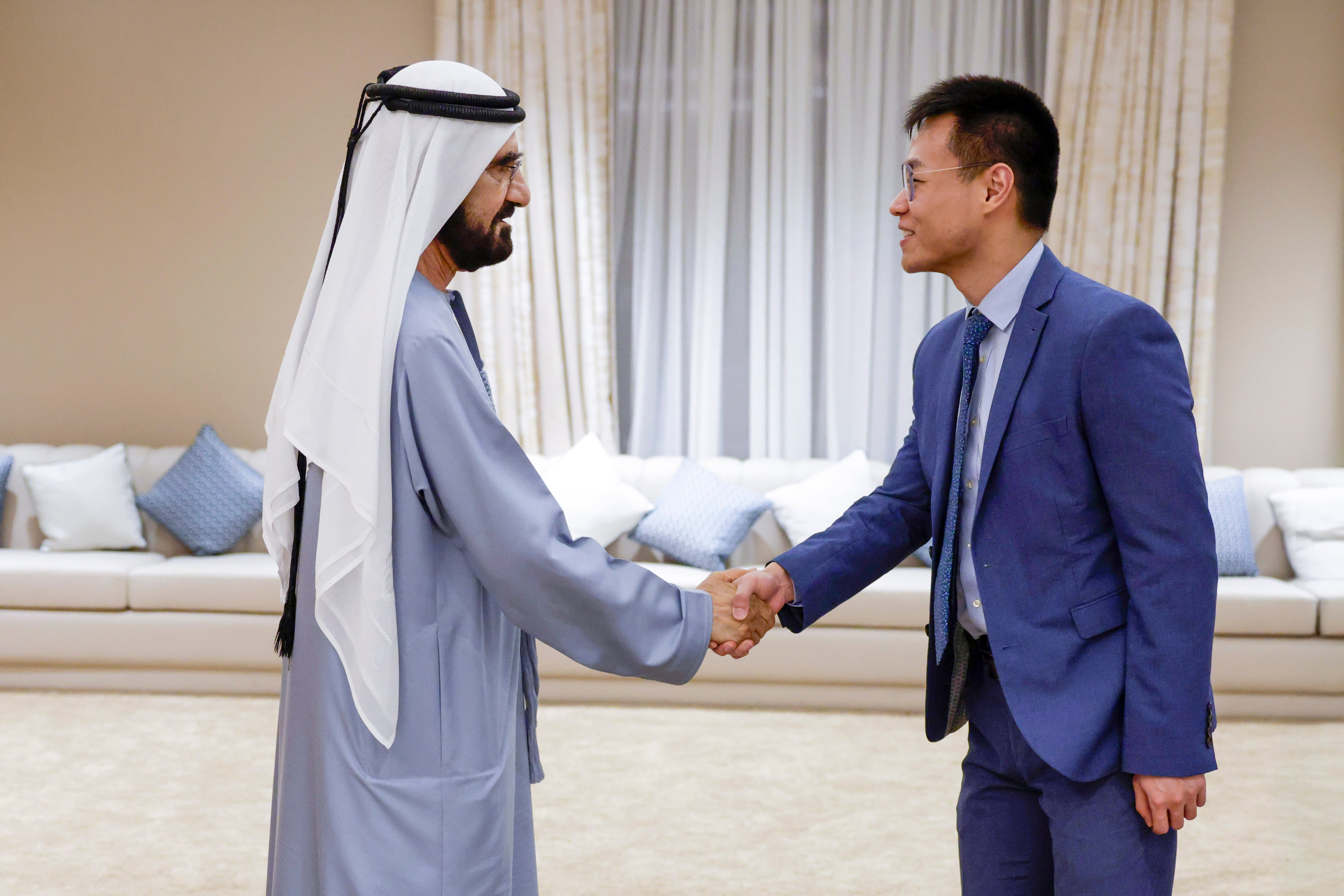
Sheikh Mohammed bin Rashid Al Maktoum, the ruler of Dubai, meeting recent alumni — a moment that underscores the city’s commitment to developing the next generation of talent

Sheikh Mohammed bin Rashid Al Maktoum, the ruler of Dubai, meeting recent alumni — a moment that underscores the city’s commitment to developing the next generation of talent (DBA)

Beyond the programme, Dubai’s wider ecosystem is part of its magnetism. Progressive immigration pathways, a secure environment, tax-free earning, world-class healthcare, and a multicultural population have helped attract more than 200,000 new residents in the past year alone. For graduates who grew up during economic uncertainty, the city offers not only opportunity but also stability.

With its speed, scale and international connectivity, Dubai has positioned itself at the forefront of this shift. The Dubai Business Associates programme is perhaps the clearest example of how the city is cultivating the next generation of global leaders – not through theory alone, but through deep, real-world learning.

As the global graduate landscape evolves, one thing is certain: the next chapter of early-career opportunity may not begin in a boardroom in London, but on the ground in one of the world’s most dynamic cities. For those willing to look beyond familiar borders, Dubai is no longer a distant idea, it is a genuine place to start.



Source link

Continue Reading
Click to comment

Leave a Reply

Your email address will not be published. Required fields are marked *

Business

Petrol, Diesel Fresh Prices Announced: Check Rates In Your City On December 15

Published

on

Petrol, Diesel Fresh Prices Announced: Check Rates In Your City On December 15


Last Updated:

Petrol, Diesel Price On December 15: Check City-Wise Rates Across India Including In Delhi, Mumbai and Chennai.

Petrol, Diesel Prices On May Dec 15

Petrol, Diesel Prices On May Dec 15

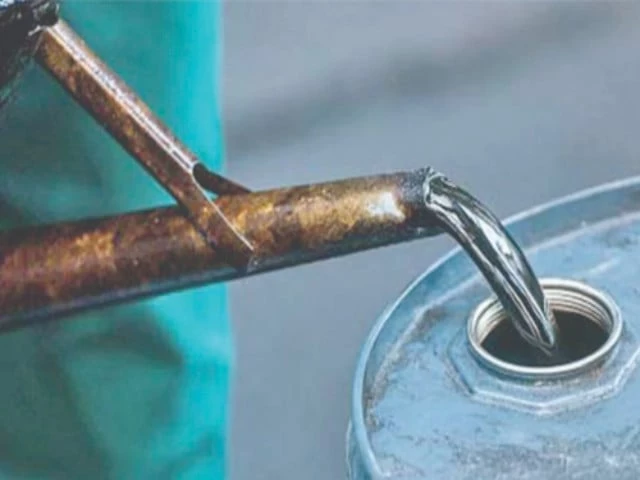
Petrol and Diesel Prices on December 15, 2025: OMCs update petrol and diesel prices daily at 6 AM, aligning them with fluctuations in global crude oil prices and currency exchange rates. This daily revision promotes transparency and ensures consumers have access to the most up-to-date and accurate fuel prices.

Petrol Diesel Price Today In India

Check city-wise petrol and diesel prices on December 15:

City Petrol (₹/L) Diesel (₹/L)
New Delhi 94.72 87.62
Mumbai 104.21 92.15
Kolkata 103.94 90.76
Chennai 100.75 92.34
Ahmedabad 94.49 90.17
Bengaluru 102.92 89.02
Hyderabad 107.46 95.70
Jaipur 104.72 90.21
Lucknow 94.69 87.80
Pune 104.04 90.57
Chandigarh 94.30 82.45
Indore 106.48 91.88
Patna 105.58 93.80
Surat 95.00 89.00
Nashik 95.50 89.50

Key Factors Behind Petrol and Diesel Rates

Petrol and diesel prices in India have remained unchanged since May 2022, following tax reductions by the central and several state governments.

Oil Marketing Companies (OMCs) update fuel prices daily at 6 am, adjusting for fluctuations in global crude oil markets. While these rates are technically market-linked, they are also influenced by regulatory measures such as excise duties, base pricing frameworks, and informal price caps.

Key Factors Influencing Fuel Prices in India

  • Crude Oil Prices: Global crude oil prices are a primary driver of fuel prices, as crude is the main input in petrol and diesel production.

  • Exchange Rate: Since India relies heavily on crude oil imports, the value of the Indian rupee against the US dollar significantly affects fuel costs. A weaker rupee typically translates to higher prices.

  • Taxes: Central and state-level taxes constitute a major portion of retail fuel prices. Tax rates vary across states, leading to regional price differences.

  • Refining Costs: The cost of processing crude oil into usable fuel impacts retail prices. These costs can fluctuate depending on crude quality and refinery efficiency.

  • Demand-Supply Dynamics: Market demand also influences fuel pricing. Higher demand can push prices up as supply adjusts to consumption trends.

How to Check Petrol and Diesel Prices via SMS

You can easily check the latest petrol and diesel prices in your city through SMS. For Indian Oil customers, text the city code followed by “RSP” to 9224992249. BPCL customers can send “RSP” to 9223112222, and HPCL customers can text “HP Price” to 9222201122 to receive the current fuel prices.

Click here to add News18 as your preferred news source on Google.
Follow News18 on Google. Join the fun, play games on News18. Stay updated with all the latest business news, including market trendsstock updatestax, IPO, banking finance, real estate, savings and investments. To Get in-depth analysis, expert opinions, and real-time updates. Also Download the News18 App to stay updated.
News business Petrol, Diesel Fresh Prices Announced: Check Rates In Your City On December 15
Disclaimer: Comments reflect users’ views, not News18’s. Please keep discussions respectful and constructive. Abusive, defamatory, or illegal comments will be removed. News18 may disable any comment at its discretion. By posting, you agree to our Terms of Use and Privacy Policy.

Read More


Source link

Continue Reading

Business

Spain’s commitment to renewable energy may be in doubt

Published

on

Spain’s commitment to renewable energy may be in doubt


Guy HedgecoeAragón, north-eastern Spain

Juan Antonio Domínguez A giant wind turbine standing over the Spanish town of FigueruelasJuan Antonio Domínguez

Spain gets more than half of its electricity from wind and solar

On the edge of the sleepy town of Figueruelas, a single, vast wind turbine spins around, casting its shadow over the buildings nearby.

It’s a reminder of the importance of renewable electricity in this windswept area of Aragón, in north-eastern Spain, whose plains are host to many of the country’s wind and solar energy farms.

Figueruela’s status as a symbol of Spain’s green transition has been further boosted recently, as work starts nearby on the construction of a vast factory that will produce batteries for electric vehicles.

Chinese firm CATL and the Netherlands-based Stellantis are investing a combined €4bn ($4.7bn; £3.5bn) in the facility. Yao Jing, China’s ambassador in Spain, described it as “one of the biggest Chinese investments Europe has ever seen”.

Luis Bertol Moreno, mayor of the town, says the area was a logical choice for the project.

“We’re in Aragón, where there’s wind all year round, there are lots of hours of sunshine, and we are surrounded by wind turbines and solar panels,” he says.

“Those [energy sources] will be crucial in generating electricity for the new factory, and I understand that was the key reason for building it here in Figueruelas.”

Luis Bertol Moreno, mayor of the Spanish town of Figueruelas stands in front of a Spanish flag

Luis Bertol Moreno says the new battery factory will transform the town of Figueruelas

The factory can be seen as vindication of Spain’s energy model, which prioritises renewable sources. In 2017, renewables contributed just a third of Spain’s electricity production, but last year they represented 57%.

By 2030, the government wants them to contribute 81% of electricity output.

Earlier this year, Prime Minister Pedro Sánchez summarised his government’s approach as he delivered a riposte to US President Donald Trump’s pro-fossil fuel “Dig, baby, dig” slogan. “Green, baby, green,” said the Socialist, as he pointed to the benefits of renewable energy.

However, in recent months, Spain’s all-in commitment to renewables has come under scrutiny. This was in great part due to an 28 April blackout that left homes, businesses, government buildings, public transport, schools and universities in the dark across Spain and neighbouring Portugal for several hours.

With the government unable to offer a full explanation for the outage, the country’s energy mix became a fiercely-debated political issue. Alberto Núñez Feijóo, leader of the conservative opposition, accused the government of “fanaticism” in pursuing its green agenda, suggesting that an over-reliance on renewables might have caused the incident.

Feijóo and others on the right advocated a rethink of the national energy model.

The fact that, a week before the blackout, solar generation in mainland Spain registered a record 61.5% of the electricity mix has fuelled such claims.

Yet the government and national grid operator Red Eléctrica have both denied that the outage was linked to the preponderance of renewable energy sources in Spain.

“We have operated the system with higher renewable rates [previously] with no effect on the security of the system,” says Concha Sánchez, head of operations for Red Eléctrica. “Definitely it’s not a question of the rate of renewables at that moment.”

Ms Sánchez said the blackout was caused by a combination of issues, including an “unknown event” in the system moments before, which saw anomalous voltage oscillations.

However, Red Eléctrica and the government are still awaiting reports on the incident that they hope will determine the exact cause. A cyber-attack has repeatedly been ruled out.

Meanwhile, since April, Spain’s electricity mix has been modified somewhat, with greater reliance on natural gas, reinforcing the notion that the country is at an energy crossroads.

AFP via Getty Images Andy Wu, chief executive of the joint Dutch-Chinese firm building the new battery factory, speaks at a press conference in Figueruelas last monthAFP via Getty Images

Work on the new battery factory was officially started last month, accompanied by a press conference

Spain’s nuclear industry, which currently contributes around 20% of national electricity, has been particularly vocal since the blackout, pushing back against government plans to close the country’s five nuclear plants between 2027 and 2035.

With many European countries undergoing a nuclear renaissance, the planned closures make Spain something of an outlier. The companies that own the Almaraz plant in south-western Spain, due to be the first to shut down, have requested a three-year extension to its life until 2030. That request is currently under consideration.

Ignacio Araluce, president of Foro Nuclear, an association that represents the industry, says Spain is the only country in the world that is scheduling the closure of nuclear plants that are in operation. He believes nuclear energy provides stability while being compatible with the green energy transition.

“It’s prudent to have a mix of renewables and nuclear energy,” he says.

Mr Araluce praises renewable sources because they only require natural elements to generate electricity, but points out that they are not able to operate around the clock or when weather is unfavourable.

“How can you produce energy in those hours when the renewables are not producing?” he asks. The answer, he added, is “with a source like nuclear, that is not producing CO2, that is producing all hours of the year”.

The political opposition is staunchly opposed to the nuclear shut-down. The far-right Vox, criticising what it saw as a lack of explanation by the government for the April blackout, recently described nuclear power as “a crucial source of stability”.

AFP via Getty Images  The Cofrentes nuclear power plant near ValenciaAFP via Getty Images

The current government is committed to closing the country’s five nuclear power plants

Ms Sánchez acknowledges that there is room for improvement for Spain’s electricity model, pointing to the Iberian peninsula’s relative isolation from the European grid compared to most of its EU neighbours. She also sees storage as an issue.

“While we have taken a good path when it comes to renewable installation, we cannot say the same regarding storage,” she says. “We need to foster storage installation.”

Spain’s political panorama adds an element of uncertainty to its energy future. The Socialist-led coalition has been mired in corruption scandals and its parliamentary majority appears to have collapsed in recent weeks, raising the possibility of a snap election in the coming months.

A right-wing government, which polls suggest would be the likely outcome, would almost certainly place less emphasis on renewables and advocate a partial return to more traditional energy sources.

But in the meantime, Spain’s renewable transition continues.

And for Figueruelas, in Aragón, that means not just cheap, clean energy, but investment. The town’s population, of just 1,000, is due to increase dramatically, with 2,000 Chinese workers scheduled to arrive to help build the new battery plant, which is expected to create up to 35,000 indirect jobs once it starts operating.

“These kinds of investments revitalise the area, they revitalise the construction sector, hostelry,” says local man Manuel Martín. “And the energy is free – it just depends on the sun and the wind.”

Read more global business stories


Source link

Continue Reading

Business

Christmas attractions face sharp rise in property taxes after Budget

Published

on

Christmas attractions face sharp rise in property taxes after Budget


London’s Winter Wonderland and Hamleys are set to be hit by sharp jumps in their property taxes from next year as UK Christmas attractions come under pressure from next year’s business rates overhaul.

Analysis of official figures has shown that a raft of Christmas attractions, markets and destination-led retail will face increases in business rates payments from April.

However, other major retail destinations and Christmas shopping locations, such as Harrods, will see their payments fall due to new property valuations.

In last month’s Budget, the Chancellor announced a current 40% discount for retail, hospitality and leisure businesses – which is capped at £110,000 per business – will end on March 31 next year.

This will be replaced by a new system from the next financial year, which will see rates multipliers for retail, hospitality and leisure firms set 5p lower than the standard rate with no cap in support.

The Government also launched a £3.2 billion scheme of transitional relief to cap annual rises.

However, new property valuations will be used to decide rate payments from April, with many of these updates leading to significant increases.

Calculations of Valuation Office Agency (VOA) data by global tax firm Ryan found that the land used for Winter Wonderland in Hyde Park sees its rateable value (RV) jump from £1.0m to £3.75m, up 275%, pushing its bill from £555,000 to £721,500 next year, despite a cap.

Meanwhile, Lapland UK in Ascot see its rateable value surge from £150,000 to £1.87 million.

Other major visitor destinations are also set to be affected, Camden Stables Market’s annual bill is set to rise from £699,300 to £909,090 next April after its valuation jumped by 178%.

Hamleys’ flagship toy store on Regent Street, London, will face one of the largest bill increases, rising by £449,550 next April.

However, other retailers will see their payments fall, with Waterstones’ flagship store in Piccadilly, London, set to see its bill fall by 45%, around £828,000, from next year.

Alex Probyn, practice leader for Europe and Asia-Pacific property tax at Ryan, told the Press Association: “Seasonal attractions have grown significantly in popularity between valuation dates, so upward pressure on their valuations was not unexpected but the level of increases were.

“The key question is whether the figures reflect their short seasonal rental model or whether broader income indicators have influenced the outcome. For temporary attractions, getting that balance right is critical.

“Across the wider retail sector, we’re seeing extremes both geographically and by format.”


Source link

Continue Reading

Trending