

Politics
East Timor joins ASEAN after 14-year wait, becoming bloc’s 11th member

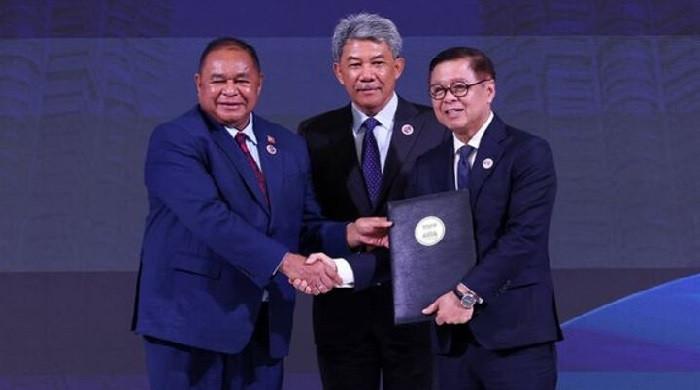
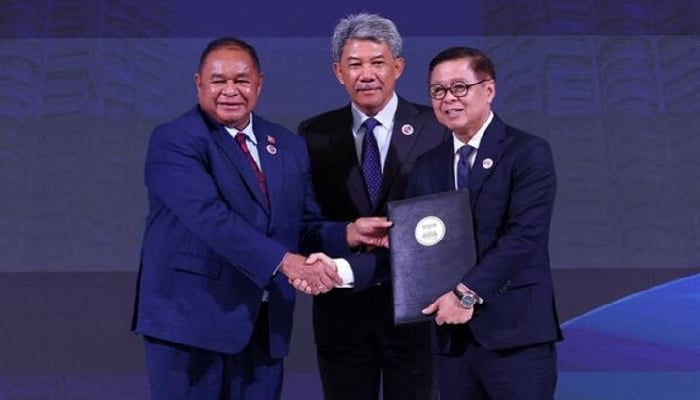
East Timor joined the Association of South East Asian Nations (ASEAN) bloc as its 11th member state on Sunday, after 14 years of campaigning.
Malaysian Prime Minister Anwar Ibrahim, whose country currently chairs ASEAN, said East Timor’s accession “completes the ASEAN family — reaffirming our shared destiny and deep sense of regional kinship”.
“Within this community, Timor-Leste’s development and its strategic autonomy will find firm and lasting support,” Anwar told an ASEAN summit in the Malaysian capital of Kuala Lumpur.
East Timor, also known by its Portuguese name Timor-Leste, is the youngest country in the region, having gained independence from Indonesia in 2002 after 24 years of occupation.
President Jose Ramos-Horta has long campaigned for ASEAN membership, and an application was first submitted in 2011 during his first term.
The signing of a declaration on East Timor’s admission on Sunday is also seen as one of the crowning achievements of Malaysia’s ASEAN chairmanship.
East Timor was granted observer status to the regional body in 2022 but its full membership was delayed by various challenges.
The country continues to grapple with high levels of inequality, malnutrition and unemployment.
It remains heavily reliant on oil, with little diversification into other sectors, and some concerns remain over its ability to participate meaningfully in ASEAN’s development agenda.
It also faces challenges in infrastructure development and human resource capacity, seen as critical for effective participation in ASEAN’s economic community.
In September, thousands of student-led protesters demonstrated against a multi-million dollar plan to purchase Toyota Prado SUVs for each of the country’s 65 members of parliament and lifetime pensions for former MPs.
Demonstrators and police clashed for two days, before the parliament cancelled the vehicles’ procurement.
The parliament has also bowed to public pressure over MPs’ pensions.
ASEAN began as a five-member bloc in 1967 and has gradually expanded, with Cambodia the most recent addition in 1999.
- Iran’s defence capabilities designed to deter aggressors: official.
- Israel expresses concern over Iran’s missile production: report.
- Israel seeks to attack it again to curtail those efforts, says report.
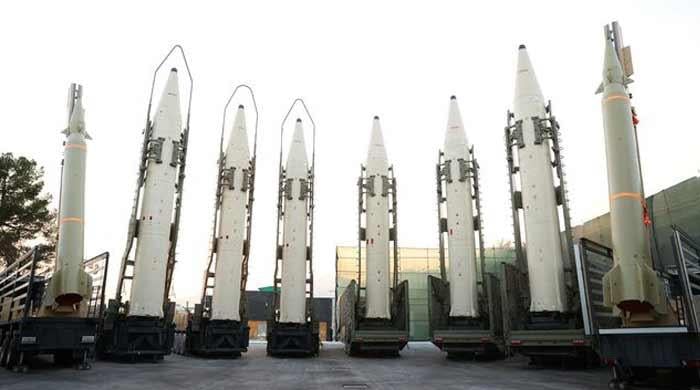
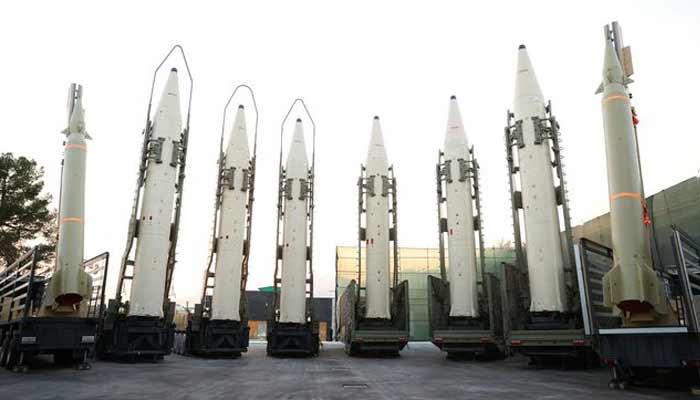
Iran insisted on Monday that its missile programme was defensive in nature and designed to dissuade attack, while adding that the existence of its arsenal was not up for debate.
Israel had presented Iran’s ballistic missiles, along with its nuclear programme, as the two main threats it sought to neutralise during the 12-day war the foes fought in June.
“Iran’s missile programme was developed to defend Iran’s territory, not for negotiation,” foreign ministry spokesman Esmaeil Baqaei said at a weekly press conference.
“Therefore, Iran’s defence capabilities, designed to deter aggressors from any thought of attacking Iran, are not a matter that could be talked about.”
Iran’s ballistic capabilities put Israel within striking distance, and after Israel’s unprecedented attacks that sparked the war in June, Tehran responded with waves of missiles and drones launched at Israeli cities.
According to US broadcaster NBC, Israel is growing increasingly concerned that Iran is seeking to rebuild and expand its missile production following the war, and may seek to attack it again to curtail those efforts.
During a planned visit to the US later this month, Israeli Prime Minister Benjamin Netanyahu “is expected to present US President Donald Trump with options for the US to join or assist in any new military operations”, NBC reported, citing an unnamed source with direct knowledge of the plans and former US officials briefed on them.
Over the course of the recent war, Israel struck military sites, nuclear facilities and residential areas, killing more than 1,000 people.
Israel reported more than 50 Iranian missile strikes inside its territory that killed 28 people.
The US briefly joined its ally in striking Iran’s nuclear facilities before declaring a ceasefire.
Iran once procured much of its weaponry from the United States, but following the break in diplomatic relations after its 1979 Islamic revolution, it had to develop its own domestic arms industry.
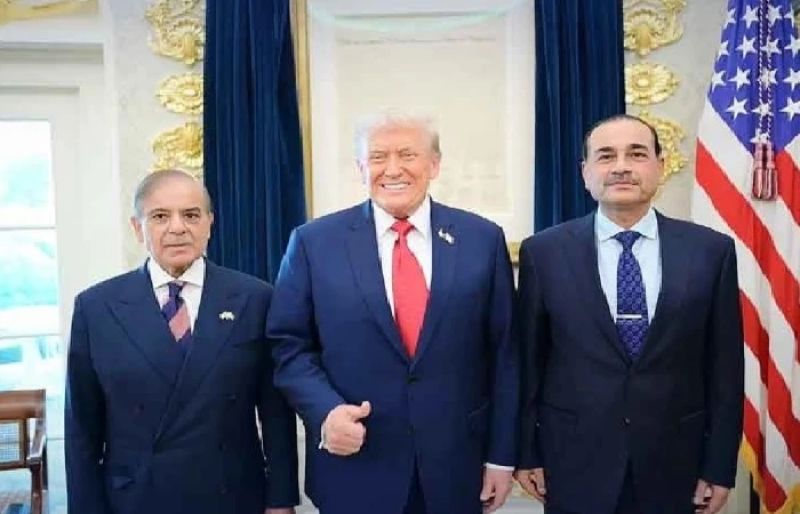
The Washington Times has described 2025 as a turning point in Pakistan–US relations, citing what it called a dramatic shift in Washington’s approach.
The newspaper said President Donald Trump abandoned the long-standing “India First” policy and elevated Pakistan’s strategic importance, a change it linked largely to the May conflict between Pakistan and India.
In May 2025, following India’s unprovoked attacks, Pakistan launched a calibrated military response, Operation Bunyanum Marsoos, targeting Indian troop concentrations, air assets, and key command infrastructure. Retaliatory strikes neutralized over 26 high-value installations across five Indian states, including missile silos, air defence systems, logistics hubs, and communications networks.
Pakistani drones and cyber operations further disrupted India’s energy grids, rail networks, and surveillance systems, while multiple Rafale jets were reportedly shot down. The operation demonstrated Pakistan’s military discipline, precision, and strategic reach, sending a clear message that its airspace and national sovereignty would not be violated.
The article provides a special analysis of the growing rapport between Chief of Defence Forces, Field Marshal Syed Asim Munir and President Trump, describing Pakistan’s transformation from an “undesired state” to a key partner. Its rapid image-building and opinion shift in Washington are described as rare and unique, positioning Pakistan as a central pillar of Trump’s South Asia policy.
Earlier, during his official visit to the United States, Field Marshal Munir praised President Trump for helping prevent “many wars,” including brokering the May Pakistan-India ceasefire.
Addressing the Pakistani diaspora, he highlighted Pakistan’s diplomatic successes, warned against any future Indian aggression, and reaffirmed that Indian Illegally Occupied Jammu and Kashmir remains an internationally recognized dispute. The military chief also held high-level engagements with US military and political leadership, emphasizing strengthened bilateral cooperation, regional security, and counterterrorism collaboration.
Initially, Washington had sought to strengthen India through platforms like the Quad, sidelining Islamabad. However, India’s political climate, restrictions on personal freedoms, uneven military performance, and diplomatic rigidity cast doubt on its role as a regional stabilizer.
The first thaw in Pakistan-US relations came via secret counterterrorism exchanges, signaling substantive cooperation. In March, Trump unexpectedly praised Pakistan’s counterterrorism efforts during a national address, prompting a policy shift.
Islamabad seized the opportunity, turning limited cooperation into strategic gains. Engagement increased, and the bilateral relationship evolved from transactional to strategic. The short but intense May skirmish with India became a decisive turning point, showcasing Pakistan’s military discipline, strategic focus, and asymmetric capabilities – qualities that reportedly surprised Trump.
The article also highlights historic engagement between Trump and Field Marshal Munir, including their first-ever luncheon meeting for a Pakistani military chief and Munir’s red carpet visit to US Central Command Headquarters for high-level talks. Advisers described their relationship as a “budding bromance,” with Munir emerging as a disciplined, strategic, and carefully image-managed figure in Washington. Pakistan also leveraged this attention with light diplomatic gestures and public relations moves, further boosting its standing.
US President Donald Trump called the visit an “honour,” praising Munir for helping avert further escalation between Pakistan and India. The meeting discussed the recent Middle East conflict, Pakistan’s understanding of Iran, and regional security issues. Trump credited Munir’s leadership in securing the May ceasefire, calling it a major contribution to preventing war between the nuclear-armed neighbours, and noted that the luncheon marked the first time a US president hosted a Pakistani army chief unaccompanied by civilian officials.
By early 2026, The Washington Times notes, Pakistan sits at the center of Trump’s emerging grand strategy for South Asia and the Far East. It offers Washington discreet channels to Iran, a potential role in Gaza, and a subtle counterweight to China’s regional influence. Islamabad has re-established itself as a serious regional actor, reshaping US policy and rewriting the balance of power in South Asia.
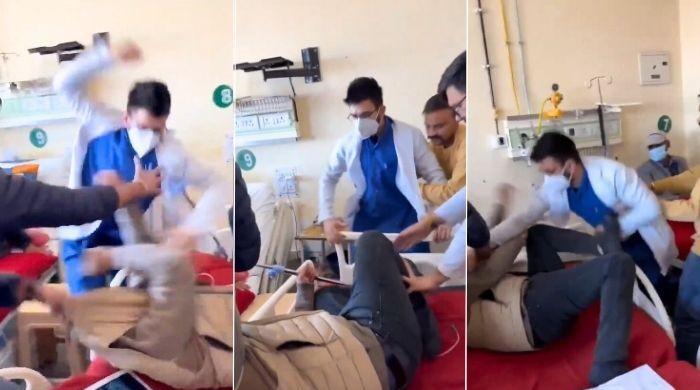

A disturbing incident at an Indian hospital has raised serious safety concerns after a doctor thrashed a patient who had visited for an endoscopy procedure.
A video circulating on social media was captured in the Indira Gandhi Medical College (IGMC) of Himachal Pradesh’s city Shimla, showing a doctor brutally beating a patient, despite people in the surrounding trying to stop him.
According to India Today, patient Arjun Pawar visited the hospital for an endoscopy procedure. After which, upon a complaint of breath difficulties, he was shifted to another ward.
Pawar’s attendants said that, upon calling the doctor, he appeared disrespectful to them and treated the patient in an unfriendly manner. They reported being involved in a heated exchange that led to the incident, which in turn sparked the demonstration.
Protesters demanded immediate action against the doctor, calling for his suspension.
Following the demonstration and social media backlash, the IGMC administration has formed an investigation committee to ensure an impartial probe into the matter.


CITI YEG names Ganeriwal chairman & Goenka vice chairman

Why Warner Bros. Discovery shareholders might opt for Paramount’s offer — and why they might not

Marita Moreno launches limited-edition Michone Viana boots, crafted by certified artisans
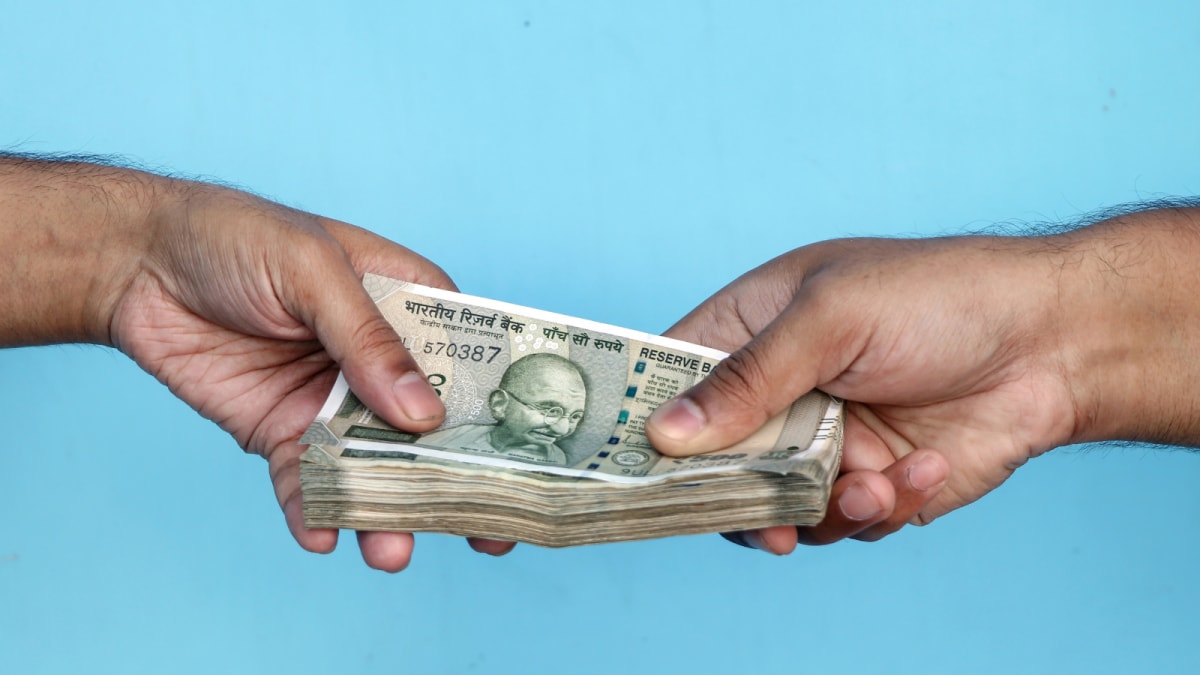
Hitting The ‘High Notes’ In Ties: Nepal Set To Lift Ban On Indian Bills Above ₹100

Studying Abroad Is Costly, But Not Impossible: Experts On Smarter Financial Planning
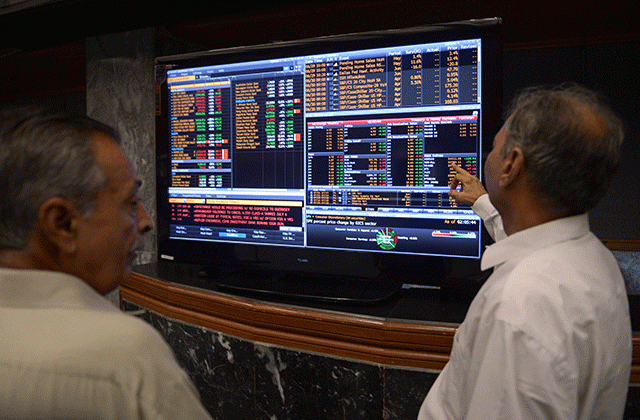
KSE-100 index gains 876 points amid cut in policy rate | The Express Tribune

-
Business1 week ago
Hitting The ‘High Notes’ In Ties: Nepal Set To Lift Ban On Indian Bills Above ₹100
-
Business1 week ago
Studying Abroad Is Costly, But Not Impossible: Experts On Smarter Financial Planning
-
Business1 week ago
KSE-100 index gains 876 points amid cut in policy rate | The Express Tribune
-

 Sports1 week ago
Jets defensive lineman rips NFL officials after ejection vs Jaguars
-

 Fashion4 days ago
Indonesia’s thrift surge fuels waste and textile industry woes
-
 Business4 days ago
BP names new boss as current CEO leaves after less than two years
-

 Tech1 week ago
For the First Time, AI Analyzes Language as Well as a Human Expert
-

 Entertainment1 week ago
Prince Harry, Meghan Markle’s 2025 Christmas card: A shift in strategy