

Fashion
eBay UK seller fee removal sends revenue down but profits rise


Published
October 20, 2025
eBay (UK) Limited has filed its accounts for 2024 and they show a return to profitability, helped by stronger cost management and operational efficiencies.
These supported a positive operating margin and the company continues to expect to report ongoing profits based on the same careful cost and operational controls, as well as via ongoing investment in customer experience.
That said, the company’s revenue for the latest year actually fell 10%, mainly due to the Free To Sell campaign in the UK, which removed selling fees.
Was this the right approach? We have to assume it was as the company seems committed to it. But while profit increased, the company said this was due to falling administrative expenses on the back of an impairment of investment in 2023.
Looking at the headline numbers, total revenue fell to £1.16 billion from £1.28 billion in 2023. Operating profit jumped to £27.8 million from a loss of £6.1 million the year before, pre-tax profit was £36.5 million after just £2.7 million in the previous period, and net profit for the year was £24.68 million after a £7.7 million loss the year before.
There was no clue as to how 2025 has been going. But eBay has been very busy in the UK this year, from launching celebrity charity auctions to expanding its authentication guarantee, linking with M&S and Nobody’s Child on resale, and continuing to link with Love Island. While not all of these initiatives are designed to boost profits, they all raise awareness of eBay and promote the idea of secondhand fashion as the way forward.
But eBay admitted that the segment in which it operates is “intensively competitive” with a wide variety of options open to both its sellers and buyers.
Copyright © 2025 FashionNetwork.com All rights reserved.











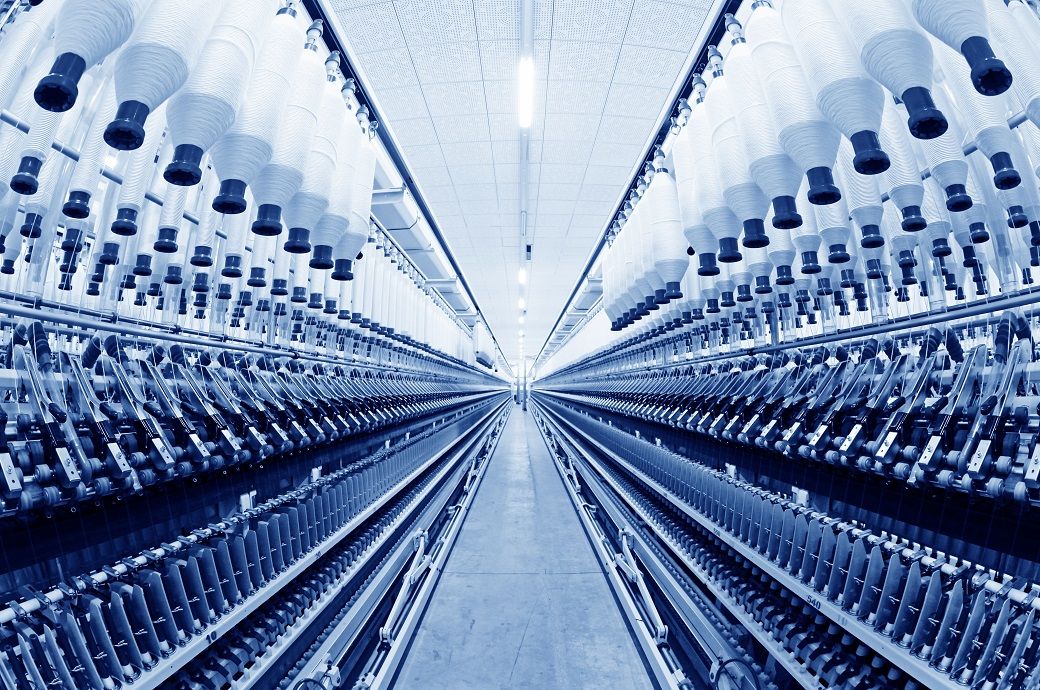
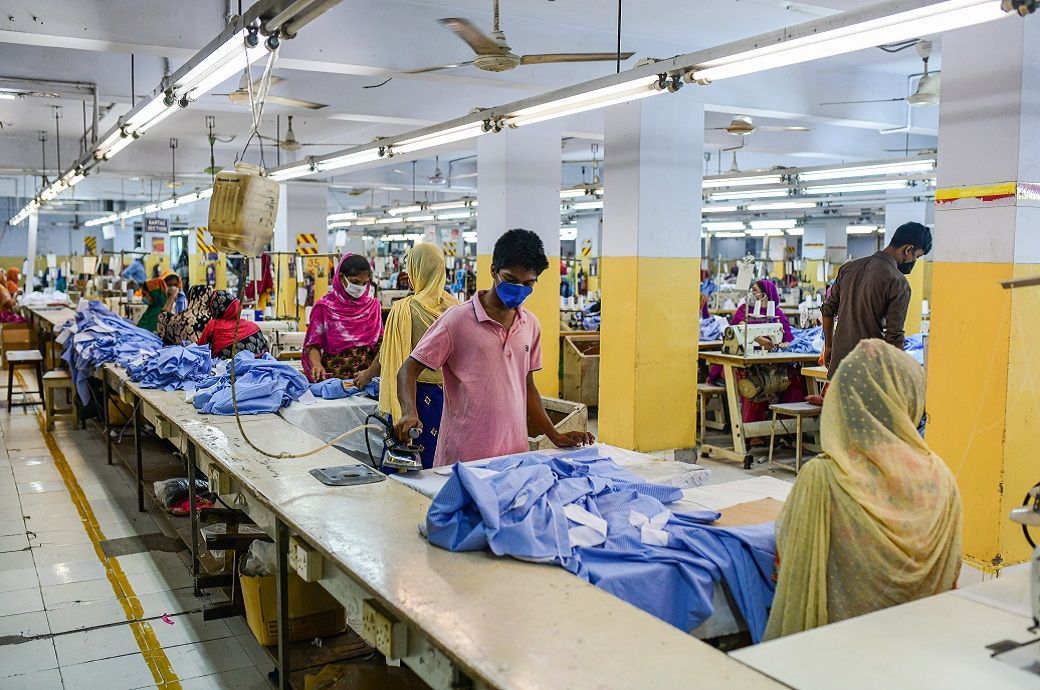
The Confederation of Indian Textile Industry (CITI) expects the upcoming Budget to futureproof India’s textile and apparel sector through measures that will make the arena more resilient, innovative, and globally competitive.
CITI has urged the Union Budget to futureproof India’s textile and apparel sector through reforms on raw material pricing, competitiveness, sustainability and trade facilitation.
Seeking duty-free cotton, technology and green schemes, and export support, CITI said that high US tariffs threaten jobs in a sector vital to GDP, exports and livelihoods.
“Our optimism that the forthcoming Union Budget will significantly move the needle on policy and regulatory reforms is bolstered by the government’s steadfast commitment to the growth and development of India’s textile and apparel sector,” CITI chairman Ashwin Chandran said.
“The Budget enabling the creation of a stronger growth ecosystem for the Indian textile and apparel sector can also have a positive ripple effect on the Viksit Bharat (developed India) goal,” Chandran added.
India’s textile and apparel sector is the second-largest provider of jobs and livelihoods in the country. It is also a significant contributor to the country’s GDP and exports.
Some of the specific measures that the Confederation of Indian Textile Industry (CITI) would like to see in the coming Budget are:
1. Raw material and price stability-related:
- Removal of import duty on all varieties of cotton fibre.
- Change in MSP formula for cotton to align with international benchmark prices.
- Launch of a Cotton Price Stabilisation Fund.
- Ensure availability of man-made fibres (MMF) at globally competitive prices.
2. Competitiveness, technology, and sustainability-related:
- Launch of a Green Technology Scheme to support MSMEs’ transition to clean energy and sustainable practices.
- Launch of an alternative scheme to the erstwhile Technology Upgradation Fund Scheme.
- Launch of a scheme to promote indigenous textile machinery manufacturing.
- Address high power costs and industrial cross-subsidies.
- Establishment of a National Textile Fund.
3. Trade Facilitation-related
- Extension of RBI’s Trade Relief Measures to cover the entire textile value chain.
- Increase in Basic Customs Duty on all types of knitted fabric to curb imports at unviable prices.
- Reintroduction of the MEIS Scheme.
- Extension of the facility of Duty-free Import of specified items/goods to exporters of made-ups.
“Combined, these measures could increase the resilience of India’s textile and apparel sector and help it become a more powerful force globally, while also contributing towards realising the national target of creating a $350 billion textile and apparel industry in India by 2030,” Chandran said.
India’s textile and apparel sector has been hit hard by the 50 per cent US tariff on Indian goods, effective August 27, 2025. The steep US tariff has adversely affected numerous Indian textile and apparel companies, thereby increasing the risk that millions of people working in this sector may lose their jobs and livelihoods.
The US is the single-largest market for India’s textile and apparel exports, contributing almost 28 per cent to the total revenue of the country’s textile and apparel exporters. India’s exports of textile and apparel products to the US were valued at nearly $11 billion in the fiscal year 2024-25.
“India’s textile and apparel exporters have stepped up their diversification efforts, but it is tough to quickly make up for potential business losses in the US. Also, while existing and upcoming FTAs would create new opportunities for India’s textile and apparel sector, these benefits will require time to materialise,” Chandran said.
Fibre2Fashion News Desk (HU)
Published
January 19, 2026
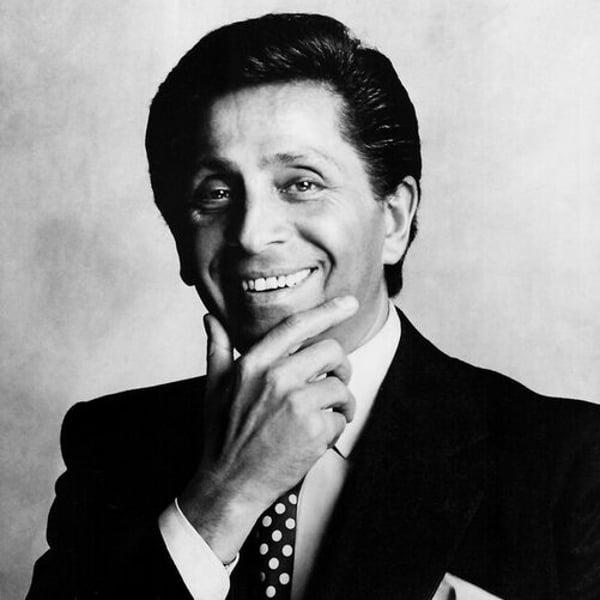
Valentino Garavani, an icon of Italian fashion, founder of his eponymous maison, and widely regarded as one of the greatest designers of all time, died in Rome on January 19, surrounded by his loved ones.
Born in Voghera, Italy on May 11, 1932, he showed remarkable artistic talent from an early age, which led him to study drawing and fashion in Paris, where he worked with couturiers such as Jean Dessès and Guy Laroche.
Upon returning to Italy, he opened his first atelier on Via Condotti in Rome in 1960, supported by his business partner, Giancarlo Giammetti. International success soon followed: his debut show at Florence’s Palazzo Pitti in 1962 marked his breakthrough, establishing him as an undisputed standard-bearer of Italian fashion worldwide. In 1968, the famous “V” logo was introduced, later becoming the emblem of the maison. Equally iconic is his signature red, inspired by a gown he saw at the opera in his youth, which made this shade a defining hallmark of the house.
Valentino Garavani announced his retirement in 2007, at the age of 75, with a final show celebrating his extraordinary career. His legacy is also chronicled in the 2008 documentary directed by Matt Tyrnauer: “Valentino: The Last Emperor.”
Garavani’s lying in state will be held at PM23, Piazza Mignanelli 23 in Rome, on Wednesday and Thursday, January 21 and 22, 2026, from 11:00 to 18:00. The funeral will take place on Friday, January 23, 2026, at 11:00, at the Basilica of Santa Maria degli Angeli e dei Martiri, Piazza della Repubblica 8, Rome.
This article is an automatic translation.
Click here to read the original article.
Copyright © 2026 FashionNetwork.com All rights reserved.


Hilary Duff excites fans as she revives hit songs during London gig: Watch

Budget should strengthen India’s textile & apparel industry: CITI

Afghanistan’s hunger crisis worsened by winter, aid cuts

-

 Tech1 week ago
New Proposed Legislation Would Let Self-Driving Cars Operate in New York State
-

 Entertainment7 days ago
X (formerly Twitter) recovers after brief global outage affects thousands
-

 Sports5 days ago
Pak-Australia T20 series tickets sale to begin tomorrow – SUCH TV
-

 Fashion3 days ago
Bangladesh, Nepal agree to fast-track proposed PTA
-
 Business4 days ago
Trump’s proposed ban on buying single-family homes introduces uncertainty for family offices
-

 Tech4 days ago
Meta’s Layoffs Leave Supernatural Fitness Users in Mourning
-

 Politics3 days ago
Saudi King Salman leaves hospital after medical tests
-

 Tech5 days ago
Two Thinking Machines Lab Cofounders Are Leaving to Rejoin OpenAI