

Fashion
Egypt’s RMG exports up 11% YoY in January 2026: AECE


Attributing the increase to robust global demand and the improving competitiveness of the sector, AECE chairperson Fadel Marzouk said the sector is targeting exports worth $4.4 billion by the end of this year. New investments are expected to further strengthen production and export capabilities, he noted.
Exports in Egypt’s readymade garments sector rose by 11 per cent YoY to reach $299 million in January, according to the Apparel Export Council of Egypt.
Shipments to the US rose by 16 per cent YoY to $118 million, while exports to the EU increased by 26 per cent YoY to $132 million in the month.
The sector is targeting exports worth $4.4 billion by the end of this year and $12 billion by 2031.
Shipments to the United States rose by 16 per cent YoY to $118 million, while exports to the European Union increased by 26 per cent YoY to $132 million in the month.
The council aims to boost exports by 22–25 per cent annually over the next five years, targeting shipments worth $12 billion by 2031, he was quoted as saying by domestic media outlets.
However, he cautioned that ongoing geopolitical tensions in the Middle East could pose challenges to production and export targets in the near term.
Fibre2Fashion News Desk (DS)









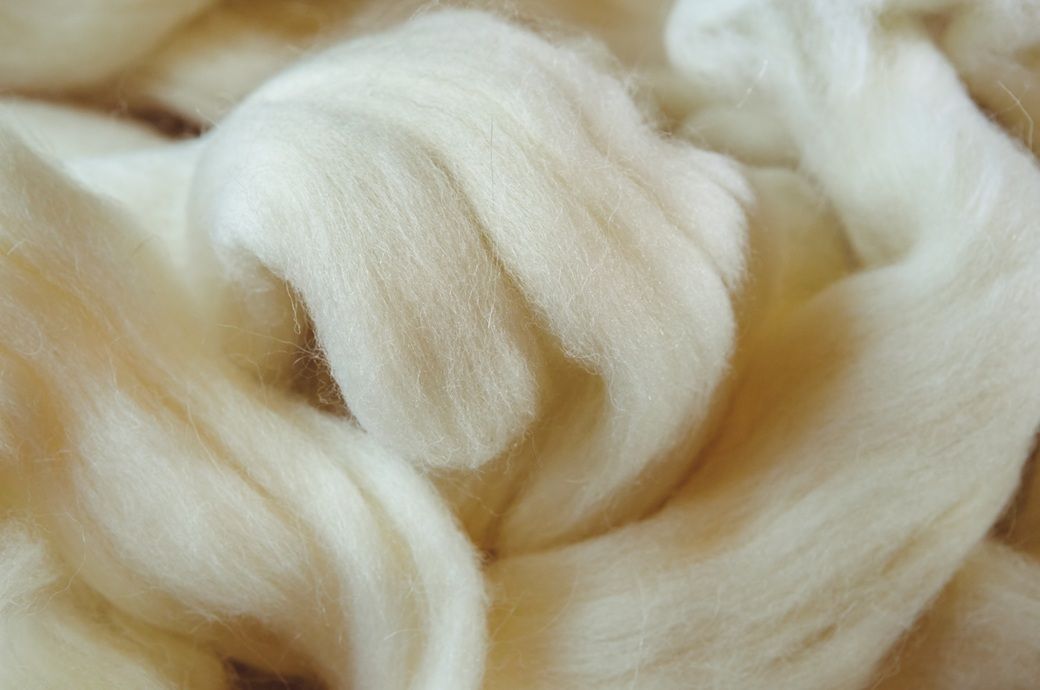
“The price weakness was most evident in the 18.5–21 micron Merino fleece range, particularly in Southern and Western regions, where declines of 40–60 cents were recorded. Crossbred wool prices also eased, while the Northern market showed some firmness in 20–21 microns,” said Australian Wool Innovation (AWI) in its week 39 commentary.
Australian wool prices declined this week, with the Eastern Market Indicator (EMI) falling 27 cents to 1,724 c/kg amid buyer caution and rising logistics costs.
Weakness was led by Merino fleece, while crossbreds also eased.
Strong auction volumes and increased supply reduced competition, signalling a pause after sustained price gains.
Market sentiment was impacted by increased supply, with offerings nearing 40,000 bales. Pass-in rates stood at 9 per cent nationally and over 13 per cent in the West, signalling growing seller resistance. Despite lower annual production, supply levels remain elevated, partly supported by broker and farm-held stocks, the AWI commentary noted.
Rising freight costs linked to Middle East tensions and sustained supply are expected to test market stability. Around 37,815 bales are scheduled for sale next week, the AWI commentary added.
Fibre2Fashion News Desk (CG)
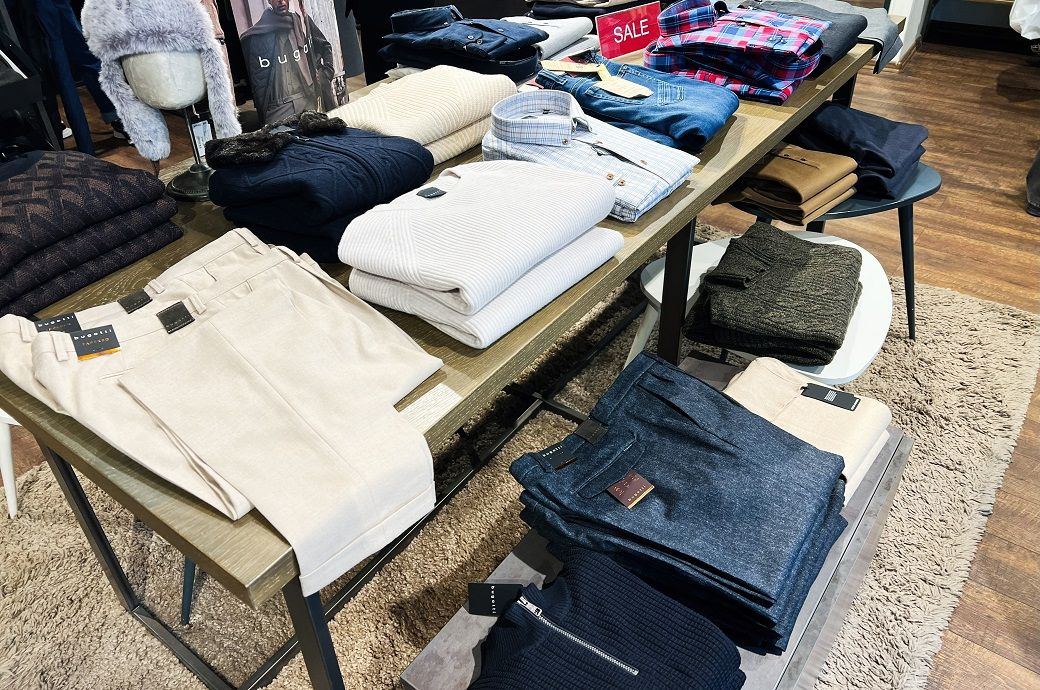
Ukraine’s apparel imports increased from $***.*** million in **** and $***.*** million in ****, reflecting a steady recovery in demand. However, Turkiye’s exports dropped to $***.*** million in ****, reducing its share to **.** per cent from **.** per cent in **** and a dominant **.** per cent in ****, when it was the leading supplier, according to *fashion.com/market-intelligence/texpro-textile-and-apparel/” target=”_blank”>sourcing intelligence tool TexPro.
China emerged as the top supplier in ****, with shipments valued at $***.*** million, accounting for **.** per cent of total imports, only marginally higher than **.** per cent in ****. Bangladesh continued its strong growth trajectory, supplying $***.*** million and capturing a **.** per cent share, up significantly from **.** per cent in ****.



US-Iran mediation: Politicians castigate India’s Jaishankar for spiteful remarks on Pakistan

The 2026 ESPN Fantasy Baseball draft guide: Rankings, tips, stats, strategy and more

Fellow Readers, Don’t Miss These E-Reader Sales

Sales at US apparel, clothing accessories stores up 4% YoY in Jan 2026

Justice Department Says Anthropic Can’t Be Trusted With Warfighting Systems

March Madness 2026 – How to watch in SA, start time, schedule, TV channel for NCAA championship basketball tournament

-
 Fashion1 week ago
Sales at US apparel, clothing accessories stores up 4% YoY in Jan 2026
-
 Tech1 week ago
Justice Department Says Anthropic Can’t Be Trusted With Warfighting Systems
-
 Sports1 week ago
March Madness 2026 – How to watch in SA, start time, schedule, TV channel for NCAA championship basketball tournament
-
 Fashion1 week ago
Spain’s Inditex FY25 sales rise 3.2% to $46.28 bn amid strong demand
-

 Politics1 week ago
Iran strikes Tel Aviv with cluster-warhead missiles in retaliation of Larijani’s martyrdom
-

 Entertainment1 week ago
Val Kilmer revived 1 year after death through AI
-

 Entertainment1 week ago
With few new leads 45 days after Nancy Guthrie’s disappearance, investigation “becomes much harder,” expert says
-
 Business1 week ago
Brits cashing in jewellery as gold price hits record high