

Business
Energy prices drive SPI to 7.04% YoY | The Express Tribune

KARACHI:
The Sensitive Price Indicator (SPI) jumped sharply by 7.04% year-on-year, primarily driven by higher fuel and utility costs despite some relief from falling food prices, amid the US-Israel illegal attacks on Iran.
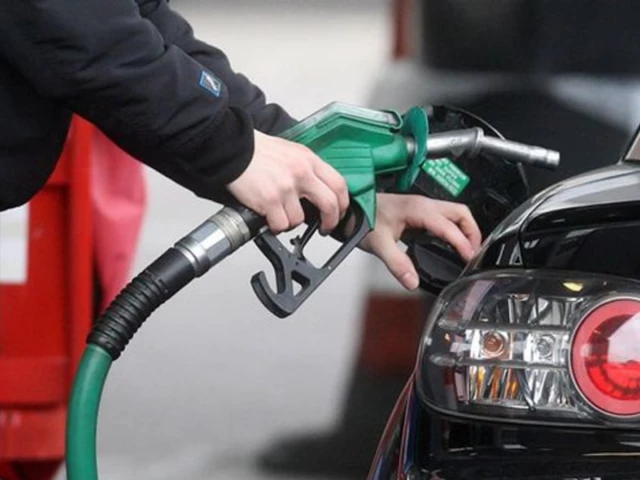
Data released by the Pakistan Bureau of Statistics showed that SPI-based inflation for the week ended March 18, 2026, remained elevated on an annual basis due to steep increases in energy tariffs. Diesel prices surged by nearly 30% year-on-year, while gas charges rose by a similar magnitude, reflecting continued adjustments in administered energy prices. Petrol prices also recorded an increase of over 25% compared to the same period last year, highlighting the sustained burden of fuel costs on consumers.
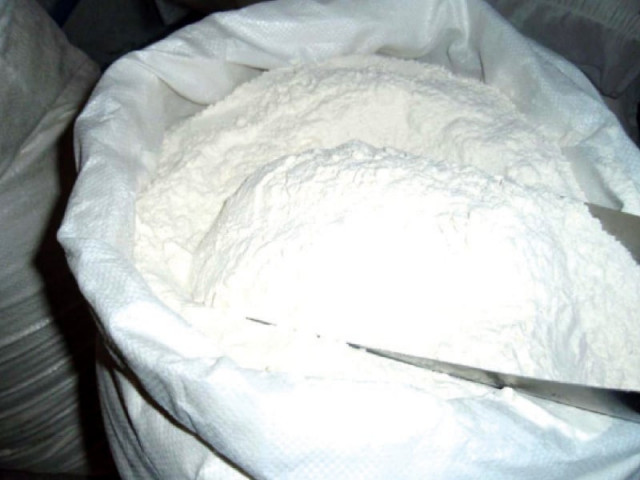
The rise in energy prices has had a cascading impact on essential commodities, particularly food. Wheat flour prices climbed 26.5% on a yearly basis, driven by higher production and transportation costs. Other food items such as beef, powdered milk, and mutton also posted notable increases, indicating that inflationary pressures remain broad-based across key household consumption categories.
However, the overall inflation reading was partially offset by significant declines in several perishable items. Potato prices dropped by more than 50% compared to last year, while chicken and eggs fell by around 20% each. Similarly, pulses and sugar registered double-digit declines, providing some relief to consumers and preventing a sharper rise in the SPI.
On a week-on-week basis, SPI increased by 0.21%, mainly due to a spike in vegetable and poultry prices. Tomatoes recorded a sharp increase of 24.9%, followed by chicken (7.3%) and bread (1.1%). Among non-food items, prices of energy savers, cigarettes, georgette, and firewood also edged up during the week.
Conversely, several essential kitchen items witnessed price declines on a weekly basis. Garlic prices fell by 4.8%, onions by 2.5%, and wheat flour and sugar also posted modest decreases. Liquefied petroleum gas (LPG) prices dropped by 2.7%, offering limited relief on the energy front.
Analysts believe that while falling prices of perishables may provide short-term respite, the underlying inflation outlook remains firm due to structural factors, particularly elevated energy tariffs, taxation measures, and exchange rate pass-through. These factors continue to keep inflation sticky, even as some food prices ease.
Inflation has shown significant week-to-week volatility in recent weeks, largely driven by fluctuations in perishable food prices, according to the SPI trend data compiled by Optimus Capital Management. The data highlights a sharp spike of 1.89% week-on-week in early March, followed by a moderation and then a smaller increase of 0.21% in the latest week, suggesting that price pressures are easing but remain unstable.
While food-driven shocks continue to influence short-term movements, the overall SPI index maintains a gradual upward trajectory, consistent with the 7.04% year-on-year increase, reflecting persistent underlying inflation. The data points to a pattern where temporary declines in items like vegetables and staples are offset by recurring spikes, indicating that inflation is not fully subsiding but rather stabilising at an elevated level due to structural cost pressures, particularly energy and utilities.





NEW DELHI: The Competition Commission has ordered a detailed probe against French spirits major Pernod Ricard and seven other entities for alleged cartelisation in the Indian-made foreign liquor market.The seven entities that have come under the watchdog’s lens are Indo Spirits, Pathway HR Solutions, Universal Distributors, Khao Gali, Bubbly Beverages, Shiv Associates and Organomix Ecosystems.Ordering the investigation, the regulator said it is of prima-facie view that Pernord Ricard’s restrictive conduct with its retailers/wholesalers, purportedly, to induce brand pushing and achieve higher market share in IMFL market in Delhi, falls within the purview of ‘exclusive dealing agreement’ under the Competition Act. Such conduct violates the Act, according to a 26-page order, dated May 5, by the Competition Commission of India (CCI). The complaint was filed before the CCI in 2024.CCI’s Director General (DG) will carry out the investigation that will also look into the role of the persons/officers who were responsible for the conduct of the activities of such entities as well as individuals whose consent or connivance was involved during the time of the contraventions.

More than half of tradespeople have seen an increase of late payments compared to a year ago, a survey finds.
Source link
Business
Pakistan takes major step with floating solar power project at Keenjhar Lake, Sindh – SUCH TV
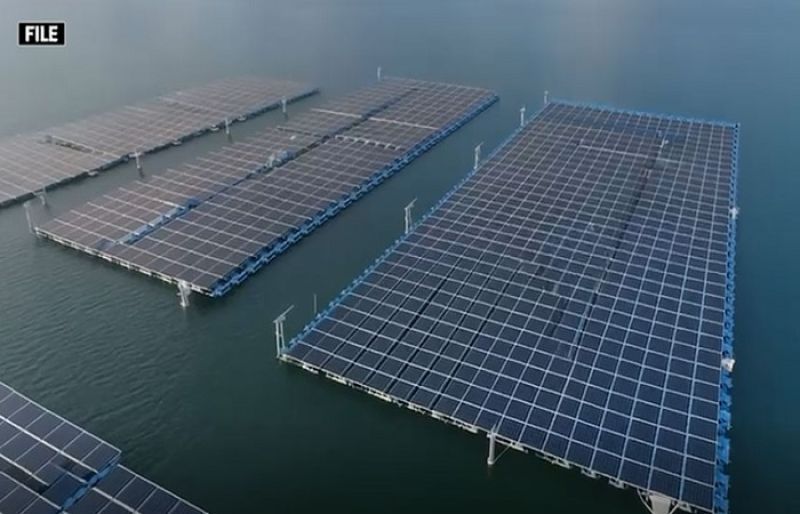
Pakistan is taking a significant step towards promoting renewable energy and energy self-sufficiency with 243 million dollars floating solar power project on Keenjhar Lake in Sindh.
The 500 megawatt project has already been finalized and aims to promote renewable energy and reduce dependence on imported fossil fuels.
The floating solar system on Keenjhar Lake will provide an innovative solution for generating energy without using land and will help in efficient power transmission and meeting energy needs of industrial and urban areas.
This development is a significant step towards Pakistan’s 2030 environmental goals and self-sufficiency in the energy sector.

Cost of living crisis sees tradespeople having to chase debt
CCI to probe Pernod Ricard, seven others – The Times of India

Justin Timberlake pays Mother’s Day tribute to “greatest women” in life

-

 Politics1 week ago
Iran weighs US reply delivered via Pakistan as Trump signals opposition to deal terms
-

 Fashion1 week ago
AAFA pushes for swift US House passage of key anti-counterfeiting law
-
 Fashion1 week ago
US’ J.Jill, Inc. appoints Kimberly Wallengren as CMO
-
 Fashion1 week ago
US cotton export sales show strong recovery, Upland rise 36%
-

 Sports1 week ago
Sajid Ali Sadpara summits world’s fifth-highest peak
-

 Tech6 days ago
DHS Demanded Google Surrender Data on Canadian’s Activity, Location Over Anti-ICE Posts
-
 Fashion1 week ago
ICE cotton witnesses sharp rise on weaker dollar, strong exports
-
 Business7 days ago
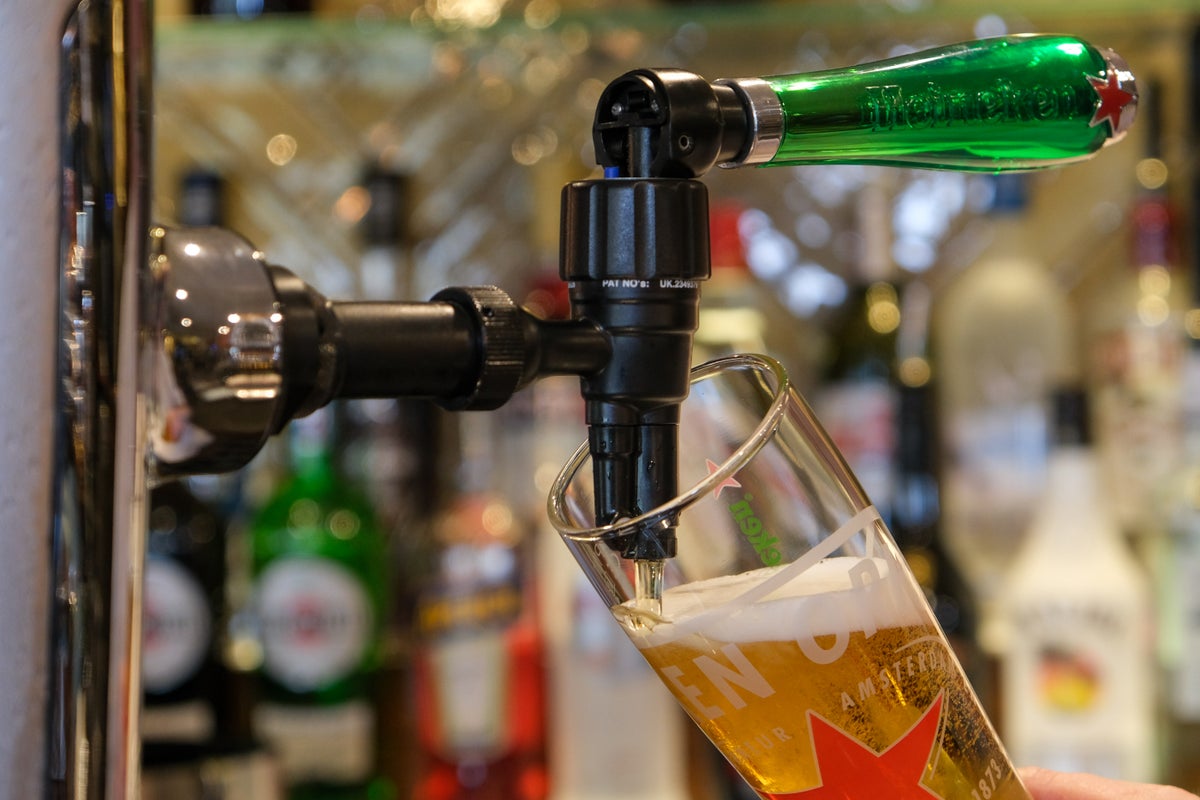
Heineken to invest £44.5m in hundreds of pubs creating 850 jobs