

Fashion
EU FMs agree on road map for launching digital euro currency

The decision is expected to give the ministers a say on whether a digital currency is issued and how many such euros each resident will be able to hold, which is seen as crucial for assuaging fears of a run on bank deposits.
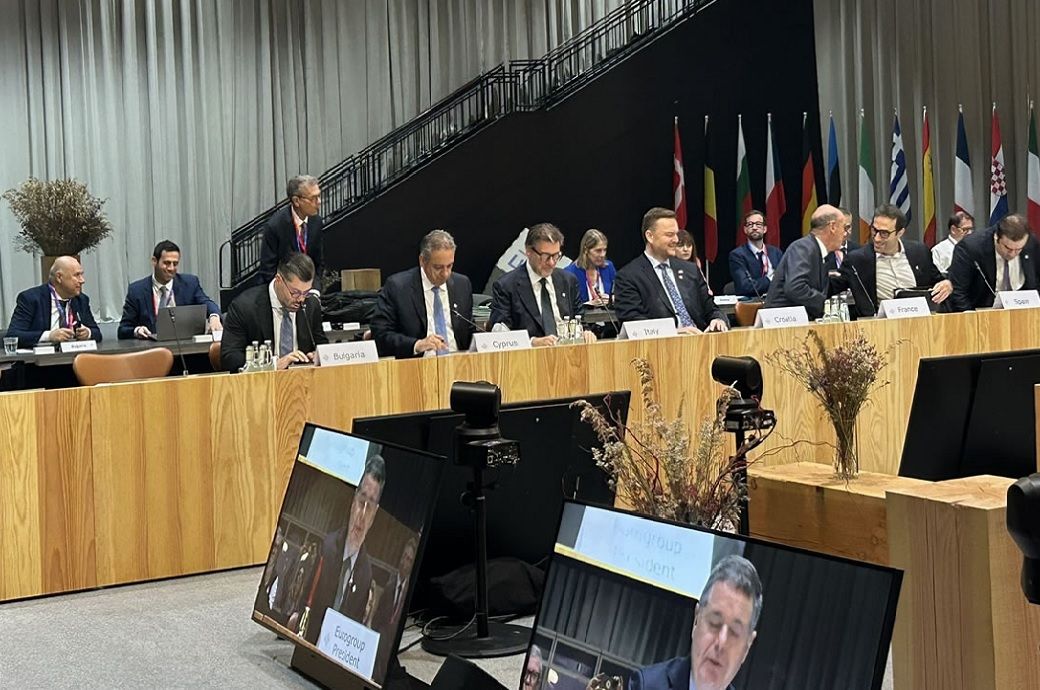
EU Finance Ministers recently met in Copenhagen and agreed on a road map for launching a digital euro currency that may turn an alternative to the US-based credit card systems.
The decision is expected to give the ministers a say on whether a digital currency is issued and how many such euros each resident will be able to hold.
A compromise was reached on the procedure for setting the holding limit.
The meeting was also attended by ECB president Christine Lagarde and European Commissioner Valdis Dombrovskis.
“The compromise that we reached is that before the ECB makes a final decision in relation to issuance…there would be an opportunity for a discussion in the Council of Ministers,” Paschal Donohoe, who chaired meetings of Finance Ministers, told a joint press conference.
Donohoe, Lagarde and Dombrovskis also celebrated a compromise on the procedure for setting the holding limit, without offering details, global media reported.
Discussions on a digital euro gathered momentum this year as the EU is now keen to reduce its dependence on other countries in strategically important sectors.
But the ECB is yet to secure legislative approval for it, with lawmakers and bankers complaining it may erode banks’ coffers, may prove expensive or reduce privacy.
Though the European Commission proposed digital euro legislation in June 2023, the other two institutions that have to sign off on it, the European Parliament and the European Council, have yet to do so. The Council aims at wrapping up its side of the work by the year end.
“The digital euro is not just a means of payment, it is also a political statement concerning the sovereignty of Europe and its capacity to handle payment, including on a cross-border basis, with a European infrastructure and solution,” Lagarde told the press conference.
“The digital euro must guarantee the strategic autonomy and resilience of our financial system in the face of external threats. In short, it is a tool to defend our financial sovereignty,” said Italian Minister of Economy and Finance, Giancarlo Giorgetti, calling the joint Commission-ECB proposal “a solid compromise, which takes into account political and economic factors”.
Giorgetti feels having clear and appropriate spending limits on holdings is essential as “it will encourage their use, prevent them from becoming a sort of store of value, and allow for a meaningful response to private sector concerns about the potential impact on financial stability.”
Today “we have reached a political agreement on how to define the entire process between the ECB and the member states. The hope is that the digital euro project will materialise quickly,” he added.
Fibre2Fashion News Desk (DS)








While trends in high frequency indicators for January-February 2026 appear favourable, the heightened uncertainty around the duration of the Middle East conflict casts a shadow on the near-term macroeconomic outlook for India amid high import dependency for items like crude oil, natural gas and fertilisers, it noted.
India’s FY27 GDP growth is likely to slow to 6.5 per cent from the projected 7.5 per cent in FY26 owing to the impact of higher energy prices and concerns around energy availability, ICRA Ratings said.
The heightened uncertainty around the duration of the Iran war casts a shadow on the near-term macroeconomic outlook for India.
If the conflict lasts longer, the adverse effects could widen across sectors.
If the conflict lasts for an extended period, the adverse implications of the same could widen across sectors, amid an uptick in input costs and the consequent impact on profitability of the India corporate sector.
Amid the projected uptrend in the consumer price index-based inflation in FY27 with risks tilted to the upside, ICRA Ratings expects an extended pause on the policy rates by the central bank’s monetary policy committee in the fiscal despite the anticipated softening in the GDP growth. However, it expects the Reserve Bank of India to continue to intervene on the liquidity front during FY27.
The available data for January–February FY2026 indicate a positive trend across most non-agricultural indicators, with the year-on-year performance of 12 out of 18 indicators improving compared to the third quarter of FY26, while the remaining six deteriorated.
Fibre2Fashion News Desk (DS)
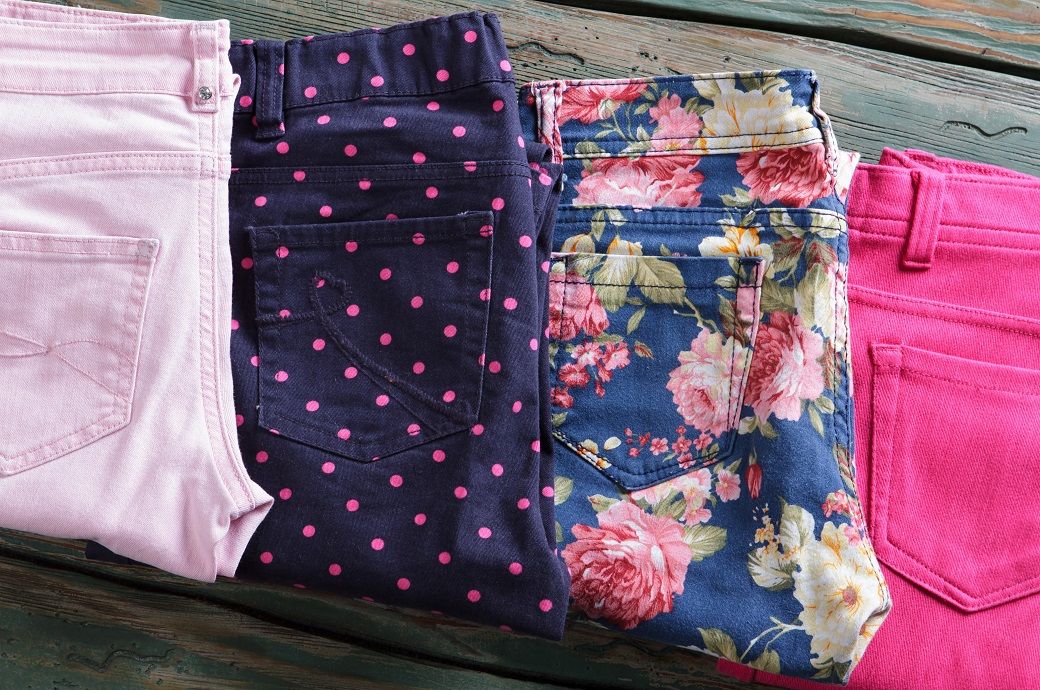
Indonesia’s apparel exports rose modestly to $8.705 billion in 2025 from $8.316 billion in 2024, reflecting gradual recovery.
The US remained dominant, accounting for over 56 per cent of shipments, highlighting growing market dependence.
While Japan, South Korea and Europe offered stability, exports stayed concentrated in key products and segments.
Source link
Methanol prices in India have surged nearly 150 per cent from pre-Iran–US tension levels, tracking a sharp rise in crude oil and tightening global energy markets.
Hormuz disruption risks, limited rerouting capacity, rising freight and insurance costs, and constrained imports are fuelling volatility, with prices seen approaching ₹90 per kg.
Source link


Italy miss out on third straight WC in shootout loss to Bosnia
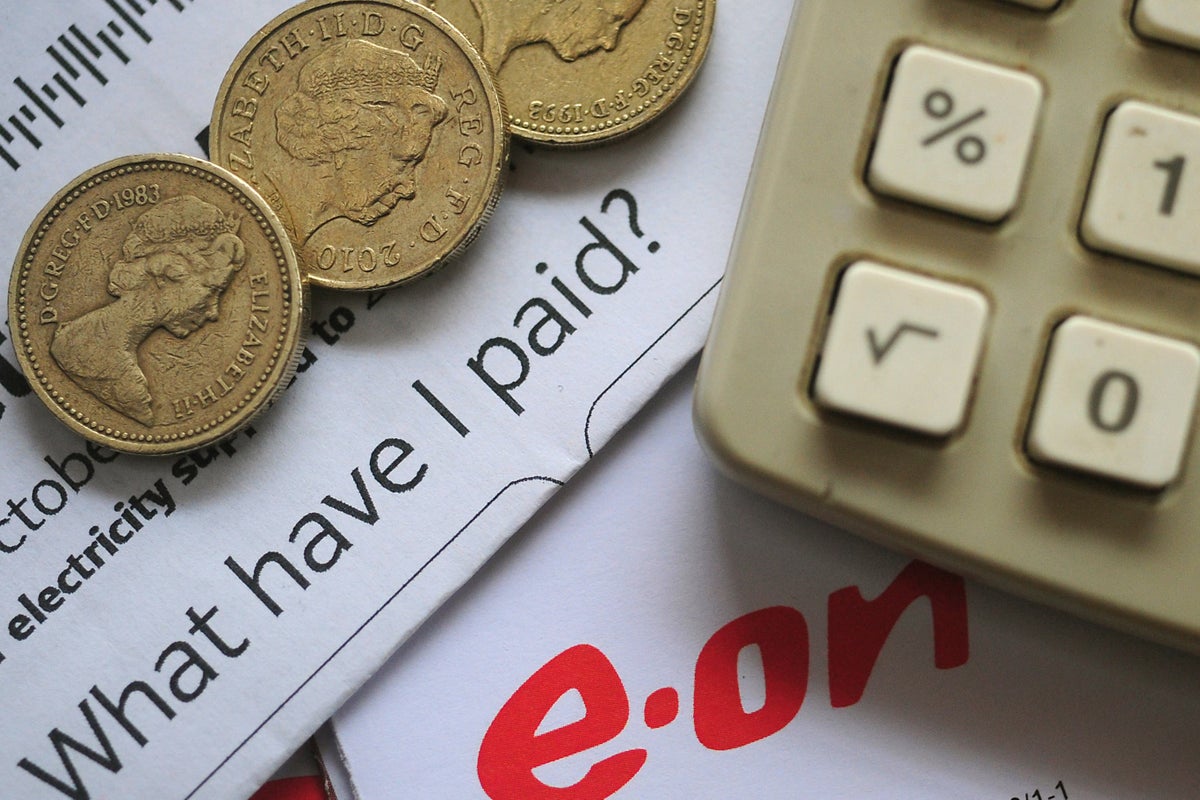
Household energy bill drop ‘short-lived respite’ amid fears of July hike

Robotaxi Outage in China Leaves Passengers Stranded on Highways

-

 Politics1 week ago
Afghanistan announces release of detained US citizen
-

 Sports1 week ago
Broadcast industry CEO says consolidation is ‘essential’ to compete for NFL soaring media rights prices
-

 Tech1 week ago
Can a Home Appliance Fix the Problem of Soft-Plastic Waste?
-

 Entertainment1 week ago
UN warns migratory freshwater fish numbers are spiralling
-
 Business1 week ago
Property Play: Home flippers see smallest profits since the Great Recession, real estate data firm says
-
 Business1 week ago
Gold prices soar in Pakistan – SUCH TV
-

 Fashion1 week ago
ICE cotton slips on weaker crude, profit booking
-
 Business1 week ago
More women are entering wealth management, but few are in advisory roles, study finds