

Business
Family offices fear dollar depreciation, lower investment returns in wake of tariffs


Compassionate Eye Foundation/david Oxberry | Digitalvision | Getty Images
A version of this article first appeared in CNBC’s Inside Wealth newsletter with Robert Frank, a weekly guide to the high-net-worth investor and consumer. Sign up to receive future editions, straight to your inbox.
Family offices have been investing with more caution since President Donald Trump’s tariff announcement in early April, according to a recent survey released by RBC Wealth Management and research firm Campden Wealth.
In a poll of 141 investment firms of ultra-wealthy families in North America, the majority (52%) of respondents said cash and other liquid assets would offer the best returns over the next 12 months. More than 30% said artificial intelligence would offer the best returns. Respondents could pick multiple answers.
In last year’s survey, growth equities and defense industries were the most popular choices, each tallying just under a third of respondents.
Family offices also lowered their expectations for 2025 returns, reporting an average expected portfolio return of 5% for the year, down from 11% in 2024. Fifteen percent of respondents said they expected negative returns, while nearly none did the year prior. The most popular investment priority for 2025 was improving liquidity, which was selected by nearly half of family offices. Last year’s top choice, at 34%, was portfolio diversification.
The survey was conducted from April through August. RBC Wealth Management’s Bill Ringham said that tariff-induced market turmoil and geopolitical tensions played a “pivotal role” in the pessimistic poll results.
While U.S. markets have rebounded to record highs since the spring, family offices still have other reasons to be bearish. A whopping 52% of survey respondents cited depreciation of the U.S. dollar as a likely market risk. The dollar has dropped by nearly 9% since the beginning of the year, and banks including UBS expect depreciation to continue.
The slowdown in exits for private equity and venture capital — a common complaint from family offices, per the report — continues to drag on. Nearly a quarter of respondents said private equity funds have not met their expected investment returns for 2025, and 15% said the same of private equity direct investments. Venture capital scored the lowest net sentiment, with 33% of respondents reporting unsatisfactory returns.
That said, family offices are flocking to cash not only to mitigate risk, but also to make opportunistic bets in the future, Ringham said.
“They’re taking a much longer vision of their legacy and their family,” said Ringham, who directs private wealth strategies for RBC’s U.S. arm. “By doing this, they’re probably creating the capital to take advantage of opportunities as they see them coming through in the market.”
This cautious optimism can be seen in the respondents’ intended asset allocation changes, he said. Only a net 3% of family offices plan to increase their allocation to cash and liquid assets, compared to 20% for direct private equity investments, and 13% for private equity funds.
Investing in private markets is a necessity to create enough wealth to beat inflation and accommodate a growing family, Ringham said.
“When family offices are putting together portfolios, they’re obviously looking at time horizons that can last much longer than individuals that don’t have this type of legacy wealth. I mean, we’re looking at 100 years to 100 years plus,” he said. “If you’re taking the long view, even though you might realize that private equity hasn’t been performing that well over the past couple years, it’s still a place where historical returns might have exceeded returns that you might find elsewhere.”



Heineken has announced a substantial investment exceeding £44 million into hundreds of its pubs across the UK, a move expected to create approximately 850 jobs.
The Dutch brewing giant’s Star Pubs operation, which manages 2,350 sites nationwide, is undertaking this significant financial commitment despite a challenging period for the pub sector.
The industry has faced considerable pressure over the past year, grappling with escalating labour costs and increases in national insurance contributions.
Concurrently, consumer spending has been constrained by concerns over inflation and rising unemployment, further impacting pub revenues. However, pubs did receive additional business rates support from the government last month, aimed at alleviating some of these financial burdens.
Lawson Mountstevens, managing director of Star Pubs, indicated that the investment strategy is partly designed to bolster revenues and help the group navigate the recent “sustained increases in running costs”.
This year, £44.5 million will be allocated to upgrades for 647 pubs. A notable 108 of these venues are earmarked for particularly significant cash injections, with each transformation costing at least £145,000.
Heineken clarified that while the majority of its pubs are group-owned, they are independently operated by local licensees. A key focus for this investment, particularly in the lead-up to the 2026 football World Cup, will be on sports-focused venues.
The pub firm and brewer has a history of significant investment in British pubs, having pumped £328 million into the sector since 2018. Work has already commenced at 52 locations, including eight projects dedicated to reopening boarded-up pubs that have endured lengthy closures.
Mr Mountstevens also urged the government to reduce the tax burden on pubs, arguing it would ease cost pressures and foster further job creation within the industry.
He stated: “We can only do so much; the root-and-branch reform of business rates that the industry has been calling for over many years is urgently required, as well as a lowering of the burden of taxation on pubs, including VAT and beer duty.”
He concluded with a direct appeal: “We are calling on the Government to support us in bringing out the best in the Great British pub.”
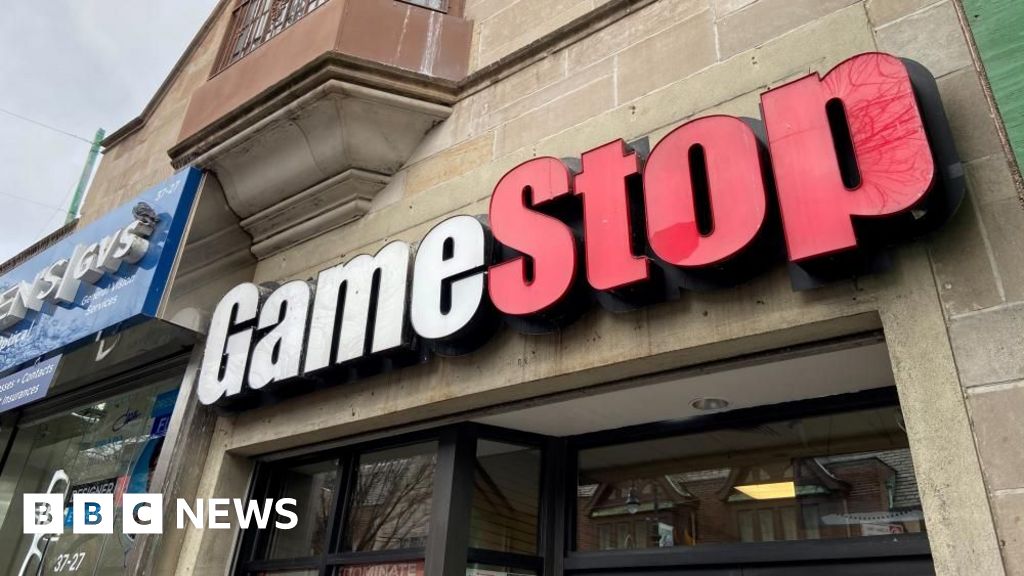
GameStop’s boss Ryan Cohen says he sees potential to make eBay a much bigger rival to Amazon.
Source link
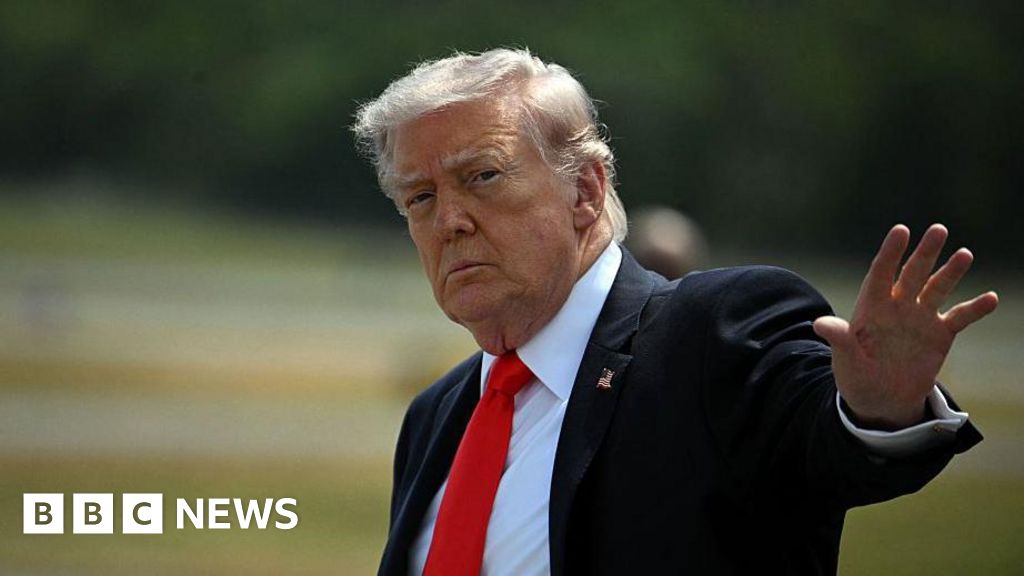
It comes as the US said on Monday it will begin to help “guide” vessels out of the Strait of Hormuz.
Source link


Met Gala 2026 “Costume Art” red carpet pictures from New York City

Jack Brooksbank opts for intimate celebration as new baby brings fresh focus

Tarik Skubal to undergo elbow surgery, sidelining Tigers ace for months ahead of free agency

-

 Tech1 week ago
A Brain Implant for Depression Is About to Be Tested in Humans
-

 Tech1 week ago
Almost 90% of women leave tech industry within 10 years | Computer Weekly
-
 Business1 week ago
Pakistan’s oil market is fuelling the crisis | The Express Tribune
-
 Business7 days ago
‘I had £20,000 stolen and had to fight a 13-month fraud reporting rule to get it back’
-

 Sports6 days ago
Pro wrestling star Steph De Lander reveals how colleague’s advice helped lead her to title triumph at ACW
-

 Entertainment1 week ago
Melania Trump says ABC should ‘take a stand’ on late-night host Kimmel
-
 Tech7 days ago
This Ambitious Laptop Doesn’t Leave Much Room for Your Hands
-

 Entertainment1 week ago
Norway joins Type 26 Frigate Programme to boost NATO naval power