

Fashion
FESPA Middle East 2026 opens next week at Dubai Exhibition Centre

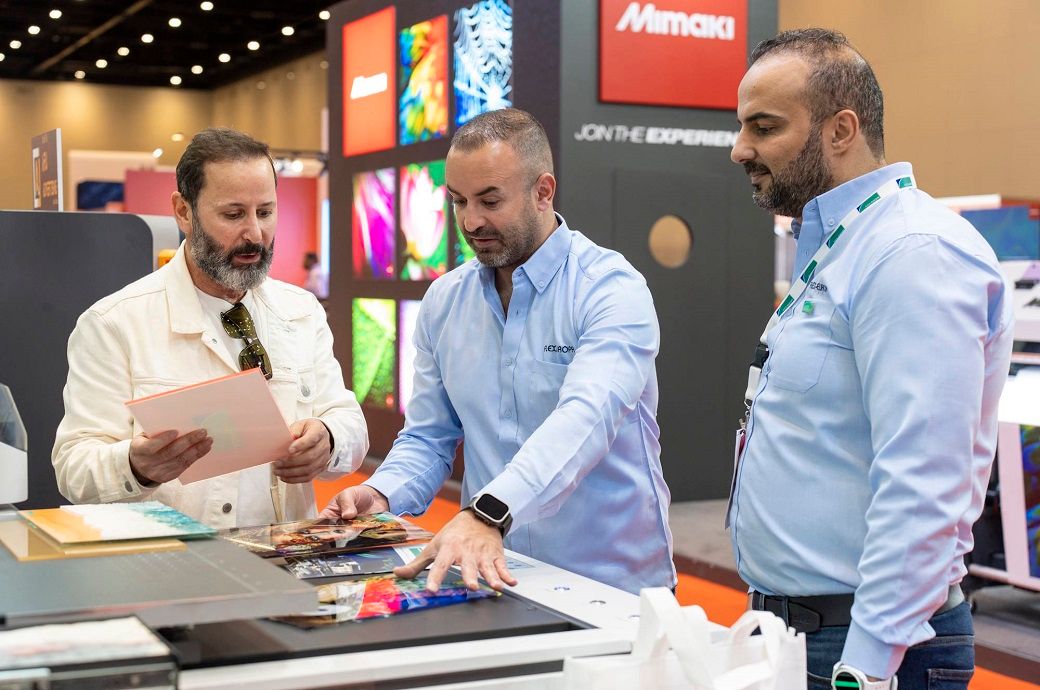
FESPA Middle East officially opens next week at the Dubai Exhibition Centre (DEC), welcoming the regional and global digital printing, textile, signage, and screen printing community for three days of technology discovery, skills development and strategic insight.
FESPA Middle East 2026 is set to open next week at Dubai Exhibition Centre, uniting the print, signage and textile community with 150+ exhibitors, free expert conferences, World Wrap Masters, Sustainability Spotlight and the new AI Clinic.
The show focuses on innovation, skills, automation, AI and practical routes to sustainable business growth.
Taking place from 13 – 15 January 2026, the third edition of the event brings together more than 150 global exhibitors and brands, alongside a comprehensive programme of live features and free-to-attend conference sessions designed to support sustainable business growth across the speciality print ecosystem.
Commenting ahead of the show opening, Bazil Cassim, Regional Manager, Middle East & Africa, FESPA, said: “FESPA Middle East has been built around the real priorities and pressures facing our industry today. Businesses within the print, signage and textile industries are navigating rising costs, accelerating technological change and growing expectations around sustainability and skills.
“This event brings those conversations together in one place, combining innovation on the show floor with practical education, live demonstrations and peer exchange that businesses can immediately apply to their own operations.”
Held under the theme Your Industry. Your Community, FESPA Middle East 2026 will showcase the latest products and demonstrations with focused education addressing the most critical challenges shaping the sector – from sustainability and artificial intelligence to automation, creativity and craftsmanship.
Exhibitors include Arlon, AT.Inks, Brother, Color Dec, Cladex Paper, CSIX General Trading, Dilli, Docan, Dynagraph, Epson, Flex Europa, Flora, HandTop, Icon Digital, Interone, Kavalan, Massivit, Mimaki, Mutoh, Nutech Digital Ink, Nazdar, Orafol, Pongs, Serge Ferrari, Soletex, Summa, Triangle, xTool, and ZSK Stickmaschinen.
Taking place across all three days, the FESPA Middle East conference programme will deliver expert-led sessions examining regional market growth, international expansion, digital design, sustainability and the future of production. Speakers from across the print, signage and textile value chain will share real-world case studies and practical strategies, equipping attendees with actionable insight to remain competitive in a rapidly evolving market.
Among them is George Simonian, Professor at BADR University, who will open the programme with an overview of how the regional print market has evolved over the past decade, setting the context for future opportunity. Jon Bailey, Founder of Precision Proco, will share his journey from a local print business to an international production partner, offering practical insight into scaling, global collaboration and maintaining brand consistency.
The programme also explores emerging technology and sustainability in depth. Nita Odedra, Strategy Director at Blue Rhine Industries, will examine how design and signage shape immersive brand experiences. Sustainability-focused sessions include a panel with Debora Isabella Tobing from EPSON Middle East and Raya Makawi an Advisor to Government Affairs, exploring how environmental responsibility can be embedded in organisational culture and long-term business strategy.
One of the show’s most dynamic live features, World Wrap Masters Middle East returns with elite and up-and-coming wrap professionals competing across a series of technical and creative challenges. From vehicle wraps and colour-change films to printed vinyl and paint protection film (PPF), competitors will be judged on precision, finish and efficiency, with the winner securing a coveted place in the World Wrap Masters Finals in Barcelona later this year.
The competition is complemented by live wrap demonstrations and training sessions delivered by internationally recognised experts, offering visitors practical guidance on advanced techniques, detailing and workflow optimisation.
Reflecting the industry’s growing focus on responsible production, the Sustainability Spotlight provides a dedicated platform to explore how sustainability can be embedded in everyday print and signage operations. Through curated content, practical resources and conference sessions, visitors can learn how to adopt sustainable materials, improve efficiency and better communicate environmental credentials to customers.
This focus is reinforced by findings from the new FESPA Print Census, which show that while 92% of print service providers recognise sustainability as important, only 40% currently view it as a core business priority, often due to cost pressures and uncertainty around return on investment. The Sustainability Spotlight addresses this gap by highlighting realistic, commercially viable pathways to progress.
New for 2026, the FESPA AI Clinic, supported by Koshima.AI and led by the company’s founder, Carlo Pepe, responds directly to industry demand for clearer, more practical guidance on artificial intelligence. Census findings have revealed that 39% of print service providers have not yet adopted AI, largely due to skills gaps and limited awareness.
“FESPA Middle East is more than a trade show – it is a meeting point for the industry’s future. By bringing technology, education and community together under one roof, we are creating an environment where businesses can learn, adapt and collaborate. At a time of significant change, the value of coming together as an industry has never been more important,” concluded Cassim.
Attendance at the conference is free for all event visitors.
Note: The headline, insights, and image of this press release may have been refined by the Fibre2Fashion staff; the rest of the content remains unchanged.
Fibre2Fashion News Desk (HU)










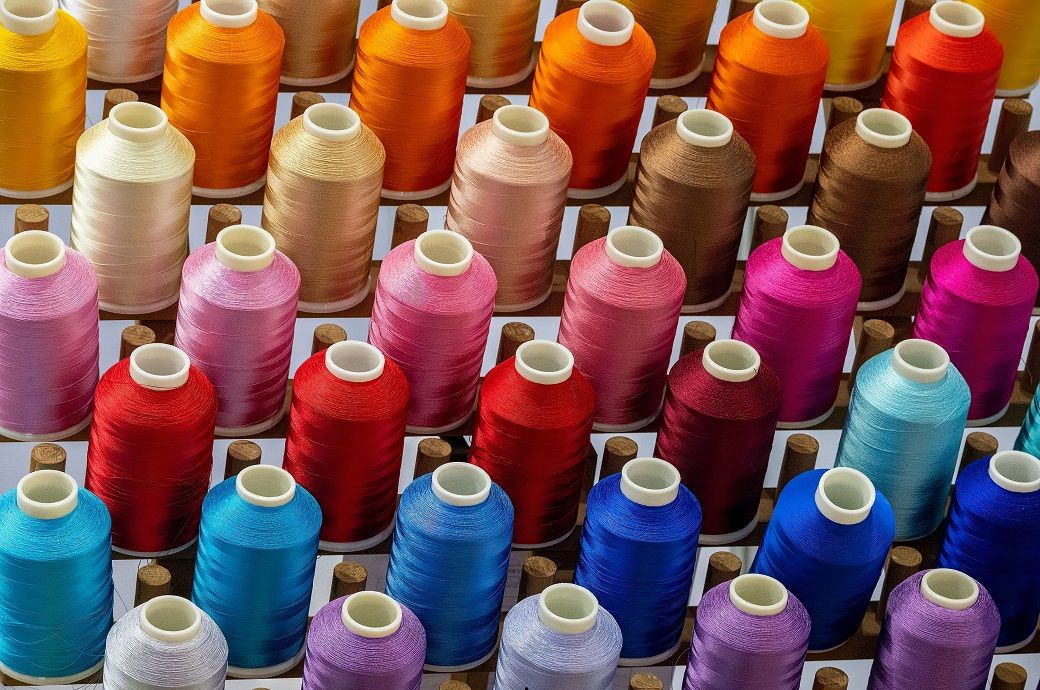
Following earlier increases in purified terephthalic acid (PTA), melt and PSF, Indian producers have now raised PFY prices. POY, FDY and PTY prices have been increased by ****;* per kg across all deniers and lustres with effect from March *, reflecting rapid cost pass-through amid heightened volatility in crude-linked value chains, according to the market sources.
In the previous weekly revision effective February **, ****, PTA was increased by ****;*.** per kg to ****;**.** per kg, while monoethylene glycol (MEG) was retained at ****;**.** per kg. Polyester melt prices were raised by ****;*.** per kg to ****;**.** per kg. Downstream PSF prices were also revised upward by ****;*.** per kg from March *.
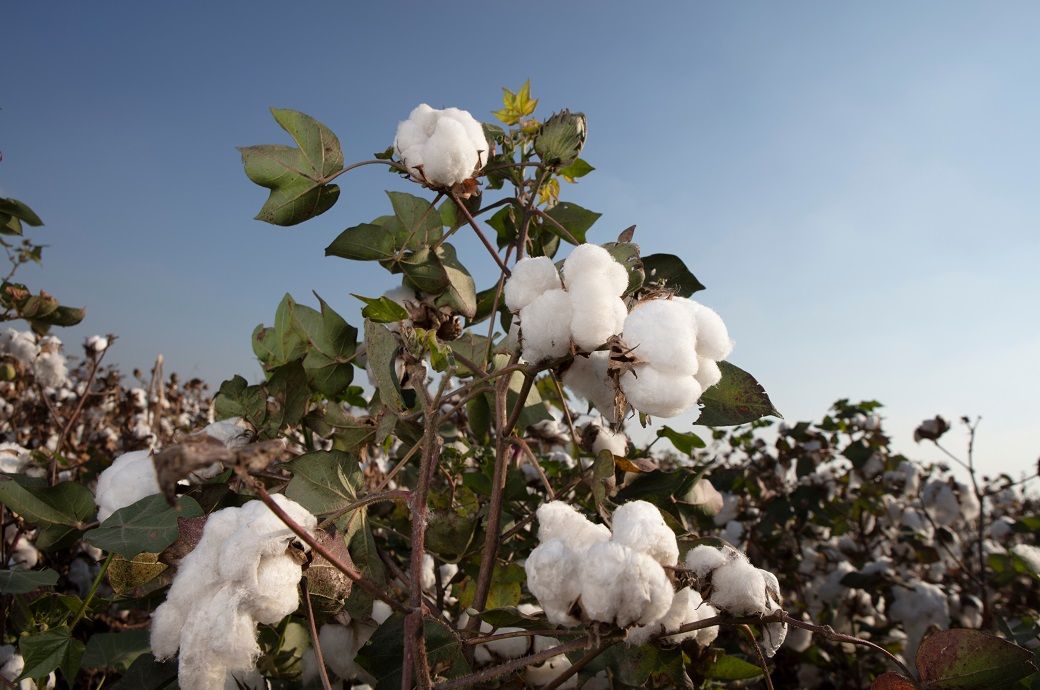
May 2026 cotton settled at 64.59 cents per pound, down 1.02 cents. This marked the lowest settlement price for May contract since February 20, effectively erasing all gains made over that period.
Cotton futures on Intercontinental Exchange (ICE) fell over 1 per cent, with May 2026 settling at 64.59 cents/lb, the lowest since Feb 20, amid Middle East tensions and a stronger US dollar.
Rising inventories and risk aversion pressured prices.
Speculators cut net shorts, while crude oil surged.
ICE cotton traded mixed in early Indian hours today.
Total trading volume for the session came in at 73,225 contracts. ICE-certified deliverable No. 2 cotton inventory rose to 126,178 bales as of February 26, up from 119,457 bales the previous trading day.
The US dollar climbed to its highest level in over a month, making dollar-denominated commodities like cotton more expensive for international buyers and reducing export demand.
Market analysts stated that the Middle East conflict is putting significant pressure on cotton and that a broader risk-aversion tone is affecting the market.
On March 2, Iran continued launching attacks on US military bases across multiple countries in the Middle East, with explosions reported in several locations. An advisor to the Iranian Islamic Revolutionary Guard Corps commander announced that the Strait of Hormuz had been closed, with Iran threatening to strike any vessels attempting to pass through it.
US President Trump indicated that military action against Iran could last four to five weeks, while also expressing readiness for operations to extend considerably longer.
Major Wall Street indices declined on Monday as the conflict raised fears of disrupted global trade routes and renewed inflationary pressures. Analysts warned that investors appear to be rebuilding short positions in cotton, suggesting continued downward price pressure in the near term. The earlier May contract low of 62.86 cents per pound as a key support level that could be tested again.
CFTC data released the prior Friday showed that speculators reduced their net short positions in ICE cotton futures and options by 26,508 contracts in the week ending February 24, bringing net shorts to 48,922 contracts.
International crude oil and natural gas prices surged sharply on Monday following US and Israeli strikes on Iran, with retaliatory actions forcing the closure of several energy facilities in the region.
This morning (Indian Standard Time), ICE cotton for May 2026 was traded at 64.75 cents per pound (up 0.16 cent), cash cotton at 62.59 cents (down 1.02 cent), the March 2026 contract at 62.59 cents ((down 1.02 cent)), the July 2026 contract at 66.75 cents (up 0.14 cent), the October 2026 contract at 68.18 cents (down 0.49 cent) and the December 2026 at 69.04 cents (up 0.12 cent). A few contracts remained at their previous closing levels, with no trading recorded so far today.
Fibre2Fashion News Desk (KUL)
If the US administration imposes a 15-per cent levy, the US ETR would rise to 11.3 per cent.
President Donald Trump reinstated tariffs immediately following the US Supreme Court’s February 20 ruling that invalidated the reciprocal tariffs imposed under the International Emergency Economic Powers Act (IEEPA). The new blanket 10-per cent tariff rate is authorised under Section 122 of the Trade Act of 1974 and expires in 150 days unless extended by Congress.
The 10-per cent blanket reciprocal tariff imposed by the US on most trading partners has reduced the US effective tariff rate (ETR) to 9.4 per cent from 12.7 per cent, Fitch Ratings said.
If a 15-per cent levy is imposed, the ETR would rise to 11.3 per cent.
China has the highest ETR among trading partners, followed by Vietnam, Japan and Brazil.
China’s ETR is around 19 per cent from 29 per cent earlier.
Section 122 permits a maximum rate of 15 per cent but does not allow for tariff adjustments for individual countries.
Prior to the court decision, China was subject to two reciprocal tariffs: a fentanyl tariff of 10 per cent that applied to all imports and a 10-per cent reciprocal tariff on an import base subject to carveouts. The two tariffs have been consolidated into the 10-per cent blanket tariff, reducing China’s ETR to around 19 per cent from 29 per cent, Fitch said in a release.
China still has the highest ETR among major trading partners, followed by Vietnam, Japan and Brazil. Of the United States’ 31 largest trading partners, 26 will see their ETRs decline. Brazil benefits the most, with its ETR decreasing by 18 percentage points (pp) to 11 per cent from 29 per cent.
ETRs for most countries largely remain unchanged following the switch in tariff regimes, and no country will see an increase in its ETR if the Section 122 tariff rate remains at 10 per cent.
Fibre2Fashion News Desk (DS)


Barcelona gets bigger spending cap, opens door on new signings

Jurickson Profar suspended for 162 games after failing drug test for second time

A Possible US Government iPhone-Hacking Toolkit Is Now in the Hands of Foreign Spies and Criminals

-

 Politics5 days ago
What are Iran’s ballistic missile capabilities?
-

 Politics6 days ago
US arrests ex-Air Force pilot for ‘training’ Chinese military
-
 Business7 days ago
Households set for lower energy bills amid price cap shake-up
-

 Sports1 week ago
Top 50 USMNT players of 2026, ranked by club form: USMNT Player Performance Index returns
-

 Sports6 days ago
Sri Lanka’s Shanaka says constant criticism has affected players’ mental health
-
 Business7 days ago
Lucid widely misses earnings expectations, forecasts continued EV growth in 2026
-

 Fashion5 days ago
Policy easing drives Argentina’s garment import surge in 2025
-
 Business5 days ago
Attock Cement’s acquisition approved | The Express Tribune