

Business
Finance ministry terms claims of 8% interest on external loans ‘misleading’ | The Express Tribune

Says average cost of external public debt is approximately 4 per cent, so interest payments rose by $1.60b not $1.67b
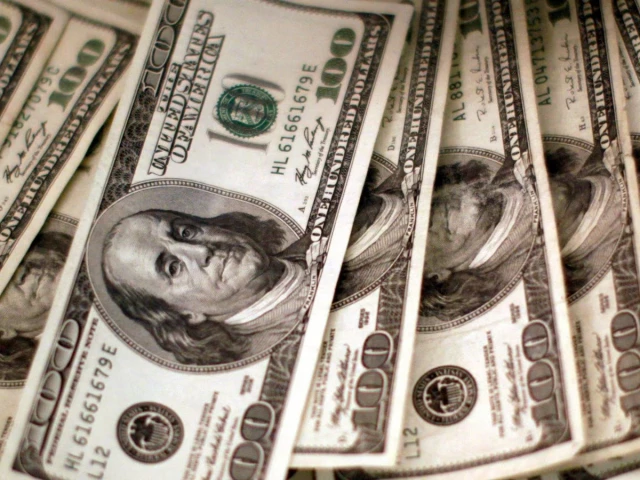
A picture showing $100 bills. SOURCE: REUTERS
The Ministry of Finance on Sunday categorically rejected claims regarding the country’s external debt and associated interest payments, calling the reports misleading and stating that the nation’s external debt profile remains predominantly concessional and long-term.
“Pakistan’s total external debt and liabilities currently stand at $138 billion, while public external debt interest outflows increased from $1.99 billion in FY2022 to $3.59 billion in FY2025, representing an increase of 80.4 per cent, not 84 per cent as reported,” the ministry said in an official statement.
The ministry stated that the overall average cost of external public debt is approximately 4 per cent, reflecting the predominantly concessional nature of the borrowing portfolio. “In absolute terms, interest payments rose by $1.60 billion over this period, not $1.67 billion,” it added.
Read More: Country’s external liabilities soar past $138b
The clarification came after assertions in a recent press commentary, claiming that interest payments on external debt increased by 84% in three years. Compared to 2022, interest payments last year rose by $1.67 billion. This interest was paid to the IMF, World Bank, Asian Development Bank (ADB), and commercial banks.
Pakistan is paying interest on external loans at rates of up to 8%. Officials said that Saudi Arabia and China also received interest on safe deposits. Including interest, Pakistan spent $13.32 billion annually on debt servicing. Net external debt increased by $1.71 billion last year.
Pakistan’s External Debt Profile Remains Predominantly Concessional and Long-Term
The Ministry of Finance wishes to clarify certain assertions made in a recent press commentary regarding the country’s external debt position and associated interest payments. The figures presented…
— Ministry of Finance, Government of Pakistan (@Financegovpk) February 22, 2026
The ministry in a statement released today said that, “The figures presented in the commentary require contextual explanation to ensure an accurate and comprehensive understanding of Pakistan’s external debt profile.”
It said the total external debt figure includes a broad range of obligations, such as public and publicly guaranteed debt, debt of public sector enterprises (both guaranteed and non-guaranteed), bank borrowings, private-sector external debt, and intercompany liabilities to direct investors.
It stressed that this aggregate should not be confused with External Public (Government) Debt, which amounts to approximately $92 billion.
Also Read: Panda bond plan hits a snag
Of the total external public debt, nearly 75 per cent consists of concessional and long-term financing from multilateral institutions (excluding the IMF) and bilateral development partners.
“Only about 7 per cent of this debt consists of commercial loans, while another 7 per cent relates to long-term Eurobonds. In light of this composition, therefore the claim that Pakistan is paying interest on external loans ‘up to 8 per cent’ is misleading,” the ministry said.
The statement also provided a breakdown of debt servicing to specific creditors. According to the State Bank of Pakistan:
-
IMF received $1.50 billion, including $580 million in interest;
-
Naya Pakistan Certificates payments totalled $1.56 billion, including $94 million in interest;
-
Asian Development Bank received $1.54 billion, including $615 million in interest;
-
World Bank received $1.25 billion, including $419 million in interest;
-
External commercial loans amounted to nearly $3 billion, with $327 million representing interest payments.
The ministry added that while interest payments have increased in absolute terms, this rise cannot be attributed solely to an expansion in the debt stock.
“Although the overall debt stock has increased slightly since FY2022, the additional inflows have primarily originated from concessional multilateral sources and the IMF’s Extended Fund Facility (EFF) under the ongoing IMF-supported programme,” it stated.






Importers are in line for tariff refunds. But whether everyone who paid the for the tariffs will get money back is a trickier question.
Source link

Somerset councillor Heather Shearer said: “One thing the Crisis Resilience Fund wants us to do is not just support people in crisis, it also wants us to work in our community, give more strength and support for the organisations who already support our families.”
The platforms have grown in popularity, with some users making bets on global events.
Source link


Spring/Summer stockpile: Discounts loom amid war delays
He paid $248 in illegal tariffs for this coat. Will he ever get it back?

Bangladesh garment exports down, March sees steeper drop

-
 Business1 week ago
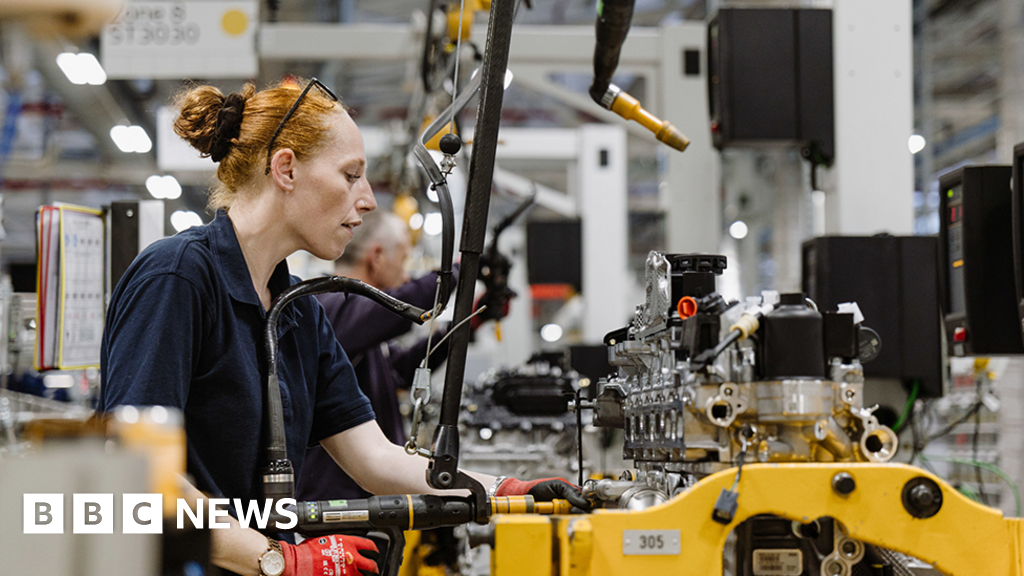
Jaguar Land Rover sees sales recover after cyber attack
-
Uncategorized1 week ago
[CinePlex360] Please moderate: “Trump signals p
-

 Entertainment7 days ago
Joe Jonas shares candid glimpse into parenthood with Sophie Turner
-

 Tech6 days ago
Our Favorite iPad Is $50 Off
-

 Sports6 days ago
UConn Final Four run could trigger a $50M furniture giveaway for Massachusetts-based Jordan’s Furniture
-

 Entertainment6 days ago
Blake Lively reacts to harassment claims dismissal against Justin Baldoni
-
 Business7 days ago
Video: Why Is the Labor Market Stuck?
-
 Politics7 days ago
Iran can sustain Strait of Hormuz closure for years, will cut US military logistics: Official