

Fashion
From Bangkok to Xiamen: Thai designers’ collective debut redefines Asia’s aesthetic discourse through strategic partnership

Published
November 1, 2025
The project, themed “From Bangkok to Xiamen,” launched a collective debut for Thai designers during this year’s Xiamen International Fashion Week (XMIFW) , which signifies the city’s ambition to be an International Consumption Center City.
Xiamen’s unique assets—including its overseas Chinese heritage, open commercial culture, and consumer influence across Southern China—have created the essential groundwork for international emerging brands to efficiently enter the Chinese market.
From October 16 to 19, XMIFW successfully hosted this major trilateral initiative that featured four key components: a pop-up store showcasing Thai designers, an industry workshop for China-Thailand fashion collaboration, and the Chinese debut runway show for the Thai brand BlackSugar.
The backbone supporting XMIFW’s presenting this project is its decade-long commitment to building an “industrial interface” capability. The system is founded on the long-term operation of the “Ru Shi” (入时) designer platform and the “How How Hub” (好好市场) physical space. It integrates multi-dimensional resources, including top-tier brand collaborations, endorsement from authoritative media, and high-end industry forums, collectively forming a complete commercial value chain.
Crucially, the event was cemented by the official signing of a memorandum of understnding between the fashion week organizer, FN China, and Qurated Company, an authoritative and internationally influential fashion industry incubation project initiated by Department of International Trade Promotion (DITP)., Ministry of Commerce, Thailand. As a direct result, Xiamen and Bangkok will act as essential partnership hubs for accessing each other’s fashion markets, leveraging their resources to intensify engagement among all fashion stakeholders, from designers to consumers, and ensuring mutual benefit through cultural appreciation and joint business creation.
“Xiamen holds a unique three-dimensional strategic value for Thai brands entering the Chinese market: Platform Empowerment, Market Validation, and Regional Radiation,” said Lin Ru, secretary-general of Xiamen International Fashion Week.
“Xiamen’s distinctive culture fosters a high degree of acceptance for creative Thai designs. Crucially, our comprehensive and advanced fashion supply chain fully empowers Thai brands by consolidating media, channels, and resources to facilitate everything from display and market testing to commercial realization. Based here, brands are also strategically positioned to efficiently radiate to key consumer hubs in China.”
Thai designer platform director Dr. Anothai Cholachatpinyo explains that Qurated’s edge is its commitment to “real market validation.”
Brands are tested for commercial viability in top local retail environments like IconCraft and Style Bangkok before they are successfully propelled onto international platforms, including Tokyo Jumble, Paris Who’s Next, and New York Fashion Week. And he also indicated that Qurated is not merely an incubator; it’s a “globally recognized launching pad.” It systematically prepares Thai brands for the world stage by blending design innovation with sharp business strategy.
Thai fashion design is rapidly advancing from a regional force to a new voice that the global community cannot ignore. Simultaneously, Thai celebrities have unequivocally emerged as an influential power in the international fashion scene. The luxury sector has fully embraced this shift, recognizing the stars documented power of persuasion and their expansive reach into new audiences.
Consequently, major fashion houses like Prada, Louis Vuitton, and Gucci are actively appointing well-known Thai figures as brand ambassadors, a move that significantly boosts the international prominence and visibility of Thai fashion.
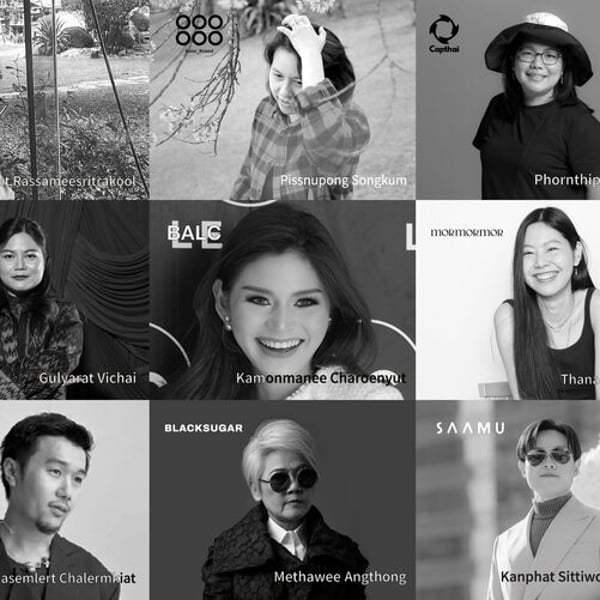
The 11 Thai brands made their first entry into the Xiamen consumer market at the pop-up store located in ‘HOW HOW HUB’ on Zhongshan Road, with brand acceptance among local trendsetters proving to be much higher than predicted.
A China-Thailand Fashion Industry Seminar was also held, where both sides engaged in in-depth discussions on topics such as design innovation and supply chain collaboration. The conference showcased concepts for sustainable cooperation, including establishing a ‘Thai Designers Xiamen Exchange Center’ and transitioning ‘pop-up stores to permanent residency,’ reaching exciting consensus on mechanisms like two-way mutual visits and brand mutual assistance.
Moving forward, XMIFW is positioned to offer any international brand seeking entry into the Chinese market a comprehensive solution that systematically elevates its visibility, professional credibility, and commercial potential. This includes providing emerging brands with a “Minimum Viable Test” (MVT) loop—a closed system that spans everything from immediate sales and direct consumer feedback to supply chain resource matching. For market newcomers, the core value of this system lies in significantly lowering the entry barrier and reducing trial-and-error costs.
And finally, just before the 11 designers returned to Thailand, FashionNetwork.com secured the opportunity to speak with them directly to hear their immediate reflections on the experience.
FashionNetwork.com: Since this marks your first showcase here, what are your initial thoughts on the Xiamen/Chinese market? What specific expectations or goals do you have for entering the Chinese consumer space?
Balc: We expect to rapidly build brand loyalty by directly catering to the needs of our target customers and transforming our sincere hope for expansion into a tangible reality.
Big Foot: We’d like to have a deeper understanding of Chinese consumers —their needs, preferences, and lifestyle inspirations — which will guide us in developing products and experiences that truly resonate with.
BlackSugar: We see great potential in the Chinese market the scale, the curiosity, and the openness to new aesthetics. After completing the show, it gave us a strong sense of confidence. The warm response from the audience encouraged us to refine some details in our design and presentation to better connect with Chinese consumers while staying true to the BlackSugar identity.
Bono Brand: We hope to connect with conscious consumers who value craftsmanship, honesty, and sustainability, to build long-term collaborations with local partners who share the same vision for a better and more responsible world.
Capthai: We believe that to enter a new market, we must act local — to understand people’s lifestyle, fashion sense, and what truly inspires them. We’re here to learn, connect, and share our story with this inspiring city.
Collector Project: With the vibrant atmosphere, I believe my creations will be well received by the Xiamen audience and open new opportunities within this distinctive market.
Maison Wonder Anatomie: For this showcase, I hope to present a collection that reflects Thai culture, and I wish it will appeal to Chinese customers, creating more opportunities for business and helping us expand our market to reach a wider target audience.
Homrak: The Chinese market has long been known for its appreciation of craftsmanship and meaningful design. I believe these values resonate strongly with the Chinese sense of harmony authenticity and appreciation for craftsmanship. I hope this opportunity will open a path for creative exchange cultural dialogue and mutual learning between Thailand and China.
Mormormor: We’re looking to gradually explore the Chinese market and hope to build brand recognition so that people can identify our designs as uniquely ours. We’re also interested in trying out online sales through local platforms.
Mujil: Our goal in entering the Chinese market is to connect with consumers who value craftsmanship, authenticity, and meaningful stories behind what they wear or use. We look forward to meaningful exchanges — both B2B and B2C — and to exploring partnerships with Chinese designers, retailers, and cultural spaces to bridge our cultures through creativity and craftsmanship.
Saamu: We see the Chinese market as very sophisticated, people here love design that has soul. Saamu’s story of Thai craftsmanship and culture fits beautifully with that mindset. We aim to build cultural connection, not just commerce.
Copyright © 2025 FashionNetwork.com All rights reserved.







Operating gross profit surged 35.1 per cent to $886.0 million, while underlying earnings before interest and tax (EBIT) rose 10.5 per cent to $112.8 million. Underlying net profit after tax (NPAT) increased 21.7 per cent to $51.7 million, with statutory net profit after tax (NPAT) up 32.8 per cent to $40.3 million.
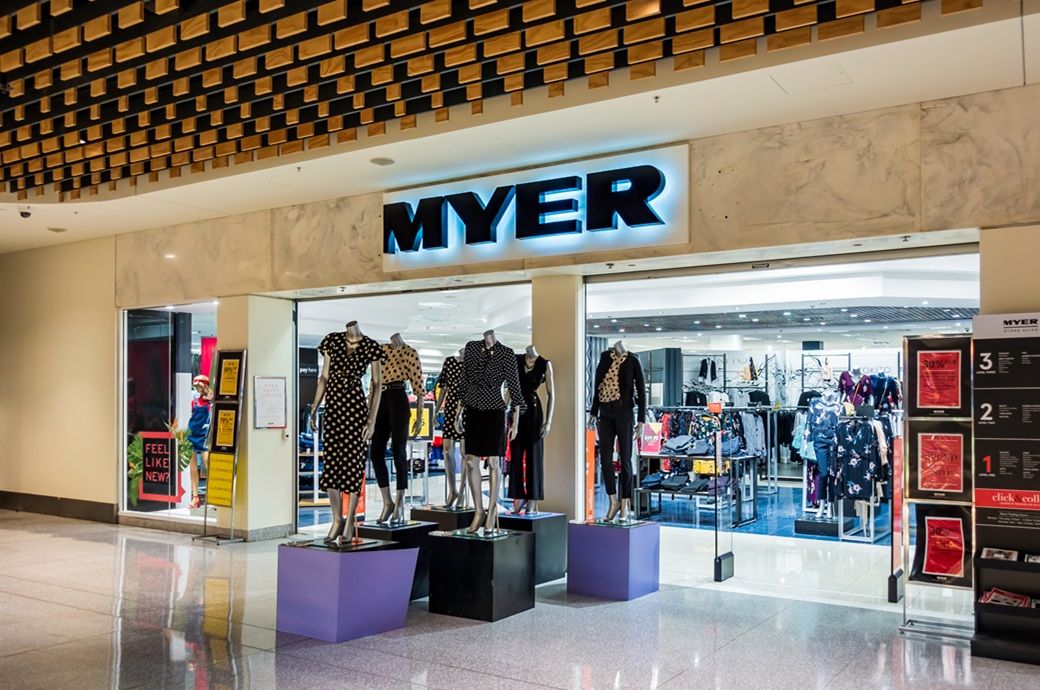
Myer has reported strong H1 FY26 results, with total sales rising 24.5 per cent to $2,279.5 million and NPAT up 21.7 per cent to $51.7 million.
Growth was supported by Apparel Brands integration and strategic investments.
Loyalty members reached 5.1 million.
Early H2 FY26 sales rose 1.7 per cent, though the company remains cautious amid macroeconomic pressures and weak discretionary demand.
The company maintained strong financial discipline, with cost of doing business at 27.9 per cent of total sales, within its FY26 target of around 29 per cent. Myer also reported a robust net cash position of $287 million, reflecting strong cash conversion and balance sheet flexibility, Myer said in a press release.
Myer’s ongoing transformation strategy continued to gain traction during the period, particularly through its customer engagement and brand expansion initiatives. The relaunched Myer one loyalty programme reached a record 5.1 million active members, supported by enhanced personalisation driven by AI-led data modelling.
The company also strengthened its product portfolio, introducing new exclusive brands and securing partnerships with global names such as Fenty Beauty, La Mer, Gap, and Topshop.
“Our H1 result reflects momentum across our business as we continue to implement the Myer Group Growth Strategy. Sales growth was achieved both in store and online, and our disciplined cost management allowed us to make targeted investments including in e-commerce, marketing, product, merchandise and supply chain to deliver on our plan,” said Olivia Wirth, executive chair at Myer.
“We achieved our biggest Black Friday on record for Myer Retail, and total sales for the group through the important trading months of December and January were in line with last year—a good outcome that demonstrates the resilience of the business,” added Wirth.
The integration of Myer Apparel Brands progressed steadily, with the company targeting at least $30 million in annualised synergies, alongside an additional $10 million from integrating sass & bide, Marcs, and David Lawrence.
Operationally, Myer continued to optimise its store network, closing 22 stores and opening 12 during the period, while advancing its omni-channel capabilities. The company is set to launch an expanded Myer Marketplace platform in May 2026.
Supply chain efficiency also improved, with 32 per cent of online orders fulfilled through third-party logistics and distribution centres, compared to 13 per cent a year earlier.
In the first seven weeks of the second half (H2), total sales grew 1.7 per cent YoY, with Myer Retail sales up 2.2 per cent, driven by strong performance in home and kids categories.
Despite the positive momentum, the company remains cautious amid macroeconomic uncertainty and pressure on discretionary spending.
“Given the current volatility in the wider macroeconomic environment and the ongoing pressures on discretionary spending, we are more focused than ever on delivering value for our customers,” added Wirth.
Fibre2Fashion News Desk (SG)
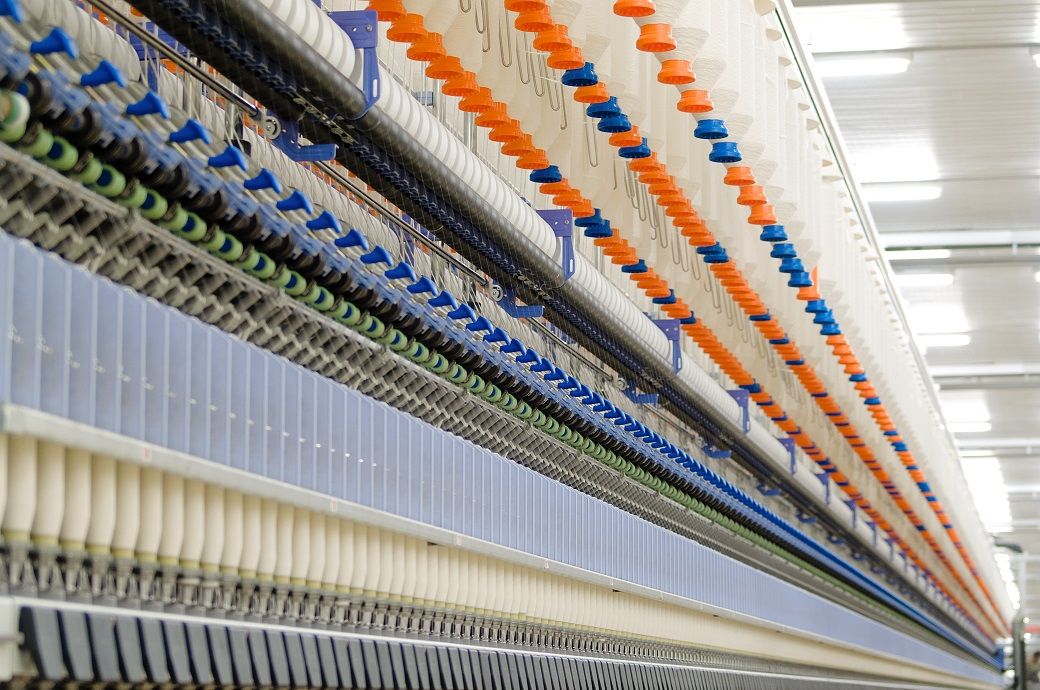
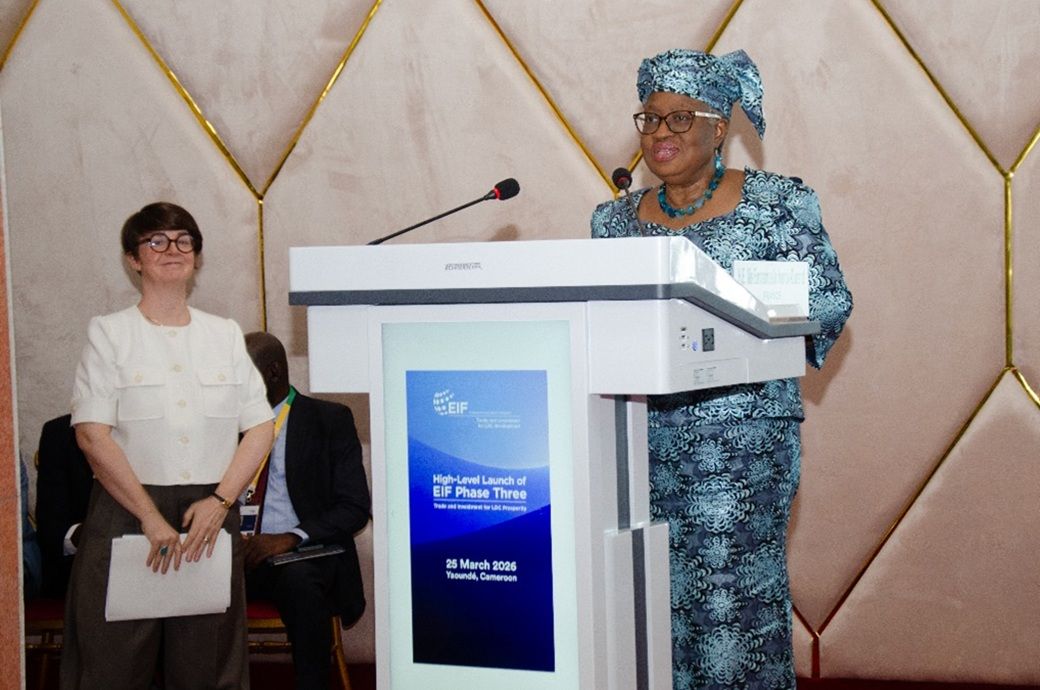
EIF is a mechanism aimed at leveraging and coordinating support for trade and investment priorities in least-developed countries (LDCs).
WTO Director-General Ngozi Okonjo-Iweala called for stronger partnerships to achieve the objectives of the Enhanced Integrated Framework’s (EIF) third phase, launched yesterday in Yaounde.
It aims to coordinate support for trade and investment priorities in LDCs.
The latest six-year phase has also secured fresh contribution pledges from Germany, Liechtenstein, Norway, Switzerland and the UK.
The new phase was launched at a side event to the 14th WTO Ministerial Conference (MC14) in Yaounde, Cameroon, co-organised by Cambodia, the United Arab Emirates and the EIF executive secretariat.
The third phase of the EIF introduces a shift from stand-alone projects to multi-year country programming. It is designed to help LDCs better integrate into the global trading system while addressing structural vulnerabilities and seizing new opportunities in areas such as digital trade, services, green value chains and regional integration.
The latest six-year phase also received new contribution pledges from Germany ($1.964 million), Liechtenstein (~$63,139), Norway ($4.15 million), Switzerland ($3.16 million) and the United Kingdom ($6.67 million).
“This third phase of the EIF comes at a defining moment for the LDCs and recently graduated countries. Familiar structural vulnerabilities are being compounded by a disrupted global trading system, power politics, debt pressures, climate change, and global economic uncertainty. At the same time, the current global context offers some important opportunities for LDCs to use trade to drive growth, development, and job creation,” Okonjo-Iweala said in a release issued by the WTO.
The DG also emphasised the need to scale up support and partnerships to match the ambition of the new phase.
Fibre2Fashion News Desk (DS)


Australia’s Myer posts strong H1 FY26 sales growth, up 24.5% YoY

John Mellencamp wins Icon Award at 2026 iHeartRadio Music Awards

World Cup European playoffs recap: Italy win, Czechia and Bosnia advance on PKs

-
 Fashion1 week ago
Sales at US apparel, clothing accessories stores up 4% YoY in Jan 2026
-

 Entertainment1 week ago
Val Kilmer revived 1 year after death through AI
-
 Fashion1 week ago
US’ G-III Apparel’s FY26 sales fall 7% to $2.96 bn
-

 Sports1 week ago
March Madness 2026 – How to watch in SA, start time, schedule, TV channel for NCAA championship basketball tournament
-
 Business1 week ago
Brits cashing in jewellery as gold price hits record high
-

 Fashion6 days ago
China’s textile & apparel exports surge 17% to $50 bn in Jan-Feb 2026
-
 Business1 week ago
World’s largest mining group names new chief executive
-

 Fashion1 week ago
Suez and Hormuz shut together, triggering global supply shock