Connect with us

Business

From HDFC To PNB: Banks Cut Lending Rates After RBI Repo Slash By 25 Bps To 5.25%

Published

on

From HDFC To PNB: Banks Cut Lending Rates After RBI Repo Slash By 25 Bps To 5.25%

Last Updated:

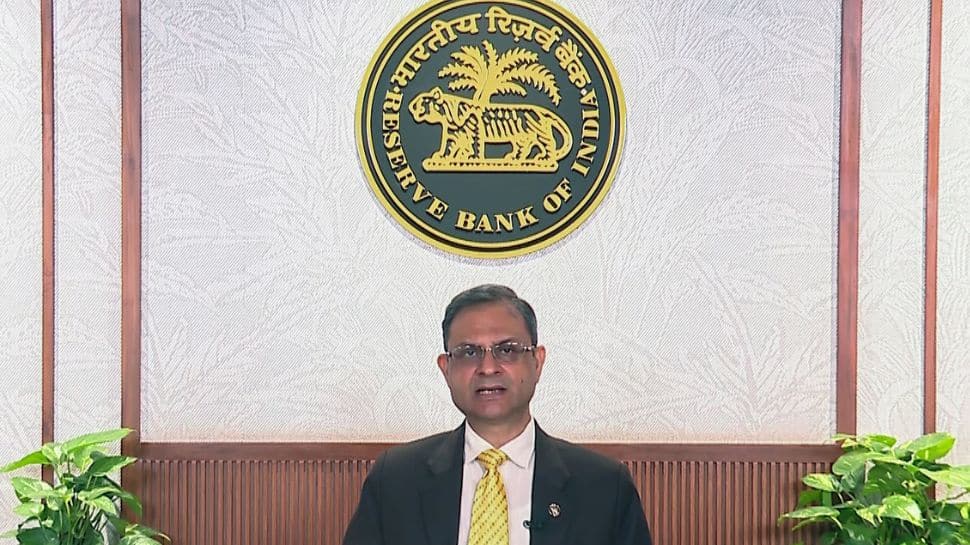
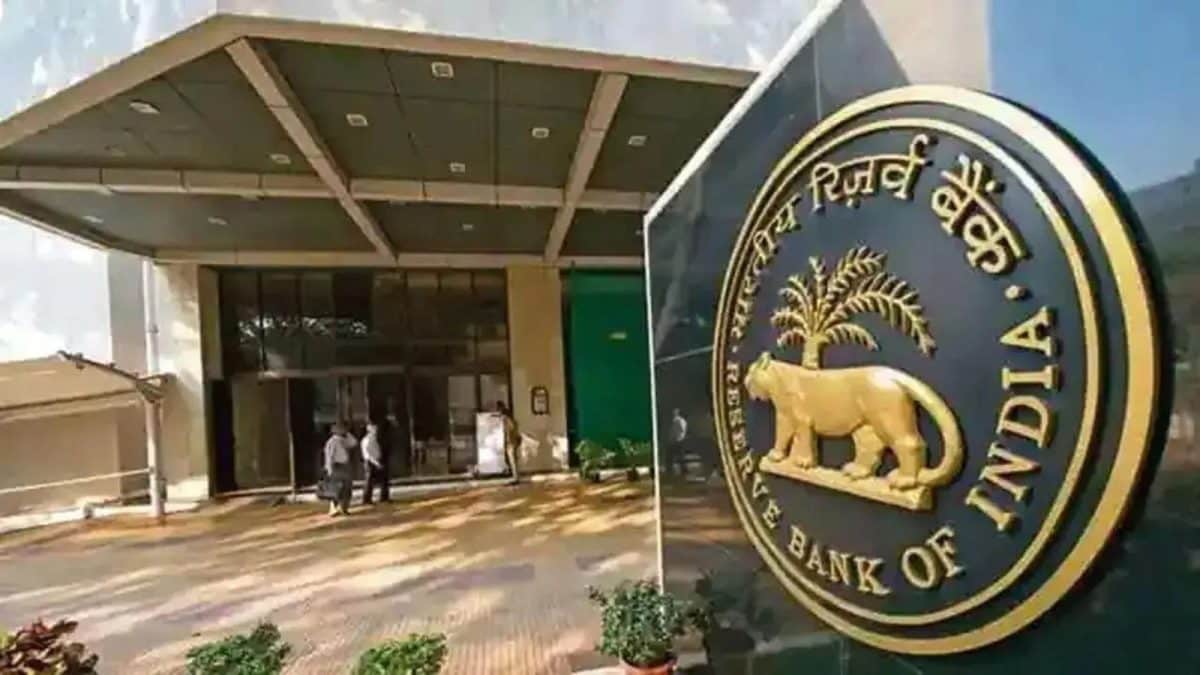
After RBI cut the repo rate to 5.25 percent, HDFC Bank, PNB, Bank of Baroda, Indian Bank, Bank of India and Bank of Maharashtra reduced lending rates, easing EMIs for borrowers.

RBI MPC Meeting 2025: Repo Rate Cut Today Latest News

RBI MPC Meeting 2025: Repo Rate Cut Today Latest News

After the Reserve Bank of India (RBI) cut the repo rate by 25 basis points to 5.25% in its December MPC meeting, several major banks have begun reducing their lending rates. This will directly ease the burden on borrowers tied to MCLR, RLLR, RBLR and other benchmark-linked loans.

With these revisions, many existing customers can expect either lower EMIs or, depending on their loan agreement, a shorter repayment tenure.

HDFC Bank trims MCLR

HDFC Bank has lowered its Marginal Cost of Funds-based Lending Rates (MCLR) by up to 5 basis points across different loan tenures.

New MCLR range: 8.30% to 8.55%

Earlier range: 8.35% to 8.60%

This will benefit borrowers whose home or other retail loans are linked to MCLR.

PNB reduces RLLR

Punjab National Bank (PNB) has cut its Repo Linked Lending Rate (RLLR) from 8.35% to 8.10%, including the 10 bps BSP.

The new rate is effective from December 6, 2025, following the RBI’s repo rate cut.

The bank confirmed the update through its filing on the BSE website.

Bank of Baroda lowers BRLLR

Bank of Baroda has revised its Benchmark Retail Loan Lending Rate (BRLLR) to 7.90%, down from 8.15%.

This reduction will offer slight but meaningful relief to borrowers servicing retail loans.

Indian Bank cuts RLLR

Indian Bank has dropped its repo-linked benchmark lending rate from 8.20% to 7.95%, effective December 6, 2025.

The new rate will apply across the bank’s loan portfolio.

Bank of India revises RBLR

Bank of India has reduced its Repo Based Lending Rate (RBLR) from 8.35% to 8.10%, effective December 5, 2025.

The bank said the revision follows the RBI’s downward adjustment in the repo rate.

Bank of Maharashtra cuts home & auto loan rates

Bank of Maharashtra has gone a step further by cutting both home and car loan rates.

Home loan: reduced from 7.35% to 7.10%

Car loan: reduced from 7.70% to 7.45%

The bank has also waived all processing fees, reducing the upfront cost for new borrowers.

Click here to add News18 as your preferred news source on Google.
Follow News18 on Google. Join the fun, play games on News18. Stay updated with all the latest business news, including market trendsstock updatestax, IPO, banking finance, real estate, savings and investments. To Get in-depth analysis, expert opinions, and real-time updates. Also Download the News18 App to stay updated.
Disclaimer: Comments reflect users’ views, not News18’s. Please keep discussions respectful and constructive. Abusive, defamatory, or illegal comments will be removed. News18 may disable any comment at its discretion. By posting, you agree to our Terms of Use and Privacy Policy.

Read More


Source link

Continue Reading
Click to comment

Leave a Reply

Your email address will not be published. Required fields are marked *

Business

FTSE 100 in 11% fall since Iran war started as stock markets tumble

Published

on

FTSE 100 in 11% fall since Iran war started as stock markets tumble


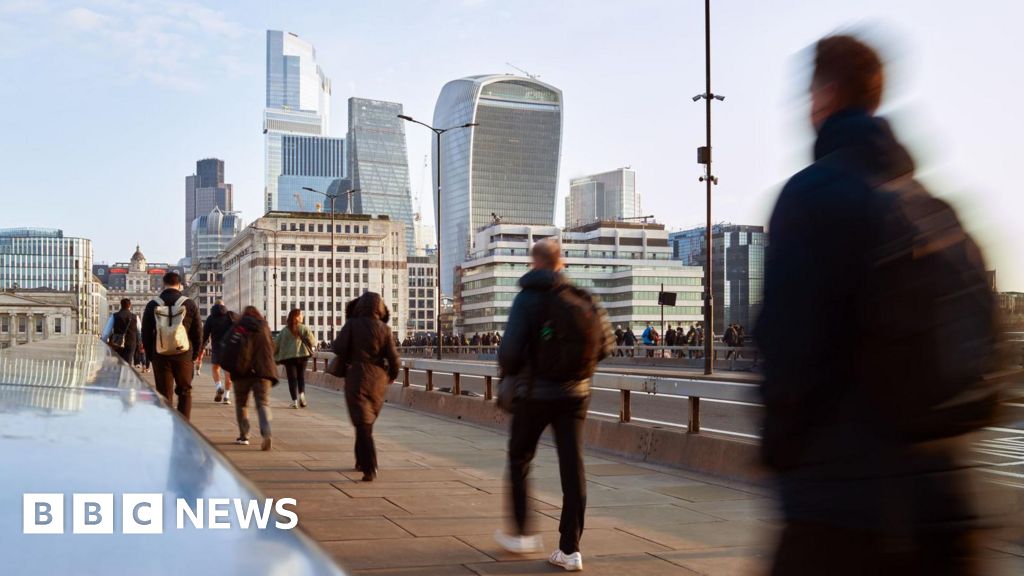
The FTSE 100 has entered what’s known as correction territory on Monday, after another fall of 2 per cent for the day made it more than a 10 per cent drop from recent highs.

A market index or share falling past that point is known as correcting – which can often happen after being overbought or, in the case of this situation, when external events change suddenly. The ongoing situation with the Middle East war is now into its fourth week and investors have left global markets in their droves over fears for how much longer matters could continue to unravel.

London’s prime benchmark, the FTSE 100, was within touching distance of 11,000 points at the end of February. The points mark is a representation of the total weight or performance of the 100 companies within the index. Fast forward to last week and it dropped below 10,000 on Friday for the first time since reaching the milestone level in early January.

And a 2 per cent drop in the first two hours of trading this week has seen that plummet to 9,710 points – representing an 11 per cent drop-off from its high point since the first strikes on Iran were launched. The index is also now down for the whole of 2026 for the first time, after outperforming the main US index, the S&P 500, across 2025.

A stock, sector or index dropping 20 per cent from recent high points is known as a bear market, or crash territory.

Elsewhere in Europe, the Dax in Germany was 1.8 per cent lower and France’s Cac 40 fell 1.4 per cent.

It follows heavy falls overnight in Asia as the rhetoric from the US and Iran suggested little sign of a resolution to the conflict, with the Nikkei in Japan ending down more than 3 per cent.

Brent crude lifted 1 per cent to nearly 114 US dollars a barrel after Iran warned it will strike electrical plants across the Middle East if US president Donald Trump follows through on his threat to bomb power stations in the Islamic Republic.

Prime Minister Sir Keir Starmer is heading an emergency Cobra meeting on Monday after a call on Sunday with US president Donald Trump to discuss reopening the Strait of Hormuz shipping route after they both agreed it was “essential” to stabilising global energy markets.

Mr Trump has set a 48-hour deadline that ends just before midnight UK time on Tuesday, warning Iran that the US would attack its power stations unless the country releases its grip on the Strait of Hormuz.

But Iran has said it will retaliate by striking electrical plants across the Middle East if Mr Trump follows through on his threat.

Chris Beauchamp, chief analyst at IG, said: “Investors who have spent the weekend watching fresh strikes in the Middle East are now waiting to see what will happen when Trump’s 48-hour deadline expires tonight.

“But they are in no mood to hang around, and have continued to sell stocks and precious metals.

“Each day that the war goes does more damage to the global economy and drives inflation higher, with recession chances rising by the hour.”


Source link

Continue Reading

Business

‘Crisis worse than two 1970s oil shocks put together’: IEA chief’s big warning on Strait of Hormuz – The Times of India

Published

on

‘Crisis worse than two 1970s oil shocks put together’: IEA chief’s big warning on Strait of Hormuz – The Times of India


The ongoing war in the Middle East has triggered an energy crisis for the world and “no country is immune” to its shockwaves, the International Energy Agency (IEA) warned on Monday. Addressing the National Press Club in Australia’s capital, Birol said the current situation has evolved into an unprecedented disruption, combining multiple shocks to oil and gas supplies.“This crisis as things stand is now two oil crises and one gas crash put all together,” he said. He also drew comparisons with the oil shocks of the 1970s and the fallout from Russia’s 2022 invasion of Ukraine.Highlighting the broader economic risks, Birol said, “The global economy is facing a major, major threat today, and I very much hope that this issue will be resolved as soon as possible.”Commenting on the fallout of the energy crisis, Fatih Birol said, “no country will be immune to the effects of this crisis if it continues to go in this direction,” adding, “so there is a need for global efforts.”The conflict has already caused extensive damage to energy infrastructure, with Birol noting that at least forty facilities across nine countries in the region have been “severely or very severely damaged”.“At least forty… energy assets in the region are severely or very severely damaged across nine countries,” he said.The disruption was intensified by the near shutdown of the Strait of Hormuz, a key transit route for roughly one-fifth of global oil and gas shipments. The standoff has deepened as the war entered its fourth week, with Donald Trump and Tehran issuing repeated threats, including Washington’s demand for the reopening of the waterway.Birol identified the reopening of the Strait of Hormuz as the most critical step towards stabilising the situation, while also flagging rising fuel shortages in Asia as a growing concern. Oil markets reflected the strain, with US benchmark crude briefly touching the $100-per-barrel mark early on Monday. As fuel prices continue to rise, he added that there would not be any specific crude level to trigger another release.He added that the agency is currently consulting governments worldwide and remains prepared to release additional oil from emergency reserves if needed, though he clarified that no specific price level would automatically trigger such a move. Meanwhile, US President Donald Trump issued an ultimatum to Iran to reopen the strategically critical Strait of Hormuz within 48 hours, warning of military consequences if it failed to comply. He said, “If Iran doesn’t fully open, without threat, the Strait of Hormuz, within 48 hours from this exact point in time, the United States of America will hit and obliterate their various power plants, starting with the biggest one first! Thank you for your attention to this matter.In response, Tehran warned, signalling that any attack on its energy infrastructure would prompt retaliation beyond conventional military targets. The message was conveyed by Ebrahim Zolfaghari and carried by Islamic Republic of Iran Broadcasting. He said any strike on Iran’s fuel and energy sector would trigger action against a broader range of targets linked to the United States and its regional allies.Earlier this month, 32 member nations of the IEA agreed to release 400 million barrels of oil from their emergency reserves to the market, to deal with the ongoing energy supply disruption.


Source link

Continue Reading

Business

Government increases the high-octane fuel levy by 200 per litre – SUCH TV

Published

on

Government increases the high-octane fuel levy by 200 per litre – SUCH TV


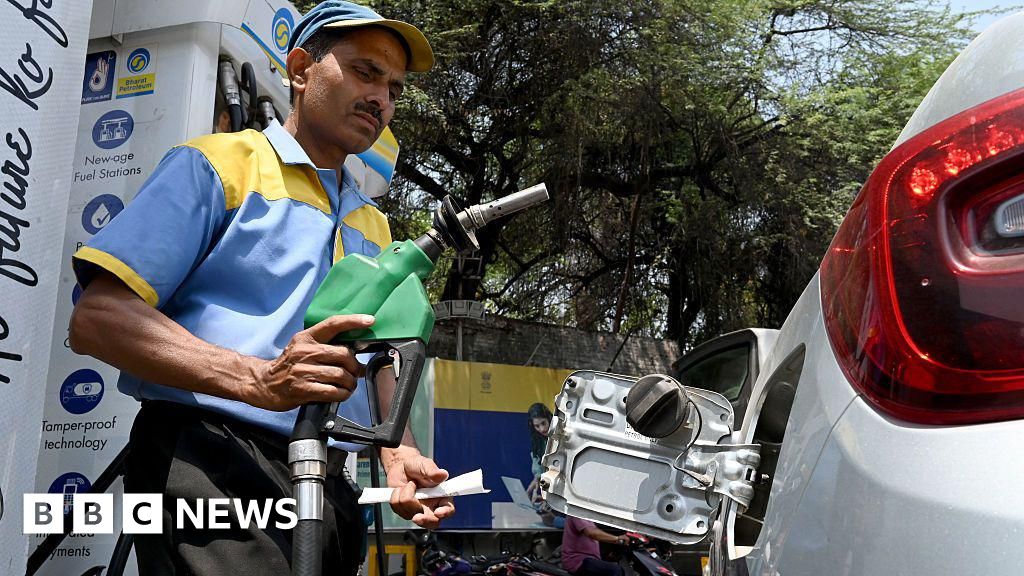
Prime Minister Shehbaz Sharif on Sunday approved an increase of Rs200 per litre levy on high-octane fuel used in luxury vehicles, a move expected to generate Rs9 billion in monthly savings for the government.

According to a notification issued by the Prime Minister’s Office, the levy on high octane blending component (HOBC) has been raised by Rs200 per litre, taking it to Rs305.37 per litre. Previously, the levy stood at Rs105.37 per litre.

The development emerged in a meeting virtually chaired by the premier, who had taken notice of the Rs100 per litre levy on high-octane fuel, read a statement issued by the Prime Minister’s Office.

During the meeting, PM Shehbaz stressed raising the high-octane fuel levy and approved an increase of Rs200 per litre, said the statement.

Following the revision, the price of HOBC has climbed to Rs535 per litre. The new rate has come into effect immediately, according to the notification.

The move comes days after the government had opted to hold the petroleum levy unchanged on petrol and high-speed diesel (HSD), as global fuel markets remained under pressure due to the ongoing conflict involving the United States, Israel and Iran.

As of March 15, petrol continued to carry a levy of Rs105.37 per litre, while HSD remained at Rs55.24 per litre, with prices kept unchanged to avoid passing further burden onto consumers.

Earlier this month, the government had increased the levy on petrol by 25%, from Rs84.40 to Rs105.37 per litre, following the outbreak of hostilities in the region.

This pushed the ex-depot petrol price up from Rs266.17 on March 1 to Rs321.17 per litre by March 7, with the levy accounting for nearly one-third of the total price.

In contrast, the levy on HSD was reduced from Rs76.21 to Rs55.24 per litre on March 7, although its ex-depot price rose to Rs335.86 per litre.

The government has increased the levy only on the fuel used in luxury vehicles, with no hike on fuel for ordinary or mid-range vehicles, said the statement.

It added that PM Shehbaz directed that the anticipated Rs9 billion in savings from the levy hike be used to provide relief to the public.

The statement further emphasised that fares for public transport and airlines will not be affected, and that the measure ensures the country’s wealthiest segment bears a proportionate economic burden, easing pressure on the national economy.

The decision follows a directive by PM Shehbaz, who instructed relevant ministries to draft an implementation plan for the pricing of high-octane fuel.

Finance Minister Muhammad Aurangzeb, Information Minister Attaullah Tarar, Petroleum Minister Ali Pervaiz Malik, and other senior government officials attended the meeting.

The announcement to raise the levy on high-octane fuel comes two days after the government decided to keep petrol and diesel prices unchanged.

The rates have been held steady for two weeks following a 20% hike earlier this month, prompted by global oil supply disruptions triggered by the war in the Middle East.

On March 6, the government raised petrol and diesel prices by Rs55 per litre each as global oil prices surged amid the US-Israel conflict with Iran.

Following the increase, Pakistan unveiled a wide-ranging austerity and fuel-conservation plan to mitigate the impact of rising global oil prices.


Source link

Continue Reading

Trending