

Sports
Game on… everywhere but home | The Express Tribune

PUBLISHED
August 17, 2025
KARACHI:
When you hear the word esports, which country comes to mind first? For most people, the answer is simple: South Korea. A place where esports is not just a pastime but an institution, a culture built on world-class arenas and year-round leagues. But shift the lens to Tekken, and another name rises almost instantly. Arslan Ash. Alongside him, just a handful of others whose names you can count on your fingertips. These are the players who have carried Pakistan’s flag to the world stage, who have fought against the best and made sure their victories echo back home.
What makes this remarkable is not just the wins, but where they come from. In a country with almost no facilities, no formal support system, and barely any structured tournaments through the year, raw talent has found a way to shine. Pakistani players, with little more than determination and self-made training routines, are giving the toughest competition to Korean professionals who spend all year inside top-tier academies. What does that tell us? If Pakistan were to receive the same facilities as Korea, could it dominate not just Tekken but every major esport? The glimpses already suggest it might.
Pakistan’s strength is already visible. It is shining in Tekken, where Arslan Ash’s sixth major title added another chapter to his extraordinary career. It has broken into global mobile gaming with a PUBG Mobile team that recently qualified for its first ever Esports World Cup, marking an unprecedented moment for the country. And in Seoul, Pakistan stunned the world with a Tekken 8 team victory at the Nations Cup, proving that this was not a one-man story but the rise of a collective force.
These are achievements worth celebrating, but they also leave behind a pressing question. If Pakistan can do this much with so little, what could happen if the talent was nurtured, if the players had the right platforms, and if the opportunities to face international pressure were not rare but routine? The answers lie in how the future of esports in Pakistan is shaped, and whether the momentum can be transformed into something lasting. Still Pakistan is performing high on the international stage and is coming in lime light with one game at a time.
Pakistan’s international esports rise
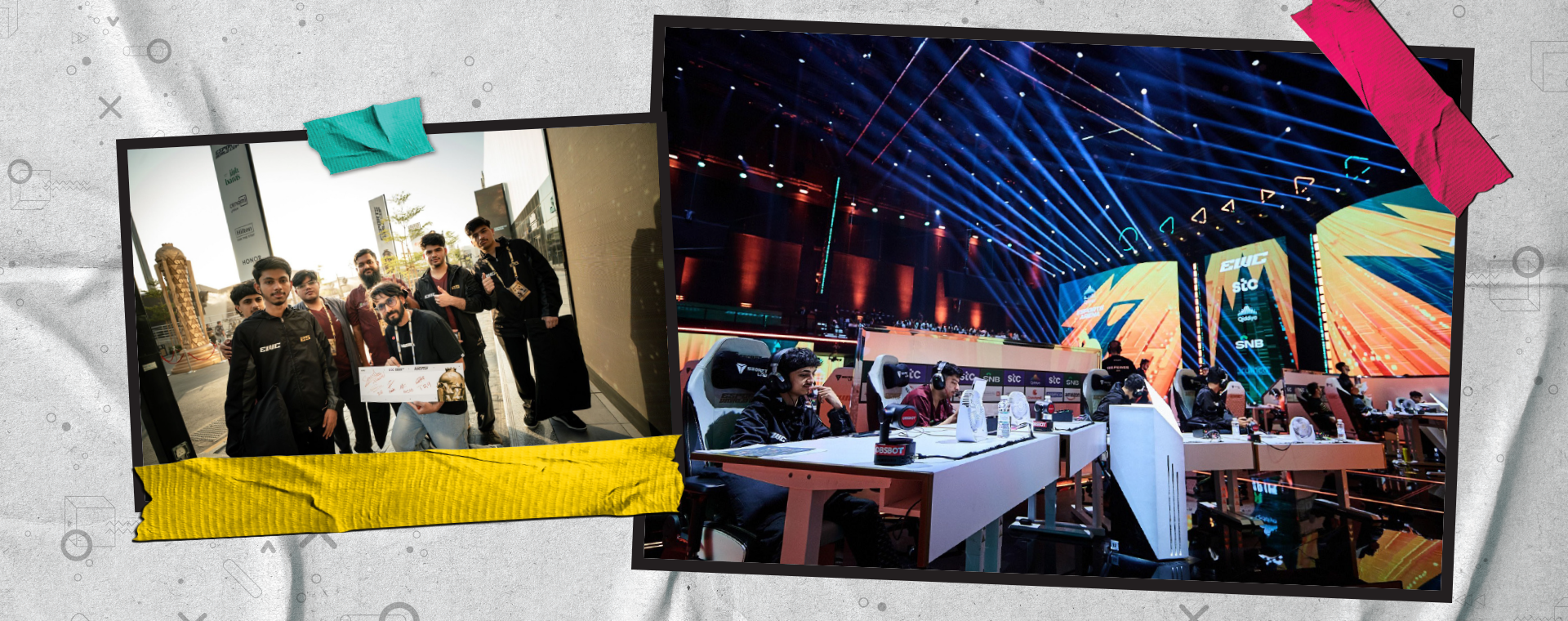
At the Nations Cup in Seoul earlier this year, when the world’s best Tekken players gathered, the names on Pakistan’s side spoke for themselves. Arslan Siddiqui aka Arslan Ash and Hafiz Tanveer from Twisted Minds, Atif Ijaz aka Atif Butt, Muhammad Farzeen, and Nauman Chaudhry aka Numan Ch from Team Falcons, Usama Abbasi from ROC Esports, and Adeel Sheikh aka The Jon form Al Qadsiah, all representing Pakistan. Each a force in his own right, each carrying a different chapter of Pakistan’s Tekken story. Together they pulled off a victory that stunned South Korea on its own turf, a country long considered the birthplace of competitive Tekken dominance.
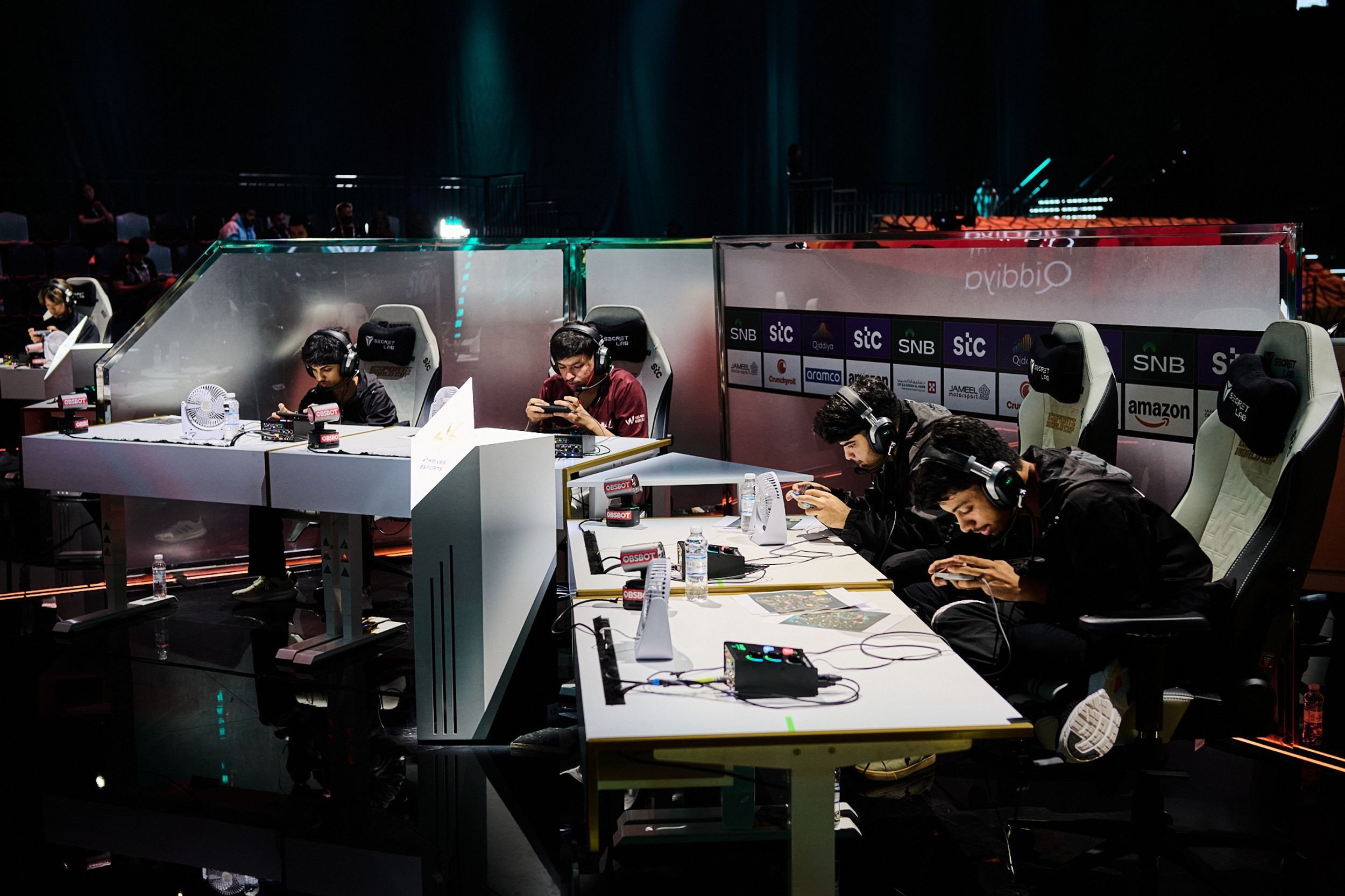
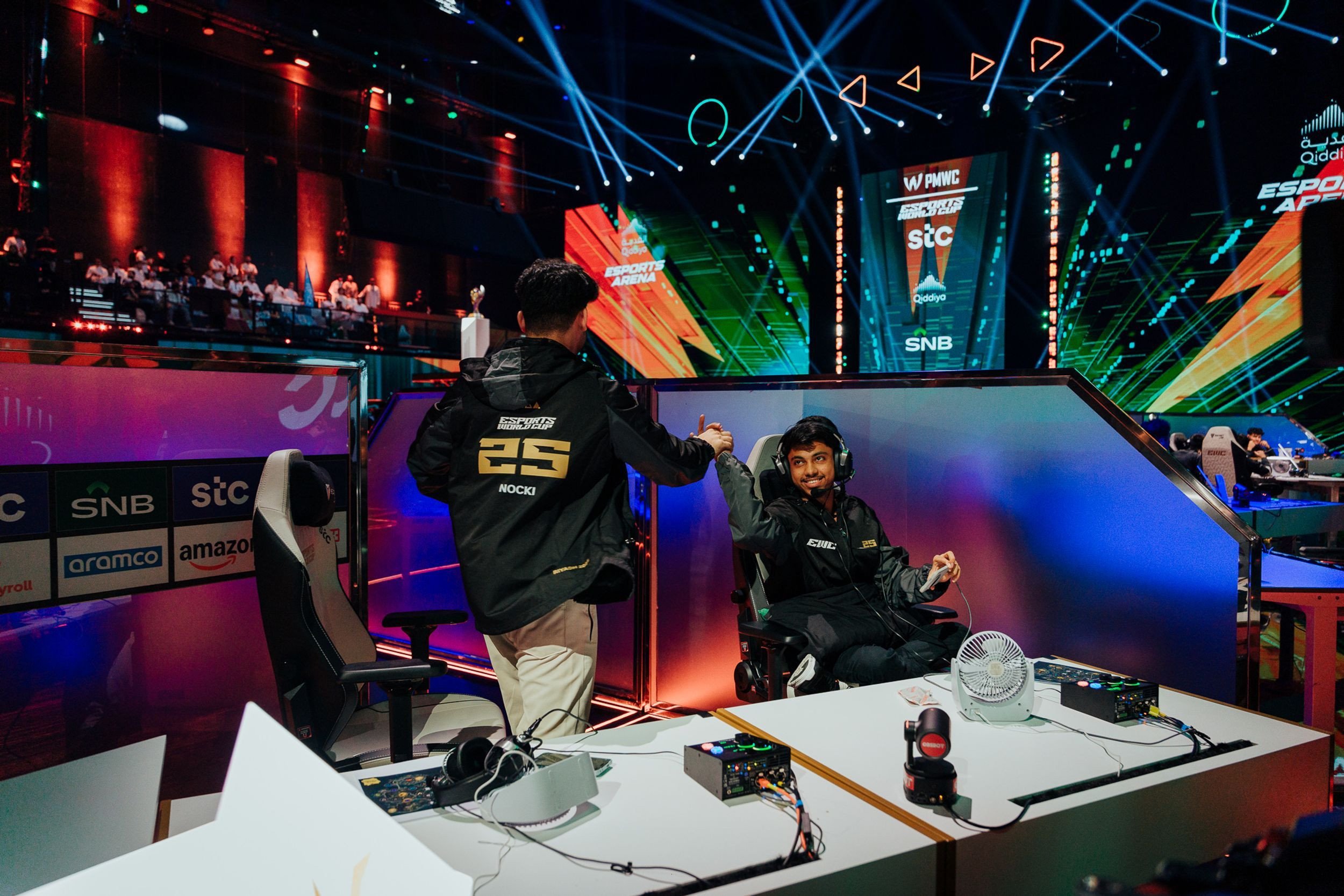
The story does not end there. Pakistan will now be seen again on one of the biggest stages, the Esports World Cup. Alongside the Tekken champions, the PUBG Mobile squad 4Thrives, after winning the national championship and then conquering the South Asian showdown, earned their ticket to the global finals. For the first time, a Pakistani team in mobile gaming walked into the world’s premier esports event, and faced the giants of China, South Korea, and the Middle East and ended up finishing at a sixth place out of 24 team winning a prize money of $157,500.
For players themselves, stepping into such tournaments is not just about competing, but survival. “This is my second time competing at the Esports World Cup. The prize money here is on another level. Even if you win just one match, you can earn enough to support yourself and your family back home. That is what makes this event so special,” says Bilal Ilyas who represented Pakistan at the Tekken 8 competition at Esports World Cup.
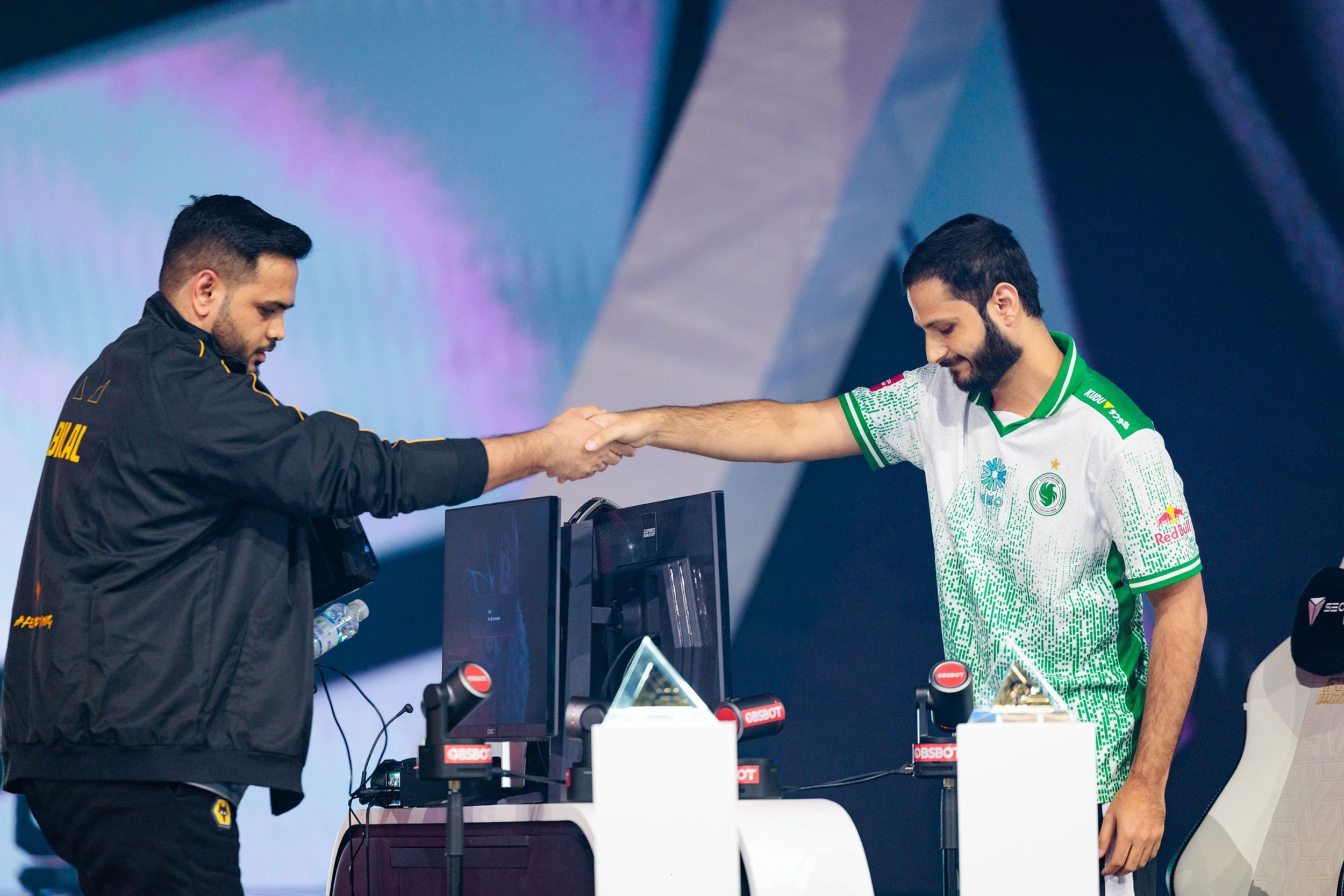
For Pakistan, these victories are not just trophies. They are statements. They signal that talent from Lahore, Karachi, and Peshawar can stand in the same arena as names the world reveres. They force the question: are the world’s top esports nations beginning to see Pakistan as a threat? On stage, perhaps yes. But behind the stage, when eyes turn to infrastructure and facilities, the perception shifts. There is almost disbelief, sometimes even dismissal, because while Pakistan’s players perform miracles internationally, at home they return to cramped gaming cafés, improvised practice sessions, and a structure that is years behind global standards.
This is where the story deepens. The grind of a Pakistani esports player is unlike anything in South Korea, Japan, or even the Middle East. Here, practice is not inside state-of-the-art arenas but often in bedrooms with borrowed equipment or in cafés where power outages interrupt tournaments. Funding is uncertain, sometimes from personal savings, sometimes from a sponsor found at the last minute. Arslan Ash himself admitted that he once thought of leaving competitive gaming altogether because of financial pressures, only to return because the game was his calling. Others describe the emotional rollercoaster of chasing international visas, booking tickets through loans, or preparing for a tournament without being sure if they will even be able to attend.
Bilal explained that most of the country’s Tekken stars are not from privileged backgrounds, which makes their rise even more remarkable. “Most of us who are performing well in Tekken come from very modest or even poor backgrounds. We did not grow up with opportunities. Whatever we have now is because of years of struggle, support from friends, and sponsors who believed in us later,” he told The Express Tribune.
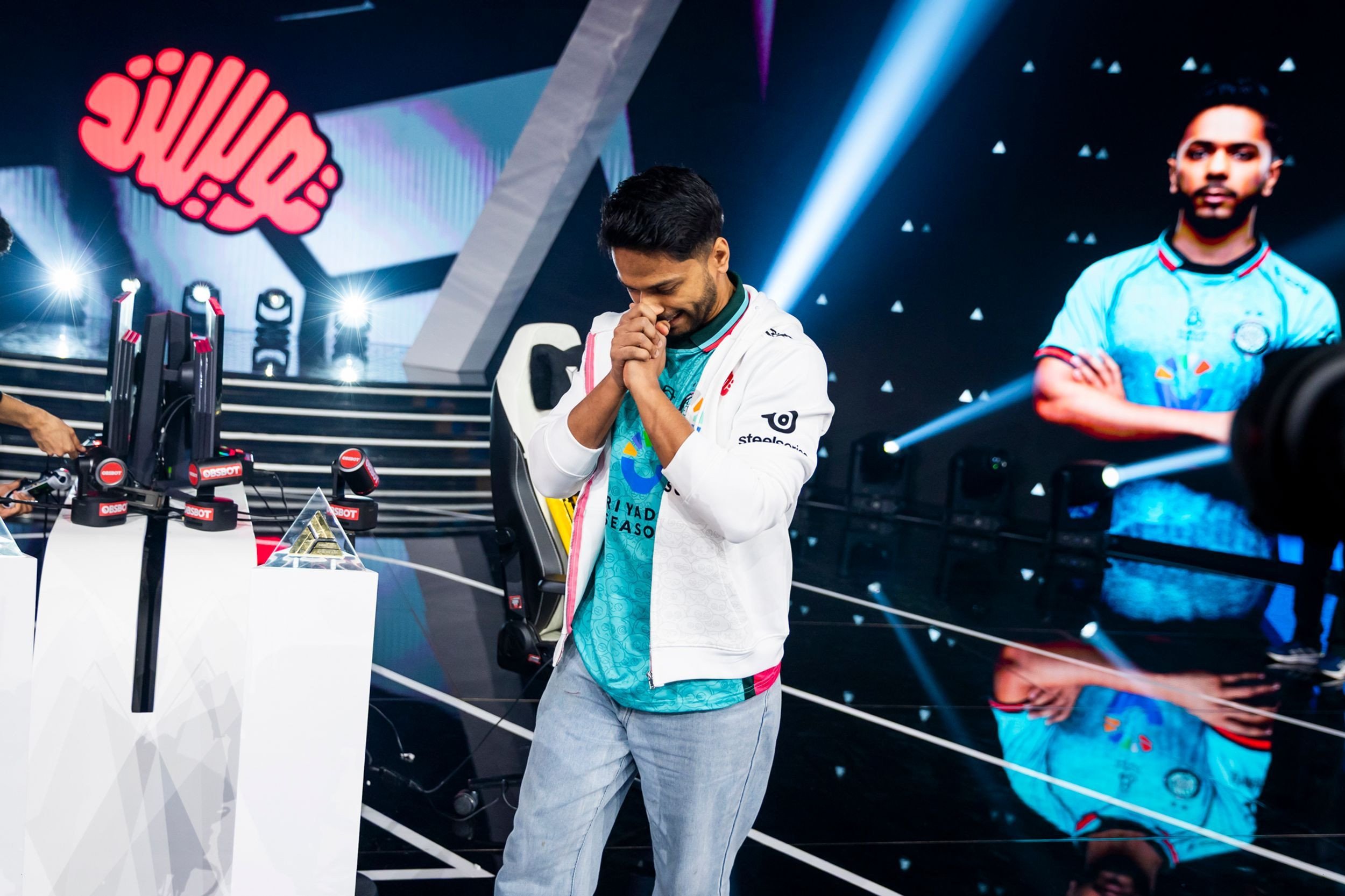
He added that how Pakistani players build their strength in small, improvised groups. “We don’t have team houses or arenas like Korea. We practice offline in small groups, often from homes or cafés. If someone beats us, we work harder the next day to take revenge in the game. That passion is what makes us strong,” shared Bilal.
And yet, in those very conditions lies the resilience that shocks the world. When Arslan Ash beat global champions, when Atif Butt lifted his second international trophy, when the PUBG Mobile team booked their slot for the World Cup, it was not just victory – it was survival. It was proof that sheer determination, talent, and countless late-night practice sessions could overcome the lack of system and structure.
But victories alone cannot sustain momentum forever. The gap between what Pakistani players achieve and what they endure continues to widen. As global esports grows more organized, the question is not just how Pakistan’s players will win, but how long they can keep winning in a vacuum.
And that is where the story shifts, from the players’ extraordinary journeys to the country they represent. To understand what comes next, one has to look at the state of esports in Pakistan itself.
The state of esports in Pakistan
To understand Pakistan’s esports story, you need to step away from the flashing lights of international arenas and look at what lies at home. The victories may make headlines abroad, but the reality for players on the ground is still far from professional. There is no permanent national esports arena in the country. Players often practice in scattered cafés or small gaming lounges in Lahore, Karachi, and Islamabad, where the quality of equipment and connectivity varies from place to place. Big festivals like Gamers Galaxy have brought crowds to venues like the Pak-China Friendship Centre, but such events come once in a while with last being held in April last year and there are no signs of being held this year yet. They do not add up to a year-round calendar. The rest of the time, players are left to organize scrims on their own, often interrupted by slow internet speeds or power cuts.
The government has taken its first step by announcing a National Esports Policy. Drafted with help from the Commonwealth Secretariat and the British Esports Federation, the plan includes setting up a Pakistan Esports Federation, launching training programmes, and eventually creating digital arenas. The recognition of esports as a sport is also in the pipeline. It is a start, but still a long way from the structures that already exist in countries where esports has been mainstream for years.
The comparison with South Korea is telling. Korea has an actual law, the Act on Promotion of E-Sports, which empowers the state to build arenas, fund talent, and run leagues. The Korea e-Sports Association (KeSPA) has long coordinated events, lobbied for hosting rights, and created a structured ladder for talent. Their venues are purpose-built, like LoL Park in Seoul or the Busan Esports Arena, where everything from broadcast booths to practice rooms is built into the design. At the grassroots, PC bangs – high-spec cafés – remain an accessible training ground for aspiring players, and even today thousands operate across the country. Fast internet, among the world’s best, means practice is smooth, tournaments are broadcast-ready, and players train without latency issues.
Even basic equipment becomes a hurdle for Pakistan’s players. “In Pakistan, if your arcade stick breaks or your monitor stops working, it’s very difficult to replace. The monitors used in international tournaments aren’t available here, and if we import them the customs duties are so high that it becomes unaffordable,” explained Bilal.
By contrast, Pakistan ranks among the slowest in global broadband and mobile internet tiers. Even professional players have admitted that qualifying matches often suffer because of lag. In Pakistan, there are no academies devoted to esports. A few private bootcamps exist here and there, but they are small and scattered. Universities have only just started to acknowledge competitive gaming, though it is still seen as something experimental rather than a serious academic track. In South Korea, the story could not be more different. Esports is firmly part of the education system. At Chung-Ang University, professional gamers are treated the same way as athletes in traditional sports, while at Yonsei University students can even study the business side of gaming as a proper course.
Money and security draw another sharp line between the two countries. Pakistani players often have to arrange everything themselves when competing abroad. Some borrow money from family, others scrape together sponsorships at the last minute, and almost all have stories of struggling with visas and tickets before they even get a chance to sit in front of the screen. In Korea, most players are attached to professional teams that pay them salaries, line up brand sponsors, and give them structured facilities to train in. For them, the only real focus is the game. For Pakistanis, the fight begins much earlier.
Bilal was quick to point out that most of Pakistan’s esports scene is already being carried by private companies, not the government. “We don’t really get support at the government level. Our real support comes from sponsors, most of them from outside Pakistan – Dubai, Saudi Arabia, America. They pay us salaries and cover our expenses. The only thing we need from the government is help with visas. So many Pakistani players never get to perform internationally simply because they don’t get visas on time,” he shared.
The Middle East has also raced ahead in a way that Pakistan has not. Saudi Arabia and the UAE are putting in heavy investment, building modern arenas, hosting global events, and presenting themselves as international hubs for esports. Cities like Riyadh and Dubai are now on the global esports calendar. Pakistani players who turn up there often feel like outsiders. They carry their raw talent into these glossy arenas, while their opponents arrive with the backing of proper systems, coaches, and professional leagues.
This gap shows itself most clearly in everyday life. Korean professionals practice on fast internet connections, often living together in team houses where coaches and analysts monitor their progress. Pakistani players are still playing from their bedrooms or in small cafés, usually late at night, with unreliable connections and limited competition. In Korea, a dense calendar of leagues means players are constantly under pressure, playing matches that mirror the intensity of the world stage. In Pakistan, players can go months without a single local tournament. For them, international qualifiers are often the only chance to test themselves — and the only real rehearsal for the pressure that awaits abroad.
And yet, despite all of this, Pakistan still produces champions. That is what makes the story so striking. The resilience is unmatched, but the question remains; how long can talent alone keep bridging a gap of this scale? If the policy promises are realized, if infrastructure begins to take shape, Pakistan could very well be the next great force in esports. Until then, victories will continue to come from players fighting against the odds, rather than because of the system around them.
National policy and the glitch
For the first time, Pakistan has placed esports on the government’s agenda. The Ministry of Information Technology and Telecommunication (MoITT) is leading the effort to draft a National Esports Policy, with technical support from the Commonwealth Secretariat and the British Esports Federation, as well as coordination through the Prime Minister’s Youth Programme. The plan includes the creation of a Pakistan Esports Federation, development of training programmes, and the eventual setup of digital arenas where players can compete and practice in a professional environment. Recognition of esports as a formal sport has also been signaled.
On paper, these are encouraging steps. For years, players have relied only on private cafés, occasional festivals, or their own living rooms to sharpen their skills. A national federation and a structured policy could change that, by creating pathways for talent, introducing standardized rules, and providing government-backed legitimacy for the industry.
For Bilal, the most disappointing part is not just the lack of facilities, but the silence when players do manage to win on the world stage. “Recently many Pakistani players have won big tournaments, but not a single congratulatory message or recognition has come from the government. We celebrate our cricket stars, but our esports players are ignored. Even a small gesture of recognition would go a long way,” he said.
Globally, however, esports governance has already moved several steps ahead. In South Korea, the Korea e-Sports Association (KeSPA) works under the Ministry of Culture, Sports and Tourism and is supported by a dedicated law, the Act on Promotion of E-Sports. This framework empowers the state to fund infrastructure, regulate leagues, and protect player welfare. In Saudi Arabia and the UAE, esports falls under cultural and sports authorities, which not only ensures recognition at international multi-sport events but also unlocks government-backed funding for players and facilities. In China, ministries of culture and education are actively involved, even shaping vocational programmes around esports careers.
So why has Pakistan chosen its IT ministry instead of a sports body to take the lead? In the current context, the choice makes sense. The biggest barriers Pakistani players face are digital: poor connectivity, lack of servers, inadequate payment systems, and an absence of industry partnerships. These are all areas that MoITT is directly responsible for. The government is already running digital youth initiatives, so esports fits naturally into this umbrella, linking gaming with coding, digital literacy, and entrepreneurship. By treating esports as part of the digital economy, Pakistan can encourage gaming startups, connect with international partners, and frame esports as a modern industry rather than just entertainment.
But Bilal believes that any future policy will only work if players themselves are part of the process. “I believe the government or federations should first consult the players, not just one or two, but all those who represent Pakistan internationally. Each player faces different problems, and support should reflect that.”
 In the long run, though, keeping esports only under the IT ministry has clear limits. At the end of the day, this is still competition. It is still a sport. Without the involvement of sports authorities, there is always the risk that it remains boxed in as a side project of the tech sector. That has real consequences. Players could continue to struggle with travel grants, visas, and recognition as athletes at events like the Asian Games. A sports ministry brings systems that already exist for cricket, hockey, or athletics — welfare programmes, anti-doping rules, contract oversight, and access to proper funding. Esports players in Pakistan have none of that yet.
The most sensible way forward would be a shared model. The IT ministry can keep focusing on what falls naturally in its domain — infrastructure, connectivity, and industry partnerships. But the Sports Division has to be brought in at some point to anchor esports within Pakistan’s larger sporting framework. A Pakistan Esports Federation, set up with both sides involved, could then take responsibility for running leagues, regulating tournaments, and safeguarding player rights.
For now, MoITT’s leadership is an important first step. It gets esports onto the policy map. But if Pakistan wants the scene to grow into something that carries international weight and legitimacy, the framework has to stretch beyond technology and firmly into sport.
Looking ahead, Bilal believes the best way to prepare Pakistani players for global competition is not just equipment or visas, but a regular domestic circuit. “In Korea, there is a league happening every week. If something like that existed in Pakistan, it would be a game-changer. Players would be earning money, competing under real pressure, and getting used to professional production standards. That’s the kind of system we need here,” he said.
This raises the next question: what does the day-to-day esports ecosystem inside Pakistan actually look like, and how far is it from the professional circuits of Korea, Saudi Arabia, or China?
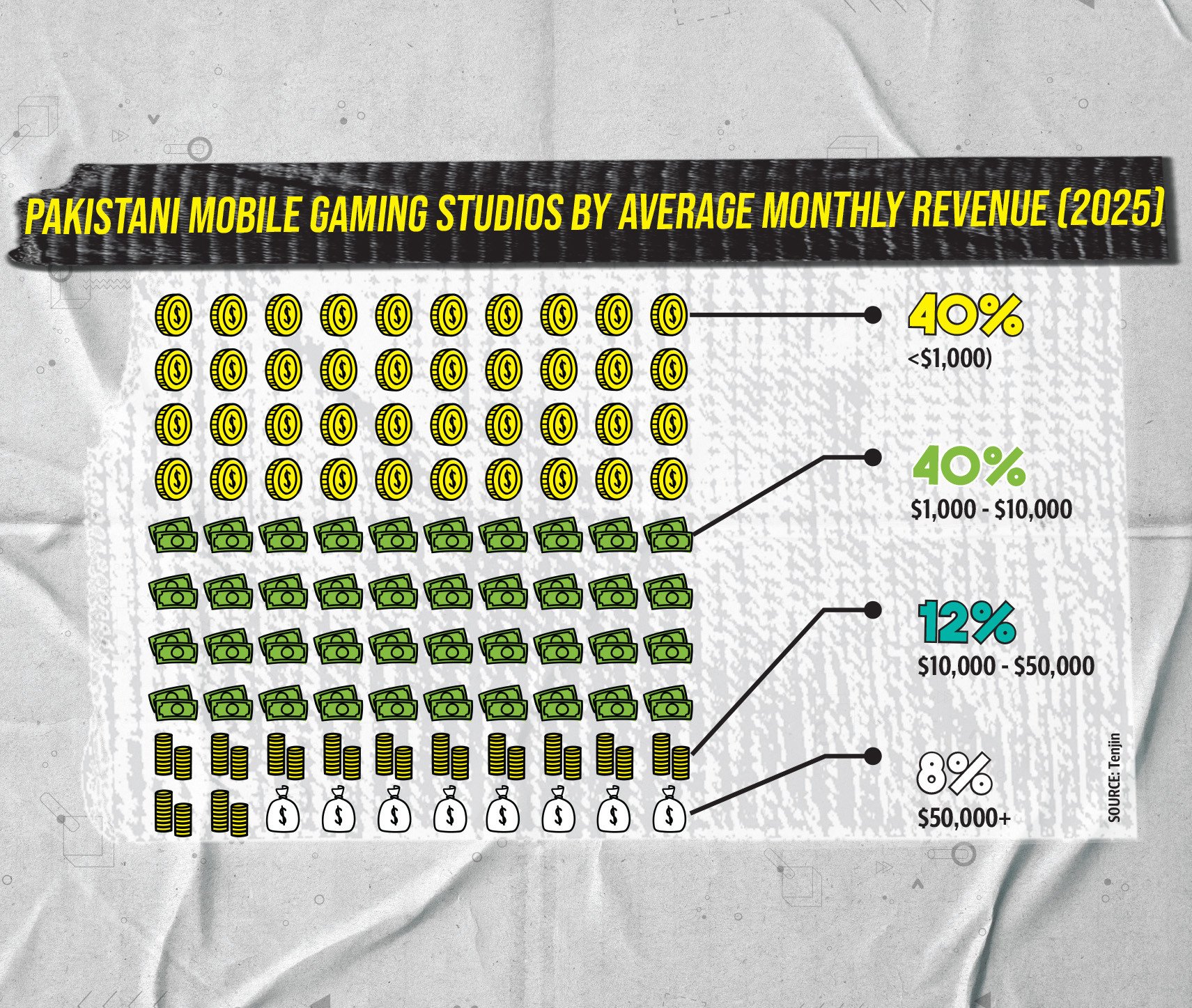
The future of Pakistan in esports
By the time this story was being filed, Pakistan’s first ever PUBG Mobile team to reach the Esports World Cup for PUBG Mobile World Cup (PMWC) 2025 had wrapped up its campaign. 4Thrives, the young squad that carried Pakistan’s hopes into the global arena, finished in seventh place. For a debut appearance, it was a respectable finish, proof that Pakistan could hold its own against the strongest teams in the world. More importantly, it was an experience that gave the players something no practice room back home could replicate the pressure and intensity of competing under the brightest lights in front of a global audience.
On the Tekken side, the fight was still unfolding. Out of seven Pakistani players who traveled to Riyadh, two names once again stood tall as the competition entered its second phase. Arslan Ash and Atif Butt, both carrying the weight of expectation, had qualified for the round of 16. If they clear this stage, the path ahead will lead to the round of 8, then the semi-finals, and eventually the final itself. Each match is not just a test of skill but a reminder of how far Pakistan has come in global esports. Just to remember that in the recent EVO Championship Series, Arsalan Ash and Atif butt were the finalists where Arslan Ash defeated Atif to lift his sixth straight Evo title.
Taken together, these moments underline the duality of Pakistan’s esports story. On one side, there is talent capable of standing shoulder to shoulder with the very best, whether it is in fighting games or mobile gaming. On the other, there is a system that still leaves players to find their own way. The seventh-place finish in PUBG Mobile and the continued progress of Tekken players are more than just results; they are signals of what could be possible if Pakistan built the right foundations at home.
What lies ahead will depend on whether the momentum of these victories is matched by investment, infrastructure, and recognition. Players like Arslan Ash and Atif Butt cannot carry the burden alone forever. Teams like 4Thrives cannot remain exceptions, surviving on grit and isolated support.
That spirit of looking out for each other has already become part of the culture among Pakistani esports players. “Recently I helped send three Pakistani players to the Last Chance Qualifiers for the Esports World Cup. Unfortunately, they couldn’t qualify, but everything, tickets, hotels, food, was sponsored by me and my friends. InshaAllah, if I grow stronger, I’ll create a proper platform in Pakistan so more players can have these opportunities,” shared Bilal.
If the new national policy translates into real facilities, professional leagues, and pathways for young talent, Pakistan could move from being a surprise package to a permanent fixture on the global stage.
For now, though, every victory is a reminder of both triumph and limitation. Pakistan’s players are proving that talent can overcome barriers, at least for now. The question is whether the country will give them a system that allows their victories to become the rule, rather than the exception.
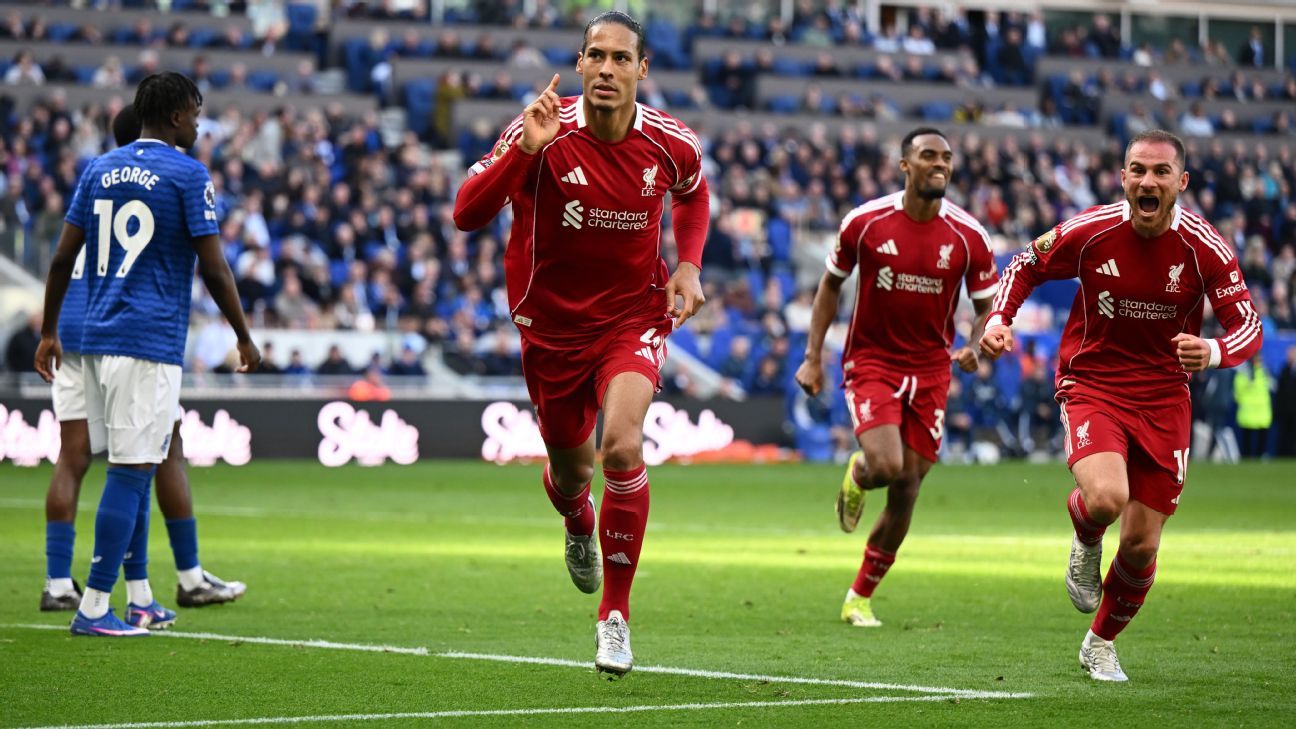
LIVERPOOL, England — Liverpool needed that. After a season of turmoil, Liverpool needed Virgil van Dijk to rise the highest. They needed Mohamed Salah to conjure up just one more magical moment. They needed a reason to believe.
The defense of their Premier League title has largely been a campaign without joy for Arne Slot’s side, with reserves of hope seeming to dwindle by the week. But with Liverpool there is always a chance, and when the chance came against Everton — this time in the 100th minute – — Van Dijk seized it with the fearlessness and fortitude of a player who knew there were more than just three points on the line.
It was fitting that, as Liverpool faced off against Everton in the first Merseyside derby at Hill Dickinson Stadium, Arsenal and Manchester City were preparing to star in this weekend’s main event over at the Etihad. That Liverpool were only the warmup act to this season’s title decider should and will sting for the reigning champions — but a last-gasp 2-1 win at the home of their local rivals will go some way to soothing the pain.
Make no mistake, this was not Liverpool at their ebullient best — far from it. But Slot’s side did, at least, show the grit and character that has evaded it for too much of this torrid campaign and, in doing so, inflicted yet more misery on an Everton team many had regarded as the favorite going into this encounter.
The prematch scenes on Merseyside left little doubt about how much this meant for Everton supporters. They lined the streets with flares and flags to greet the team coach before unfurling an impressive tifo banner as the players readied themselves for action.
The energy in the stands transmitted instantly to the players on the pitch, and Everton hassled and harried their opponents with the fervor of a team smelling blood. Certainly, Liverpool went into Sunday’s game as a wounded beast, having bowed out of the UEFA Champions League with a 4-0 aggregate defeat to Paris Saint-Germain on Tuesday night, in the process of which they also lost striker Hugo Ekitike to a serious Achilles injury.
So when the lively Iliman Ndiaye found the back of the Liverpool net inside 27 minutes, it seemed as if yet another miserable prophecy were set to be fulfilled. Perhaps, though, the fates were smiling on Slot’s side, with a VAR intervention sparing the Reds’ blushes and offering them a platform to show their mettle.
Just 66 seconds later, Liverpool were ahead thanks to the brilliance of Salah, who slotted coolly past Jordan Pickford after a superb pass from Cody Gakpo. All of a sudden, it was as if the blue mist had lifted.
Salah beamed as he stood before the euphoric away end, having just tied Steven Gerrard for the most goals scored by a Liverpool player in Premier League Merseyside derbies (nine). It has not been a vintage Salah season by any stretch of the imagination — and it will be his last — but the sight of the Egypt international being “crowned” by teammate Curtis Jones after carving out another slice of history seemed like a poignant footnote in one of the all-time great Anfield careers.
Liverpool, though, did not have it all their own way. So often this term, they seem to have conspired to make life hard for themselves, and they did so again when some lackadaisical defending allowed the in-form Beto to dispatch a smart Kiernan Dewsbury-Hall delivery early in the second half. It was Beto’s sixth goal involvement in as many games, with his instinctive finish once more lighting the blue touchpaper inside Hill Dickinson Stadium.
Liverpool’s anguish was compounded by the sight of goalkeeper Giorgi Mamardashvili leaving the pitch on a stretcher in the immediate aftermath of the goal, having sustained what Slot later described as a “big wound” to a leg. His replacement, Freddie Woodman, could hardly have asked for a more daunting arena in which to make his Premier League debut for the club, but the former Preston North End man stood firm, and so did his teammates. Liverpool were not electrifying, but they did not need to be.
Instead, they made life difficult for Everton, who never quite managed to wrestle back the momentum they had enjoyed during the early stages of this contest. And when, in the dying minutes of stopping time, Dominik Szoboszlai swung an enticing corner kick into the Everton box, Van Dijk was there to apply the finishing touch.
The Dutchman’s thumping header helped yield a victory that bolsters Liverpool’s hopes of Champions League qualification, with the Reds now seven points clear of sixth-place Chelsea with just five games left to play. More importantly, though, Van Dijk’s goal recaptured something intangible for Liverpool; the feeling that they should never quite be written off.
“It’s a privilege to represent this club and today they showed what it means to the players to represent this club,” Slot said in his postmatch news conference. “And the fans were, as they’ve been throughout the whole season, a big, big, big support for us. And to beat them then in the first game in their new stadium after what I just said, the week we had, is an enormous compliment to everybody involved in Liverpool FC.”
For Slot, the full-time whistle must have felt like a release valve — a rare moment to stop and exhale in a breathlessly bewildering season that has prompted endless speculation over his future. For those in the away end, too, this was an afternoon to savor.
As the home fans filed out of the stadium, the Liverpool supporters launched into a defiant chorus of “Champions, champions.” With the end of the campaign firmly on the horizon, their chances to air that refrain are now few and far between.
On Sunday, though, Liverpool seized their chance. How they needed it.

Lionel Messi had two goals, including a stunning 79th-minute winner, to give Inter Miami a victory in new interim coach Guillermo Hoyos’ first match in charge Saturday.
Mexico striker Germán Berterame also scored as Miami beat the Colorado Rapids 3-2 in front of a crowd of 75,824 — the second-highest attendance in MLS history — at Empower Field at Mile High.
It was Miami’s first game since Javier Mascherano stepped down as coach Tuesday, just four months after guiding the club to its first MLS Cup title.
Hoyos, whose relationship with Messi dates back to his time working at Barcelona’s renowned La Masia academy more than 20 years ago, was put in charge of the first team for “the upcoming matches,” moving over from his current role of sporting director.
“It has been a beautiful experience because there are players of immense quality here including the greatest player in history,” Hoyos said in a news conference.
“I was excited on many occasions, because football truly is all about that emotion and passion.”
Messi opened the scoring when he converted a penalty kick in the 13th minute, before his late go-ahead goal. After a Colorado turnover near midfield, Messi cut back near the right corner of the penalty box and struck a rising shot that split a pair of defenders and slipped inside the back post.
Messi has seven goals this season, tied with Sam Surridge and Petar Musa for most in MLS.
Asked how he approaches coaching his fellow Argentine and the record eight-time Ballon d’Or winner, Hoyos responded: “The best coach in the world is actually out there on the pitch. We coaches are merely guides.”
Miami (4-1-3) is now seven games unbeaten and hasn’t lost since a season-opening 3-0 defeat to LAFC.
Miami midfielder Yannick Bright was shown a straight red card in the 87th minute for using “offensive, insulting, abusive language heard by the referee,” the Professional Referee Organization, which oversees MLS referees, confirmed to ESPN. According to the PRO pool report, Bright used the phrase b—- ass n—a.”
“Honestly, I don’t know, and I was certainly surprised, by the sending off,” Hoyos said when asked about the reason for the expulsion.
Bright drew a penalty conceded by Joshua Atencio, and Messi converted from the spot to open the scoring.
Mateo Silvetti, along the right end line, played an arcing cross to the back post, where Berterame slammed home a header to make it 2-0 in the fifth minute of first-half stoppage time.
Berterame scored his first MLS goal last time out in a 2-2 tie with the New York Red Bulls.
Rafael Navarro scored in the 58th minute for the Rapids. The 26-year-old forward scored two goals in last week’s 6-2 win over Houston and has six goals this season.
Darren Yapi subbed on for Hamzat Ojediran and, moments later, scored on the counterattack to make it 2-2 in the 62nd minute.
ESPN’s Lizzy Becherano and The Associated Press contributed to this report.
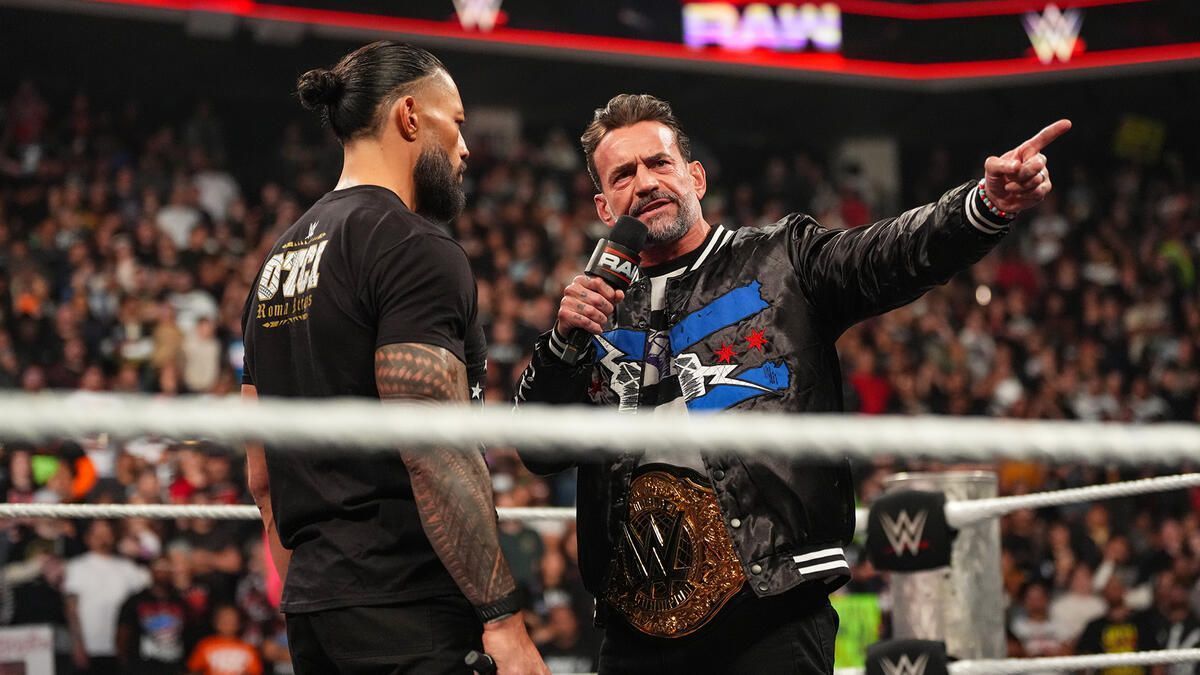
After a massive night of high-flying moments and title changes on Night 1, the WrestleMania 42 action continues on Night 2 at Allegiant Stadium in Las Vegas.
Two of the biggest superstars on the roster, literally, square off in the first match of the night, as “The Ruler” Oba Femi attempts to slay “The Beast” Brock Lesnar. Also on the card is a six-man ladder match for the men’s Intercontinental Championship, and a pair of singles matches for the United States Championship and the WWE Women’s Championship.
In the main event, CM Punk puts the World Heavyweight Championship on the line against Roman Reigns.
Follow along with every moment of WrestleMania Night 2.


Daniel Radcliffe compares ‘Harry Potter’ movies: ‘Which one was better’?

Van Dijk hands Liverpool a UCL boost and reason to believe after more late drama

Did ‘Charlie’s Angels’ star Jaclyn Smith say no to Bond girl role?

-

 Fashion4 days ago
France’s LVMH Q1 revenue falls 6%, shows resilience amid Iran war
-

 Entertainment7 days ago
Palace left in shock as Prince William cancels grand ceremony
-

 Sports7 days ago
The case for Man United’s Fernandes as Premier League’s best
-
 Business1 week ago
100% road tax waiver for electric cars, new rules for 2, 3 and 4 wheelers – what Delhi govt’s draft EV policy says – The Times of India
-
 Business7 days ago
UK could adopt EU single market rules under new legislation
-

 Entertainment1 week ago
Dua Lipa hits major career high ahead of wedding with Callum Turner
-

 Sports1 week ago
Lamar Jackson hits back at critics with faithful message on social media
-

 Entertainment4 days ago
Is Claude down? Here’s why users are seeing errors