

Business
Games such as Omaze and McDonald’s Monopoly ‘normalising gambling’, says charity


Prize draws such as Omaze and McDonald’s Monopoly are normalising gambling, particularly for children and young people, a charity has warned.
GambleAware said survey findings suggested a link between prize draws such as Omaze and McDonald’s Monopoly and gambling harm, with latest data suggesting that 27% of people who gamble are estimated to be experiencing a risk of problems from taking part in such games.
Prize draws are not currently regulated as a licensed form of gambling, but GambleAware said they had “many similarities” to certain types of gambling and people “may not understand the risks associated with them”.
The charity raised its concerns about prize draws as it released its fifth annual Treatment and Support Survey data, finding that demand for treatment and support for gambling problems has almost doubled since 2020.
The YouGov survey found that almost one in three adults (30%) who are experiencing a risk of problems from gambling want treatment, support or advice, compared with around one in five (17%) in 2020.
The data also shows an increase in the proportion of adults who are experiencing problem gambling, up from 2.4% in 2020 to 3.8% in 2024.
The number of people affected by family or friend’s gambling has increased from 6.5% in 2020 to 8.1% in 2024 – an estimated 4.3 million adults.
The charity said estimates based on the YouGov survey suggested that around two million children may be living in households with an adult experiencing problem gambling.
GambleAware chief executive Zoe Osmond said: “Gambling can be highly addictive, with devastating impacts on people’s lives, relationships and financial stability.
“While it is encouraging that more people have sought help, this rise may also point to a growing public health crisis.
“We are increasingly alarmed by how gambling is being normalised and how frequently people – especially young people – are exposed to gambling across Great Britain.
“To reverse this troubling trend, urgent preventative action is needed. This must include tougher regulation of gambling advertising to stop gambling being portrayed as ‘harmless fun’.
“There should also be mandatory health warnings on all gambling ads, stricter controls on digital and social media marketing, and a full ban on gambling promotion in stadiums and sports venues to protect children and young people from harm.”
The report, which also explored attitudes towards children’s exposure to gambling, found widespread support for more restrictions on gambling advertising, with 91% supporting a ban on gambling advertising on TV and video games and 90% supporting a ban on social media.
Kate Gosschalk, YouGov associate director, said: “We are pleased to share the findings from the latest annual Treatment and Support Survey, a substantial online survey of around 18,000 people in addition to interviews with those who gamble.
“The new data provides valuable insight about gambling harm, including an increase in the number of people seeking support or treatment over the past five years.”
An Omaze spokesman said: “Omaze takes consumer safeguarding very seriously. We voluntarily operate an automated monthly spending limit for all customers, and our teams proactively review customer spend patterns to identify whether a customer has multiple subscriptions or if they frequently get close to the cap. This allows us to identify and protect against any potential excessive spend.
“We operate in full compliance with all relevant UK regulations.
“As a part of our commitment to high standards, we are subject to strict requirements under the Advertising Standards Agency (ASA) and abide by all of its rules in promoting our products.
“Omaze welcomes the Government’s latest research and plans on the prize draw sector. We are pleased to be working closely with the Department of Culture, Media and Sport to develop a voluntary Code of Conduct for the industry, to ensure that Omaze’s high levels of consumer protections are matched across our industry.”
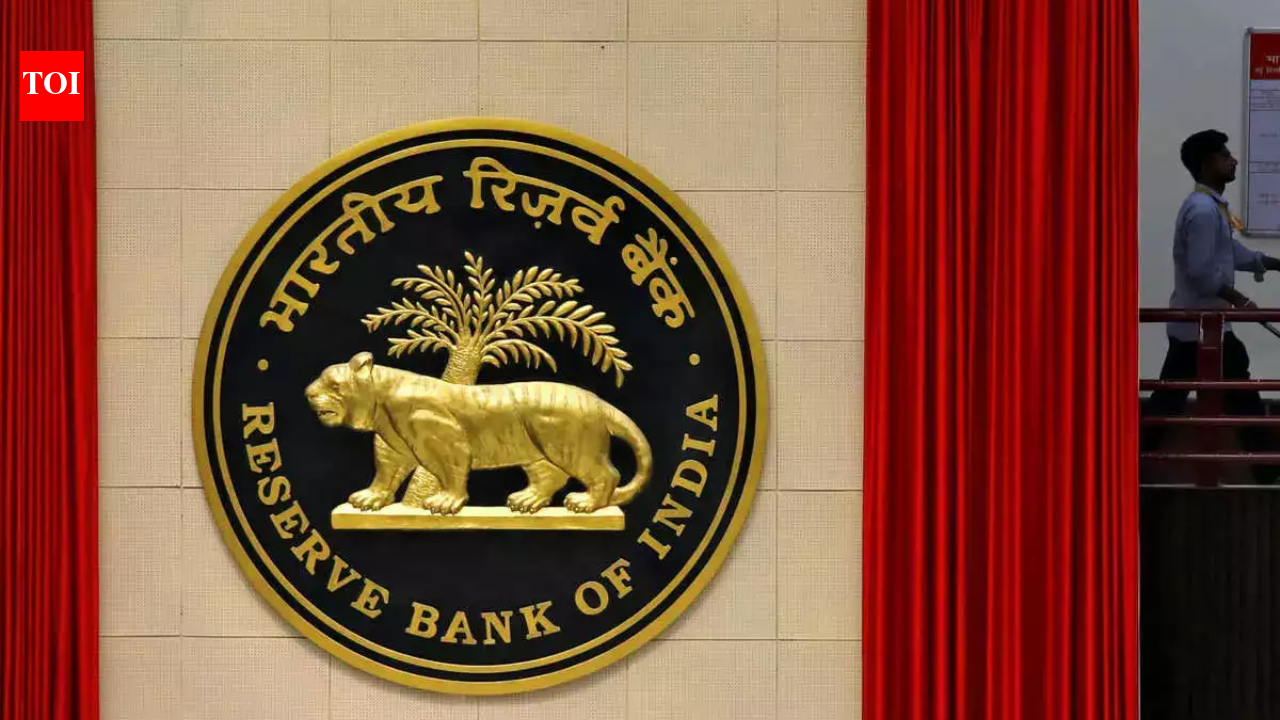
The Reserve Bank of India (RBI) on Monday decided against activating the countercyclical capital buffer (CCyB), indicating that current financial and credit conditions do not warrant an additional capital requirement for banks, PTI reported.The central bank said the decision followed a review and empirical assessment of indicators used under the CCyB framework.“Based on review and empirical analysis of CCyB indicators, it has been decided that it is not necessary to activate CCyB at this point in time,” RBI said in a statement.Under the RBI (Commercial Banks – Prudential Norms on Capital Adequacy) Directions, 2025, the CCyB framework is activated when financial conditions indicate rising systemic risks linked to excessive credit growth.The framework primarily relies on the credit-to-GDP gap as a key indicator, along with supplementary metrics.According to the RBI, the CCyB mechanism is intended to serve two broad objectives.Firstly, it requires a bank to build up a buffer of capital in good times, which may be used to maintain the flow of credit to the real sector in difficult times.Secondly, it achieves the broader macro-prudential goal of restricting the banking sector from indiscriminate lending in the periods of excess credit growth that have often been associated with the building up of system-wide risk.The framework was introduced globally after the 2008 financial crisis as part of measures proposed by the Group of Central Bank Governors and Heads of Supervision (GHOS) under the Basel framework to strengthen financial system resilience.

The company has announced plans to build seven new models in Europe including a small electric hatchback.
Source link

“Today’s policymaking is constrained by a more volatile external environment with more frequent and overlapping shocks, a rising public interest bill, in part reflecting market concerns with countries’ elevated debt, and the long-standing challenge of weak productivity growth,” he said.


Turkiye’s current account deficit expected to widen in 2026: Minister

UK’s clothing imports fall 3% in Q1, sharply lower than Q4 2025
RBI sees no signs of excess credit risk, keeps countercyclical capital buffer inactive

-

 Entertainment6 days ago
Conan O’Brien hat tricks as Oscar host
-

 Tech1 week ago
Could Contact-Tracing Apps Help With the Hantavirus? Not Really
-

 Fashion5 days ago
Italy’s Zegna Group’s Q1 growth boosted by strong organic performance
-

 Sports1 week ago
Bobby Cox, legendary Atlanta Braves manager who led 1995 World Series champions, dead at 84
-

 Entertainment1 week ago
Martin Short: Facing tragedy with joy
-

 Entertainment1 week ago
Tom Brady gets back at Kevin Hart during Netflix roast
-

 Sports1 week ago
Jacob Fatu unleashes vicious assault on Roman Reigns after World Heavyweight Championship loss at WWE Backlash
-

 Entertainment1 week ago
Martha Stewart: How to make an omelet