

Business
Gas and oil prices soar and shares tumble as crucial shipping lane threatened

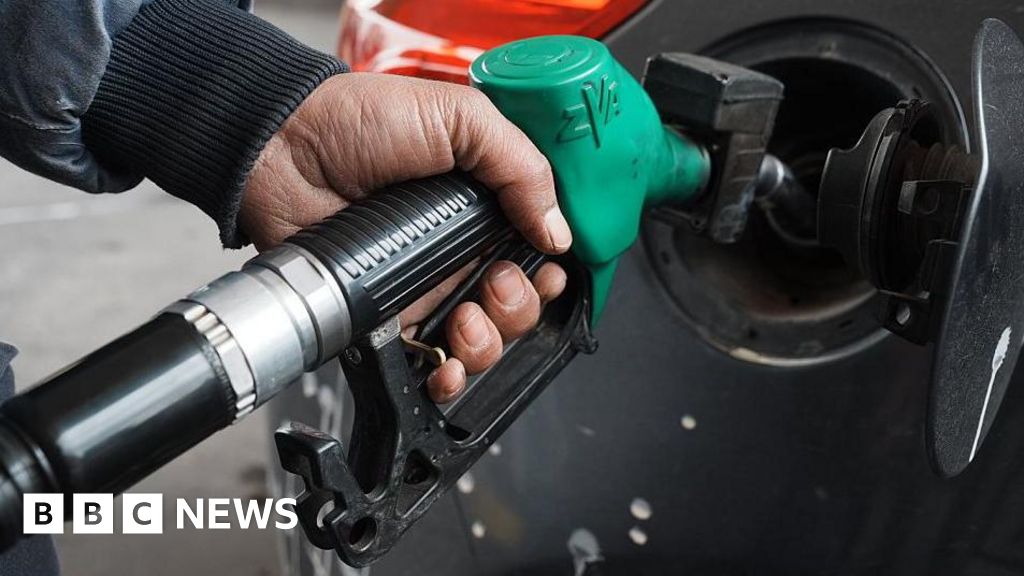
Iranian official threatens to “set fire” to any ships passing through the Strait of Hormuz.
Source link
Last Updated:
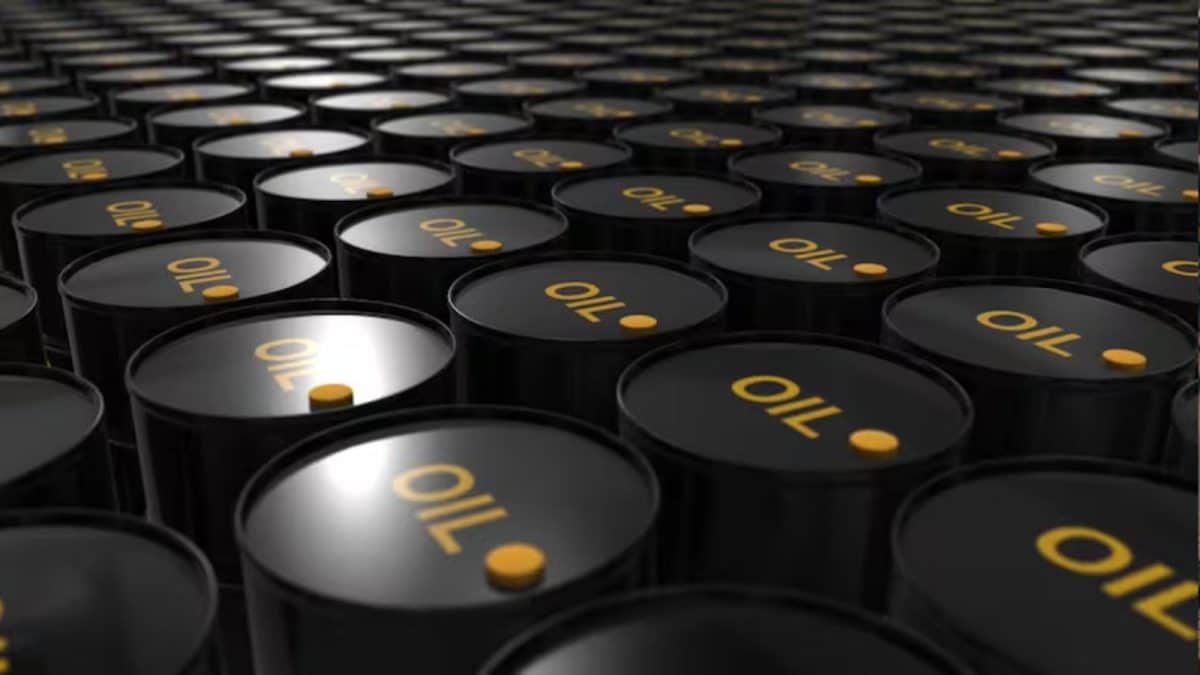
The Indian government has over 50 days of crude oil stocks and is in a ‘comfortable position’. They remain cautiously optimistic about diversification.




Crude Oil
US-Iran War: The Indian government has confirmed that the country has over 50 days of crude oil stocks and is in a ‘comfortable position’, according to a Moneycontrol report.
The MC report added that the government continues to be cautiously optimistic that it is capable of taking domestic steps and diversifying as the need arises.
The government’s comment plays down any concern arising over India’s energy security in crude oil amid the rising tension in the Middle East and complete closure of the Strait of Hormuz.
Global crude shipments moving through the Strait of Hormuz have nearly ground to a halt, disrupting close to 86% of the usual east–west oil traffic and rattling energy markets worldwide.
According to maritime intelligence firms Windward and Kpler, the strategic chokepoint remains technically open, but vessel movement has slowed to a fraction of normal levels. On March 1, just three oil tankers transporting a combined 2.8 million barrels transited the strait — a steep 86% drop compared to the 2026 daily average of 19.8 million barrels.
By early March 2, activity had thinned further, with only one small tanker and a single cargo vessel recorded moving through the primary shipping lanes, underscoring the scale of the disruption.
Brent curde oil futures were also trading over USD 80 per barrel for the past two days, with anticipation to rise in three digit soon.
India is highly dependent on other countries for its crude oil requirements, with imports accounting for around 88–90 per cent of total demand. In 2024, India surpassed China as the world’s largest oil demand driver, driven by rising fuel consumption, particularly in transportation.
So, what happens if there is a large-scale disruption in crude oil supply? Is India prepared to handle such a situation, and for how long?
India has a dedicated special purpose vehicle called Indian Strategic Petroleum Reserves Limited (ISPRL), which is responsible for maintaining petroleum reserves for such emergencies.
The Government of India decided to establish 5 million metric tonnes (MMT) of strategic crude oil storage across three locations.
ISPRL functions under the Ministry of Petroleum and Natural Gas, and the project was executed by Engineers India Limited (EIL). The strategic reserves are situated in Visakhapatnam, Mangalore, and Padur (near Udupi).
These crude oil storages are built in underground rock caverns along both the eastern and western coasts of India. Crude oil from these caverns can be supplied to Indian refineries through pipelines or a combination of pipelines and coastal transport.
Underground rock caverns are considered one of the safest methods for storing hydrocarbons.
 Click here to add News18 as your preferred news source on Google.
Follow News18 on Google. Join the fun, play games on News18. Stay updated with all the latest business news, including market trends, stock updates, tax, IPO, banking finance, real estate, savings and investments. To Get in-depth analysis, expert opinions, and real-time updates. Also Download the News18 App to stay updated.
March 03, 2026, 16:14 IST
Read More
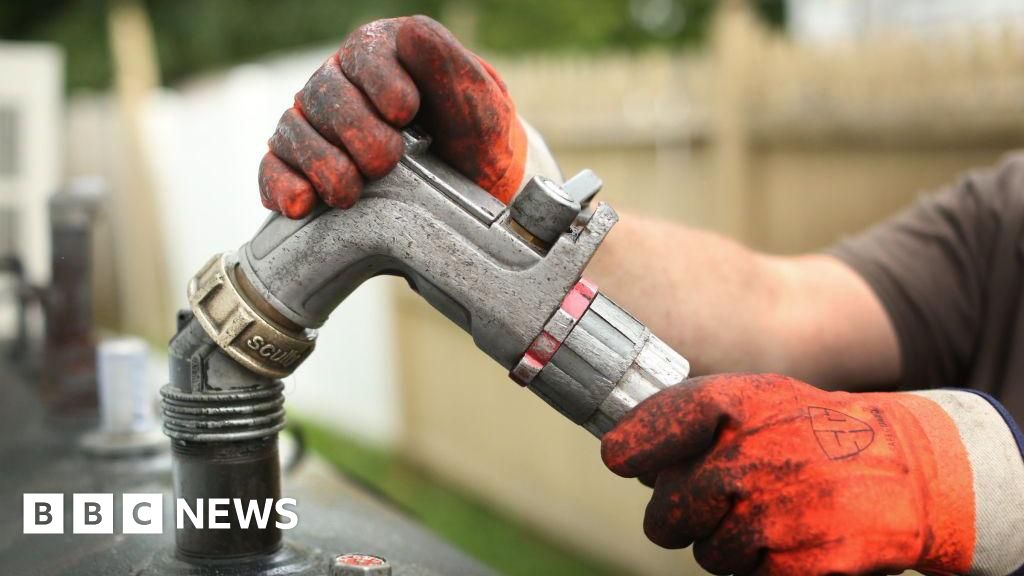
Global oil prices spike after Iran launched strikes across the Middle East in response to attacks by the US and Israel.
Source link

The Pakistan Stock Exchange (PSX) staged a strong comeback on Tuesday, recovering more than 2,000 points after suffering its steepest one-day decline in history.
The benchmark KSE-100 Index climbed to an intraday high of 156,106.01, gaining 4,133.02 points (2.72%) from the previous close of 151,972.99.
However, volatility persisted, with the index also dipping to an intraday low of 151,258.85, reflecting continued investor caution.
After Monday’s Historic Slump
The rebound follows Monday’s massive crash, when the KSE-100 plunged 16,089.17 points (-9.57%), marking its largest single-day fall ever.
The sell-off was triggered by escalating Middle East tensions and panic-driven mutual fund selling.
Analysts described Tuesday’s rise as a technical rebound, with value investors stepping in after excessive pressure eased.
Global Markets Under Pressure
While PSX showed recovery, global markets remained under strain:
MSCI Asia-Pacific index (ex-Japan) fell 1.5%
Japan’s Nikkei dropped 2.3%
US futures slipped 0.6%
Rising geopolitical tensions have intensified concerns about energy prices and global economic stability.
Oil Prices Surge
Fears of disruption in the Strait of Hormuz pushed energy markets higher:
Brent crude rose 2% to $79.22 per barrel
Shipping costs for oil tankers surged sharply
European and Asian natural gas prices jumped nearly 40% earlier
Higher oil prices pose inflationary risks for import-dependent economies like Pakistan.
What’s Next?
Market experts say the key question is whether the recovery gains momentum or remains a short-term bounce.
Investor sentiment remains fragile amid geopolitical uncertainty and volatile global energy markets.


The Premier League is boring now: A tactical way to save it

US ETR dips to 9.4% as blanket 10% tariff replaces IEEPA levies: Fitch
US-Iran War: India Has Over 50 Days Of Crude Oil Stocks, In ‘Comfortable Position’: Report

-

 Politics5 days ago
What are Iran’s ballistic missile capabilities?
-
 Business7 days ago
Households set for lower energy bills amid price cap shake-up
-

 Sports1 week ago
Top 50 USMNT players of 2026, ranked by club form: USMNT Player Performance Index returns
-

 Politics5 days ago
US arrests ex-Air Force pilot for ‘training’ Chinese military
-

 Sports5 days ago
Sri Lanka’s Shanaka says constant criticism has affected players’ mental health
-
 Business7 days ago
Lucid widely misses earnings expectations, forecasts continued EV growth in 2026
-
 Business5 days ago
Attock Cement’s acquisition approved | The Express Tribune
-
 Fashion1 week ago
OECD GDP growth slows to 0.3% in Q4 amid mixed trends