

Fashion
German shirt-making pioneer Eberhard Bezner turns 90


Published
December 30, 2025
Eberhard Bezner turns 90. The long-standing managing director and current co-owner of Olymp Bezner KG, and co-founder of the eponymous foundation in Bietigheim-Bissingen, Baden-Württemberg (Ludwigsburg district), will celebrate his milestone birthday on December 31. As a German fashion entrepreneur, Bezner brought numerous innovations in modern shirt-making to fruition, laying the foundations for the company’s outstanding market position today.
Eberhard Bezner was born on December 31, 1935 in Stuttgart, Württemberg, the only child of company founder Eugen Bezner and his wife, Wilma (née Klaus).
Bezner grew up in Bietigheim and Ingersheim in the district of Ludwigsburg. After completing his schooling in Bietigheim in 1950, he began a structured apprenticeship as a textiles and retail merchant with a textile wholesaler in Ludwigsburg.
Bezner then joined his parents’ company in September 1953, initially as a junior employee. Following the sudden death of his father, Eugen, in January 1960, he had to take responsibility for the fast-growing, medium-sized shirt manufacturer overnight, at just 24 years of age.
As managing partner, he devoted himself to this role for many decades, until the complete handover to his son and successor, Mark Bezner, who now successfully runs the internationally active family business in its third generation.
One of Eberhard Bezner’s key entrepreneurial achievements was recognising, as early as the late 1960s, the growing difficulties facing domestic textile production in Germany.
The demand for qualified production workers could scarcely be met at that time. In the face of near-full employment, the local textile and clothing industry, particularly in the Middle Neckar region, continuously lost workers to traditionally strong sectors such as mechanical engineering and the automotive industry.
As a result, alternatives for shirt production had to be found abroad- this was the only way to preserve the medium-sized company and safeguard jobs in Germany.
In addition to his many years as an entrepreneur, Eberhard Bezner also took on political responsibility at municipal level in his hometown of Bietigheim for decades. From 1968 to 2004, he was at times the longest-serving councillor in the CDU group on the Bietigheim-Bissingen city council and also served, on an honorary basis, as deputy to the then Lord Mayor, Manfred List (CDU).
For his numerous services to the community as a citizen, patron, sponsor, and elected official, he received the Badge of Honour of the state of Baden-Württemberg and also holds the Cross of Merit on ribbon of the Order of Merit of the Federal Republic of Germany. In October 2013, Eberhard Bezner was additionally honoured by the Baden-Baden Economic Forum for his life’s work as the doyen of the German shirt industry and as a shareholder of OLYMP.
Guided by the humanist maxim “It is far more blessed to give than to receive,” the committed philanthropist Eberhard Bezner has long been active in charitable humanitarian projects. Together with his son, Mark Bezner, and his daughter, Birgit Bezner-Fischer, he founded the Olymp Bezner Foundation in 2008 with a private endowment of one million euros, which has since worked worldwide to support the education, health, and welfare of children and young people.
In 2010, Eberhard Bezner opened the “EBERHARDS” hotel and restaurant, now run by his grandson Bastian Fischer, as a stylish address in Bietigheim-Bissingen. In a prime city-centre location- right on the River Enz, beside the Bietigheim railway viaduct, the town’s landmark, and opposite the municipal indoor swimming pool- EBERHARDS combines high-quality accommodation for business travellers and holidaymakers with culinary experiences for connoisseurs and lovers of regional cuisine.
Eberhard Bezner is also an avid music lover and the initiator of the “Jazz im OLYMP” festival, which has been held annually on the company premises since 2001 and has established itself as a cultural highlight in the Stuttgart region with its numerous international music groups, performers and bands. As a sports fan and sponsor, Bezner has also been a major supporter of local sports clubs in Bietigheim-Bissingen for decades.
This article is an automatic translation.
Click here to read the original article.
Copyright © 2025 FashionNetwork.com All rights reserved.










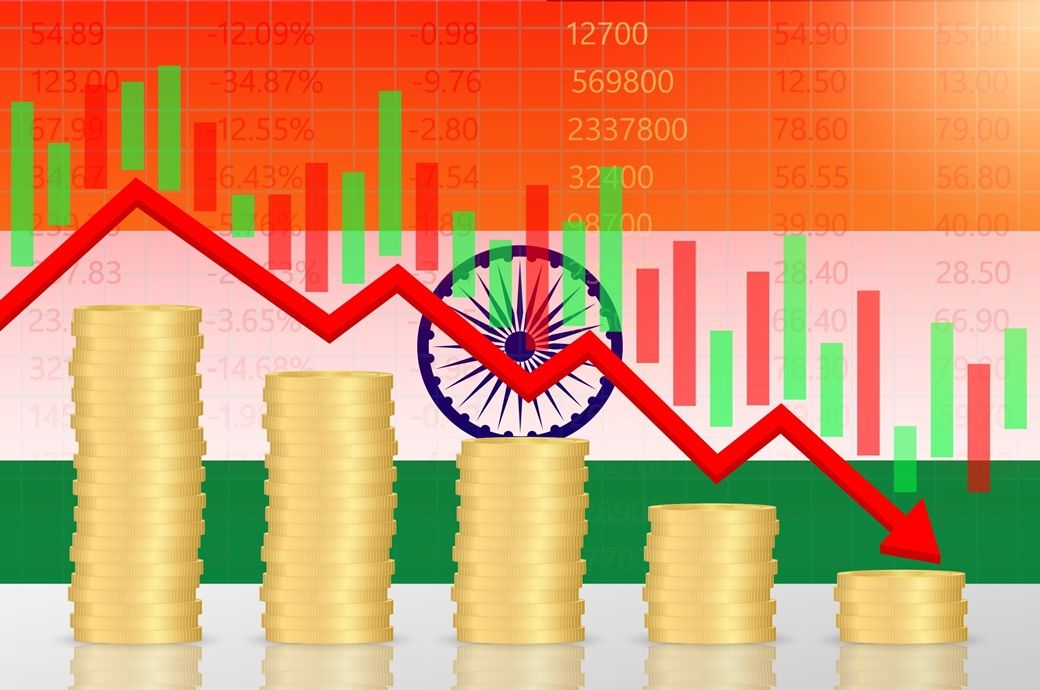
While trends in high frequency indicators for January-February 2026 appear favourable, the heightened uncertainty around the duration of the Middle East conflict casts a shadow on the near-term macroeconomic outlook for India amid high import dependency for items like crude oil, natural gas and fertilisers, it noted.
India’s FY27 GDP growth is likely to slow to 6.5 per cent from the projected 7.5 per cent in FY26 owing to the impact of higher energy prices and concerns around energy availability, ICRA Ratings said.
The heightened uncertainty around the duration of the Iran war casts a shadow on the near-term macroeconomic outlook for India.
If the conflict lasts longer, the adverse effects could widen across sectors.
If the conflict lasts for an extended period, the adverse implications of the same could widen across sectors, amid an uptick in input costs and the consequent impact on profitability of the India corporate sector.
Amid the projected uptrend in the consumer price index-based inflation in FY27 with risks tilted to the upside, ICRA Ratings expects an extended pause on the policy rates by the central bank’s monetary policy committee in the fiscal despite the anticipated softening in the GDP growth. However, it expects the Reserve Bank of India to continue to intervene on the liquidity front during FY27.
The available data for January–February FY2026 indicate a positive trend across most non-agricultural indicators, with the year-on-year performance of 12 out of 18 indicators improving compared to the third quarter of FY26, while the remaining six deteriorated.
Fibre2Fashion News Desk (DS)
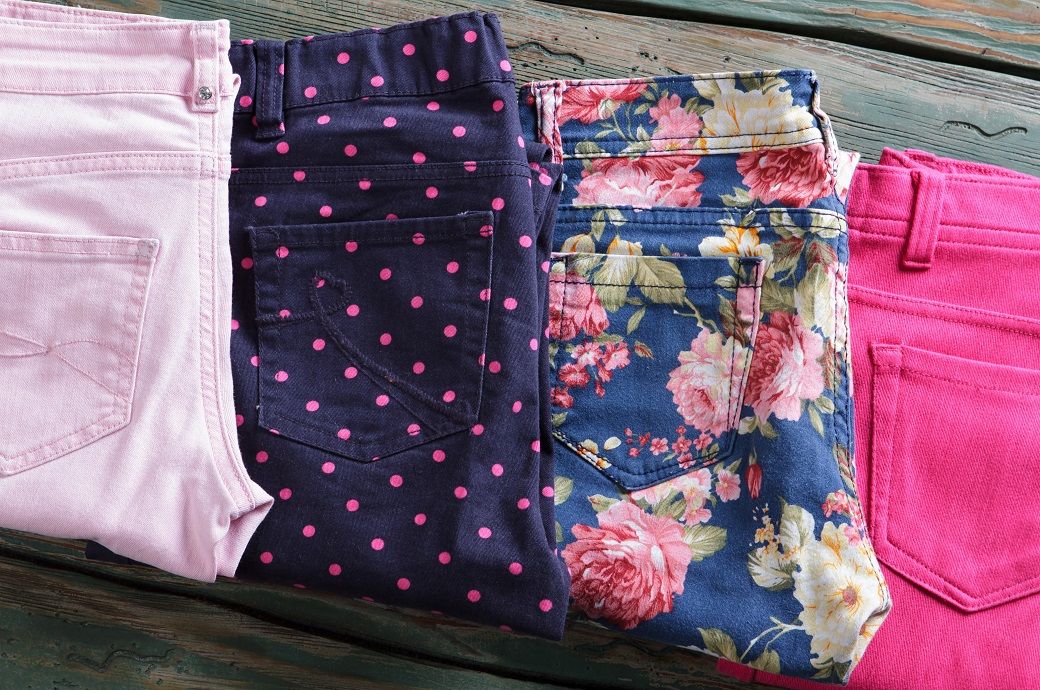
Indonesia’s apparel exports rose modestly to $8.705 billion in 2025 from $8.316 billion in 2024, reflecting gradual recovery.
The US remained dominant, accounting for over 56 per cent of shipments, highlighting growing market dependence.
While Japan, South Korea and Europe offered stability, exports stayed concentrated in key products and segments.
Source link

Methanol prices in India have surged nearly 150 per cent from pre-Iran–US tension levels, tracking a sharp rise in crude oil and tightening global energy markets.
Hormuz disruption risks, limited rerouting capacity, rising freight and insurance costs, and constrained imports are fuelling volatility, with prices seen approaching ₹90 per kg.
Source link


Charleston hires Akron’s John Groce as men’s basketball coach
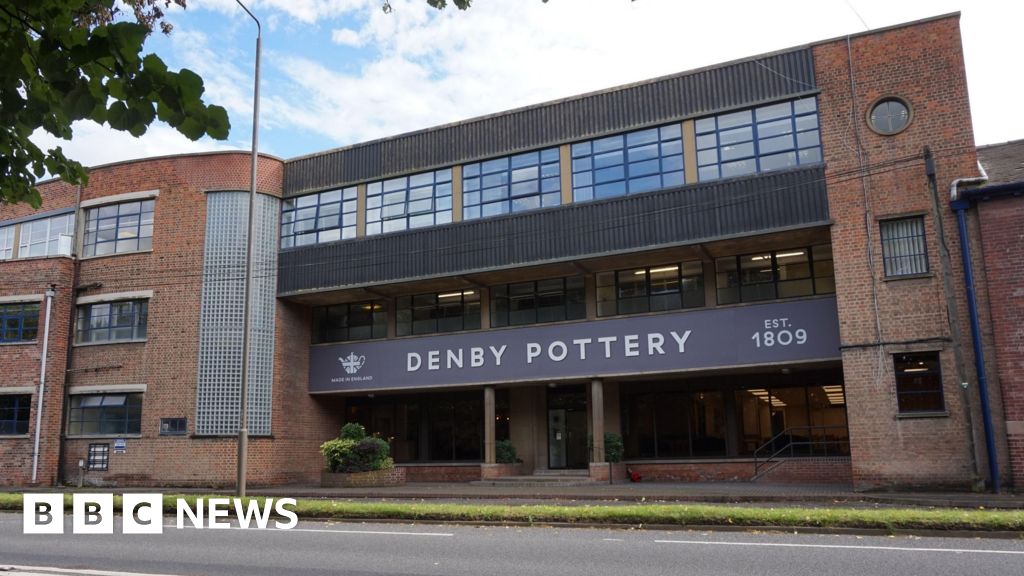
Pottery firm Denby appoints administrators in ‘necessary step’

In a Big Reversal, Zohran Mamdani Tells NYC Agencies to Use TikTok

-

 Politics1 week ago
Afghanistan announces release of detained US citizen
-

 Sports1 week ago
Broadcast industry CEO says consolidation is ‘essential’ to compete for NFL soaring media rights prices
-

 Entertainment1 week ago
UN warns migratory freshwater fish numbers are spiralling
-
 Business1 week ago
Property Play: Home flippers see smallest profits since the Great Recession, real estate data firm says
-

 Tech1 week ago
Can a Home Appliance Fix the Problem of Soft-Plastic Waste?
-
 Business1 week ago
Gold prices soar in Pakistan – SUCH TV
-

 Fashion1 week ago
ICE cotton slips on weaker crude, profit booking
-
 Business1 week ago
More women are entering wealth management, but few are in advisory roles, study finds