

Fashion
Germany’s industrial output falls 0.5% in Jan 2026: Destatis

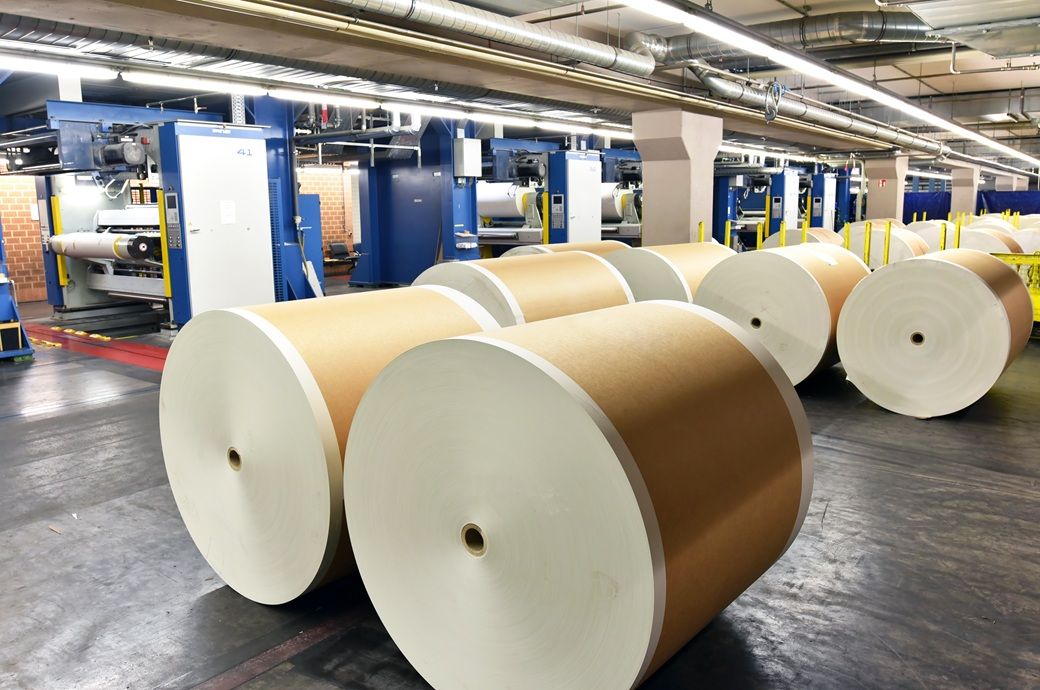
Despite the monthly decline, the less volatile three-month comparison showed production rising 0.9 per cent in the period from November 2025 to January 2026 compared with the previous three months, Destatis said in a press release.
Germany’s industrial production fell 0.5 per cent MoM in January 2026, after a 1 per cent decline in December, while output was 1.2 per cent lower YoY.
Excluding energy and construction, production dropped 2.5 per cent, led by declines in consumer, intermediate and capital goods.
Energy-intensive industries remained under pressure, with production falling.
Energy production also increased 10.3 per cent during the month, partly reflecting exceptionally low temperatures in January, which boosted energy demand.
Excluding energy and construction, industrial production fell 2.5 per cent from December 2025 after seasonal and calendar adjustment. Output declined across major industrial categories, with consumer goods production down 4.2 per cent, intermediate goods down 2.6 per cent, and capital goods falling 1.6 per cent.
Compared with January 2025, industrial production excluding energy and construction decreased 2.6 per cent, highlighting continued weakness in Germany’s manufacturing sector.
Energy-intensive industries also recorded lower activity. Production in energy-intensive industrial branches declined 0.8 per cent MoM in January. Over the three-month period from November 2025 to January 2026, output in these sectors fell 1.8 per cent compared with the preceding three months.
On YoY basis, energy-intensive industrial production dropped 4.3 per cent, underscoring ongoing pressures on Germany’s heavy industries amid volatile energy markets and subdued industrial demand.
Fibre2Fashion News Desk (SG)








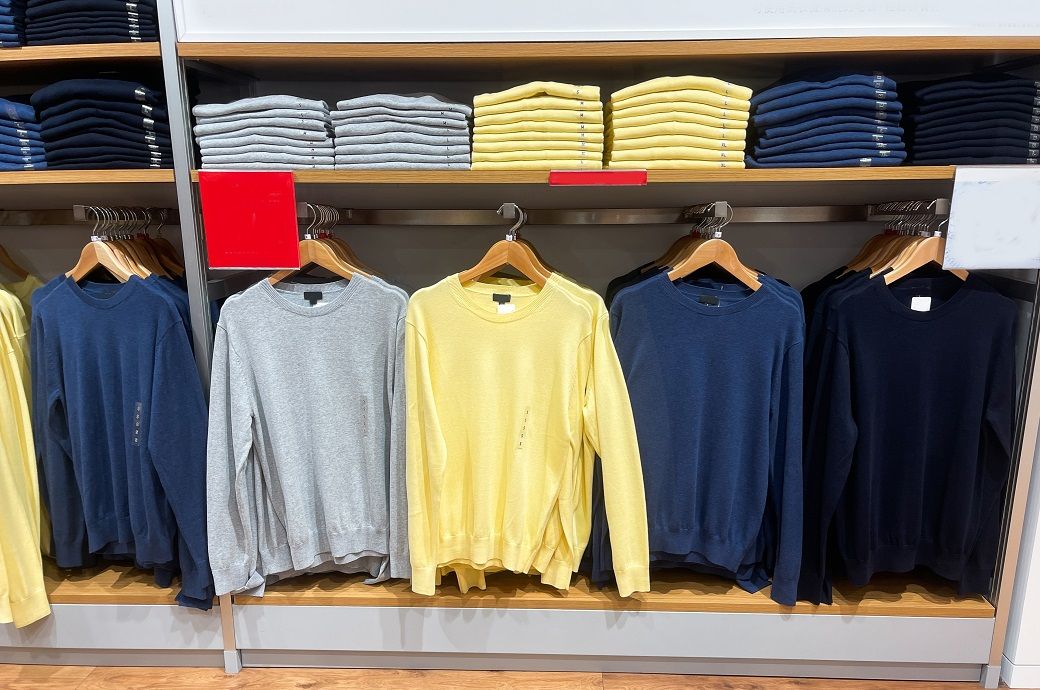
Imports of knitted apparel (HS **) eased to NZ$*,***.** million (~$***.** million) from NZ$*,***.** million, registering a decline of *.* per cent. Similarly, non-knitted apparel (HS **) imports fell to NZ$***.** million (~$***.** million) from NZ$***.** million, down *.* per cent. The parallel softness across both segments indicates broad-based stabilisation in garment demand rather than category-specific weakness.
In contrast, textile fabric imports (HS **) showed strong growth, rising to NZ$**.** million (~$**.** million) in fiscal ****–** from NZ$**.** million in the previous fiscal, marking an increase of **.* per cent. This suggests relatively steady demand for intermediate inputs even as finished apparel imports softened.
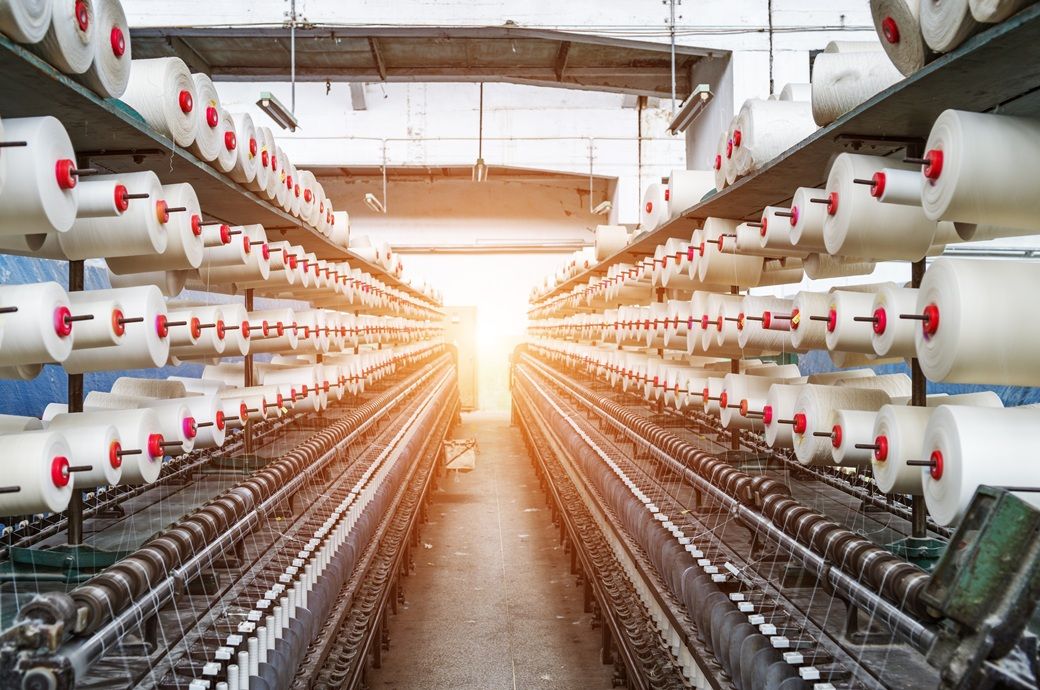
State officials are hopeful of the conference helping accelerate the industrial development of South Gujarat by attracting large-scale investments.
The Vibrant Gujarat Regional Conference, scheduled to be held on May 1-2 in Surat, is expected to create direct connections between global buyers and local manufacturers, facilitate technology transfer and draw FDI into key sectors, including textiles.
Alongside the conference, the Vibrant Gujarat Regional Exhibition (VGRE) will also be held at the same venue from May 1 to 5.
A new state textile policy implemented in 2024 offers capital subsidies ranging from 10 to 35 per cent for new units and aims at expanding employment opportunities through value addition across the supply chain. The conference is expected to align state policy initiatives with industry requirements.
Alongside the conference, the Vibrant Gujarat Regional Exhibition (VGRE) will also be held at the same venue from May 1 to 5. The exhibition will also showcase the achievements of micro, small and medium enterprises, and handicraft and cottage industries, an official release said.
The last such conference was organised in Rajkot.
Fibre2Fashion News Desk (DS)

India signed the India–New Zealand Free Trade Agreement on ** April **** at Bharat Mandapam, New Delhi, eliminating tariffs on *** per cent of New Zealand’s *,*** tariff lines from Day * of entry into force. For Indian textile and apparel exporters, the deal resolves a structural anomaly: until this week, India was the only major textile supplier still paying MFN duty in New Zealand, while China (NZ–China FTA, ****), Bangladesh (LDC scheme), Vietnam and Indonesia (CPTPP and RCEP) all entered duty-free. Concluded in a record nine months after Prime Ministers Modi and Luxon launched negotiations in March ****, the pact is India’s seventh FTA in three and a half years, anchoring a textile-trade diversification strategy targeting USD *** billion in exports by ****.
TexPro trade intelligence reveals a highly asymmetric and complementary bilateral flow. India exports a diversified $*** million textile basket to New Zealand, while importing nearly $** million, of which **.* per cent is raw wool (HS **). This is not competition; it is a fibre-to-finished-goods value chain waiting to be formalised.


New Zealand’s apparel imports dip slightly to $1.18 bn in FY2025–26

Prince Harry sets ‘non-negotiable’ condition for Meghan in UK plans

VGRC in India’s Gujarat to attract FDI into Surat’s textile sector

-

 Politics1 week ago
UK’s Starmer seeks to deflect blame over Mandelson appointment
-
 Business1 week ago
How Trump’s psychedelics executive order could unlock stalled cannabis reform
-

 Entertainment1 week ago
Lee Anderson, Zarah Sultana kicked out of UK Parliament for calling PM ‘liar’
-
 Business1 week ago
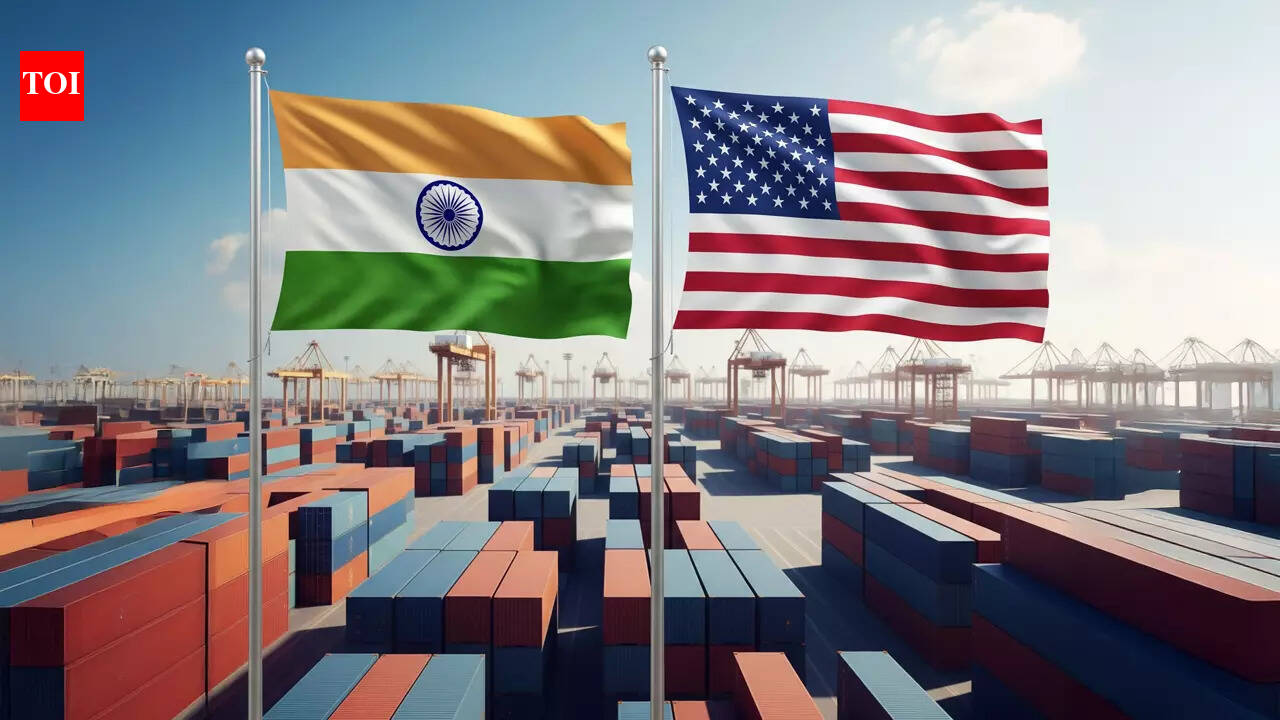
Us-India Trade Talks: US–India trade deal: Where do talks stand & what to expect – explained – The Times of India
-

 Fashion1 week ago
India, US to resume BTA talks today
-

 Tech1 week ago
A Humanoid Robot Set a Half-Marathon Record in China
-
 Business1 week ago
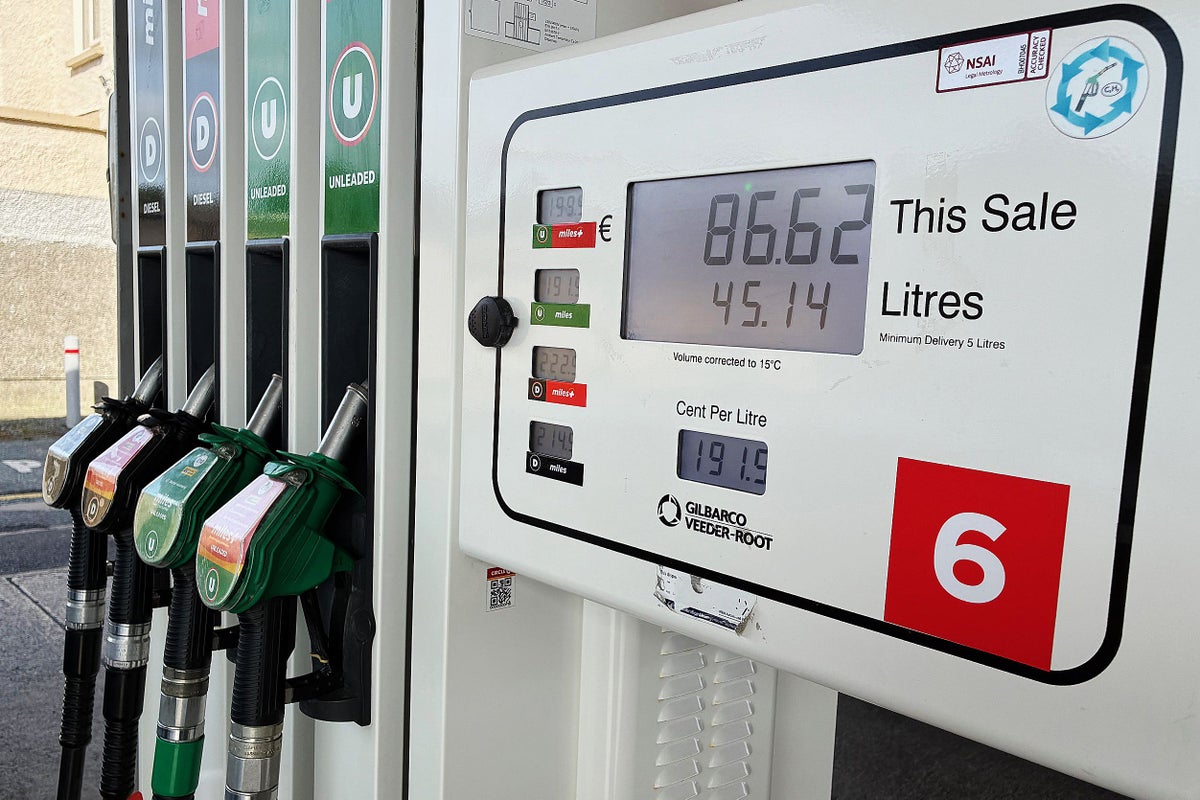
UK inflation accelerates after Iran war drives sharp rise in fuel prices
-

 Sports1 week ago
‘It’s his superpower’: Inside Fernando Mendoza’s extraordinary rise to No. 1