

Fashion
Germany’s wholesale prices rise 1.2% YoY in January


The annual rate matched the 1.2 per cent rise recorded in December 2025, though it was slightly below the 1.5 per cent increase seen in November.
Germany’s wholesale selling prices rose 1.2 per cent year on year in January 2026, matching December’s rate but easing from 1.5 per cent in November, according to Destatis.
On a month-on-month basis, prices increased 0.9 per cent from December, indicating firmer momentum at the start of the year and a continuation of moderate wholesale inflation trends.
On a month-on-month basis, wholesale prices climbed 0.9 per cent in January compared with December 2025, signalling renewed upward momentum at the start of the year, Destatis said in a press release.
Fibre2Fashion News Desk (SG)







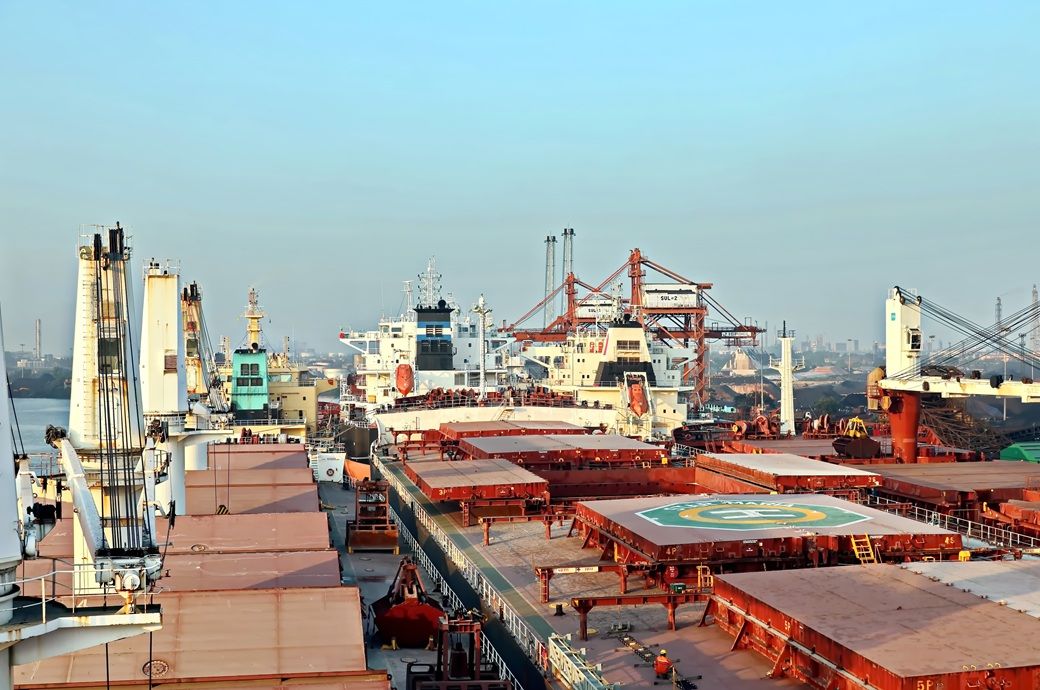
Sarbananda Sonowal, Union Minister of Ports, Shipping and Waterways, said, “The record cargo handling of over 915 million tonnes by our major ports is a testament to the government’s unwavering commitment to strengthening India’s maritime sector. We are building world-class port infrastructure, improving efficiency, and enabling seamless logistics to support India’s growing economy.”
Among the ports, Deendayal Port Authority led with 160.11 MT, followed by Paradip Port Authority at 156.45 MT and Jawaharlal Nehru Port Authority (JNPA) at 102.01 MT. Other major contributors included Visakhapatnam, Mumbai, Chennai, and New Mangalore ports. In terms of growth, Mormugao Port Authority recorded the highest increase at 15.91 per cent, followed by Kolkata Dock System at 14.28 per cent and JNPA at 10.74 per cent, the ministry said in a press release.
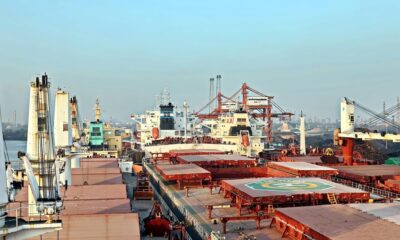
India’s major ports handled a record 915.17 MT of cargo in FY 2025-26, exceeding the 904 MT target and growing 7.06 per cent YoY, according to the Ministry of Ports, Shipping and Waterways.
The rise was driven by infrastructure upgrades, digitalisation, and improved logistics, with Deendayal, Paradip and JNPA leading volumes.
Strong gains were seen in Mormugao and Kolkata ports.
The growth has been supported by capacity expansion, enhanced multimodal connectivity, digitalisation initiatives, and increased handling of commodities such as coal, crude oil, containers, fertilisers, and petroleum, oil, and lubricants (POL). Improved turnaround time and ease of doing business have also contributed to higher cargo volumes.
The ministry continues to focus on port-led development, logistics integration, and sustainability under the Maritime Amrit Kaal Vision 2047, aiming to strengthen India’s position in global trade.
Fibre2Fashion News Desk (JP)
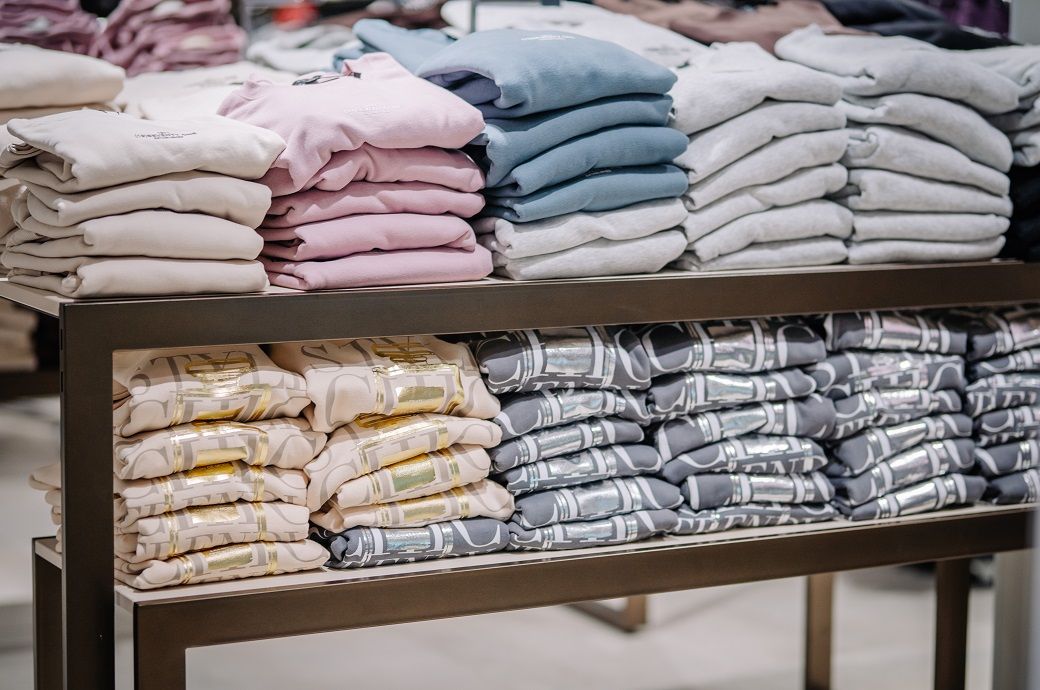
Turkiye’s apparel exports fell 2.88 per cent YoY to $2.599 billion in January-February 2026, pressured by weak EU demand, which accounts for nearly 70 per cent of shipments.
Knitted exports dipped 1.6 per cent, while woven declined 4.6 per cent.
Rising costs and currency volatility continue to erode competitiveness, extending a three-year export decline trend.
Source link
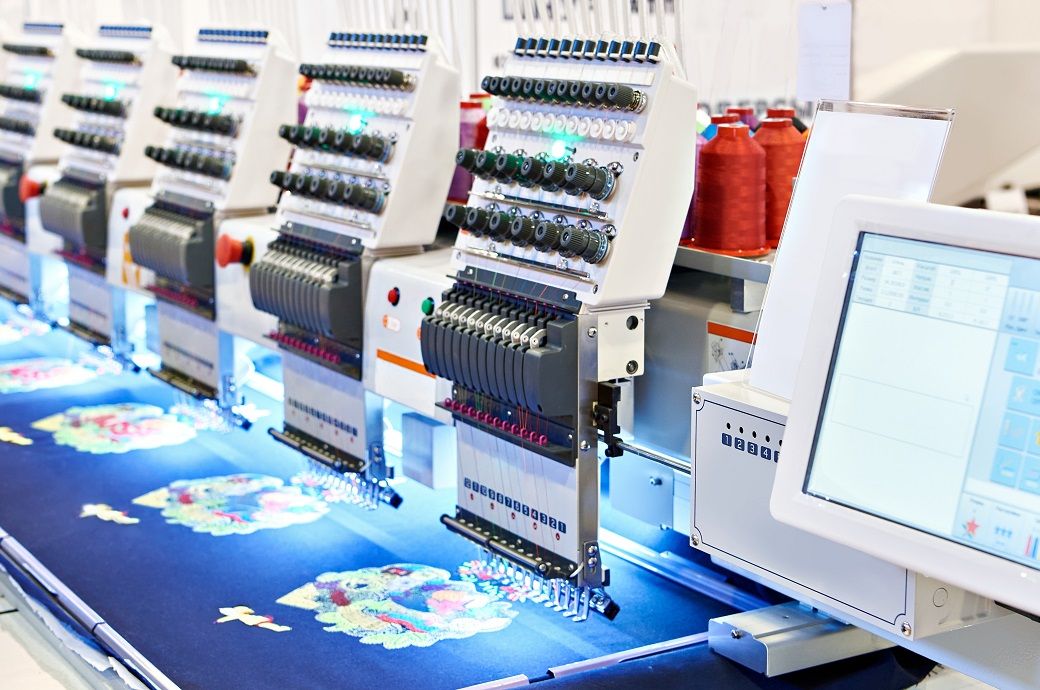
During a session conducted jointly by the Tiruppur Exporters’ Association (TEA) and Adani Total Gas, K. M. Subramanian, President, TEA, highlighted that gas connectivity will become an essential requirement for industries in the coming years, adding that Adani Total Gas is prepared to accelerate PNG rollout in Tiruppur.
Tiruppur’s textile industry is accelerating its shift towards PNG as LPG shortages and rising energy costs disrupt operations.
With production costs up nearly 15 per cent and ESG compliance tightening, PNG is emerging as a reliable and cleaner alternative, helping exporters ensure supply stability, meet global standards, and sustain competitiveness.
He also pointed to upcoming Digital Product Passport (DPP) regulations which will mandate stricter digital monitoring and sustainability compliance across production processes under European ESG norms.
Kumar Duraiswami, Joint Secretary, TEA underscored PNG as a strategic necessity rather than a temporary alternative. He stated that the adoption of PNG is not merely a response to any temporary geopolitical situation, but an essential step as the global industry moves towards sustainable production.
He further noted that exporters to Europe will be required to comply with ESG norms within the next two years, necessitating a gradual shift away from fuels such as LPG and coal.
According to a TEA press release, industry concerns over rising costs were also flagged, with Subramanian noting that energy shortages have already pushed production costs up by nearly 15 per cent, creating operational challenges. He stressed the need for a stable and reliable gas supply to sustain Tiruppur’s large manufacturing ecosystem and urged faster implementation of PNG infrastructure.
Providing operational insights, K. R. Venkatesan, Cluster Head at Adani Total Gas, outlined PNG connectivity availability, registration procedures, and industrial pricing, while Karthik B, Joint Marketing Manager, elaborated on practical applications and addressed industry queries during the session.
Tiruppur’s move towards PNG reflects a broader transition in India’s textile sector, where cleaner energy adoption is becoming central to ensuring supply security, cost stability, and compliance with evolving global sustainability standards.
Fibre2Fashion News Desk (KUL)


How Dusty May and Michigan turned a team of transfers into a national champion

India’s major ports handle record 915 MT cargo in FY 2025-26

Turkiye’s apparel exports ease 2.8% in Jan-Feb 2026

-
Uncategorized4 days ago
[CinePlex360] Please moderate: “Trump signals p
-
Uncategorized1 week ago
[CinePlex360] Please moderate: “Further tariff
-

 Tech3 days ago
Our Favorite iPad Is $50 Off
-

 Entertainment3 days ago
Joe Jonas shares candid glimpse into parenthood with Sophie Turner
-
 Fashion6 days ago
China’s Anta Sports posts record $11.62 bn revenue in 2025
-
 Business6 days ago
UPI transactions hit record Rs 29.53 lakh crore in March; volumes cross 22.6 billion – The Times of India
-

 Politics1 week ago
Trump considers asking Arab allies to help to pay for Iran war
-

 Sports1 week ago
Fakhar Zaman denies ball-tampering charge in PSL match | The Express Tribune