

Fashion
Global commodity prices to hit six-year low in 2026: World Bank

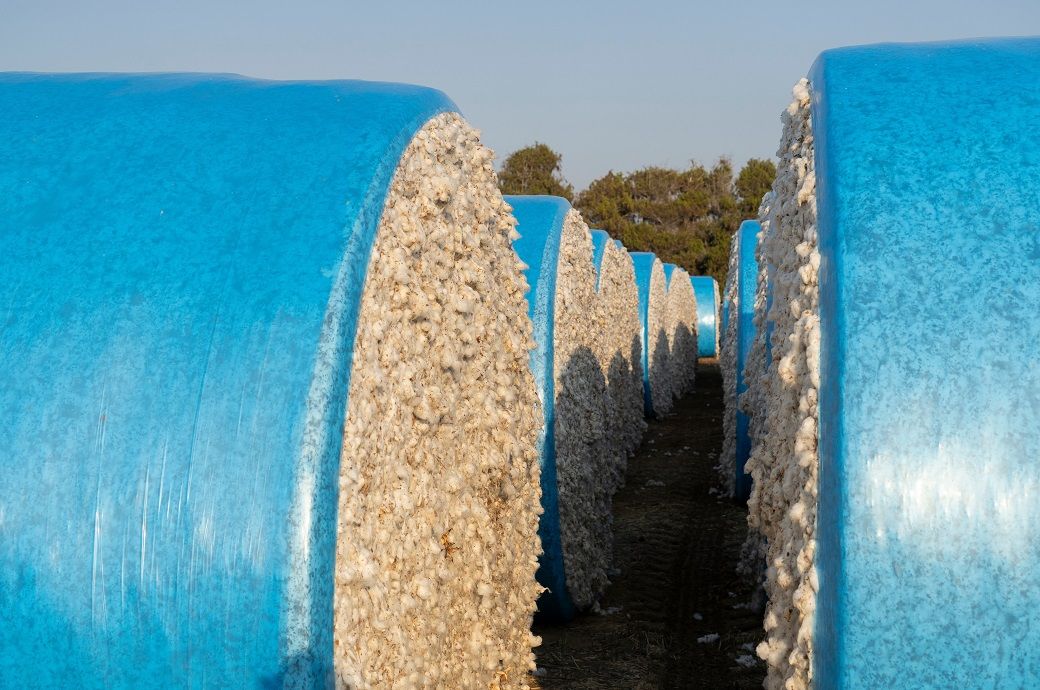
Falling energy prices are helping to ease global inflation, while lower rice and wheat prices have helped make food more affordable in some developing countries. Despite the recent declines, however, commodity prices remain above pre-pandemic levels, with prices in 2025 and 2026 projected to be 23 per cent and 14 per cent higher, respectively, than in 2019.
“Commodity markets are helping to stabilise the global economy. Falling energy prices have contributed to the decline in global consumer-price inflation. But this respite will not last. Governments should use it to get their fiscal house in order, make economies business-ready, and accelerate trade and investment,” Indermit Gill, the World Bank Group’s chief economist and senior vice president for development economics, said in a press release.
World Bank forecasts global commodity prices to fall seven per cent in 2025 and 2026, hitting a six-year low amid weak growth, rising oil surpluses, and policy uncertainty.
Energy prices are expected to drop further, helping cool inflation.
The World Bank urges governments to use this window for fiscal reform, while warning that geopolitical and climate shocks could reverse the downward trend.
The global oil glut has expanded significantly in 2025 and is expected to rise next year to 65 per cent above the most recent high, in 2020. Oil demand is growing more slowly as demand for electric and hybrid vehicles grows and oil consumption stagnates in China. Brent crude oil prices are forecast to fall from an average of $68 in 2025 to $60 in 2026—a five-year low. Overall, energy prices are forecast to fall by 12 per cent in 2025 and a further 10 per cent in 2026.
Commodity prices could fall more than expected during the forecast horizon if global growth remains sluggish amid prolonged trade tensions and policy uncertainty. Greater-than-expected oil output from OPEC+ could deepen the oil glut and exert additional downward pressure on energy prices. Electric-vehicle sales, which are expected to increase sharply by 2030, could further depress oil demand.
Conversely, geopolitical tensions and conflicts could push oil prices higher and boost demand for safe-haven commodities such as gold and silver. In the case of oil, the market impact of additional sanctions could also lift prices above the baseline forecast. Extreme weather from a stronger-than-expected La Niña cycle could disrupt agricultural output and increase electricity demand for heating and cooling, adding further pressure to food and energy prices.
“Lower oil prices provide a timely opportunity for developing economies to advance fiscal reforms that promote growth and job creation,” said Ayhan Kose, the World Bank’s deputy chief economist and director of the Prospects Group. “Phasing out costly fuel subsidies can free up resources for infrastructure and human capital—areas that create jobs and strengthen long-term productivity. Such reforms would help shift spending from consumption to investment, rebuilding fiscal space while supporting more durable job creation.”
Fibre2Fashion News Desk (KD)
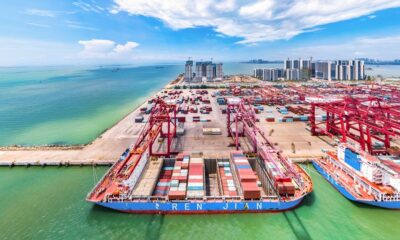






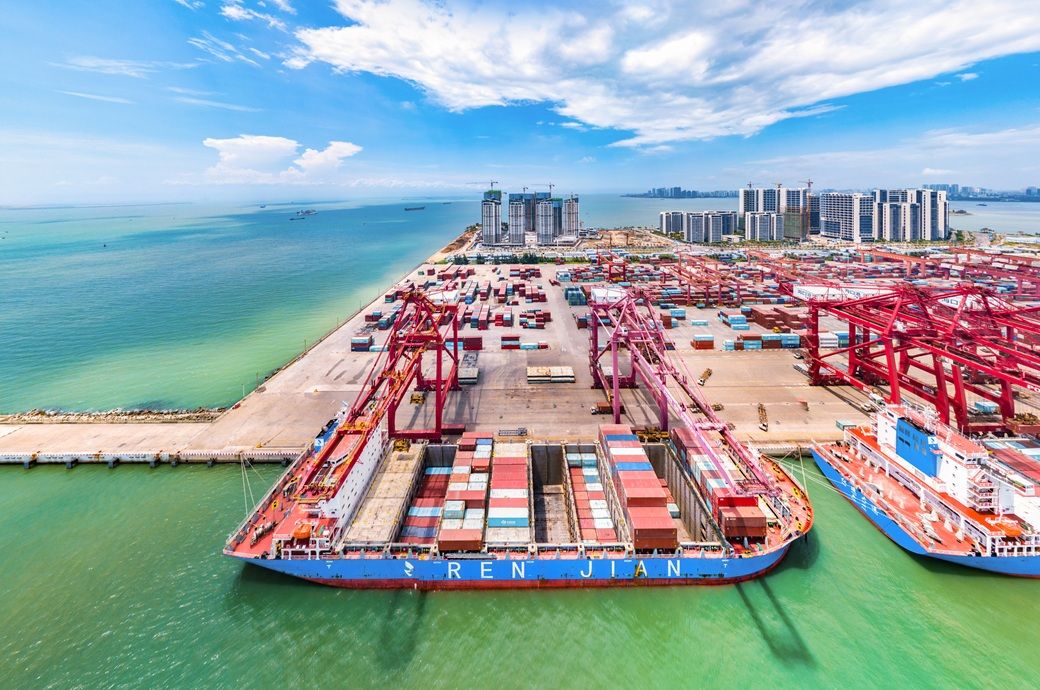
Official data showed that 186 transactions were completed under the zero-tariff policy, covering goods worth nearly ¥1.7 billion (~$236 million), reflecting a 1.46-fold rise compared to the previous year. The policy also resulted in duty exemptions totalling ¥271 million (~$37.6 million).
The figures were released at a press conference held ahead of the 100-day milestone of the policy’s implementation.
Hainan Free Trade Port recorded trade exceeding ¥80 billion (~$11.6 billion) in its first 100 days of special customs operations, up 32.9 per cent YoY.
A total of 186 zero-tariff transactions were completed, covering goods worth ¥1.7 billion (~$236 million), while duties worth ¥271 million (~$37.6 million) were exempted, reflecting strong early momentum.
Launched on December 18, the island-wide special customs operations aim to facilitate smoother entry of overseas goods, expand the scope of zero-tariff items, and create a more business-friendly trade environment.
Positioned as the world’s largest free trade port by area, Hainan FTP is expected to play a strategic role in advancing China’s trade liberalisation and economic openness.
Fibre2Fashion News Desk (JP)
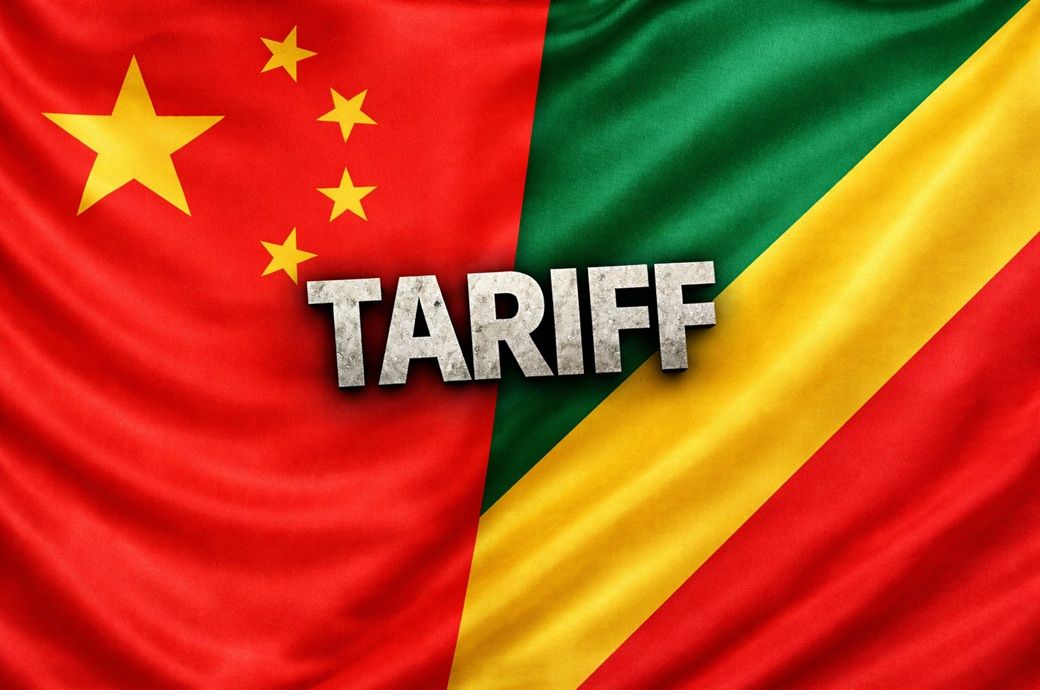
The measure implements tariff reduction commitments made under the ‘Early Harvest Arrangement of the Agreement on Economic Partnership for Shared Development’ between the two countries.
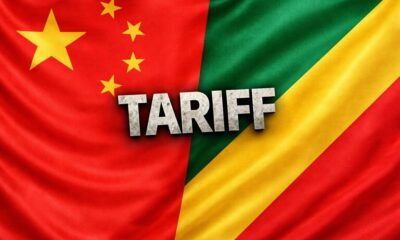
China will implement preferential tariff rates on selected imports from the Republic of the Congo starting April 1 under the Early Harvest Arrangement of their economic partnership agreement.
The move announced by the Customs Tariff Commission, is aimed at fulfilling tariff reduction commitments, enhancing bilateral trade cooperation and advancing long-term economic ties between the two countries.
The commission said the move is in line with China’s tariff law and reflects the country’s continued efforts to expand opening-up and strengthen trade ties with African partners.
Officials stated that the preferential tariff treatment will help deepen bilateral economic and trade cooperation and support the development of a higher-level community with a shared future between China and the Republic of the Congo.
The Early Harvest Arrangement, signed in November 2025, marked the first such agreement of its kind between China and an African country, paving the way for broader market access and phased tariff reductions.
Fibre2Fashion News Desk (JP)
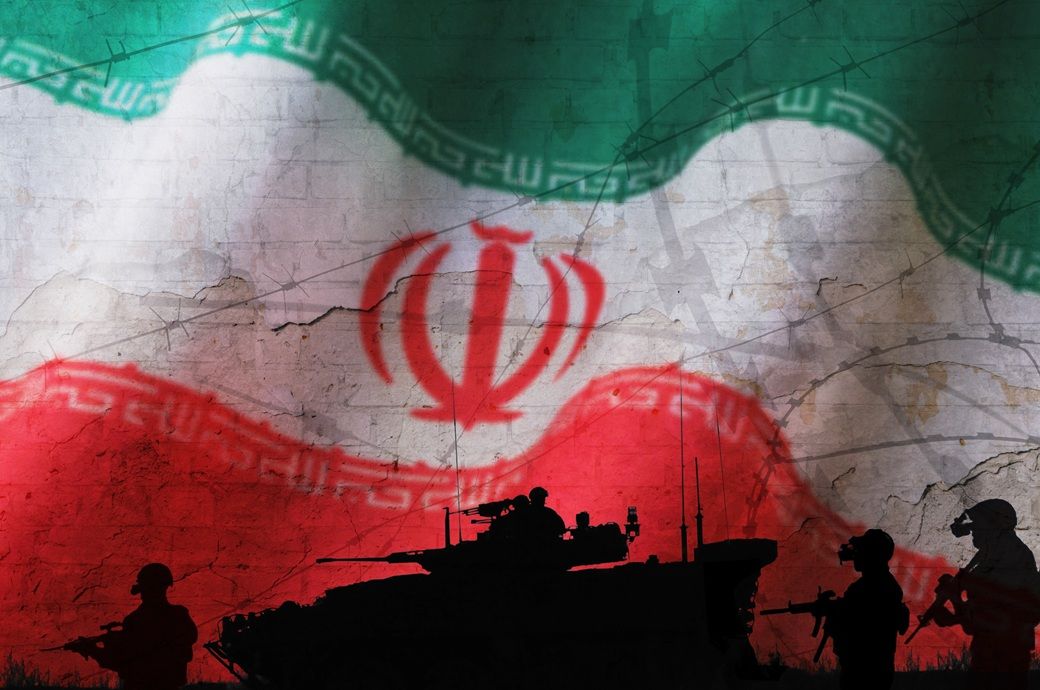
These countries are particularly vulnerable to rising oil prices and potential supply disruptions, it noted in a recent article.
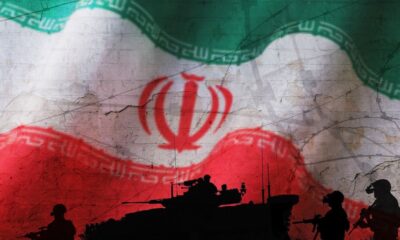
The Iran war poses a greater risk to Bangladesh, Pakistan and Sri Lanka, and to a lesser extent Laos, due to their high dependence on imported energy and limited reserves, S&P Global Ratings said.
These countries are particularly vulnerable to rising oil prices and potential supply disruptions.
All four governments are likely to see significant credit metric deteriorations, if the conflict is prolonged.
In our base case scenario, the war is unlikely to have a material impact on our sovereign ratings on these countries, but a more prolonged price and supply shock in global energy markets could cause more pronounced credit damage.
Pakistan, Sri Lanka, and Bangladesh are showing signs of economic recovery. The three countries have made progress, but sustained high energy prices and potential disruptions to trade and remittances could derail their fragile economies.
S&P Global Ratings believes the higher-income Asia-Pacific (APAC) economies are better placed to weather temporary disruptions to oil and gas supply from the Middle East.
Even where they are highly dependent on imported energy, they generally have more significant oil reserves to meet the shortfall in imports. They also have financial resources to acquire available supply in the spot oil and gas markets to secure needed energy, the rating agency noted.
Lower-income economies in the region do not enjoy such flexibility. The sovereign ratings on some may face pressure if the supply disruption persists longer than our assumptions. Bangladesh, Laos, Pakistan and Sri Lanka are among this group. These economies have one thing in common: a high dependence on imported energy products.
The Middle East war is likely to have a more severe impact on these economies, due to their fuel import bills, and generally weaker fiscal and external reserves to withstand supply shortages and high oil prices.
Among the four sovereigns, Laos is likely to fare better due to the dominance of hydropower in its energy mix.
Bangladesh, with government revenues at only around 9 per cent of gross domestic product, has fewer options to cap electricity and fuel prices through fiscal means.
All four governments are likely to see significant credit metric deteriorations, through inflation and currency channels, if the Middle East conflict is prolonged. However, the impact on the agency’s ratings on these sovereigns may be limited, as the generally low rating levels have already captured a significant share of the risks.
S&P Global Ratings’ base case for the Middle East war assumes that elevated hostilities will persist into early April, with the Strait of Hormuz facing material disruptions.
Fibre2Fashion News Desk (DS)


Hainan free trade port crosses $11.6 bn trade in 100 days

Antonio Banderas opens up on ethnic stereotyping in Hollywood

Trump hints at future target, raises stakes after Iran, Venezuela moves

-
 Business1 week ago
Flipkart group CFO to leave co amid IPO plans – The Times of India
-
 Business1 week ago
Video: The Effects of High Oil Prices
-

 Fashion7 days ago
China’s textile & apparel exports surge 17% to $50 bn in Jan-Feb 2026
-

 Sports1 week ago
Rating Adidas’ 2026 World Cup away shirts: Argentina, Spain, Mexico and more
-

 Fashion1 week ago
The hidden $1.62 war tax now embedded in every garment you source
-

 Sports1 week ago
American Conference Commissioner Tim Pernetti thanks Trump for Army-Navy game executive order
-
Tech1 week ago
The Corsair 4000D RS PC Case Keeps Your System Cool
-

 Tech1 week ago
‘Uncanny Valley’: Nvidia’s ‘Super Bowl of AI,’ Tesla Disappoints, and Meta’s VR Metaverse ‘Shutdown’