

Business
Gold Prices Stable at Record Levels as Rupee Strengthens – SUCH TV


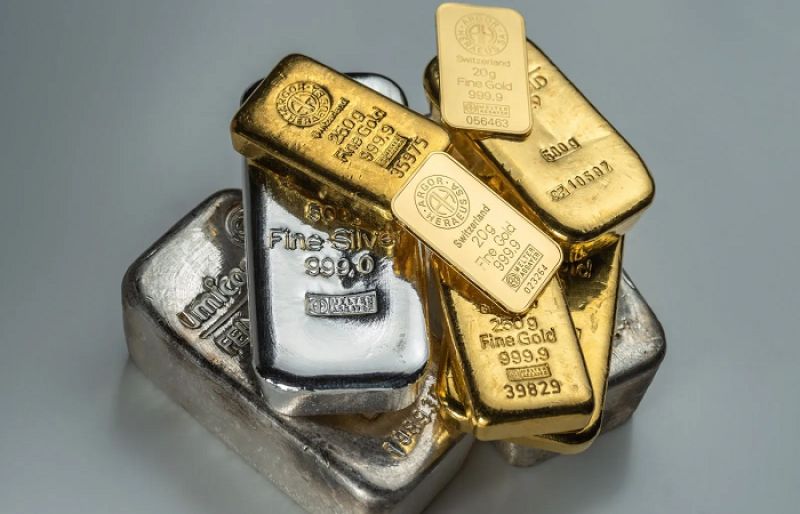
Gold prices in Pakistan remained stable on Wednesday, with one tola priced at Rs388,100, following a record high the previous day, according to the All Pakistan Sarafa Gems and Jewellers Association (APSGJA).
The rate for 10 grams of gold also stayed steady at Rs332,733, reflecting a pause in market fluctuations.
In the international market too, gold remained steady at $3,654 per ounce, hovering close to its all-time high.
Supported by expectations that the US Federal Reserve may resume rate cuts at its upcoming policy meeting after softer-than-expected inflation data.
Silver prices also stayed unchanged, with one tola selling for Rs4,358.
Commenting on the global outlook, Interactive Commodities Director Adnan Agar said gold was “near the low of its all-time high” but its next course would depend on the US inflation data.
“If inflation eases, it will fuel hopes of a Fed rate cut and work in gold’s favour,” he noted.
However, Agar cautioned that gold was overbought, making the market prone to a correction of $80 to $100 before moving towards $3,700.
“If prices continue to rise without a correction, the eventual pullback could be much sharper – possibly in the range of $200 to $250,” he warned.
Spot gold was up 0.5% at $3,644.49 per ounce, as of 11:06 am EDT (1506 GMT), after hitting a record high of $3,673.95 on Tuesday.
According to Reuters. US gold futures for December delivery were up 0.1% at $3,684.10.
US producer prices unexpectedly fell in August, pulled down by a decline in the cost of services, the Labour Department data showed.
Meanwhile, the Pakistani rupee extended its upward streak against the US dollar, posting a slight gain in the inter-bank market.
The local currency closed at 281.60 per dollar, up by a nominal one paisa from the previous day’s close at 281.61.
This marked the rupee’s 24th consecutive session of appreciation against the greenback.
In global markets, the US dollar held steady as investors awaited key US inflation data in the current week, which is expected to shape the Federal Reserve’s upcoming policy decision.
Following a weak jobs report last week that reinforced expectations of a rate cut at the Fed’s September 16-17 meeting, the debate now centres on whether the reduction will be 25 or 50 basis points.
The outcome will hinge on inflation trajectory, particularly the impact of tariffs on US prices.
Producer price inflation figures were due on Wednesday, followed by the consumer price index on Thursday.





new video loaded: How Kharg Island May Change the Trajectory of the Iran War
By Peter Eavis, Gilad Thaler, Edward Vega, Lauren Pruitt and Joey Sendaydiego
March 25, 2026
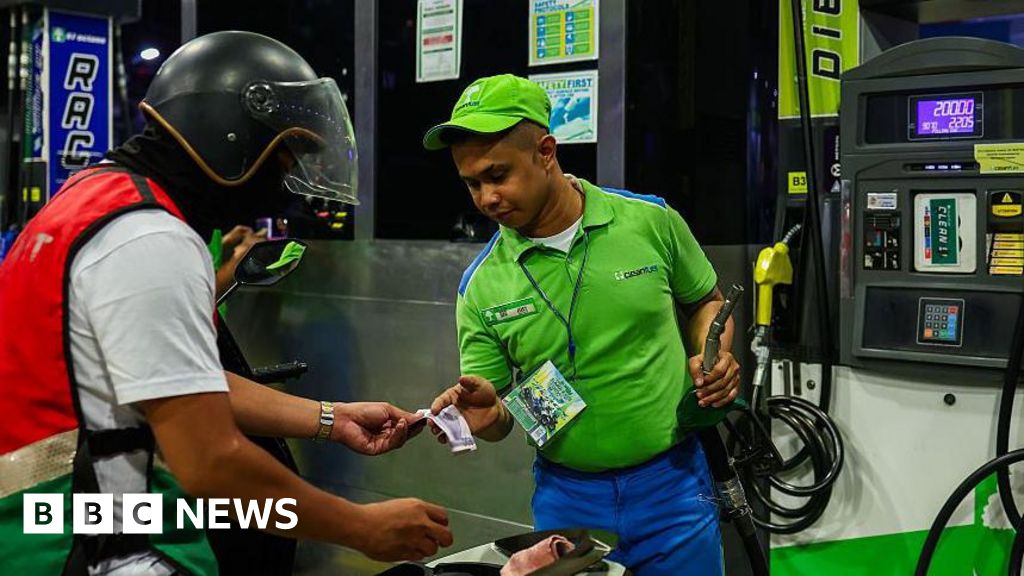
Crude rose back above $100 a barrel as the US and Iran clashed over bringing the conflict to an end.
Source link

Key Points
- JLL has a major footprint in the Middle East, managing and leasing properties in Dubai and Abu Dhabi in the United Arab Emirates and in Riyadh, Saudi Arabia.
- CEO Christian Ulbrich said the business impacts of the Iran war depend on how long the conflict lasts.
- “It’s a tragedy from a point that the region was on a really strong growth trajectory, and this is, at the moment at least, interrupted for the time being,” Ulbrich said.


Trump to visit China in May after Iran war delay
Video: How Kharg Island May Change the Trajectory of the Iran War
Oil prices volatile as Trump talks up Iran negotiations

Sales at US apparel, clothing accessories stores up 4% YoY in Jan 2026

Justice Department Says Anthropic Can’t Be Trusted With Warfighting Systems

March Madness 2026 – How to watch in SA, start time, schedule, TV channel for NCAA championship basketball tournament

-
 Fashion1 week ago
Sales at US apparel, clothing accessories stores up 4% YoY in Jan 2026
-
 Tech1 week ago
Justice Department Says Anthropic Can’t Be Trusted With Warfighting Systems
-
 Sports1 week ago
March Madness 2026 – How to watch in SA, start time, schedule, TV channel for NCAA championship basketball tournament
-
 Business1 week ago
Stocks and pound rise as US rate call approaches
-

 Entertainment1 week ago
Val Kilmer revived 1 year after death through AI
-
 Business1 week ago
Brits cashing in jewellery as gold price hits record high
-

 Politics1 week ago
Iran strikes Tel Aviv with cluster-warhead missiles in retaliation of Larijani’s martyrdom
-

 Sports1 week ago
WBC championship: USA-Venezuela preview, live updates, analysis