

Business
GST Collections Rise 9.1% to Rs 1.89 lakh Crore In September, Marking 2nd Consecutive Growth

New Delhi: India’s Goods and Services Tax (GST) collections continued their upward trajectory in September 2025, rising by 9.1 per cent to Rs 1,89,017 crore compared to Rs 1,73,240 crore in the same month last year.
According to the data released on Wednesday, the figures mark the second consecutive month of robust growth in GST revenues, reflecting sustained economic activity and improved compliance.
Last month the GST collections increased by 6.5 per cent year-on-year to 1.86 lakh crore in August.
In September, the growth is driven by the domestic component, where CGST, SGST, IGST, and Cess collections all showed positive monthly increases.
The collection data indicates steady growth in GST collections and net revenues for the month, supported by healthy domestic consumption, rising imports, and a significant increase in refunds processed during the month.
India’s Goods and Services Tax (GST) system has achieved a major milestone in 2024-25, with a record gross collection of Rs 22.08 lakh crore, showing a 9.4 per cent growth over the previous year.
Daily-use products, packaged foods, and personal care items have been shifted to the 5 per cent slab from 12 to 18 per cent earlier. Companies are expected to cut prices by 4 to 6 per cent, improving affordability and boosting rural demand. Staples such as paneer, chapati and khakhra have even been moved to the zero-tax bracket, making essentials like these cheaper.
Rolled out on September 22, the rationalised GST rates have set the stage for major sectoral transformation by rationalising tax slabs, simplifying compliance, and addressing long-standing issues such as the inverted duty structure.
According to the experts, GST 2.0 has ushered in structural relief across critical sectors, the reforms are likely to accelerate growth by supporting consumption, easing compliance, and strengthening MSMEs, even as luxury and sin goods have been placed in the higher 40 per cent bracket to safeguard revenue loss.
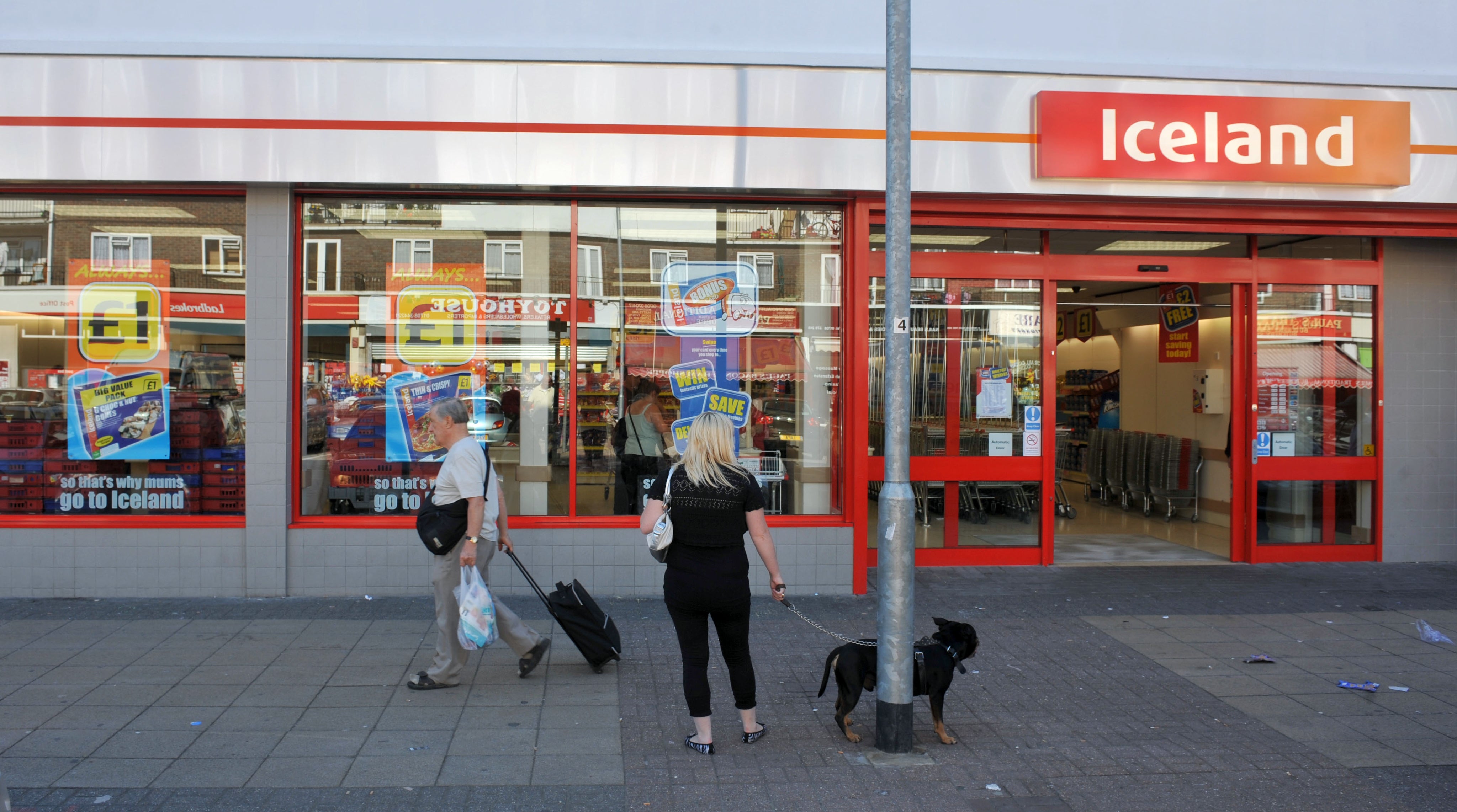
Ads for supermarkets Lidl and Iceland have become the first to be banned under new rules governing “less healthy” food and drink.
The rules, which came into effect at the beginning of the year, are part of Government efforts to tackle childhood obesity by preventing ads for food and drink that is high in fat, salt and sugar (HFSS) appearing on television between 5.30am and 9pm, and online at any time.
The new ban applies to products that fall within 13 categories considered to play the most significant role in childhood obesity, including soft drinks, chocolates and sweets, pizzas and ice creams, but also breakfast cereals and porridges, sweetened bread products, and main meals and sandwiches.
Products that fall into these categories are than also assessed as to whether they are “less healthy” based on a scoring tool that considers their nutrient levels and whether products are high in saturated fat, salt or sugar.
Only products that meet both of the two criteria are included in the restrictions.
The Advertising Standards Authority (ASA) said an Instagram post for Lidl Northern Ireland by influencer Emma Kearney featured the grocer’s cheese pretzel, which was not categorised as HFSS and therefore did not fall within the restrictions, and its Pain Suisse product, which was classified as both HFSS and a sweetened bread product and was therefore banned under the new rules.
Lidl said the ad had been removed and they had liaised with their marketing agency to ensure that all future ads complied with the new rules.
In a separate case, Iceland confirmed that two ads included a tub of Swizzles Sweet Treats, a packet of Chupa Chups Laces, a bag of Chooee Disco Stix and a bag of Haribo Elf Surprises, which were all classified as HFSS.
They also provided nutrient profile information from their supplier which confirmed that Pringles Sour Cream & Onion crisps, also included in the ads, were not an HFSS product.
Iceland’s Luxury Aberdeen Angus Beef Roasting Joint, Vegetable Spring Rolls, Sticky Chicken Skewers and Lurpak Spreadable Butter, which were also included in the ads, did not fall within the new restrictions.
The ASA did not uphold a complaint against an Instagram post by influencer John Fisher – known to many as Big John – which featured him promoting menu items at a new German Doner Kebab outlet because the specific items shown in the ad were not classified as less healthy foods.
The watchdog also cleared a TV ad for On The Beach promoting free airport lounge access which featured a boy approaching a buffet and taking a chocolate ring doughnut.
The ASA said viewers would see the ad as showing an example of what was available in the lounge rather than for the doughnut itself, meaning it did not break the rules.
ASA chief executive Guy Parker said: “As the ad regulator, our role is to remain impartial and independent, making sure our new LHF rules, which reflect the law, are applied fairly and consistently.
“These initial rulings are an important step in building a clearer picture of how the rules are applied in reality.
“We’ll be continuing to play our role in administering and enforcing them, including by using tech-assisted proactive monitoring.”
An Iceland spokesman said: “The products highlighted were part of a bigger range in the specific display ad and were featured due to a technical fault with a data feed from a third-party supplier.
“As the ASA has pointed out, these initial rulings are helping to build a clearer picture of how the new rules are applied, following the initial confusion and debate around the regulations.”

At a meeting of the local authority’s executive on Tuesday, MacBeath said the scheme aimed to move beyond emergency aid by helping families become more financially “resilient”, offering advice on managing money, accessing benefits, reducing debt and finding work.

People with lower incomes benefitted less from the house-buying scheme than those with high incomes, the influential think tank says.
Source link


US’ Saks Global secures $500 mn as it eyes post-bankruptcy exit

Trump doubles down in criticising Pope Leo over Iran
Lidl and Iceland ads banned under new ‘less healthy’ food rules

-

 Fashion1 week ago
India’s exports face reset as EU links trade to carbon metrics: EY
-

 Entertainment1 week ago
Queen Elizabeth II emotional message for Archie, Lilibet sparks speculation
-

 Tech7 days ago
As the Strait of Hormuz Reopens, Global Shipping Will Take Months to Recover
-

 Entertainment1 week ago
Lamar Odom shocking response to Khloé Kardashian account of his overdose
-

 Tech7 days ago
Azure customers up in arms over ‘full’ UK South region | Computer Weekly
-

 Fashion1 week ago
CII submits 20-pt agenda to Indian govt to back firms hit by Iran war
-

 Tech6 days ago
This AI Button Wearable From Ex-Apple Engineers Looks Like an iPod Shuffle
-

 Tech1 week ago
A Single Strike Won’t Shut Off the Gulf’s Desalination System