

Business
H-1B: Man spent $8,000 on flights to get back to the US after visa fears

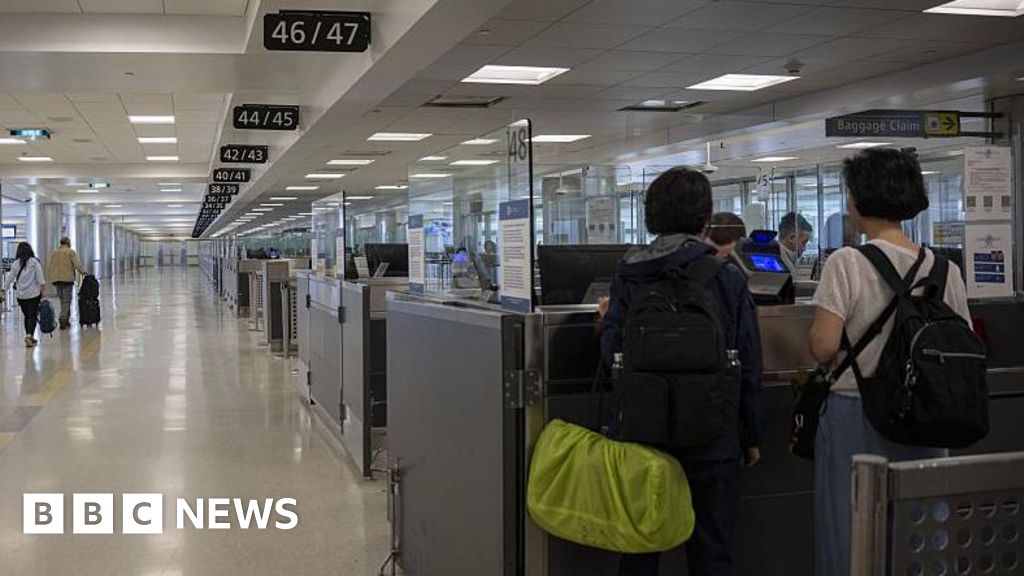
Rohan Mehta – not his real name – spent over $8,000 (£5,900) on flights in his scramble to get back to the US ahead of a deadline that would dramatically increase visa fees for some.
He had been in Nagpur, India for the anniversary of his father’s death before he cut his trip short.
On Friday, President Donald Trump signed an executive order adding a $100,000 (£74,000) fee for applicants to the visa programme for skilled foreign workers which US-based companies would have to pay.
Companies and immigration lawyers had already advised those on the H-1B visa who were outside the US to return before the order came into force Sunday.
A day later, the White House clarified it would be a one-time fee and would not apply to current visa holders, but it was too late for some.
Workers from India receive by far the most skilled visas in the programme, at more than 70% of the 85,000 issued each year.
Despite the clarification posted on X by White House Press Secretary Karoline Leavitt, concern and confusion had already spread.
The BBC spoke to many H-1B visa holders from India.
Many have been working in the US for decades.
None wanted to be identified as they were not authorised by their employers. Many refused to speak to us entirely.
Rohan Mehta, a software professional, has lived in the US with his family for 11 years but had travelled to Nagpur at the beginning of the month to see relatives commemorating his father’s death.
But on 20 September, he said he feared he would not be able to return to his home if he did not get back before the deadline.
He spent over $8,000 (£5,900) in eight hours booking and rebooking return flights to the US.
“I booked multiple options because most were cutting it very close,” he said just after he had boarded a Virgin Atlantic flight from Mumbai to John F. Kennedy International Airport.
“Even if there was a slight delay, I’d have missed the deadline.”
In its clarification, the White House said the new fee, which is more than 60 times the amount currently charged, would not be enforced until the next round of visa applications was approved.
Rohan Mehta described the last few days as “traumatic” adding he was glad his wife and daughter had not come to India with him on this trip.
“I’m regretting the choices I’ve made in life. I gave the prime of my youth to working for this country [the US] and now I feel like I’m not wanted.
“My daughter has spent her entire life in the US. I’m not sure how I’ll uproot my life from there and start all over in India.”
The H-1B is a work visa programme for people looking to work in the US in specialised fields and roles. Employers are able to sponsor professionals to get them into the country with a job offer required for the application.
According to government statistics, the greatest beneficiary of the programme the previous fiscal year was Amazon, followed by tech giants Tata, Microsoft, Meta, Apple and Google.
Another visa holder who was on holiday in Europe agreed there was confusion.
“We are yet to see how employers are thinking and how this will play out.
“From my understanding, the order is only for new H-1B visas. Immigration lawyers are still figuring it out and have advised us to go back.”
White House Press Secretary Karoline Leavitt posted on X clarifying some details including that it would not be an annual fee, just a one-off.
She wrote: “Those who already hold H-1B visas and are currently outside of the country right now will not be charged $100,000 to re-enter.
“H-1B visa holders can leave and re-enter the country to the same extent as they normally would.”
She added that the new fee would only apply to “new visas, not renewals, and not current visa holders”.
A key survey indicates growing doubt among shoppers over prospects for the UK economy in the next year.
Source link

Food delivery giant Just Eat, funeral firm Dignity and motor platform Autotrader are among five firms under investigation by the UK’s competition watchdog as part of its crackdown on fake and misleading online reviews.
The Competition and Markets Authority (CMA) said it had launched probes against the companies – also including customer review and feedback firm Feefo and Pasta Evangelists – to see whether consumer laws have been broken.
Since April last year, companies have been banned from certain tactics around online reviews under law, such as fake posts, paid-for reviews that are not clearly marked as incentivised, as well as for hiding negative feedback.
Sarah Cardell, chief executive of the CMA, said: “Fake reviews strike at the heart of consumer trust – with many of us worrying about misleading content when looking at reviews online.
“With household budgets under pressure, people need to know they’re getting genuine information – not reviews or star ratings that have been manipulated to push them towards the wrong choice.
“We’ve given businesses the time to get things right. Now we’re deploying our new powers to tackle some of the most harmful practices head on.”
The CMA said it was looking into whether Just Eat’s ratings system had inflated some restaurant and grocer star ratings, giving a misleading picture of quality.
For Autotrader and Feefo, the CMA is investigating whether a number of one-star reviews – moderated by Feefo, which handles reviews for the new and used car site – were hidden on the platform and did not count towards the star ratings.
Dignity is under investigation by the CMA into whether it asked staff to write positive reviews about the firm’s crematoria services.
And artisan fresh pasta chain Pasta Evangelists is being probed over allegations it offered customers discounts for leaving five-star reviews on delivery apps without this being disclosed.
If the CMA finds the firms have broken the law, it can order them to change their practices and fine them up to 10% of their annual global sales.
An Autotrader spokesperson said: “We endeavour always to operate as a responsible and compliant business and will co-operate fully with the CMA’s investigation.”
It comes after the CMA recently secured commitments from Google and Amazon to beef up their systems to identify and remove fake reviews.
Amazon last June agreed to put in place “robust processes” to quickly detect and remove fake reviews alongside sanctions for rogue sellers and businesses after an investigation by the CMA to curb the customer hazard.
The tech giant said it would sanction businesses that boost their star ratings via bogus reviews or catalogue abuse, including bans from selling on the website, while users could also be banned for posting fake reviews.
Consumer group Which? welcomed the investigations and said the CMA must “get tough” on firms found to be breaking the law with reviews.
Sue Davies, head of consumer rights policy at Which?, said: “Investigations are a welcome first step, but enforcement will be key – the regulator must be prepared to get tough, use its powers and issue serious fines if these companies aren’t playing by the rules.”
The CMA said it swept more than 100 review publishers as part of the clampdown and sent advisory letters to 54 firms to improve their compliance with the law, with 90% having made changes in response and 75% telling the watchdog they better understood the rules.
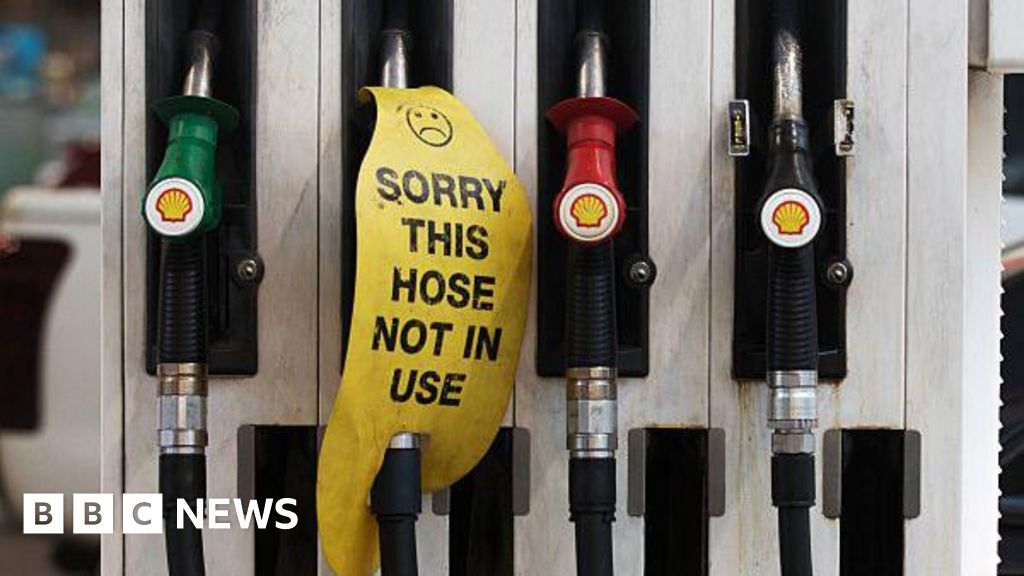
Anthony Albanese says nation’s supply remains “secure” amid reports of panic buying and shortages.
Source link


EU Parliament members set conditions for lowering tariffs on US items

Cam Newton views adding 18th regular-season game as ‘good business,’ questions how preseason games will work
Consumer confidence hit by ‘ripple of fear’ over Iran war

-
 Fashion1 week ago
Sales at US apparel, clothing accessories stores up 4% YoY in Jan 2026
-

 Entertainment1 week ago
Val Kilmer revived 1 year after death through AI
-
 Fashion1 week ago
US’ G-III Apparel’s FY26 sales fall 7% to $2.96 bn
-

 Sports1 week ago
March Madness 2026 – How to watch in SA, start time, schedule, TV channel for NCAA championship basketball tournament
-
 Business1 week ago
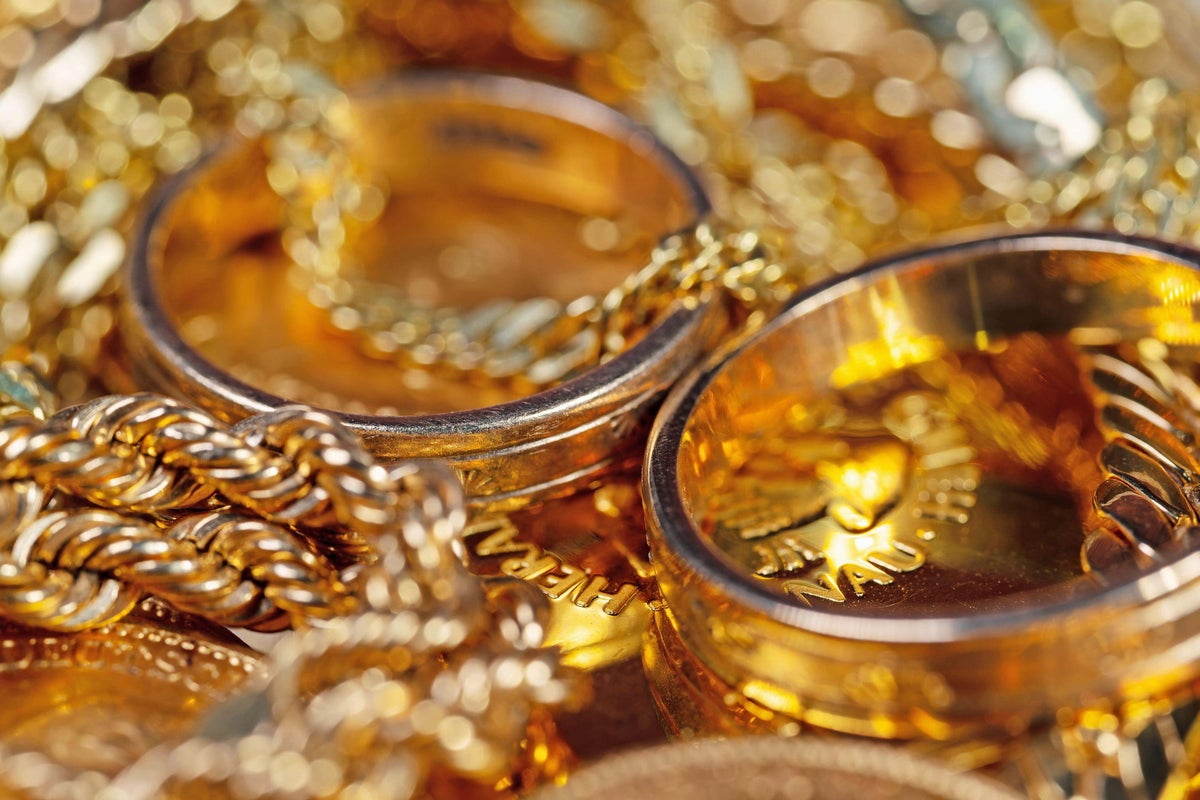
Brits cashing in jewellery as gold price hits record high
-

 Fashion6 days ago
China’s textile & apparel exports surge 17% to $50 bn in Jan-Feb 2026
-
 Business1 week ago
Video: The Effects of High Oil Prices
-
 Business6 days ago
Flipkart group CFO to leave co amid IPO plans – The Times of India