

Politics
Heavy rain lashes northern India, Yamuna river breaches danger mark in Delhi

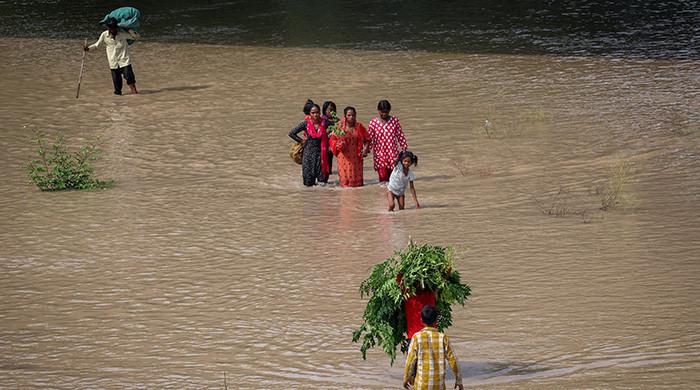
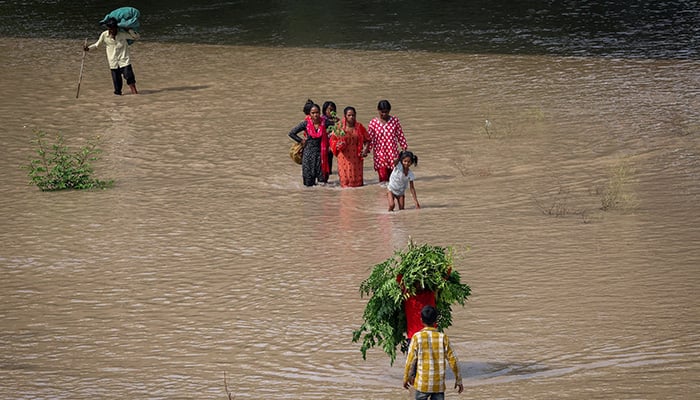
- Around 10,000 evacuated in Delhi, says local media.
- More thunderstorms expected on Wednesday.
- 130 people killed in August alone in north India.
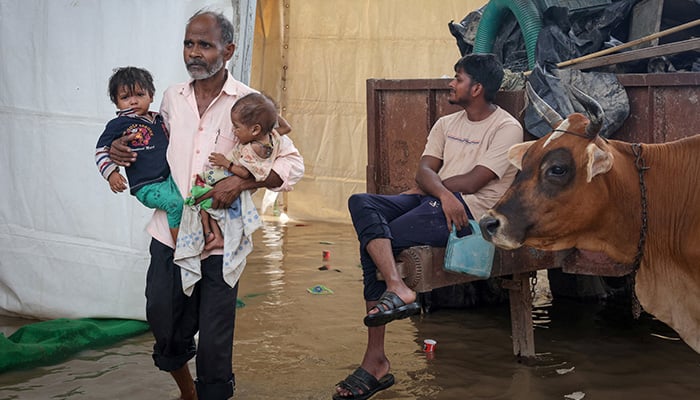
Flooding across northern India killed at least five people on Wednesday, officials said, with more thunderstorms expected and local media reporting that 10,000 people have been evacuated from the river banks in capital Delhi.
The monsoon season in India has been particularly intense this year, killing at least 130 people in August alone in north India, wiping out villages and destroying infrastructure.
The latest round of flooding has hit northern Jammu and Kashmir, Himachal Pradesh, Uttarakhand and Punjab, where the Chenab and Tawi rivers have risen above the danger mark at several spots.
The swollen rivers have triggered landslides and damaged many roads, disconnecting parts of the mountainous regions of Indian Illegally Occupied Jammu and Kashmir (IIOJK) and Himachal from the rest of India.
At least five people were killed on Wednesday after landslides battered Rajouri and Mandi districts in IIOJK and Himachal Pradesh respectively, officials said.
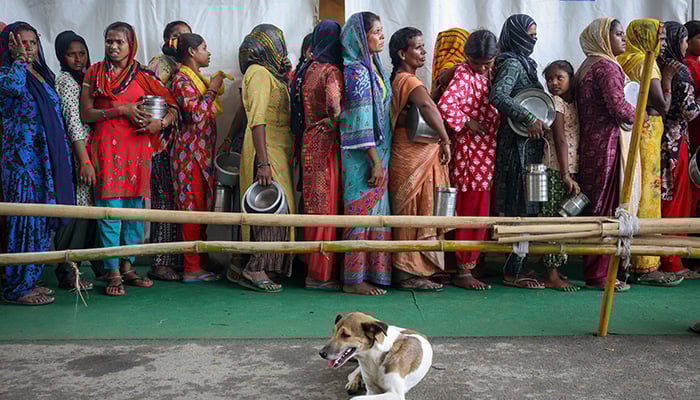
The India Meteorological Department warned of heavy to very heavy rain in the region on Wednesday, with more downpours expected in Uttarakhand and Uttar Pradesh.
The Central Water Commission said the swollen Yamuna had breached its danger mark on Tuesday in Delhi.
Local media reported that nearly 10,000 people had been evacuated to relief camps set up by the government along the main highways as a precautionary measure for those living in low-lying areas.
Residents living along the Yamuna in Delhi were evacuated in 2023 as well after floodwaters entered their homes and the river hit its highest level in 45 years.
Many tourist spots in Himachal Pradesh have been hit by landslides in recent weeks, as raging rivers damaged infrastructure.
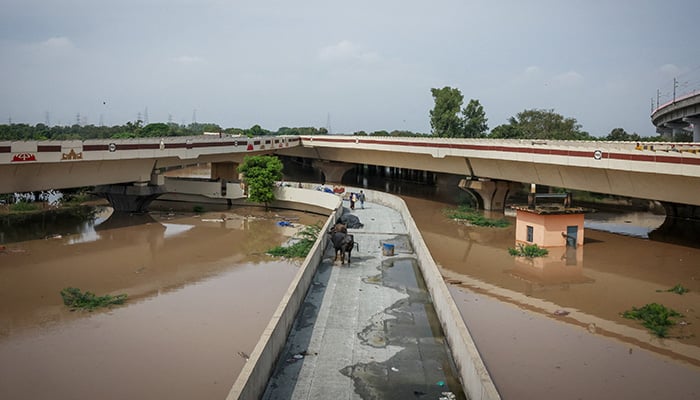
Educational institutions were ordered shut, authorities said, asking people to remain indoors due to flood warnings.
In neighbouring Punjab, the government said 30 people have been killed and nearly 20,000 evacuated since August 1.
Water gushing through the plains in India’s breadbasket Punjab state has destroyed 150,000 hectares of crops, the government said on Tuesday.
Continuous rain prompted authorities to release water from dams, which has caused flooding in plains in India and Pakistan in recent days.
On the other side of the border, Pakistani authorities issued an alert for more floods in the eastern heartland province of Punjab on Wednesday, after India warned it would release water downstream from its dams, officials said.
New Delhi has previously given four such warnings to Islamabad, the officials said.
The worst floods in four decades have killed at least 43 people in Punjab, with more than 3.3 million affected since August 26, the provincial disaster management authority said.
The death toll across the country since the start of the monsoon season in late June stands at 881, according to the National Disaster Management Authority.
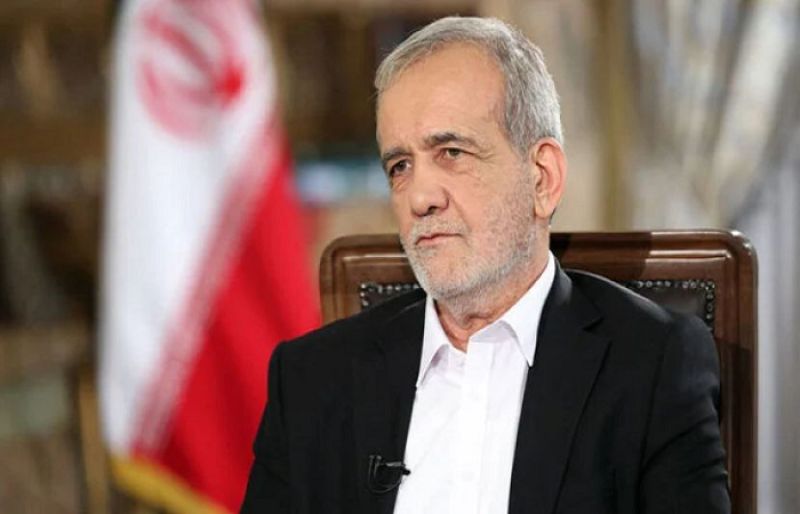

Iranian President Masoud Pezeshkian has issued a significant statement aimed at easing regional tensions, assuring that Iran will not launch missile strikes or take aggressive action against neighbouring countries.
The president said the decision was taken with the approval of the Interim Leadership Council, stressing that Iran’s policy of non-aggression will remain in place as long as no attacks are carried out on Iranian territory.
Commitment to Peace
In a message shared on social media, Pezeshkian said Iran harbours no hostility toward regional countries and expressed regret over the recent tensions affecting neighbouring states.
“We harbor no hostility toward regional countries and apologize for the recent situation with our neighbors,” the president said.
Sovereignty Will Be Protected
While calling for peace, Pezeshkian also emphasized that Iran’s sovereignty and national security would not be compromised.
He added that diplomatic efforts and mediation aimed at ending the ongoing conflict should be led by the countries that initiated the confrontation.
Regional De-escalation Efforts
The statement comes amid rising tensions in the Middle East following military exchanges involving Iran, Israel, and the United States, prompting calls from several countries for de-escalation and dialogue to restore regional stability.
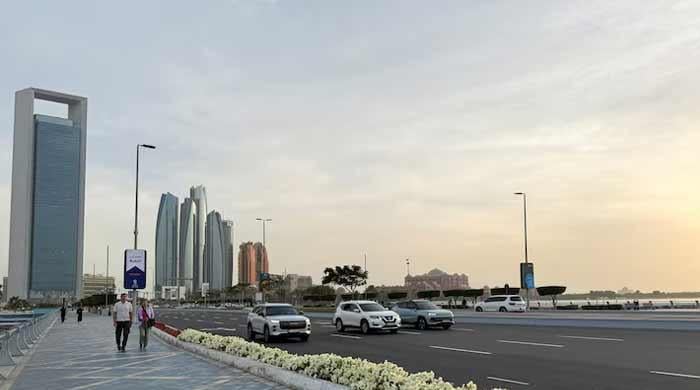
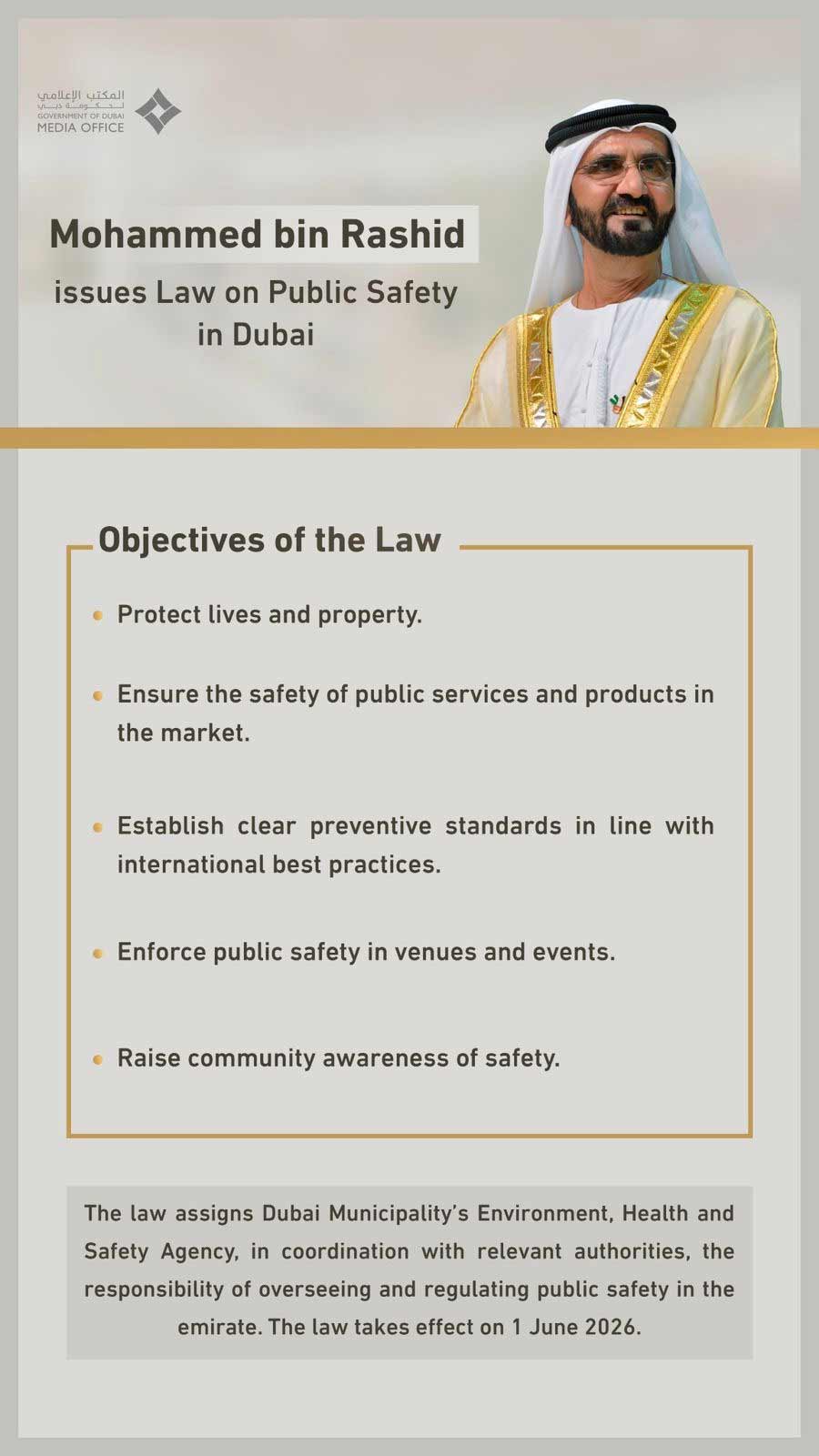
DUBAI: Dubai has announced the implementation of a new public safety law introducing stricter regulations for public spaces and events, with fines ranging from AED500 ($136) to AED1 million ($272,000), authorities said.
Under the legislation, repeat violations within one year could result in fines of up to AED2 million, officials added.
The new law, which takes effect across the emirate on June 1, sets out enhanced safety requirements for public venues and gatherings.
The rules were issued by Dubai’s Ruler, Vice President and Prime Minister of the UAE, Sheikh Mohammed bin Rashid Al Maktoum.
According to the regulations, public venues and events must ensure safe entry and exit routes, adequate lighting, and capacity limits to prevent overcrowding.
Event organisers will be required to provide firefighting equipment, emergency evacuation plans, first aid facilities, and trained security personnel.
Compliance with safety instructions at public venues has been made mandatory.
The law also requires adherence to designated swimming times at beaches and prohibits access to restricted areas.
Possession of explosives or fireworks without a permit is banned, as is the use and transport of hazardous or flammable materials.
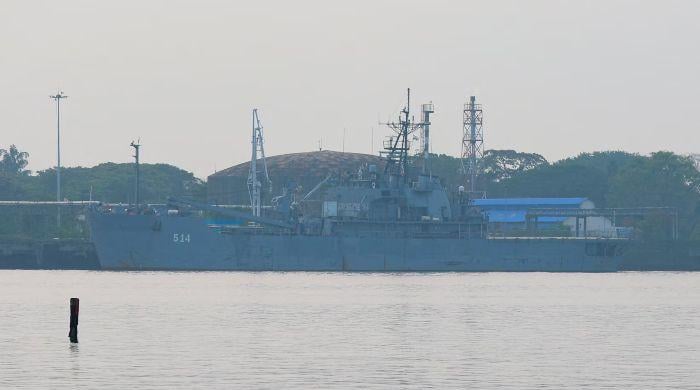
India has allowed an Iranian warship to dock as a humanitarian gesture, Foreign Minister Subrahmanyam Jaishankar said on Saturday, after the US sank another Iranian navy vessel off neighbouring Sri Lanka.
The Lavan docked at India’s southern port of Kochi on Wednesday, the same day the US submarine struck Iranian navy frigate Dena, after an urgent request from Tehran, an Indian government source told Reuters.
US President Donald Trump has said destroying the Iranian navy is one aim of the war he and Israel launched against the Islamic Republic a week ago.
The Lavan – an amphibious landing vessel, according to the US Naval Institute’s online news site – and two other ships “were coming in for a fleet review and then they got, in a way, caught on the wrong side of the events,” Jaishankar told the annual Raisina Dialogue event.
“I think we really approached it from the point of view of humanity, of other than whatever the legal issues were,” he said. “I think we did the right thing.”
At least 87 people were killed in the US attack on the Dena in Sri Lanka’s exclusive economic zone, 19 nautical miles off the coast, outside its maritime boundaries.
India received the docking request for the Lavan on February 28, the day the Iran war started, the source said late on Friday, adding that the request “was urgent as the vessel had developed technical issues”.
Its 183 crew members have been accommodated at naval facilities in Kochi, said the source, who asked not to be identified citing confidentiality.
The Dena was on its way back from a naval exercise organised by India, according to the drill’s website and Sri Lankan officials.
Sri Lankan authorities said on Friday that they were escorting the Iranian naval ship Booshehr to a harbour on the eastern coast and moving most of its crew to a navy camp near Colombo.


Ball State fires Michael Lewis after 3 straight losing seasons

Iran Assures Neighbours of Non-Aggression Amid Regional Tensions

Paul McCartney's overlooked work

India Us Trade Deal: Fresh look at India-US trade deal? May be ‘rebalanced’ if circumstances change, says Piyush Goyal – The Times of India

LPGA legend shares her feelings about US women’s Olympic wins: ‘Gets me really emotional’

South Korea’s Misto Holdings completes planned leadership transition

-
Business1 week ago
India Us Trade Deal: Fresh look at India-US trade deal? May be ‘rebalanced’ if circumstances change, says Piyush Goyal – The Times of India
-
 Sports1 week ago
LPGA legend shares her feelings about US women’s Olympic wins: ‘Gets me really emotional’
-

 Entertainment1 week ago
Bobby J. Brown, “The Wire” and “Law & Order: SUV” actor, dies of smoke inhalation after reported fire
-
 Fashion1 week ago
South Korea’s Misto Holdings completes planned leadership transition
-

 Entertainment1 week ago
Pakistan’s semi-final qualification scenario after England defeat New Zealand
-

 Fashion1 week ago
Texwin Spinning showcasing premium cotton yarn range at VIATT 2026
-
 Business1 week ago
Data tool to spot Cambridgeshire families due financial support
-

 Entertainment1 week ago
What’s new in Pokémon? Every game, update, surprise from 30th anniversary event