

Entertainment
Helicopter crashed at 4,700 meters on Mount Kilimanjaro, killing all on board

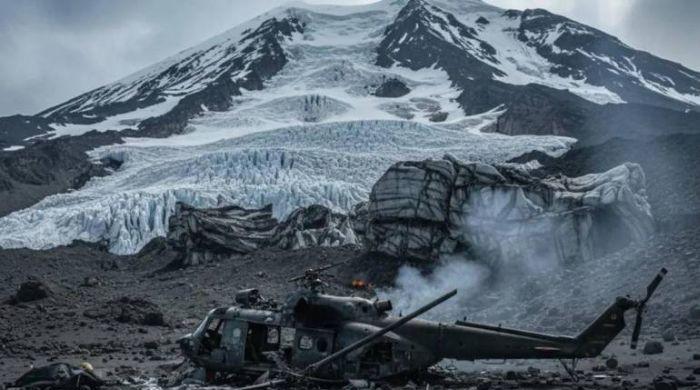
A helicopter on a medical evacuation mission has crashed on the slopes of Mount Kilimanjaro, killing all five people on board.
The incident occurred on Wednesday evening, December 24, on one of the mountain’s most popular climbing routes at an altitude exceeding 4,000 meters.
As reported by Tanzanian authorities, the victims included two foreign nationals, a local doctor, a Tanzanian mountain guide, and the pilot.
Police identified the foreign passengers as Czech tourists who were being evacuated due to health issues.
The pilot of the helicopter was a Zimbabwe national.
The helicopter, an Airbus H125 operated by the local company Kilimanjaro Aviation, crashed between the Barafu Camp and the Kibo summit.
The Tanzania Civil Aviation Authority (TCAA) confirmed the fatalities and stated that a formal investigation has been launched to determine the cause of the accident.
The mount is considered as the highest peak of Africa drawing tens of thousands of climbers each year.
While the ascent is non-technical, altitude sickness is a common risk, usually requiring emergency evacuations.
This helicopter crash marks the first aircraft accident on the mountain since 2008.
Entertainment
Actress Tori Spelling hospitalized after Southern California crash; authorities investigating cause

Actress Tori Spelling was involved in a two-car crash in southern Riverside County, about 80 miles from Los Angeles, on Thursday evening, her manager has confirmed with CBS LA.
It happened at around 5:45 p.m. local itme near the 28000 block of Rancho California Road in Temecula, according to the Riverside County Sheriff’s Office, who confirmed the incident based on reports from other news outlets. They said that deputies arrived and found both cars with collision damage.
Deputies said that all of the occupants of both vehicles were medically evaluated at the scene, but did not report any hospitalizations from the collision.
Spelling’s manager, however, said that she and four of her children were taken to the hospital in three separate ambulances for various injuries sustained in the crash.
“No arrests were made, and the cause of the collision remains under investigation,” Riverside County deputies said.
Spelling is most known for her roles in “Beverly Hills, 90210” and “Scary Movie 2,” as well as “Tori & Dean: Home Sweet Hollywood,” her reality television show with former husband Dean McDermott. Along with her extensive acting history, Spelling is also known for her six memoirs, one of which was a New York Times bestseller.
A Los Angeles native, Spelling is the daughter of former Hollywood producer Aaron Spelling and author Candy Spelling.
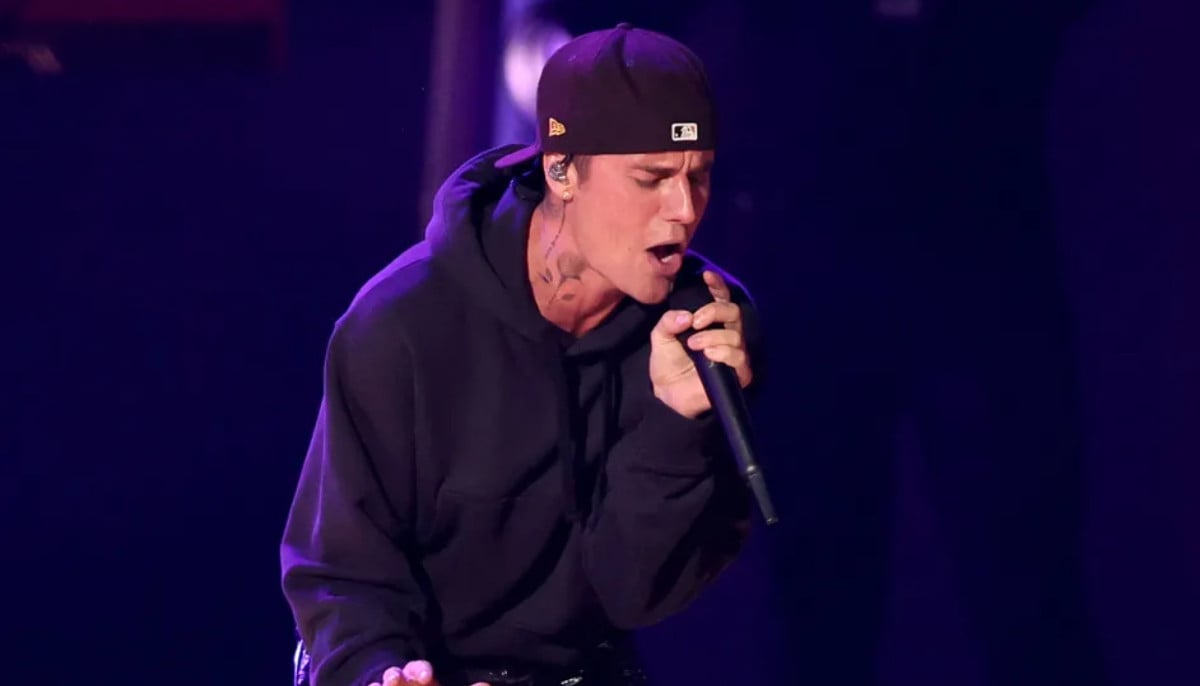
Justin Bieber has raised fans’ expectations for his headlining set at Coachella 2026, but it seems the singer has planned more surprises down the line.
The 32-year-old pop star has sparked rumours of a companion documentary to be released after his performance at the music festival.
The Daisies hitmaker will be performing on both the Saturdays – April 11 and April 18 during the festival, and an anonymous tipster claimed that the “well known former teen heartthrob/ a list popstar has teamed up with Netflix to follow and film their journey” ahead of Coachella, as per DeuxMoi.
The documentary is said to be similar to Beyonce, and fans unanimously agreed that the unnamed personality is none other than Bieber.
The Grammy winner will be delivering his first major performance at the Coachella stage ever since he cancelled his 2022 tour.
Bieber recently gave a taste of his comeback era to fans at the Grammys 2026 as he performed his new song Yukon.
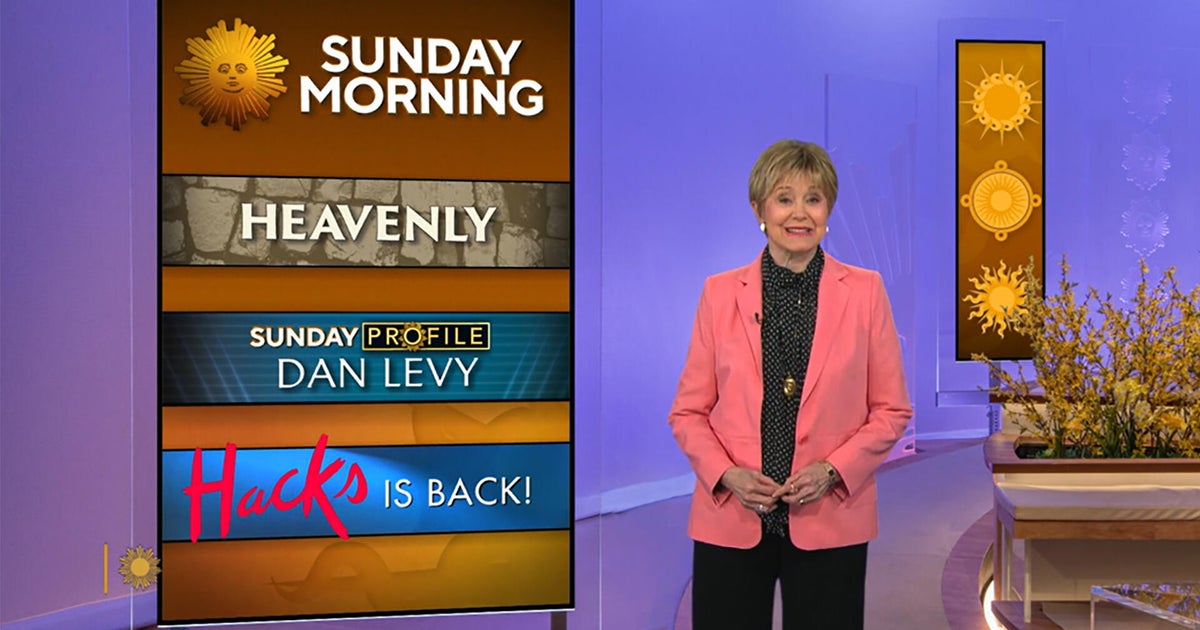
Hosted by Jane Pauley. Featured: The Vatican’s Mosaic Studio; a fight over history at West Bank archaeological sites; Dan Levy on his new series “Big Mistakes”; the creative talents behind “Hacks”; the latest on the Artemis II lunar mission; the works of Renaissance artist Raphael; and the beauty of moss.
Source link


Actress Tori Spelling hospitalized after Southern California crash; authorities investigating cause

With Messi goal, Inter Miami open new stadium with dream moment

Justin Bieber ignites documentary release speculations ahead of Coachella

-

 Sports1 week ago
USMNT handed reality check by Doku, Belgium ahead of World Cup
-

 Sports1 week ago
2026 NCAA men’s hockey tournament: Schedule, results
-

 Fashion1 week ago
EU apparel imports slump 15.48% YoY in Jan; Bangladesh hardest hit
-
Uncategorized6 days ago
[CinePlex360] Please moderate: “Further tariff
-
Uncategorized3 days ago
[CinePlex360] Please moderate: “Trump signals p
-

 Tech2 days ago
Our Favorite iPad Is $50 Off
-
Uncategorized1 week ago
[CinePlex360] Please moderate: “Apple scrapping
-
 Entertainment1 week ago
The Avett Brothers’ bassist explains why he wrote a book about John Quincy Adams