

Business
India-EU FTA: Will Turkish goods enter India under the newly signed trade deal? – The Times of India

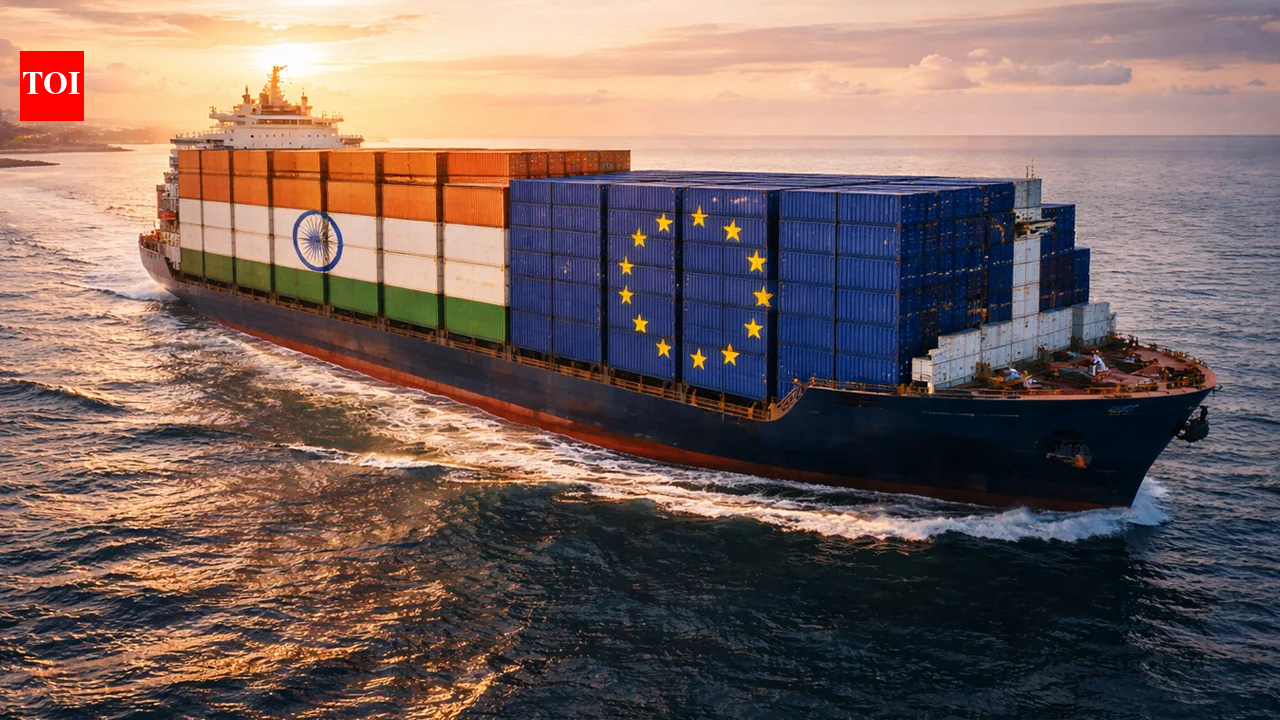
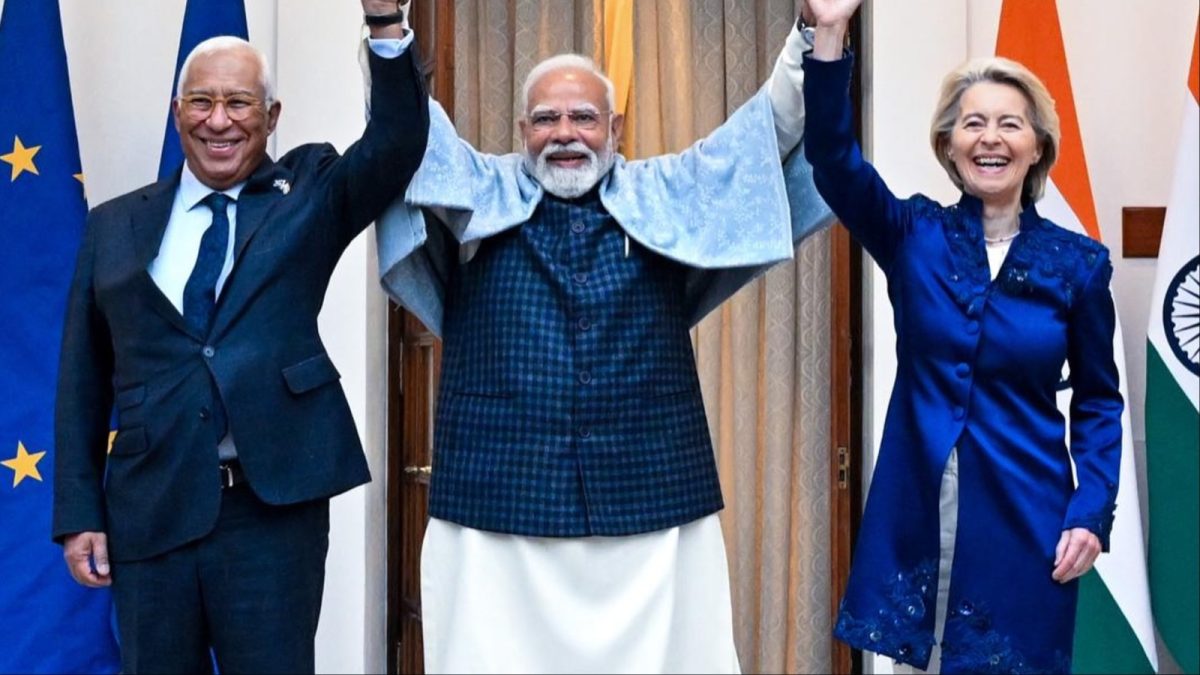
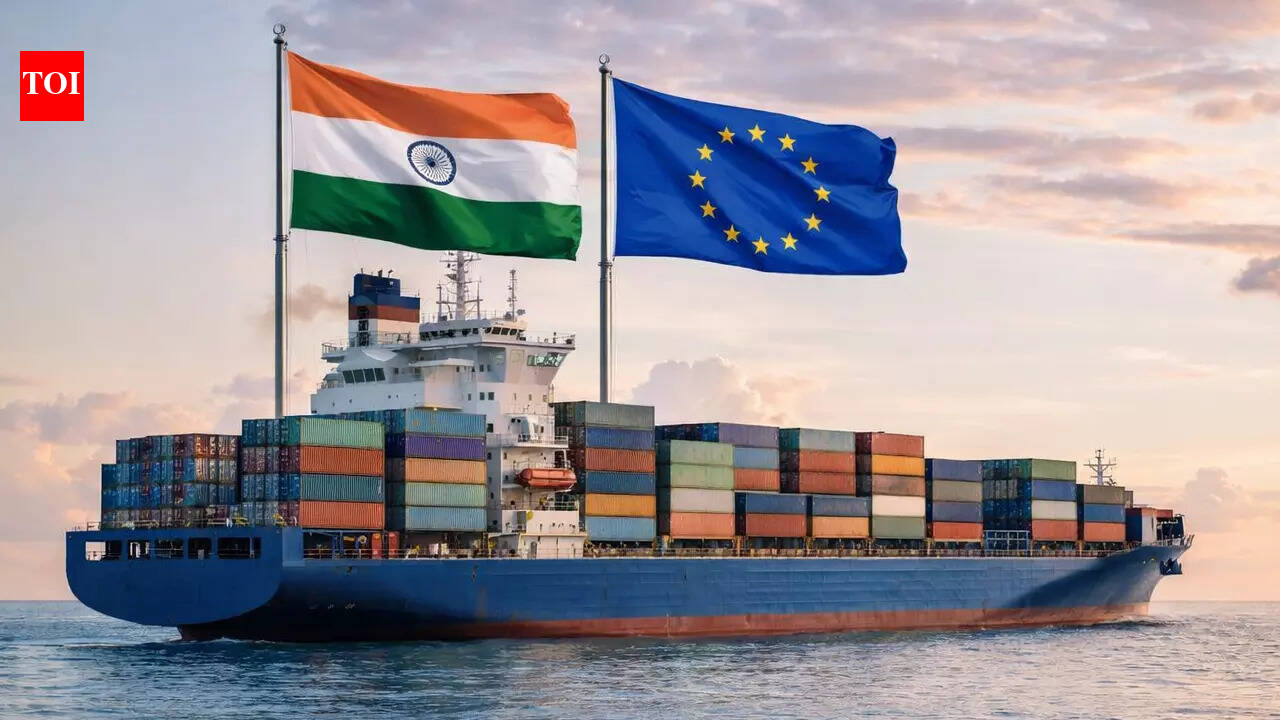
India and the EU recently announced the conclusion of what has been touted as the “mother of all deals”, but a key question remains: will Turkey be able to reroute its goods to India under the agreement? Officials have clarified that while Indian products can move into Turkiye through Europe, Turkish goods cannot enter India under FTA terms, even if shipped via EU ports. “Our goods go into the EU, and then they can go to any country with which the EU has a customs union, but Turkiye will not get the benefit because it is not part of the EU as a territory in the FTA. So, Turkiye cannot export to India and benefit from concessions,” said one official, who did not wish to be identified.Under the EU–Turkiye Customs Union, Ankara is required to align with the EU’s common external tariff, meaning that when the EU reduces duties for an FTA partner such as India, Turkiye must extend the same tariff benefit to Indian goods.This is because of Turkiye’s position in the union arrangement with the EU, which has been in force since 1996. The arrangement allows industrial goods and processed agricultural products to move freely between the EU and Turkiye without tariffs or quotas, while requiring Turkiye to apply the EU’s common external tariff on imports from third countries. The customs union, however, does not extend to primary agriculture, services, investment, government procurement or digital trade. India and the EU announced the conclusion of negotiations for the FTA on Tuesday, with the agreement expected to be signed and implemented within the year. Under the deal, preferential market access will be provided on 96.8% of tariff lines, covering 99.5% of India’s exports by volume and 90.7% by value to the EU, which will become duty-free. Officials explained that although Turkiye must mirror EU tariff reductions for FTA partners such as India, it does not gain reciprocal access because it is not a signatory to the India-EU agreement. “Turkish goods, however, cannot use the India-EU FTA to enter India duty-free, even if they are shipped via EU ports. They remain Turkish in origin and therefore do not meet the rules of origin under India’s FTA, which is signed with the EU and not with Turkiye,” said Ajay Srivastava, cofounder, Global Trade Research Initiative, as cited by ET. The clarification comes amid strained relations between New Delhi and Ankara following Turkiye’s backing of Islamabad and its condemnation of India’s strikes on terror camps in Pakistan in May under Operation Sindoor. Trade figures show that India’s exports to Turkiye declined by 14.1% to $5.71 billion in 2024–25 from $6.65 billion in the previous financial year, while imports from Turkiye fell 20.8% to around $3 billion. Turkiye accounts for about 1.3% of India’s total exports of $437 billion in 2023–24. India’s exports to Turkiye include mineral fuels and oil, electrical machinery and equipment, automobiles and parts, organic chemicals, pharmaceutical products, tanning and dyeing items, plastics and rubber, cotton, man-made fibres and filaments, and iron and steel. Imports from Turkiye comprise marble blocks and slabs, fresh apples, gold, vegetables, lime and cement, mineral oil, chemicals, natural or cultured pearls, and iron and steel.


Business
Spirit starts monthslong process of dismantling airline after biggest collapse in a generation

Spirit Airlines‘ more than three-decade run ended over the weekend, but on Tuesday it was just starting the monthslong process of dismantling the company after the biggest U.S. airline collapse in a generation.
Spirit and its stakeholders were in bankruptcy court in White Plains, New York, to start that process, which will take months. The hearing included discussions about airport landing fees, aircraft and staffing.
The carrier filed a cumulative wind-down budget of around $217 million, though that number could change.
The budget went out to February 2028. It included more than $52 million in employee costs through July and another more than $52 million for aircraft-related expenses.
The airline had 59 Airbus A320s in service and 63 in storage, as well as 37 of the larger A321s in service, and 13 of them in storage, according to aviation data firm Cirium. More than three-quarters of its fleet was leased.
Spirit shut down operations after years of struggles, most recently from heavy debt loads and a surge in costs.
Spirit’s lawyer, Marshall Huebner of Davis Polk, told a bankruptcy court on Tuesday that the jump in jet fuel prices following the U.S.-Israel attacks on Iran in February left the carrier with no choice but to shut down. That added $100 million in incremental costs for Spirit in March and April, he said.
U.S. bankruptcy court in White Plains, N.Y.
Leslie Josephs/CNBC
Talks for a potential government bailout in the form of a $500 million loan that could have given the government an up to 90% stake in Spirit fell apart late last week, and the carrier officially shut down at 3 a.m. ET on Saturday.
Spirit passengers scrambled to rebook reservations. American Airlines, JetBlue Airways, Southwest Airlines, United Airlines and others said they have flown tens of thousands of Spirit customers who were stranded by the collapse.
Spirit had flown about 50,000 people in the day leading up to its closure. The airline said about 17,000 direct and indirect employees lost their jobs.
“The closing of Spirit Airlines is a sad and unfortunate event that adversely affects many parties, and that’s particularly true for the thousands of folks who are Spirit employees and families who depend on them,” the presiding judge, Sean Lane, said at Tuesday’s hearing.
“The stress level for these employees and affinities is very high, and they likely have many questions,” he continued. “Hopefully there’ll be some information discussed today to provide some answers to some of those questions, or provides information about where to get those answers. Bankruptcy can be a very difficult process, and today is a sad example of that.”
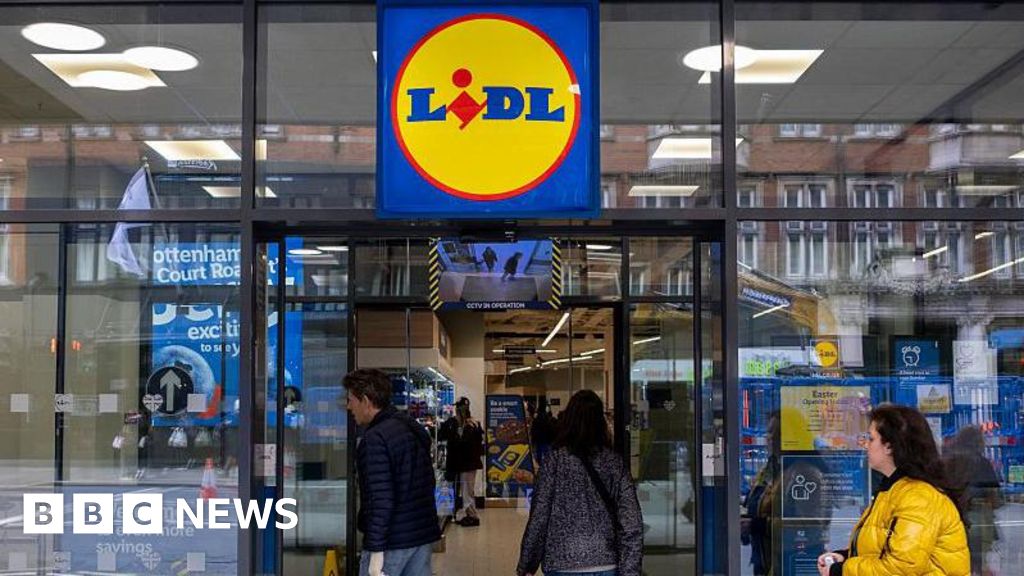
Under the changed system customers collect points rather than reward coupons, with £1 spent equalling one point.
Source link

There have been extra jitters in UK government debt markets ahead of Thursday’s local and national elections.
Source link


Longtime entertainment publicist was 82
Spirit starts monthslong process of dismantling airline after biggest collapse in a generation

AS-level Business Studies paper allegedly leaked online

-

 Tech1 week ago
A Brain Implant for Depression Is About to Be Tested in Humans
-

 Sports1 week ago
Pro wrestling star Steph De Lander reveals how colleague’s advice helped lead her to title triumph at ACW
-

 Tech1 week ago
Almost 90% of women leave tech industry within 10 years | Computer Weekly
-
 Business1 week ago
‘I had £20,000 stolen and had to fight a 13-month fraud reporting rule to get it back’
-

 Entertainment1 week ago
Norway joins Type 26 Frigate Programme to boost NATO naval power
-

 Entertainment1 week ago
Melania Trump says ABC should ‘take a stand’ on late-night host Kimmel
-

 Tech1 week ago
This Ambitious Laptop Doesn’t Leave Much Room for Your Hands
-
 Business6 days ago
PSX plunges over 4,800 points | The Express Tribune