

Business
India likely to add 2.7 billion sq ft of academic space, see $100 bn investment by 2035


New Delhi: Nearly 30,000 acres of new campus land and about 2.7 billion square feet of academic infrastructure are expected in India by 2035 to meet surging student demand, marking world’s largest institutional real estate opportunities over the next decade, a report said on Thursday.
The report from ANAROCK Capital said that meeting the National Education Policy (NEP) 2020 target of a gross enrolment ratio (GER) of 50 per cent by 2035 will require roughly 25 million additional seats and about $100 billion in construction-led investment for academic facilities alone, excluding land acquisition and student accommodation infrastructure.
“This scale of expansion, underpinned by demographic momentum, rising enrolments, globalisation of education, and landmark regulatory reforms, represents arguably the largest higher-education build-out market globally,” the report mentioned.
The real estate services firm highlighted India’s higher-education enrolments rose from 27 million in 2010-11 to 45 million in 2022-23, driven by powerful demographic engines and rising household aspirations, and universities increased from 760 in 2015 to 1,338 in 2025, while total higher education institutions grew from 51,534 to 70,018.
“We believe the provision in the Union Budget 2026 to support the creation of five university townships reflects a recognition of the gap in academic infrastructure,” said Shobhit Agarwal, CEO-ANAROCK Capital.
After the FHEI Regulations foreign higher-education institutions ranked within the top 500 globally can now establish campuses without affiliating with Indian universities, noted Aashiesh Agarwaal, SVP-Investment Advisory, ANAROCK Capital.
In addition to the three global university campuses that have already opened, thirteen institutions have announced upcoming campuses, such as Lancaster (UK), Liverpool (UK), Illinois Institute of Technology (US), and Instituto Europeo di Design (Italy), signalling strong international confidence in India’s education market, Agarwaal added.
Uttar Pradesh has rolled out stamp duty exemptions and capital subsidies for higher education institutions.
GIFT City in Gujarat has created a dedicated international campus framework with shared academic infrastructure. Maharashtra has anchored its strategy around a 250-acre ‘Educity’ near Navi Mumbai International Airport, securing commitments from five foreign higher education institutions, said the report.


Business
‘Friendly nations’ only: Iran allows India, Pakistan, 3 other countries to use Strait of Hormuz amid war – The Times of India
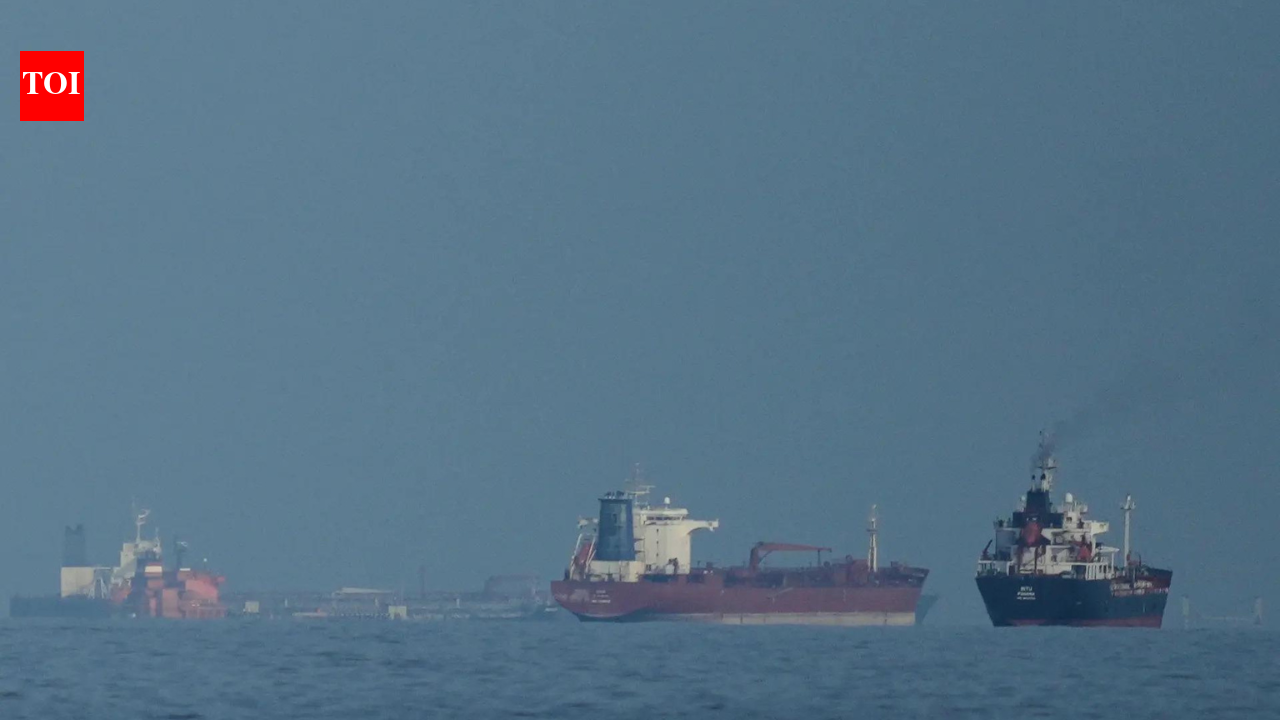
Iran on Thursday said that, despite ongoing military escalation in the Middle East, it has allowed transit through the Strait of Hormuz for “friendly nations,” including India.The consulate general of Iran in Mumbai shared a statement from Iran’s foreign minister Abbas Araghchi, saying: “We have permitted passage through the Strait of #Hormuz for friendly nations, including China, Russia, India, Iraq, and Pakistan.”Araghchi’s remarks came after UN secretary-general Antonio Guterres called for the Strait of Hormuz to remain open.In a post on X, Guterres said, “The prolonged closure of the Strait of Hormuz is choking the movement of oil, gas, and fertilizer at a critical moment in the global planting season. Across the region and beyond, civilians are enduring serious harm and living under profound insecurity. The UN is working to minimise the consequences of the war. And the best way to minimise those consequences is clear: end the war immediately.”
The UN chief also urged US-Israel and Iran to end the ongoing military escalation.“My message to the US & Israel is that it’s high time to end the war – as human suffering deepens, civilian casualties mount & the global economic impact is increasingly devastating. My message to Iran is to stop attacking their neighbours that are not parties to the conflict,” he said.“My message to the US and Israel is that it is high time to end the war, as human suffering deepens, civilian casualties mount, and the global economic impact becomes increasingly devastating. My message to Iran is to stop attacking neighbours that are not parties to the conflict,” he said.However, for Western powers, the key oil lifeline remains the Strait of Hormuz, a critical chokepoint now increasingly volatile amid the US-Israel offensive on Iran. The strong retaliatory action by Tehran regime included the choking of key waterway in the Gulf, with fears that any disruption could effectively choke global energy flows.
Business
Strait of Hormuz disruptions: India buys first LPG cargo from Iran in years; tanker was initially bound for China – The Times of India
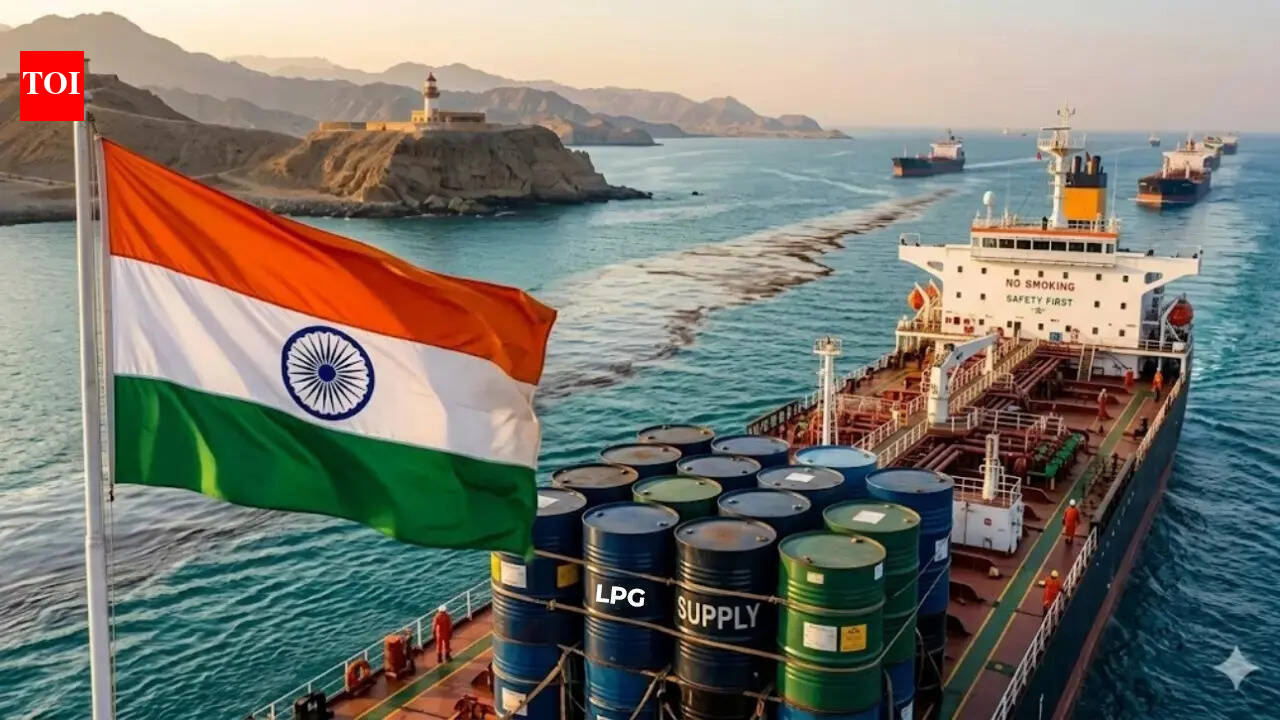
For the first time in several years, India has reportedly purchased liquified petroleum gas (LPG) from Iran after the Donald Trump administration granted a 30-day sanctions waiver to keep oil and gas prices in check. India had stopped energy imports from Iran in 2019 amid Western sanctions. Data from LSEG indicated that the tanker carrying the cargo was originally headed for China.India has faced significant disruption to energy supplies routed through the Strait of Hormuz due to the ongoing US-Israeli conflict with Iran.
Iran LPG headed to India
The sanctioned vessel Aurora, transporting Iranian LPG, is expected to arrive today at the west coast port of Mangalore, sources told Reuters. Sources said the cargo was procured through a trader, with payment to be made in rupees. They added that India is also considering additional purchases of Iranian LPG cargoes.
Also Read | US-Iran war: Why India is facing an LPG crisis — explained in chartsThe LPG shipment will be distributed among three state-run fuel retailers: Indian Oil Corporation, Bharat Petroleum Corporation Limited and Hindustan Petroleum Corporation Limited.However, an official said he was not aware of any purchases of Iranian cargoes. “(There are) no loaded cargoes from Iran, we have not heard of that,” Rajesh Kumar Sinha, Special Secretary in the federal shipping ministry, said at a press conference on Wednesday.India, the world’s second-largest importer of LPG, is grappling with its most severe gas supply crunch in decades, prompting the government to cut allocations to industries in order to safeguard household cooking fuel needs.The country consumed 33.15 million metric tonnes of LPG last year, with imports meeting roughly 60% of the demand. A significant majority of these imports originated from the Middle East.India is also working to clear LPG cargoes stranded in the Strait of Hormuz, with four tankers — Shivalik, Nanda Devi, Pine Gas and Jag Vasant — already moved. In addition, the country has begun loading LPG onto empty vessels that had been stuck in the Persian Gulf.
A mothballed carbon dioxide plant is to be reopened with a Government grant of up to £100 million amid fears of shortages caused by the Iran war.
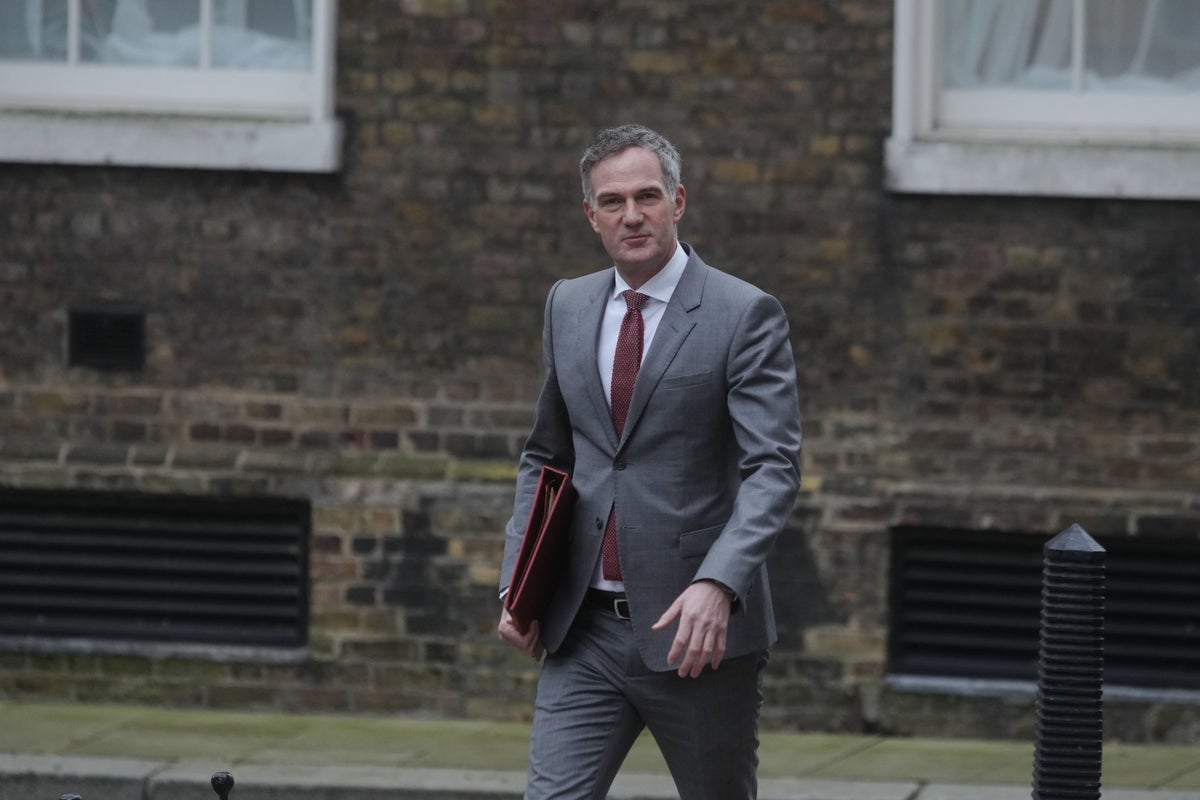
Business Secretary Peter Kyle signed off the grant to reopen the Ensus plant on Teesside, according to the Financial Times.
It is understood the grant will pay to get the plant up and running again for an initial three-month period.
The plant was mothballed last year after a trade deal with the US cut tariffs on bioethanol, its main product.
It will be reopened due to its ability to produce CO2 as a by-product. The gas is vital for several sectors, including drinks and the nuclear industry, but supply has been disrupted thanks to soaring energy costs on other sources such as fertiliser factories.
The grant for the Ensus plant is the first major intervention by the UK Government aimed at tackling possible shortages caused by the Iran conflict.
But fears range much wider than CO2, with former BP executive Nick Butler telling Times Radio the UK could face oil and gas shortages in two to three weeks.
He said: “There will be shortages and I think the Government now should be seriously planning how they’re going to handle that and part of that is maximising supply.”
On Tuesday, Shell chief executive Wael Sawan issued a similar warning at an industry conference.
Ministers continue to insist the supply of petrol remains reliable.
Energy minister Michael Shanks told MPs on Wednesday the Government was “absolutely not” planning for blackouts or petrol rationing, insisting the UK had a “strong and diverse range of supplies”.
The key question remains how long Iran’s effective blockade of the vital Strait of Hormuz will last.
On Thursday, Foreign Secretary Yvette Cooper will urge Iran to reopen the Strait of Hormuz as she travels to the G7 Foreign Ministers’ meeting in France.
She will make clear that the UK will help ensure safe passage for ships through the strait and provide an additional £2m in humanitarian aid to Lebanon.
Ms Cooper is expected to hold talks with counterparts, including US secretary of state Marco Rubio, France’s Jean-Noel Barrot, and Germany’s Johann Wadephul.
The strait remained closed on Wednesday evening, despite Iran’s foreign minister Abbas Araghchi claiming it was open to “non-hostile” shipping.
The conflict continued with Washington saying it would hit Iran “harder” if Tehran refused to accept it had been “defeated militarily”.
White House spokeswoman Karoline Leavitt insisted “productive” talks were continuing between Washington and Tehran.
But Mr Araghchi said in a message on his Telegram channel, translated from Farsi, that there had been “no negotiations or discussions with the American side” and suggested the US had effectively admitted defeat.
He said: “Didn’t they talk about ‘unconditional surrender’ before? What happened now that they are talking about negotiations and calling for them?
“I will explain that there are no negotiations, but the fact that they are mobilising their highest officials to negotiate with the Islamic Republic indicates their acceptance of defeat.”


Jaouadi sets record as Florida, Indiana co-lead NCAA swim
‘Friendly nations’ only: Iran allows India, Pakistan, 3 other countries to use Strait of Hormuz amid war – The Times of India

AI system learns to keep warehouse robot traffic running smoothly

-

 Fashion1 week ago
Sales at US apparel, clothing accessories stores up 4% YoY in Jan 2026
-
 Tech1 week ago
Justice Department Says Anthropic Can’t Be Trusted With Warfighting Systems
-

 Entertainment1 week ago
Val Kilmer revived 1 year after death through AI
-
 Business1 week ago
Stocks and pound rise as US rate call approaches
-

 Sports1 week ago
March Madness 2026 – How to watch in SA, start time, schedule, TV channel for NCAA championship basketball tournament
-
 Business1 week ago
Brits cashing in jewellery as gold price hits record high
-

 Politics1 week ago
Iran strikes Tel Aviv with cluster-warhead missiles in retaliation of Larijani’s martyrdom
-

 Fashion5 days ago
China’s textile & apparel exports surge 17% to $50 bn in Jan-Feb 2026