

Business
‘India makes more coaches than US, Europe’: PM Modi flags off Vande Bharat sleeper; calls it self-reliance push – The Times of India

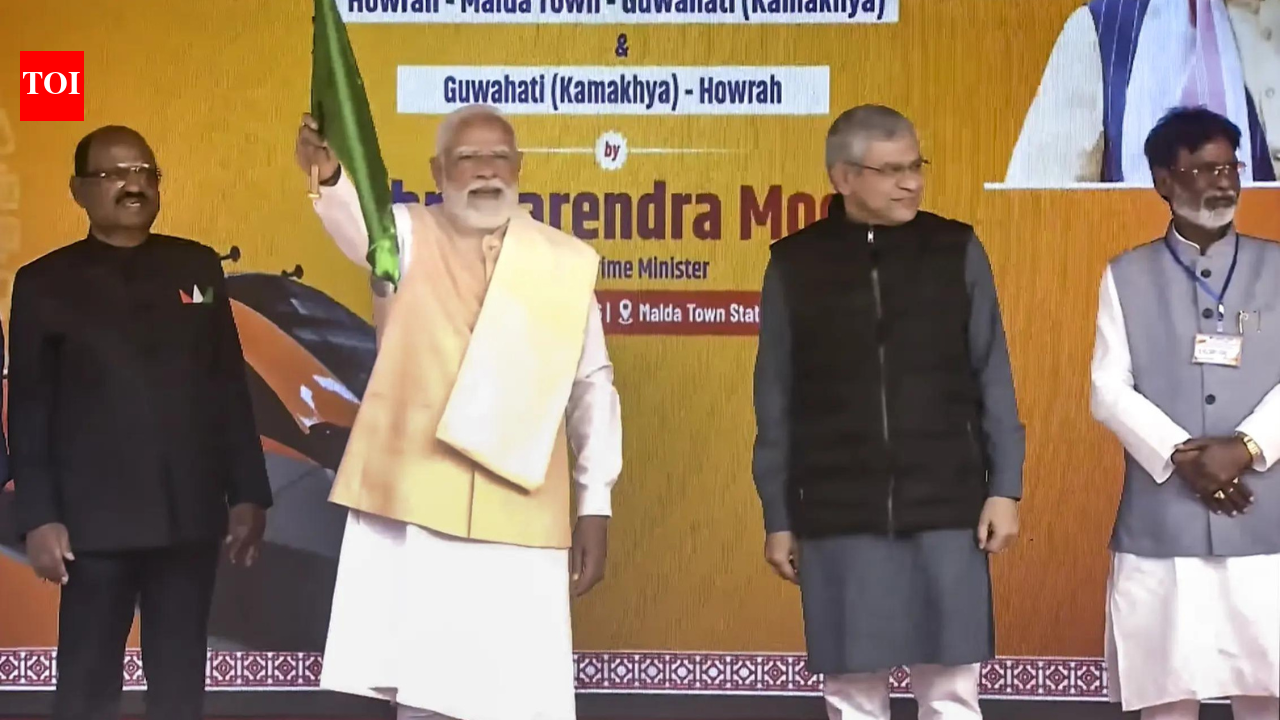
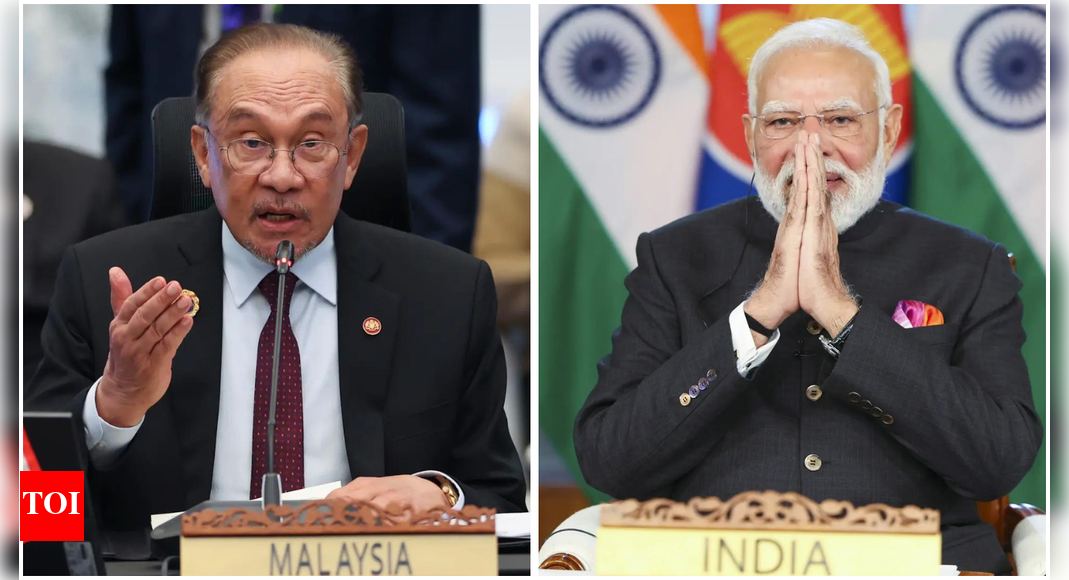
Prime Minister Narendra Modi on Saturday said India is now manufacturing more railway coaches than the United States and Europe, highlighting the country’s growing self-reliance. He made the remarks while flagging off India’s first Vande Bharat sleeper train from Malda in West Bengal.Addressing a public gathering after inaugurating the sleeper version of the Vande Bharat Express on the Howrah–Guwahati (Kamakhya) route, PM Modi said India’s expanding railway manufacturing capacity was strengthening the economy and generating jobs. “Today, India is manufacturing more locomotives than America and Europe. We are exporting passenger and metro train coaches to many countries. This strengthens our economy and generates employment. Connecting India is our priority, and reducing distance is our mission,” he said.The Prime Minister said the country was not only modernising its transport infrastructure but also becoming self-reliant in the process. Referring to the Vande Bharat trains, he said, “There was a time when we watched videos and pictures of foreign trains and wondered if India could ever have such facilities. Today, we are living that reality. Now, foreigners make videos of Indian Railways and tell the world about the revolution taking place here.”Highlighting the cultural and regional significance of the new service, PM Modi said, “Vande Bharat is Made in India and will connect the land of Maa Kali to Maa Kamakhya. Indian Railways is going through a major phase of modernisation.” He added that Vande Bharat sleeper trains would soon operate across the country, making long-distance travel more comfortable.“From today, Vande Bharat Sleeper Class trains will start operating from this pious land of West Bengal. It will make people’s journeys memorable, comfortable, and magnificent,” the Prime Minister said. He added that the newly unveiled projects, especially new trains, would empower the youth.The launch of the Vande Bharat sleeper train marks a major milestone in Indian Railways’ modernisation drive and is part of a broader push to improve connectivity between eastern India and the Northeast. The Howrah–Guwahati service is expected to significantly reduce travel time while offering modern onboard amenities.During his visit to Malda, PM Modi also interacted with students, railway staff and train drivers who were present for the inaugural run. He is set to dedicate to the nation and lay the foundation stone of multiple rail and road infrastructure projects worth over Rs 3,250 crore aimed at boosting connectivity and development in West Bengal and the North-Eastern region.Railway minister Ashwini Vaishnaw described the initiatives as a “gift” to West Bengal.“PM Modi is giving West Bengal a gift of more than one dozen new trains. The first service of Vande Bharat sleeper trains will start from Guwahati to Kolkata. PM Modi will inaugurate it. Amrit Bharat Express trains are going to run. Along with it, 101 stations are being reconstructed in West Bengal. Under this, the New Jalpaiguri (NJP) Railway Station is in the process of turning into a world-class station, with the addition of two new platforms,” Vaishnaw said. After West Bengal, the Prime Minister is scheduled to visit Assam, where he will participate in cultural events celebrating the heritage of the Bodo community. He will also perform the bhoomi pujan for the Kaziranga Elevated Corridor project, a major highway initiative aimed at improving connectivity while ensuring environmental protection and wildlife movement.

Business
Rs 20,000 crore gold, silver rush: What will people buy this Akshaya Tritiya? – The Times of India
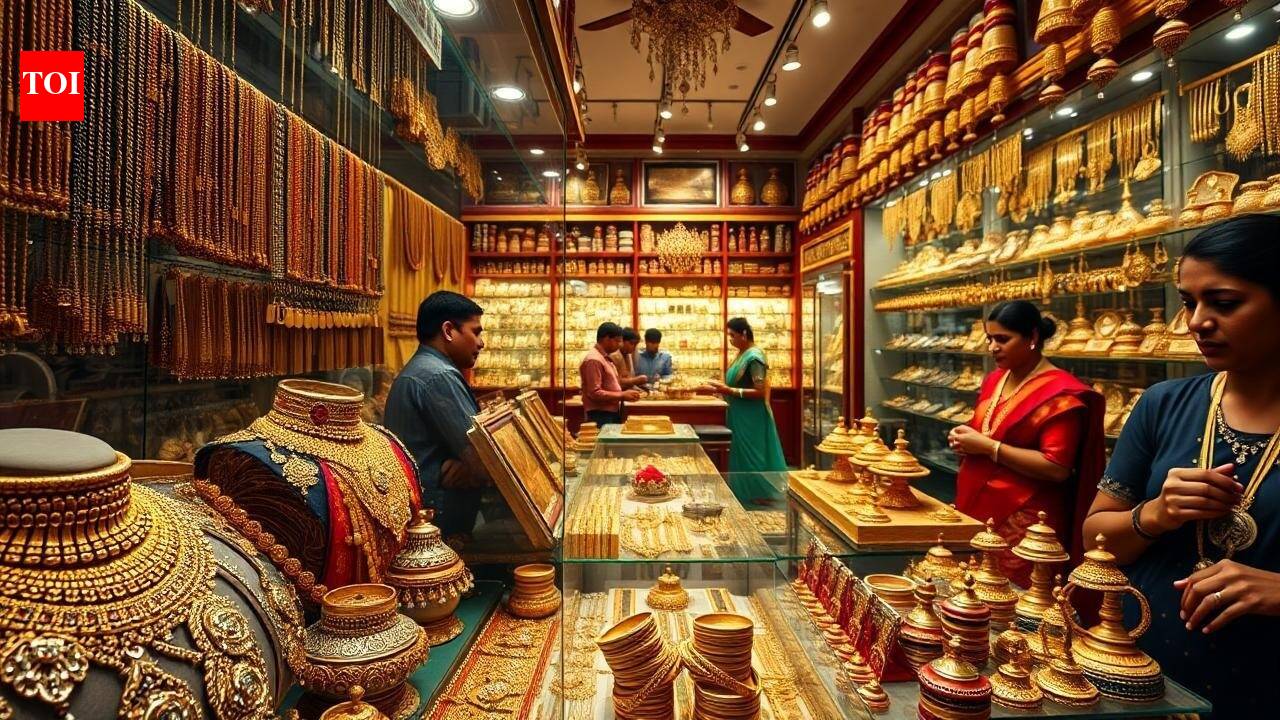
This Akshaya Tritiya, India’s gold and silver markets are heading for bumper purchases, with overall trade likely to cross Rs 20,000 crore even as record-high prices reshape buying patterns. The estimate, shared by the Confederation of All India Traders (CAIT), is higher than last year’s Rs 16,000 crore, signalling growth in value despite a sharp rise in bullion rates.Prices for the yellow metal have surged sharply over the past year, going from Rs 1,00,000 per 10 grams, to Rs 1.58 lakh. Meanwhile, silver has shown a steeper rally, jumping from Rs 85,000 per kilogram to Rs 2.55 lakh per kilogram. According to CAIT, this sharp escalation has not weakened demand, but is instead prompting consumers to make more deliberate and value-oriented purchases.Praveen Khandelwal, member of parliament from Chandni Chowk and secretary general of CAIT told ANI, “Akshaya Tritiya has traditionally been one of India’s most auspicious occasions for purchasing gold… While gold continues to dominate, the nature of purchasing is evolving significantly in response to steep price escalation.”Commenting on customer preference, CAIT national president BC Bhartia highlighted, “There is a clear shift towards lightweight, wearable jewellery, alongside a stronger focus on silver and diamond products. Attractive incentives such as reduced making charges and complimentary gold coins are also helping sustain consumer interest.”Despite the increase in overall trade value, the quantity of metals being sold tells a different story. Pankaj Arora, National President of the All India Jewellers and Goldsmith Federation (AIJGF), an associate of CAIT, explained that the projected Rs 16,000 crore gold trade amounts to nearly 10,000 kilograms (10 tonnes) at current rates. The value, spread across an estimated 2 to 4 lakh jewellers, translates to average sales of only 25 to 50 grams per jeweller, “clearly indicating a sharp decline in volume”.Meanwhile for silver, the estimated Rs 4,000 crore trade corresponds to around 1,56,800 kilograms (157 tonnes), resulting in average sales of about 400 to 800 grams per jeweller during the festival period. “These figures underline a critical shift: while the value of business is expanding due to rising prices, actual consumption is contracting,” Khandelwal said.This gap between value and volume is also reshaping consumer’s buying pattern, with smaller items and lightweight jewellery gaining popularity. At the same time, jewellers are facing challenges due to fluctuating prices, especially when it comes to managing inventory.Even so, festive demand remains steady, with markets witnessing healthy footfall. “Consumers are now adopting a more cautious and pragmatic approach, balancing traditional beliefs with financial discipline,” Khandelwal added.At the same time, it’s not just about physical gold anymore as consumers are increasingly exploring alternatives like digital gold, Sovereign Gold Bonds and gold ETFs, drawn by the promise of liquidity, safety and flexibility when prices are volatile.CAIT and AIJGF have urged jewellers to comply with mandatory hallmarking standards, including HUID certification, and advised buyers to verify the purity and authenticity of their purchases.
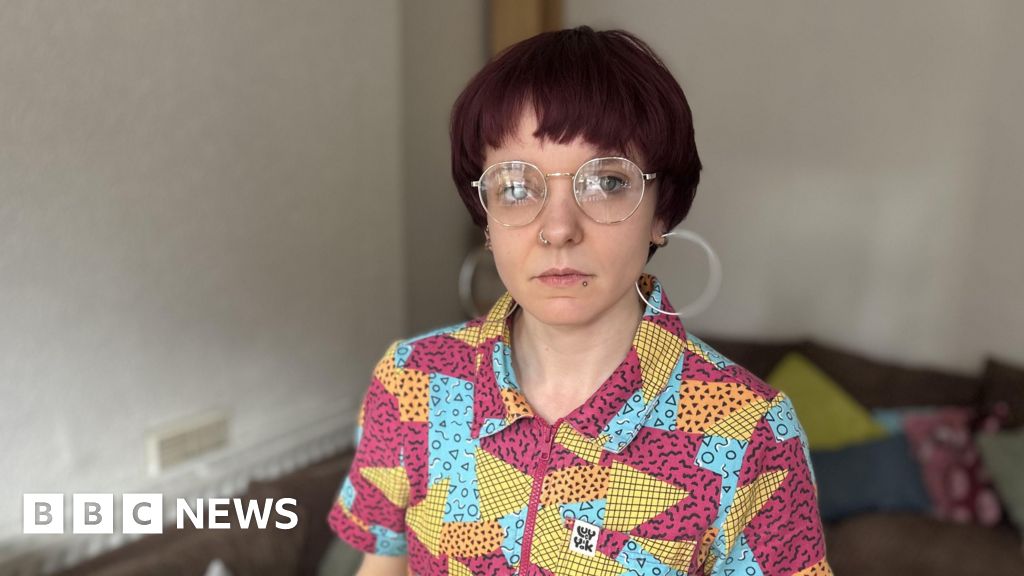
Lauren Elcock is among the young Londoners who say rising rents are forcing them to quit the capital.
Source link
As governments across the world restricted the movements of their citizens during Covid lockdowns from 2020, people spent more time online. We bought more online and socialised more online, and this brought us closer to the people who want to scam us. At the same time, realistic video impersonations, voices, websites, and texts became more commonplace, and scammers increased their use of social media including WhatsApp.


Karachi Kings win toss, opt to bowl first against Multan Sultans

As Iran war strains ties with Trump’s US, UK looks to Europe
Rs 20,000 crore gold, silver rush: What will people buy this Akshaya Tritiya? – The Times of India

-

 Entertainment6 days ago
Palace left in shock as Prince William cancels grand ceremony
-

 Sports6 days ago
The case for Man United’s Fernandes as Premier League’s best
-

 Politics1 week ago
Chinese, Taiwanese will unite, Xi tells Taiwan opposition leader
-
 Business1 week ago
100% road tax waiver for electric cars, new rules for 2, 3 and 4 wheelers – what Delhi govt’s draft EV policy says – The Times of India
-

 Entertainment1 week ago
Dua Lipa hits major career high ahead of wedding with Callum Turner
-
 Business6 days ago
UK could adopt EU single market rules under new legislation
-
 Business1 week ago
The FAA wants gamers to apply for air traffic control jobs
-

 Fashion6 days ago
Energy emerges as biggest cost driver in textile margins